Whether a Havanese Breeder Should X Ray for It
It’s a natural worry for any prospective Havanese parent: what hidden health issues might my beloved puppy inherit? You want to ensure you're bringing home a healthy companion, and understanding a breeder's practices, especially concerning genetic conditions like chondrodysplasia, is absolutely paramount. This guide will walk you through what chondrodysplasia is, why X-rays aren't the primary screening tool for breeders, and what truly responsible breeders do to safeguard the health of their lines.
Understanding Chondrodysplasia in Havanese
When you fall in love with a Havanese, you're often charmed by their sturdy, somewhat short-legged build, full of personality and bounce. But there's a significant difference between the desirable conformation of a Havanese and a genetic condition called chondrodysplasia, which can affect their bone development in a problematic way. It's easy to get confused, so let's break it down.
What Chondrodysplasia Actually Is
Chondrodysplasia, sometimes colloquially referred to as "short-legged dwarfism," is a genetic disorder that affects the development of cartilage and bone. In simple terms, it means the long bones in a dog's limbs don't grow to their proper length or shape. This isn't just about appearance; it can lead to structural problems that impact a dog's mobility and quality of life. Unlike many breeds that carry the gene for chondrodysplasia as a normal part of their breed standard (think Dachshunds or Basset Hounds), in Havanese, it's considered an undesirable mutation and a health concern. It's crucial for owners to understand that while Havanese are naturally a short-statured breed, this specific condition goes beyond typical breed conformation. For more information, you might want to look into The Chondrodysplasia That Runs in Certain Havanese Lines.
The condition is caused by a specific genetic mutation. Dogs with two copies of this mutated gene (homozygous recessive) will display the physical characteristics of chondrodysplasia. Dogs with one copy of the mutated gene (heterozygous) are carriers; they typically don't show symptoms themselves but can pass the gene on to their offspring. This makes identifying carriers critical for responsible breeding. It’s not just about looking at a dog and deciding if its legs are "too short"; it's about understanding the underlying genetics that dictate bone health.
How Chondrodysplasia Presents in a Havanese
A Havanese puppy affected by chondrodysplasia might show several physical signs, though sometimes these aren't immediately obvious, especially to an untrained eye. The most common presentation involves shortened, and often bowed or crooked, front legs. The bones in the forelegs, particularly the radius and ulna, can be disproportionately short compared to the rest of their body. This can lead to a gait that looks unusual, sometimes described as a "rolling" or "waddling" walk. In severe cases, puppies might have difficulty moving or appear stunted in growth.
Beyond the visible signs, affected dogs can experience discomfort or pain as they age, especially if the skeletal deformities put undue stress on their joints. This can lead to early onset arthritis or other orthopedic issues. Imagine trying to navigate the world with limbs that don't quite support your body correctly; it's a constant challenge. This is different from a Havanese with simply short, straight legs that are considered healthy and desirable according to the breed standard. Understanding What Chondrodysplasia Does to a Havanese helps underscore why this condition is a serious concern for dedicated breeders and owners alike. You want your Havanese to enjoy a long, comfortable life, and preventing conditions like this is a huge part of that.
The Role of X-rays in Diagnosing Chondrodysplasia
When you hear about bone problems, X-rays immediately come to mind. And yes, X-rays absolutely have a place in veterinary medicine, especially for diagnosing existing orthopedic issues. However, when it comes to screening breeding dogs for chondrodysplasia, their role is actually quite limited and, frankly, not the most effective method for a responsible breeder.
When X-rays Become a Diagnostic Tool
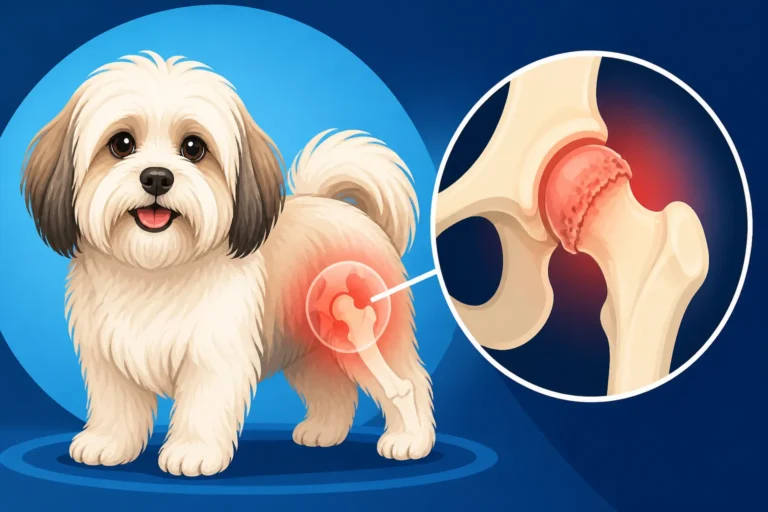
An X-ray is essentially a snapshot of a dog's skeletal structure at a given moment. If a Havanese puppy or adult dog is already showing symptoms of chondrodysplasia – such as bowed legs, an unusual gait, or lameness – then X-rays become an invaluable diagnostic tool for a veterinarian. They can confirm the presence and severity of skeletal abnormalities, measure bone lengths, and identify any secondary issues like joint incongruity or early signs of arthritis. For instance, if you're worried about Whether a Havanese With Bowed Legs Is in Pain, an X-ray can provide clarity on the underlying bone structure.
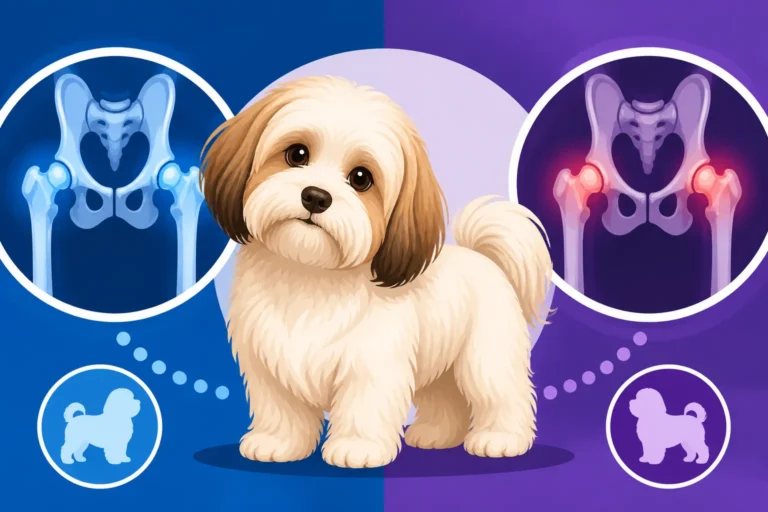
This is a reactive measure, though. It helps a vet understand what's happening with a dog that's already symptomatic. It doesn't tell a breeder if a seemingly healthy parent dog is a carrier of the gene, capable of producing affected puppies. Think of it like this: an X-ray can show you a broken bone, but it can't tell you if someone is genetically predisposed to brittle bones before they ever break one. For a breeder aiming to prevent the condition, relying solely on X-rays is like closing the barn door after the horses have bolted.
Limitations of X-rays for Breeder Screening
The biggest limitation of X-rays for screening breeding Havanese for chondrodysplasia is that they only reveal existing physical abnormalities. A carrier dog, meaning a dog with one copy of the mutated gene, will typically have a completely normal skeletal structure and show no outward signs of the condition. If a breeder only X-rays their dogs, they could easily miss carriers, who would then go on to produce affected puppies if bred with another carrier. This means even seemingly healthy parents, when paired, could produce a litter where 25% of the puppies are affected by chondrodysplasia.
Furthermore, X-rays involve radiation exposure, which is something veterinarians try to minimize, especially in healthy animals. It also requires sedation or anesthesia, which carries its own set of risks, however small, particularly for small breeds like Havanese. The cost of routine X-rays for screening every potential breeding dog would be substantial, adding unnecessary expense and risk compared to a far more effective method. Therefore, while X-rays are critical for diagnosing affected individuals, they are not the appropriate or efficient tool for screening a healthy breeding population to identify carriers and prevent the condition. A truly diligent breeder will utilize more precise tools to ensure they aren't inadvertently passing on genetic predispositions.
Why Genetic Testing is the Gold Standard for Breeders
When it comes to preventing inherited conditions like chondrodysplasia, genetic testing stands head and shoulders above other methods for responsible Havanese breeders. It’s all about looking directly at the blueprint, not just the finished structure.
The Specific Gene and Its Inheritance
Chondrodysplasia in Havanese is caused by a known recessive gene mutation. This means that a dog must inherit two copies of the mutated gene—one from each parent—to be affected by the condition and show symptoms. A dog that inherits only one copy of the mutated gene from one parent is considered a carrier. Carriers are generally healthy and show no signs of the disease themselves, but they can pass the mutated gene on to their offspring.
This is where genetic testing becomes invaluable. A simple cheek swab or blood sample can be sent to a specialized laboratory, like those at Embark or OFA (Orthopedic Foundation for Animals), to analyze the dog's DNA. The results clearly identify whether a dog is:
- Clear: Meaning they do not have the mutated gene and cannot pass it on.
- Carrier: Meaning they have one copy of the mutated gene, are usually healthy, but can pass it on.
- Affected: Meaning they have two copies of the mutated gene and will likely develop the condition.
Understanding this inheritance pattern is fundamental for any breeder committed to the health of the Havanese breed. It allows them to make informed breeding decisions, ensuring that no two carrier dogs are bred together, which is the only way to produce affected puppies. This proactive approach helps to eradicate the disease from future generations, slowly but surely improving the breed's overall health profile.
How Breeders Use DNA Tests for Responsible Breeding
A responsible Havanese breeder incorporates DNA testing as a cornerstone of their breeding program. Before any dog is considered for breeding, they should be tested for chondrodysplasia. This isn't just a suggestion; it’s an absolute necessity to maintain the health and integrity of the breed. If a dog is identified as a carrier, it doesn’t automatically mean they cannot be bred. Instead, it means they must only be bred with a dog that is confirmed "clear" of the chondrodysplasia gene.
Here's how it works in practice:
- Clear x Clear: All puppies will be clear and healthy.
- Clear x Carrier: Statistically, 50% of puppies will be clear, and 50% will be carriers. None will be affected.
- Carrier x Carrier: Statistically, 25% of puppies will be clear, 50% will be carriers, and 25% will be affected. This pairing should be strictly avoided.
By following these guidelines, a breeder ensures that no affected puppies are born. Over time, as more and more carriers are identified and strategically bred to clear dogs, the incidence of the mutated gene in the population can be significantly reduced. This is a testament to ethical breeding practices and a commitment to the well-being of every Havanese. When a breeder can show you documentation of these tests, it’s a strong sign of their dedication. They should be able to provide clear results for both parents, often registered with organizations like the OFA, demonstrating that they are actively screening their dogs. This commitment goes a long way in ensuring you bring home a healthy puppy. You can learn more about specific screening processes by asking Whether a Havanese Breeder Screens for Chondrodysplasia.
What a Responsible Havanese Breeder Should Do
Finding a truly responsible Havanese breeder involves more than just liking their puppies or their website. It’s about scrutinizing their practices, their transparency, and their genuine commitment to the health and welfare of the breed. They should be partners in your journey to finding a healthy companion.
Beyond X-rays: Comprehensive Health Screening
As we've established, X-rays are not the primary screening tool for chondrodysplasia in breeding dogs. A responsible Havanese breeder will instead rely on DNA testing for this specific condition. However, their commitment to health screening doesn't stop there. Havanese, like all breeds, can be prone to other inherited conditions, and ethical breeders diligently screen for these too.
Here's a list of comprehensive health tests a responsible Havanese breeder should be performing, often registered with organizations like the Orthopedic Foundation for Animals (OFA) or the Canine Eye Registration Foundation (CERF, now part of OFA's eye certification program):
- Patellar Luxation: This is a common orthopedic issue in small breeds where the kneecap slips out of place. Breeding dogs should have their patellas examined by a veterinarian, and the results registered with OFA.
- Eye Disorders: Havanese can be prone to several hereditary eye conditions, including cataracts and progressive retinal atrophy (PRA). Breeding dogs should have yearly eye examinations by a board-certified veterinary ophthalmologist (CAER exam), with results registered with OFA.
- Cardiac Health: Heart murmurs and other cardiac issues can occur. Breeding dogs should undergo cardiac exams by a veterinary cardiologist, with results registered with OFA.
- Deafness (BAER testing): Particularly for white-coated Havanese, BAER (Brainstem Auditory Evoked Response) testing can identify congenital deafness. While not universally required for all Havanese, it's a responsible test for certain lines or color patterns.
- Liver Shunt: While less common, congenital portosystemic shunts can occur. While direct genetic testing for shunts isn't widely available for Havanese, breeders should be aware of any history in their lines and monitor puppies for symptoms.
- Legg-Calve-Perthes Disease: Another orthopedic condition affecting the hip joint, especially in small breeds. While not always directly genetically testable, responsible breeders monitor for incidence in their lines.
These screenings are not cheap, and they take time, but they are absolutely essential. They demonstrate a breeder's dedication to producing healthy puppies. Remember, even with the best preventative care and responsible breeding, unexpected health issues can arise. This is why many owners opt for pet insurance from providers like Healthy Paws, which can help manage the costs of unforeseen veterinary care, but solid breeding practices significantly reduce known risks. You can get a sense of the full spectrum of necessary health checks by reading about The Health Tests Both Havanese Parents Should Have.
Questions to Ask Your Potential Breeder
When you're speaking with a Havanese breeder, consider it an interview – for both of you! You're interviewing them about their practices, and they'll likely be interviewing you as a potential owner. Don't be shy; ask direct, detailed questions about their health screening protocols.
Here are some critical questions to pose:
- "Are your breeding dogs tested for chondrodysplasia via DNA test? Can I see the results for both parents of this litter?"
- "What other genetic health screenings do you perform on your breeding dogs (e.g., patella, eyes, heart)? Can I see the OFA/CAER certifications for both parents?"
- "Do you provide a health guarantee in your contract? What does it cover, and for how long?"
- "How long have you been breeding Havanese, and what is your philosophy on responsible breeding?"
- "What steps do you take to socialize your puppies before they go to their new homes?"
- "Can I meet the puppy's parents (at least the mother) and see their living environment?"
A good breeder will welcome these questions and be eager to share their health certifications and explain their breeding program. They'll also be transparent about any known issues in their lines and what they're doing to mitigate them. If a breeder is evasive, unwilling to provide documentation, or dismisses your concerns about health testing, consider it a significant red flag. They might claim that X-rays are sufficient or that their dogs are "vet checked" (which is not the same as specialized genetic and orthopedic screenings). Don't settle for less than full transparency and verifiable health clearances. A reputable breeder often proudly displays their dogs' CHIC (Canine Health Information Center) numbers, which confirms that all required health tests have been performed and publicly registered. This transparency is key to finding a puppy that has the best possible start to a long and healthy life. Exploring Whether a Havanese Breeder Should Show CHIC Numbers can provide more context on this important aspect of breeder accountability.
Comparing Chondrodysplasia Screening Methods
To make it easier to understand the difference between X-rays and DNA testing for chondrodysplasia in Havanese breeding, here's a quick comparison:
| Feature | X-rays | DNA Testing (Genetic Test) |
|---|---|---|
| Purpose | Diagnoses existing structural bone abnormalities. | Identifies genetic predisposition and carrier status. |
| Timing | Performed when symptoms are present or for general orthopedic evaluation. | Performed before breeding, usually once in a dog's lifetime. |
| Identifies Carriers? | No; carriers typically have normal bone structure. | Yes; clearly identifies clear, carrier, or affected status. |
| Predictive Value | Low for preventing future generations of affected puppies. | High for preventing affected puppies. |
| Invasiveness | Requires sedation/anesthesia and radiation exposure. | Non-invasive (cheek swab or blood sample). |
| Cost (per screen) | Generally higher due to vet time, sedation, imaging. | Lower, as it's a one-time test for the specific gene. |
| What a Breeder Does | Not a primary screening tool for breeding stock. | Essential primary screening tool for breeding stock. |
The Breeder's True Responsibility
Ultimately, the question of "Whether a Havanese Breeder Should X Ray for It" highlights a common misunderstanding about how best to approach genetic health conditions. For chondrodysplasia in Havanese, X-rays are a diagnostic tool for affected dogs, not a screening tool for breeding stock. A truly responsible and ethical Havanese breeder will prioritize DNA testing to identify carriers and clear dogs, making informed breeding decisions that prevent the birth of affected puppies.
They understand that their responsibility extends beyond providing cute puppies; it's about safeguarding the future health of the breed. By diligently performing genetic tests, along with other comprehensive health screenings for eyes, patellas, and hearts, they give their puppies the best possible start. Your role as a prospective owner is to educate yourself, ask the right questions, and insist on seeing verifiable health clearances. Your due diligence will ensure you welcome a healthy, happy Havanese into your home, ready to fill your life with joy for The Fourteen to Sixteen Years a Havanese Lives.
Disclaimer
This article is intended for informational purposes only and does not constitute veterinary advice. Always consult with a qualified veterinarian for any health concerns or before making any decisions about your pet's care. Breeding practices and specific health recommendations can evolve, so staying informed and consulting with professionals is crucial.