Settling a Rehomed Havanese
A rehomed Havanese adjustment process uses the three three three rule to help dogs settle smoothly and confidently into homes.
Work with the temperament you have.
House-training and crate work, recall, leash manners, separation anxiety, and the behaviors this breed is wired for.

A rehomed Havanese adjustment process uses the three three three rule to help dogs settle smoothly and confidently into homes.

Havanese maturity stages explain when puppies calm down, usually between eighteen months and two years of age after puppyhood.

Nighttime crate training for a Havanese puppy provides security, aids house-training, and establishes a predictable bedtime routine.

Havanese puppy biting stops between five and seven months of age when adult teeth emerge and bite inhibition fully develops.

Havanese sleep patterns across life stages explain if sleeping most of the day is normal for this adaptable companion breed.

Havanese post-exercise behavior patterns and energy profiles explain why the breed struggles to settle down immediately after physical activity.
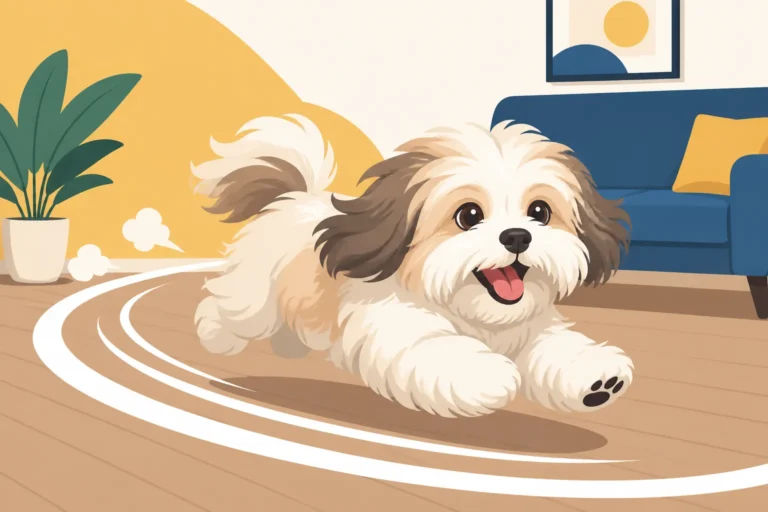
Havanese zoomies and Frenetic Random Activity Periods explain sudden bursts of energy and how to manage the behavior safely.

Indoor play for a Havanese limits physical and mental development, causing destructive behaviors like excessive chewing and digging.

Havanese energy levels and physical endurance limits for long days out, with age factors and tips for managing extended outings.

Havanese hiking capabilities depend on weight, stamina, age, and health, allowing these small dogs to handle moderate trails safely.