The Blanquito de la Habana the Havanese Came From
The Blanquito de la Habana ancestry and physical characteristics explain how the foundational dog breed became the modern Havanese.

The Blanquito de la Habana ancestry and physical characteristics explain how the foundational dog breed became the modern Havanese.

The Havanese heritage involves Bichon-type dogs arriving in colonial Cuba and evolving into the Blanquito de la Habana.

Cording a Havanese transforms soft hair into distinct rope strands, offering a striking look with specific maintenance realities.

The silky double coat of a Havanese dog, explaining unique textures, minimal shedding, and daily grooming routines for floor length hair.

Havanese trick training channels boundless dog energy into mental enrichment and fun performances that entertain everyone all day.

Havanese intelligence and circus dog origins explain why this breed needs mental stimulation to prevent mischievous behavior.

Twelve refugee dogs leaving Cuba after the 1959 revolution explain the high modern cost of the rare Havanese breed.

Havanese grooming costs and the challenges of a double coat requiring daily brushing to prevent painful mats and skin infections.
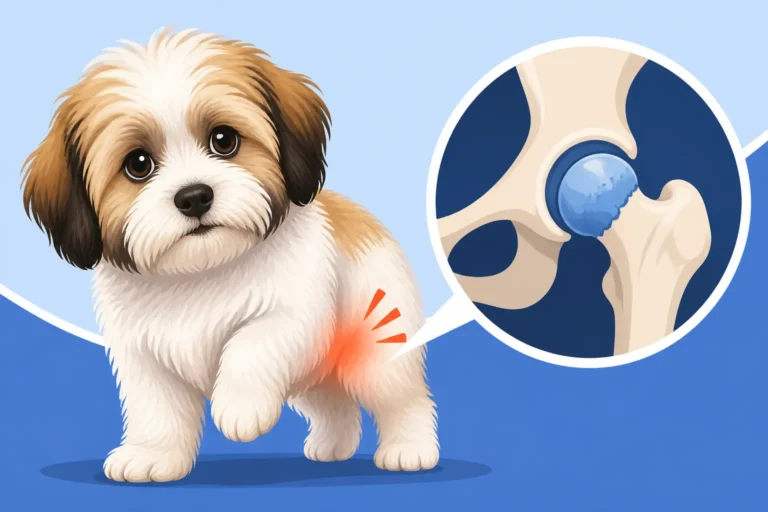
Legg-Calve-Perthes disease in young Havanese puppies causes hip joint deterioration, lameness, and pain through disrupted blood supply.

Chondrodysplasia in Havanese dogs causes disordered cartilage growth and short, bowed limbs, increasing risks for joint and spinal diseases.

Havanese and Bichon Havanais refer to the exact same dog breed, explaining why pedigrees and international searches use different names.

Havanese dog competition rules in Cuba depend on international recognition, local event organizers, and required registration paperwork.

Havanese breed standards from the FCI and the AKC differ in organization and phrasing, but both describe identical small companions.

European recognition of the Havanese through the FCI preceded American kennel club acceptance despite Cuban roots.

The appearance of the Havanese in Cuban literature remains unproven because older texts use general descriptions for dogs.

Historical records show no established tradition of Havanese dogs being routinely presented as official diplomatic gifts by governments.

The Havanese name connects to Havana and Cuba, explaining the historical roots and the Blanquito de la Habana ancestry.

The Havanese dog breed return to Cuba depends on surviving refugee populations and modern breeding conditions.

Widening the Havanese gene pool involves introducing useful genetic variation while preserving health, temperament, and breed type.

Commercial breeding practices for Havanese dogs determine puppy health and welfare more than operation size or marketing labels do.