What Cataract Surgery Costs on a Havanese
The moment you notice a cloudy film over your beloved Havanese's eyes, a wave of panic can set in, coupled with immediate concerns about their vision and quality of life. For many Havanese owners, the prospect of their lively companion losing their sight is heartbreaking, and the thought of surgery brings a whole new set of worries – not least among them, the financial implications. This guide aims to shed light on what cataract surgery entails for your Havanese and, crucially, what you can realistically expect in terms of cost.
Understanding Cataracts in Your Havanese
Finding out your Havanese has cataracts can be a really scary experience. One day their eyes are clear and bright, and the next you notice a subtle haziness that seems to get worse with time. It's a natural reaction to immediately worry about their sight and how much this might change their little world. But understanding what cataracts are and why they appear can help you navigate the next steps with more confidence.
What Are Cataracts and Why Do Havanese Get Them?
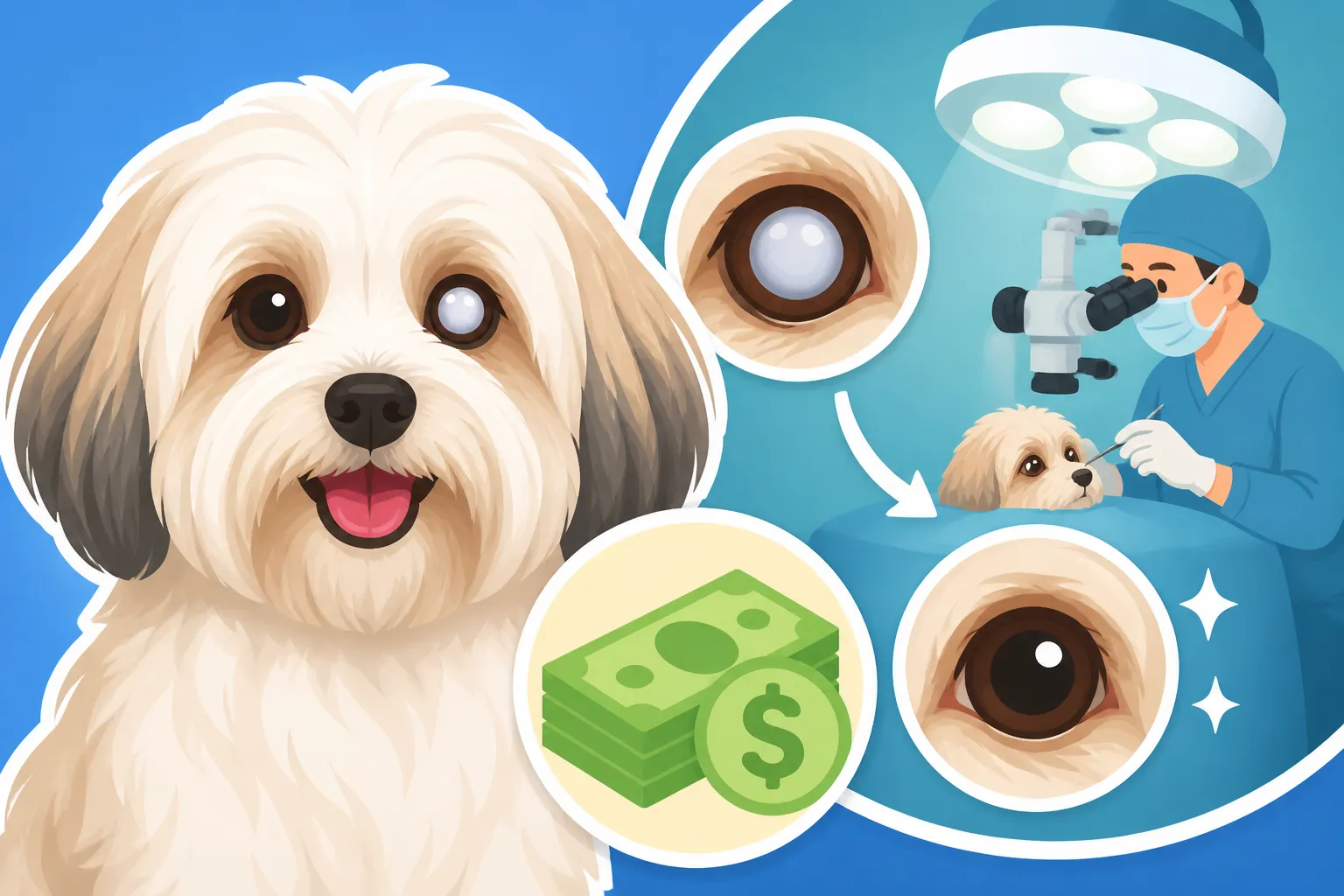
Cataracts are essentially an opacity or cloudiness in the lens of the eye, which is normally crystal clear. Think of the lens like a tiny, perfectly transparent window that focuses light onto the retina at the back of the eye. When a cataract forms, it's like that window getting foggy or frosted over, preventing light from passing through properly. This leads to blurred vision, and in severe cases, complete blindness. For our Havanese friends, cataracts can be particularly heartbreaking because they are such visual and expressive little dogs.
While cataracts can develop for various reasons, including trauma or diabetes, in Havanese, they are most often hereditary. This means they are passed down through generations. It's not uncommon to find cataracts appearing in Havanese as they get older, but some lines can even develop juvenile cataracts, meaning they appear when the dog is still quite young. This genetic predisposition is a significant reason why responsible breeders perform regular eye examinations on their breeding stock, hoping to reduce the incidence of this condition. You can read more about The Eye Diseases a Havanese Inherits and Hereditary Cataracts in a Havanese.
Recognizing the Signs of Cataracts in Your Fur Baby
Spotting cataracts early can be tricky because dogs are incredibly adaptable, especially in a familiar home environment. They often compensate for vision loss by relying more on their other senses, like smell and hearing. However, there are several signs that might clue you in that something is amiss with your Havanese's vision. The most obvious sign is a cloudy, bluish-gray, or white appearance in the center of their pupil. This cloudiness might start small and gradually cover more of the lens.
Beyond the visible change in their eyes, you might notice behavioral alterations. Your Havanese might become hesitant to jump off furniture they once easily navigated, or they might start bumping into familiar objects, particularly in dimly lit rooms or if furniture has been rearranged. They might also seem more anxious or startle more easily, as they can't see approaching people or objects as clearly. Playing fetch might become less enthusiastic, or they might struggle to find toys right in front of them. These changes, however subtle, are important to observe and discuss with your veterinarian.
The Veterinary Diagnostic Process
If you suspect your Havanese has cataracts, your first step is a visit to your trusted veterinarian. They will perform a thorough general physical exam, along with a specific ophthalmic (eye) examination. This initial exam will often include checking pupil responses, looking for signs of inflammation, and using an ophthalmoscope to visualize the lens. If cataracts are indeed present, your vet will likely recommend a referral to a veterinary ophthalmologist – a specialist in animal eye health.
The veterinary ophthalmologist will conduct a more in-depth assessment. This typically involves advanced diagnostic tests such as electroretinography (ERG), which assesses the function of the retina, and an ocular ultrasound to ensure there are no other underlying eye conditions that could complicate surgery or affect prognosis. They will also perform comprehensive blood work to ensure your Havanese is healthy enough for anesthesia, as well as checking for conditions like diabetes, which can cause cataracts. This diagnostic process is crucial because it determines if your Havanese is a suitable candidate for surgery and helps the specialist plan the best course of action. It's a detailed process, but absolutely necessary to ensure the best possible outcome for your furry family member.
Deconstructing the Costs of Cataract Surgery
When it comes to something as specialized as cataract surgery for your Havanese, it's not a single price tag you're looking at. Instead, it's a sum of several distinct components, each with its own associated cost. Understanding these elements can help you prepare for the financial commitment involved and avoid any surprises along the way. It's a significant investment, but one that can restore your beloved pet's vision and greatly improve their quality of life.
Pre-Operative Assessments: The Foundation of Success
Before any surgery can take place, a thorough evaluation is absolutely essential. This isn't just a quick peek into their eyes; it's a series of tests designed to ensure your Havanese is a good candidate for the procedure and to identify any potential risks. These pre-operative assessments typically include comprehensive blood work to check organ function and overall health, ensuring your Havanese can safely undergo anesthesia. They will also undergo an extensive eye examination by the veterinary ophthalmologist, which often involves specialized equipment to map the eye and assess the extent of the cataracts.
Furthermore, an electroretinogram (ERG) is usually performed to ensure the retina is healthy and functional. If the retina isn't working correctly, cataract surgery might not restore vision, making the procedure unnecessary. An ocular ultrasound might also be part of this stage to check for any hidden issues behind the lens. Each of these tests adds to the overall cost, and while they might seem like extra expenses, they are critical for minimizing risks and maximizing the chances of a successful outcome. Think of it as laying a solid foundation before building a house – you wouldn't want to skip steps there either.
The Surgical Procedure Itself
The actual cataract surgery is a highly specialized and delicate procedure, typically performed using phacoemulsification, the same technique used in human cataract surgery. This involves using ultrasonic waves to break up the cloudy lens, which is then suctioned out. An artificial intraocular lens (IOL) is usually implanted in its place to restore vision. This portion of the cost covers the veterinary ophthalmologist's fees, the anesthesiologist's fees (which are crucial for toy breeds like Havanese), the use of the specialized surgical equipment, and the cost of the artificial lens itself.
Given the precision required and the advanced technology involved, this is often the largest single component of the overall expense. Your Havanese will be under general anesthesia for the duration, and careful monitoring is essential, especially for smaller breeds. The expertise of the surgical team, the state-of-the-art facility, and the necessary medications administered during the procedure all contribute to the cost. It's not just a procedure; it's a full medical team working together to give your Havanese back their sight.
Post-Operative Care and Medication
After the surgery, your Havanese will need diligent post-operative care, which is absolutely critical for a successful recovery and to prevent complications. This phase includes a regimen of various eye drops – anti-inflammatory, antibiotic, and pupil-dilating drops – which need to be administered frequently, sometimes several times a day, for weeks or even months. Oral medications, such as anti-inflammatory drugs or pain relief, might also be prescribed. You'll also need an Elizabethan collar (e-collar) or a soft cone to prevent your Havanese from rubbing or scratching their eyes while they heal, and sometimes even specialized protective glasses. Products from online retailers like Chewy can be helpful for sourcing these kinds of supplies, from e-collars to prescription diets if needed.
Regular follow-up appointments with the veterinary ophthalmologist are also necessary to monitor healing, adjust medications, and catch any potential complications early. These visits can be frequent in the initial weeks and then taper off over several months. Each set of medications, protective gear, and follow-up consultation contributes to the overall post-surgical expense. It’s an ongoing commitment, but one that directly impacts the long-term success of the surgery and your Havanese’s regained vision.
Factors That Influence the Overall Cost
When you're trying to figure out what cataract surgery might cost for your Havanese, it's easy to feel overwhelmed by the variables. There isn't a single, fixed price because so many factors can play a role in the final bill. From where you live to the specifics of your dog's condition, these elements can cause the cost to fluctuate significantly. Understanding these influences can help you anticipate the potential range and plan accordingly.
Geographic Location and Clinic Specialization
Just like human medical procedures, the cost of veterinary services, especially specialized ones like ophthalmic surgery, can vary widely based on your geographic location. Clinics in major metropolitan areas or regions with a higher cost of living generally have higher overheads, which translates to higher prices for procedures. A specialist veterinary ophthalmology clinic in a bustling city might charge more than one in a smaller town or rural area, simply due to differences in real estate, staffing salaries, and operating expenses.
Beyond the location, the level of specialization and reputation of the clinic can also influence the price. A practice with multiple board-certified veterinary ophthalmologists, state-of-the-art equipment, and extensive experience in delicate procedures like cataract surgery might command higher fees. This isn't necessarily a bad thing; often, higher costs reflect a higher standard of care, more experienced surgeons, and superior post-operative support, which can be invaluable when dealing with your Havanese's precious eyesight. It's always a good idea to research clinics and their specific expertise.
Unforeseen Complications and Additional Procedures
While cataract surgery has a high success rate, like any surgical procedure, there's always a possibility of complications. These can range from minor issues like inflammation or corneal ulcers to more serious problems such as glaucoma (increased eye pressure) or retinal detachment. If complications arise, they will require additional diagnostic tests, medications, and potentially further surgical interventions, all of which will add to the overall cost. For example, if your Havanese develops post-surgical glaucoma, they might need ongoing medication or even another procedure to manage the pressure.
Sometimes, during the initial diagnostic phase, the ophthalmologist might discover other co-existing eye conditions that need to be addressed either before, during, or after cataract surgery. For instance, if your Havanese also has a corneal dystrophy or other hereditary eye issues, these might require separate treatments. These additional procedures and medications, while necessary for the best possible outcome, will naturally increase the financial outlay. It’s wise to keep a contingency fund or have a robust pet insurance plan, such as Healthy Paws, to help cover such unexpected expenses.
Bilateral vs. Unilateral Surgery
One of the most significant factors affecting the total cost is whether your Havanese needs surgery on one eye (unilateral) or both eyes (bilateral). Many Havanese develop cataracts in both eyes, often at different rates. If both eyes require surgery, the overall cost will be substantially higher than for a single eye. While some costs, like anesthesia and certain pre-operative blood tests, might not double, many other components, such as the surgeon's fee, the cost of the intraocular lenses, and the time required for the procedure, will be incurred for each eye.
Often, ophthalmologists recommend operating on both eyes during the same anesthetic event if both are affected and healthy enough, as this minimizes the number of times your Havanese needs to undergo anesthesia and the associated risks. However, this also means a single, larger bill upfront. If surgery is performed on each eye at separate times, you might spread out the payments, but you'll likely incur some duplicated costs (like separate anesthesia charges for each visit), making the total cumulative expense potentially even higher. Discussing the pros and cons of unilateral versus bilateral surgery with your ophthalmologist, and its impact on your budget, is crucial. You can also learn more about The Age Cataracts Appear in a Havanese to anticipate if both eyes might be affected.
Managing the Financial Burden of Havanese Cataract Surgery
Facing the news of cataract surgery for your Havanese can be daunting, not just emotionally, but financially. The costs involved are significant, and it’s natural to feel overwhelmed. However, there are several avenues you can explore to help manage the financial burden, ensuring your beloved companion gets the vision-restoring care they need without completely breaking the bank. It's about being prepared and knowing your options.
Pet Insurance: A Lifeline for Unexpected Costs
For many Havanese owners, pet insurance can be a true lifeline when faced with substantial veterinary bills like those for cataract surgery. If you enrolled your Havanese in a comprehensive pet insurance plan before any signs of cataracts appeared, there's a good chance a significant portion of the surgical costs could be covered. Policies vary, but many will reimburse a percentage of veterinary expenses after your deductible is met, including diagnostics, surgery, and post-operative medications. Companies like Healthy Paws offer various plans that could make these high-cost procedures much more manageable.
It's crucial to understand, however, that pet insurance typically doesn't cover pre-existing conditions. So, if your Havanese was diagnosed with cataracts before you obtained insurance, or if there were documented signs of eye issues, the surgery might not be covered. This highlights the importance of getting pet insurance when your Havanese is young and healthy. Still, even if it doesn't cover this specific instance, it's worth exploring for future unforeseen health issues. You can research What Insuring a Havanese Puppy Runs and Whether a Havanese Is Worth Insuring to understand the benefits.
Exploring Payment Plans and Financial Aid
If pet insurance isn't an option or only covers a portion of the costs, don't despair. Many veterinary ophthalmology clinics understand the financial strain these procedures can place on families and offer various payment solutions. It's common for clinics to work with third-party financing companies that provide low-interest or interest-free payment plans for qualified applicants. This allows you to spread the cost over several months, making it more manageable within your monthly budget.
Additionally, there are various charitable organizations and foundations dedicated to helping pet owners afford essential veterinary care. While these resources often have specific criteria and limited funds, they are certainly worth investigating. Don't be afraid to openly discuss your financial concerns with your veterinary team; they are often familiar with local and national programs that might be able to offer assistance or guide you to other options. Sometimes, even a slight discount or the ability to pay in installments can make a world of difference.
Budgeting for Ongoing Eye Care
Even after successful cataract surgery, your Havanese will require ongoing eye care and monitoring. This isn't a one-and-done expense; it's a commitment to maintaining their restored vision. This includes regular follow-up visits with the ophthalmologist, prescription eye drops that may be needed long-term (especially if there's any predisposition to glaucoma), and potentially special diets or supplements to support overall eye health. While a company like Ollie focuses on general high-quality nutrition, a well-balanced diet is always a cornerstone of good health, including ocular well-being.
These recurring costs, while smaller individually than the surgery itself, can add up over time. It's wise to factor these into your long-term pet care budget. Maintaining consistency with medications and check-ups is paramount to preventing complications and ensuring your Havanese enjoys their improved vision for as long as possible. Remember, successful surgery is just the first step; diligent care afterward is what truly preserves their gift of sight. Regular veterinary visits, including Whether a Havanese Needs a Yearly Eye Exam, will be key to monitoring their ocular health.
Cost Components of Havanese Cataract Surgery
To give you a clearer picture of where your money goes, here's a general breakdown of the typical cost components involved in Havanese cataract surgery:
| Cost Component | Description | Estimated Proportion of Total Cost (Example) |
|---|---|---|
| Pre-Operative Diagnostics | Comprehensive eye exams, ERG, ocular ultrasound, blood work, general health screening. | 15-25% |
| Surgical Fees | Veterinary ophthalmologist's fee, anesthesiologist's fee, surgical suite usage, equipment, staff. | 40-50% |
| Intraocular Lenses (IOLs) | Cost of the artificial lenses implanted into the eyes. | 10-15% |
| Anesthesia & Monitoring | Anesthesia drugs, administration, continuous monitoring during surgery. | 5-10% |
| Post-Operative Medications | Eye drops (antibiotic, anti-inflammatory), oral pain relief, e-collar/protective gear. | 5-10% |
| Follow-Up Appointments | Multiple post-surgical check-ups with the ophthalmologist to monitor healing. | 5-10% |
| Potential Complications | Costs for treating any unforeseen issues like glaucoma, infection, or inflammation (variable). | Variable (could be significant) |
Note: These proportions are illustrative and can vary significantly based on individual circumstances, clinic pricing, and the specific needs of your Havanese.
It's a big decision, financially and emotionally, to put your Havanese through cataract surgery. But the joy of seeing them navigate their world with renewed confidence, tracking toys, and making eye contact again, is truly priceless. Investing in their vision is investing in their happiness and a better quality of life for their remaining years, especially as they enter their senior years, which you can learn more about in Caring for a Havanese Past Twelve and Whether an Old Havanese Goes Blind.
Disclaimer
This article is for general informational purposes only and does not constitute professional advice. Laws, prices and regulations vary by location and change over time. Consult a qualified professional for guidance on your specific situation.