What Emergency Care Costs a Havanese Owner
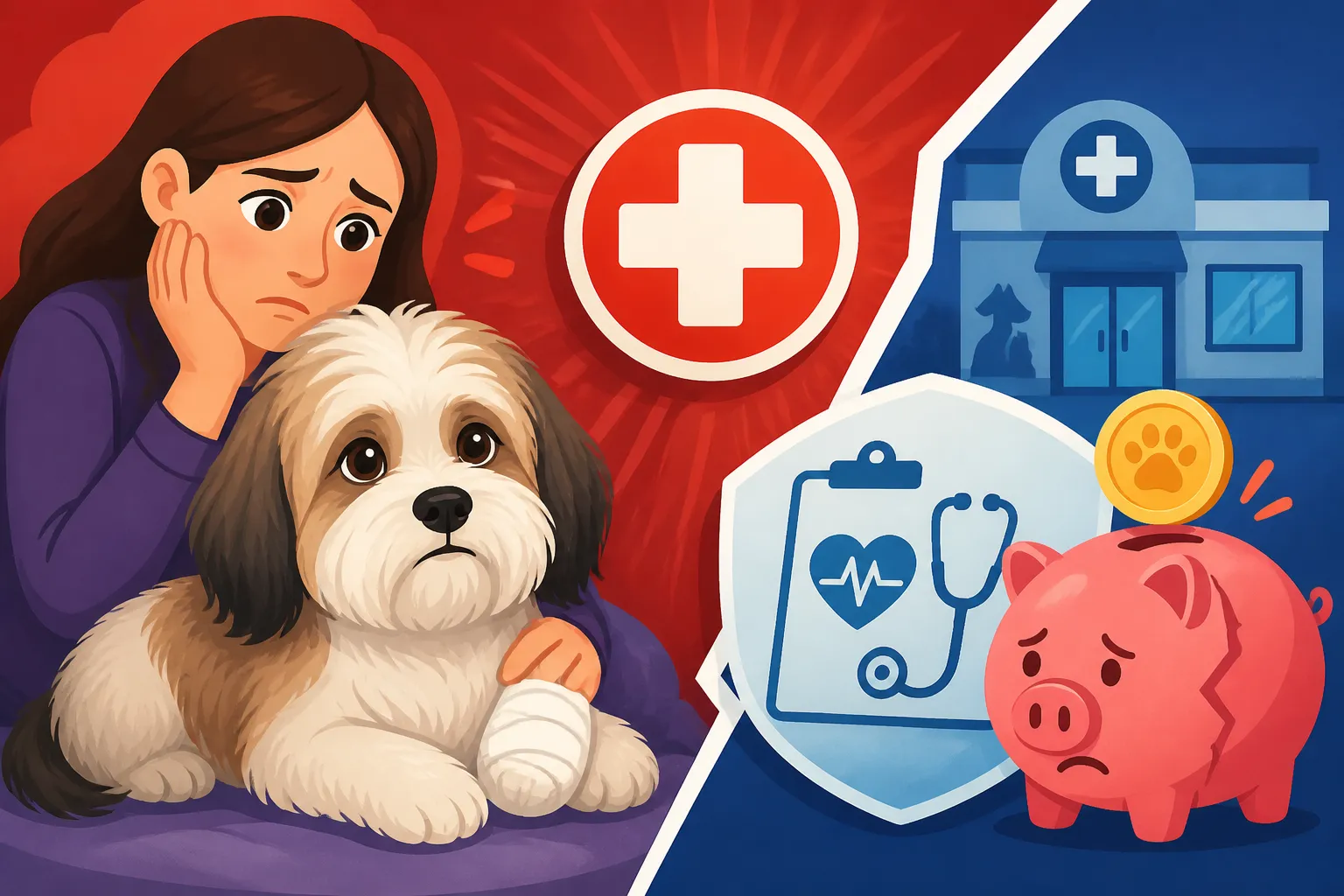
One of the most heart-stopping moments for any Havanese parent is when your precious fur baby suddenly becomes ill or injured, and you're faced with the terrifying thought of an emergency vet visit. The immediate concern is always your dog's well-being, but almost instantly, a wave of dread washes over you as you realize the potential financial burden. This guide is here to walk you through the realities of emergency care costs for your Havanese, helping you understand what to expect and how to prepare for those unthinkable moments when your furry family member needs urgent medical attention.
The Unsettling Reality of Havanese Emergencies
Nobody wants to imagine their vibrant, playful Havanese in an emergency situation. We picture them happily trotting along, wagging their little tails, or curled up in our laps. Yet, accidents happen, and illnesses can strike without warning. For us Havanese owners, there's a unique worry that comes with these smaller breeds; their delicate size can sometimes make seemingly minor incidents feel much more precarious. The sheer speed at which things can go from fine to frightening is truly unsettling.
Common Scenarios That Warrant Urgent Care
It's a misconception that small dogs are immune to serious accidents or illnesses. In fact, their curious nature can sometimes put them in harm's way. Imagine your Havanese, with its curious nose, sniffing out something on the floor that turns out to be toxic, or perhaps taking an unexpected tumble from the couch, leading to a limp you just can't shake. These are the moments when your heart leaps into your throat, and you know waiting isn't an option.
For instance, ingesting something harmful, like a dropped chocolate chip or a lily leaf, can quickly turn into a life-threatening situation for a small dog due to their metabolism and size. Then there are the unexpected physical injuries: a tussle at the dog park that results in a deep puncture wound, or an awkward jump that leads to a suspected fracture. It’s not just external events either; sudden onset of vomiting and diarrhea, extreme lethargy, or difficulty breathing are all red flags that send us scrambling for emergency numbers. Lumps Worth Checking on a Havanese might start as something you observe during regular cuddles, but if a lump appears suddenly or grows rapidly, it can quickly escalate to an emergency for diagnosis.
The Emotional and Financial Shockwave
When an emergency hits, your primary focus is, rightly, on your Havanese. You're swept up in worry, fear, and the desperate hope that everything will be okay. The emotional toll is immense, and it's in this vulnerable state that the financial reality can hit particularly hard. You're not just paying for a service; you're paying for the chance to save your beloved companion. This isn't like budgeting for their regular What a Havanese's Yearly Checkup Costs or even a planned dental cleaning; these are costs that are completely unforeseen and often substantial.
Many owners feel guilt if they even hesitate for a second at the thought of the bill, even though it's a completely natural human response to a massive, unexpected expense. It's important to remember that this emotional pressure is real. You are doing everything you can for your dog, and navigating the financial side is just part of the comprehensive care package that comes with loving a Havanese.
Breaking Down the Components of Emergency Vet Bills
Emergency veterinary care bills can seem dauntingly high, but once you understand what you're actually paying for, it makes more sense. It's not just a flat fee for walking through the door; it's a culmination of specialized services, round-the-clock staffing, and advanced medical equipment that isn't typically found in a standard vet clinic.
Initial Assessment and Diagnostic Tools
When you rush your Havanese to an emergency clinic, the first thing that happens is a thorough triage and assessment by experienced veterinary staff. This initial evaluation is crucial to stabilize your dog and determine the severity of their condition. This often comes with an emergency exam fee, which is generally higher than a regular check-up due to the urgent nature and specialized training of the staff on duty.
Beyond the initial exam, diagnostics are a huge part of the bill. Think about it: if your Havanese ingested something poisonous, they'll need blood work to check organ function and potential toxins. If they're limping badly, X-rays might be necessary to rule out fractures. Whether a Havanese Seizures From a Shunt or other neurological issues would require neurological exams and potentially more advanced imaging like an MRI or CT scan, which are incredibly specialized and costly. These tests, while expensive, are absolutely vital for accurate diagnosis and effective treatment, and emergency clinics are equipped to perform them immediately.
Common Emergency Diagnostic Costs:
| Service Category | Description | Examples of Use |
|---|---|---|
| Emergency Exam Fee | Initial assessment by veterinarian or technician, often higher than routine exam. | Any urgent presentation, triage. |
| Blood Work | Panel of tests to assess organ function, blood cell counts, electrolytes, and sometimes specific toxins. | Suspected poisoning, severe vomiting/diarrhea, lethargy, pre-surgical screening. |
| X-rays (Radiographs) | Imaging to view bones, organs, and soft tissues. | Suspected fractures, foreign body ingestion, lung issues, heart enlargement. |
| Ultrasound | Non-invasive imaging using sound waves to visualize internal organs in real-time. | Abdominal pain, fluid in abdomen, suspected organ abnormalities, cardiac issues. |
| Urinalysis/Fecal Exam | Tests performed on urine or stool samples to detect infections, kidney issues, or parasites. | Urinary tract infections, dehydration, severe diarrhea. |
| IV Catheter & Fluids | Placement of an intravenous line for administering fluids, medications, or blood transfusions. | Dehydration, shock, illness requiring continuous medication. |
| Specialized Consultations | Review by a veterinary specialist (e.g., internal medicine, surgery, neurology) if needed. | Complex cases, severe injuries, unusual symptoms. |
Treatment, Medication, and Hospitalization
Once a diagnosis is made, the treatment phase begins, and this is where costs can really accumulate, especially if your Havanese requires hospitalization. Medications, whether they're antibiotics, pain relievers, anti-nausea drugs, or antidotes for poisoning, add up. If surgery is needed, such as to remove a foreign object from the stomach or repair a fracture, you're looking at a significant bill. This includes the surgeon's fee, anesthesia, surgical supplies, and post-operative monitoring. What Femoral Head Surgery Costs on a Havanese for conditions like Legg-Calve-Perthes or severe trauma can be quite substantial, for example.
For Havanese that need to stay overnight or for several days, hospitalization costs cover their bedding, food, constant monitoring by trained staff, and any additional treatments like intravenous fluids or oxygen therapy. It's a bit like an intensive care unit for humans, with a similar level of dedicated care and resources. What an Echocardiogram Costs on a Havanese and subsequent heart medication, if a sudden cardiac event leads to an emergency, can be a recurring cost beyond the initial crisis. Even something seemingly minor like Whether a Havanese Reacts Badly to Anesthesia can lead to prolonged monitoring and additional care post-procedure, increasing the overall cost.
Strategies for Managing Emergency Havanese Care Costs
Facing an emergency with your Havanese is stressful enough without the added burden of financial panic. Thankfully, there are proactive steps you can take to make these situations more manageable.
The Lifeline of Pet Insurance
Honestly, if there's one piece of advice I can give about managing unexpected vet bills, it's to look into pet insurance. Many Havanese owners find themselves regretting not having it when a crisis hits. Policies can vary widely, but good ones can cover a significant portion of emergency veterinary care, from diagnostics to surgery and hospitalization. It won't cover pre-existing conditions, so the younger you get your Havanese covered, the better.
Brands like Healthy Paws are popular choices, offering comprehensive plans that can reimburse you for a large percentage of your vet bills after your deductible. While you still pay upfront, the reimbursement can be a huge relief, especially for those larger, multi-thousand-dollar emergencies. Thinking about What Insuring a Havanese Puppy Runs when they're young and healthy is an investment in peace of mind for their entire lifespan. It truly can be the difference between making a life-saving decision without financial strain and agonizing over impossible choices. Before you commit, it's always worth checking Whether a Havanese Is Worth Insuring against common breed-specific issues like patella luxation or heart conditions, which some policies might cover differently.
Building an Emergency Fund
Even with pet insurance, a deductible or co-pay will still be your responsibility. This is where an emergency fund comes in. Designating a specific savings account for your Havanese's potential medical needs is a brilliant idea. It doesn't have to be a huge sum all at once, but consistently putting away a little bit each month can build up a substantial safety net over time.
Think of it as setting money aside for that "just in case" scenario, specifically for your furry friend. If you never use it for an emergency, you can always treat your Havanese to a new What a Crate and Playpen Cost a Havanese Owner or a fancy new bed later on! This fund can also cover things that insurance might not, like preventative care that escalates into something unexpected or if you're in a situation where Whether Patella Trouble Is Excluded on a Havanese Policy or Whether Heart Disease Is Covered on a Havanese Policy becomes a concern on your specific plan. Having that readily available cash takes immense pressure off. Setting Money Aside for a Havanese's Vet Bills is a critical step for any responsible pet owner.
Alternative Financial Options
Sometimes, despite our best efforts, we find ourselves without insurance or a fully funded emergency account. In these moments, it's crucial to know your options. Many veterinary clinics offer payment plans or work with third-party financing companies that provide deferred interest payment options. These can break down a large bill into more manageable monthly payments.
It’s also worth exploring if local animal welfare organizations or breed-specific rescues offer financial aid for emergency treatments. While they usually have strict criteria, it doesn't hurt to ask. Some veterinary schools with teaching hospitals also have programs or slightly lower costs for certain procedures due to their educational mission. Additionally, if your Havanese has specific dietary needs due to a health issue (like needing specialized food for a sensitive stomach after an emergency), remember that online retailers like Chewy often have auto-ship discounts that can help manage ongoing food costs, and some fresh food services like Ollie cater to specific health profiles, which might be beneficial for a Havanese recovering from illness.
When to Seek Emergency Care vs. Waiting It Out
This is perhaps one of the hardest judgments calls a Havanese owner has to make. You don't want to rush to the ER for every little cough, but you also don't want to delay treatment for something serious. Trusting your gut instinct is key, but knowing some common red flags can help solidify your decision.
Red Flags That Demand Immediate Attention
It's better to be safe than sorry when it comes to your Havanese's health. There are certain signs that should send you straight to the emergency vet, no questions asked. These include:
- Difficulty breathing: Any labored breathing, coughing uncontrollably, or blue gums. Whether a Havanese Coughs From Its Heart could indicate a serious cardiac issue needing immediate attention.
- Severe bleeding or visible trauma: Deep cuts, puncture wounds, or if they've been hit by a car.
- Collapse or loss of consciousness: Any sudden weakness, inability to stand, or fainting.
- Repeated vomiting or diarrhea: Especially if accompanied by lethargy, blood, or if your Havanese isn't able to keep water down.
- Suspected poisoning: If you know or suspect they've eaten something toxic (e.g., chocolate, medications, certain plants).
- Seizures: Even a single seizure, especially if it's their first, warrants immediate veterinary evaluation. Whether a Havanese Seizures From a Shunt is a possibility, and prompt diagnosis is crucial.
- Extreme pain: Crying out, yelping, reluctance to move, or aggression when touched.
- Distended or hard abdomen: This could indicate bloat, which is a life-threatening condition, even in smaller dogs.
- Inability to urinate or strained urination: Could signal a blockage, particularly in male dogs, which is a serious emergency.
- Eye injuries: Any sudden redness, discharge, swelling, or cloudiness in the eye.
If you observe any of these symptoms, don't hesitate. Call your emergency vet on the way so they can prepare for your arrival.
When to Call Your Regular Vet First (or Monitor Closely)
For less severe symptoms, a call to your regular veterinarian during business hours is often the best first step. They know your Havanese's history and can advise you whether to come in, monitor at home, or head to emergency. For instance, a single bout of vomiting that doesn't seem to bother your dog, a slight limp that resolves quickly after rest, or a minor cut that you can easily clean and cover at home might not require an immediate emergency visit.
However, even with milder symptoms, always err on the side of caution. A quick phone call can provide peace of mind or confirm the need for a more urgent visit. It’s about being informed and not second-guessing yourself when your Havanese's health is at stake. For specific concerns about a puppy, such as Whether a Havanese Puppy Drops Its Blood Sugar, which can be serious but sometimes manageable if caught early, a call to your vet is definitely warranted. Even if it's not a full-blown emergency, acting quickly can prevent escalation.
Ultimately, your Havanese relies on you to make these critical decisions. Being prepared, both emotionally and financially, can make all the difference in ensuring they get the care they need when they need it most.
Disclaimer
This article is for general informational purposes only and does not constitute professional advice. Laws, prices and regulations vary by location and change over time. Consult a qualified professional for guidance on your specific situation.