Whether a Havanese Seizures From a Shunt
There's nothing quite as terrifying as seeing your sweet Havanese suddenly displaying strange neurological symptoms, like disorientation or even a full-blown seizure. When these moments strike, your heart races, and a million questions flood your mind. You're probably wondering what on earth is happening, and if a serious condition like a liver shunt could be behind such alarming episodes. This guide is here to shed light on how liver shunts can indeed lead to seizures in Havanese and what you, as a loving pet parent, need to understand and do.
Understanding Liver Shunts in Havanese
When we talk about a liver shunt, we're discussing a serious vascular anomaly that can profoundly impact a Havanese's health. It's a condition where blood that should be processed by the liver bypasses it instead, meaning toxins aren't filtered out as they should be. For a small breed like the Havanese, which already has some predispositions, understanding this condition is crucial.
What Exactly is a Portosystemic Shunt?
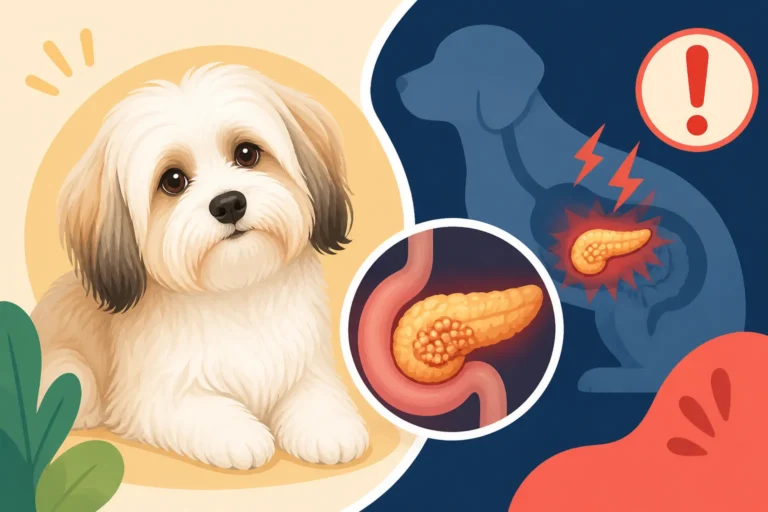
A portosystemic shunt (PSS) is essentially an abnormal blood vessel that connects the portal vein (which carries blood from the intestines, stomach, pancreas, and spleen to the liver) directly to the systemic circulation, bypassing the liver entirely. Imagine a detour in a highway system where all the traffic meant for the "filtration plant" (the liver) is instead diverted straight into the main city (the rest of the body). This is exactly what happens with a shunt. Most commonly in Havanese, we see congenital shunts, meaning they're present from birth. These are usually single, extrahepatic shunts, located outside the liver. In rarer cases, shunts can be acquired later in life, often due to severe liver disease that causes high blood pressure in the portal vein, forcing new, abnormal vessels to form. However, congenital shunts are the primary concern for a Havanese puppy. You can learn more about What a Congenital Liver Shunt Does to a Havanese to better grasp the impact.
Normally, the liver acts as the body's primary detoxification organ, metabolizing nutrients, producing essential proteins, and, most importantly, removing waste products and toxins, like ammonia, that are absorbed from the gut. When blood bypasses the liver through a shunt, these toxins accumulate in the bloodstream, reaching organs they shouldn't, including the brain. This buildup is what leads to the myriad of symptoms associated with a liver shunt, making it a critical health issue that needs prompt attention.
How Liver Shunts Lead to Neurological Issues
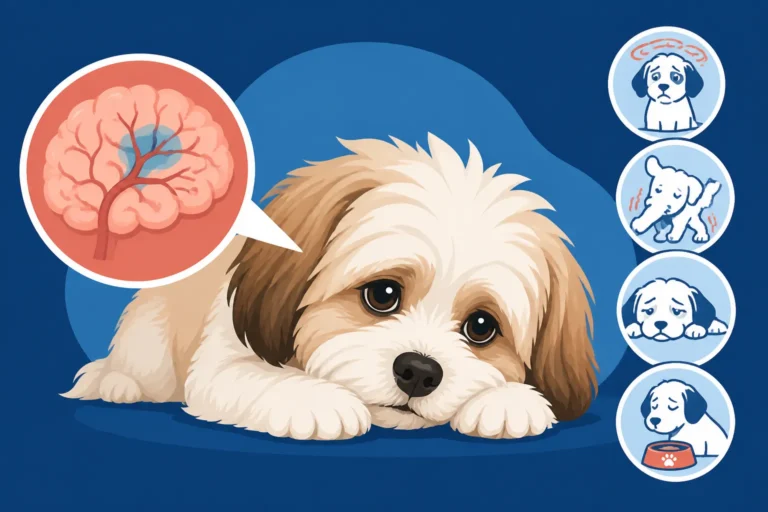
The accumulation of toxins in the bloodstream, particularly ammonia, is the direct cause of neurological issues in Havanese with liver shunts. This condition is often referred to as hepatic encephalopathy. Ammonia is a byproduct of protein digestion, and normally, the liver converts it into urea, which is then excreted by the kidneys. When the liver is bypassed, ammonia levels in the blood skyrocket, crossing the blood-brain barrier and disrupting normal brain function. It’s like a toxic fog descending on your dog's brain.
This toxic environment can manifest in a wide range of neurological signs. Early on, you might notice subtle changes in behavior or mental dullness. As the condition progresses, these signs can become more pronounced and alarming. The brain, overwhelmed by toxins, begins to malfunction, leading to a cascade of neurological symptoms that can be quite distressing to witness in your beloved Havanese. These can unfortunately escalate to more severe episodes, which brings us to the very real possibility of seizures.
Common Signs Beyond Seizures
While seizures are a grave concern, many Havanese with liver shunts will show other symptoms before or alongside seizure activity. It’s important to be vigilant for these early indicators. Often, affected puppies may be noticeably smaller or fail to thrive compared to their littermates, a telltale sign that their bodies aren't processing nutrients properly. You might find yourself asking Whether a Havanese Puppy With a Shunt Is Small. Beyond size, lethargy and a general lack of energy are common. Your normally playful Havanese might seem unusually tired, listless, or uninterested in activities they once loved.
Gastrointestinal upset, such as vomiting or diarrhea, can also occur due to the imbalance of toxins and poor nutrient absorption. Some dogs may exhibit Pica, which is the urge to eat non-food items, or have excessive thirst and urination. More specific neurological signs include behavioral changes like confusion, circling, head pressing against walls or furniture, aimless wandering, or even temporary blindness. These are all indicators that toxins are affecting brain function. You might notice Whether a Havanese Circles or Presses Its Head, which is a significant warning sign. Catching these early signs is absolutely critical, as prompt diagnosis and treatment can significantly improve your Havanese's prognosis. For a detailed list of what to look out for, check out The Signs a Havanese Puppy Has a Shunt.
The Direct Link Between Shunts and Seizures
Witnessing your Havanese have a seizure is one of the most frightening experiences a pet owner can endure. When a liver shunt is involved, these seizures are not random events; they are a direct consequence of the body's inability to cleanse itself, leading to severe brain dysfunction.
Why Seizures Occur with a Liver Shunt
The mechanism behind shunt-induced seizures primarily revolves around the severe ammonia toxicity mentioned earlier. When ammonia and other metabolic waste products aren't filtered by the liver, they build up in the bloodstream and wreak havoc on the brain's delicate balance. Specifically, high levels of ammonia can interfere with neurotransmitter function, which are the chemical messengers that allow brain cells to communicate. This disruption can lead to an over-excitation of neurons, essentially causing them to fire uncontrollably, resulting in a seizure. Think of it like a short circuit in the brain's electrical system, triggered by the toxic environment.
Furthermore, other toxins and metabolic abnormalities associated with hepatic encephalopathy can contribute to seizure activity. For instance, imbalances in amino acids, alterations in blood pH, and even changes in energy metabolism within brain cells can all lower the seizure threshold. This means the brain becomes more susceptible to uncontrolled electrical activity. It's not just one factor, but a complex interplay of systemic toxicity that pushes the brain into a state where seizures become an unfortunate and dangerous symptom of a serious underlying condition.
Recognizing a Seizure in Your Havanese
Knowing what a seizure looks like can help you react appropriately and provide crucial information to your veterinarian. Seizures in Havanese can vary widely, from subtle focal episodes to dramatic grand mal seizures. A grand mal or generalized seizure typically involves a loss of consciousness, uncontrolled muscle twitching or paddling of the limbs, drooling, vocalization, and sometimes involuntary urination or defecation. Your Havanese might fall to its side, become stiff, and then experience rhythmic jerking movements. These episodes can last from a few seconds to several minutes.
Focal or partial seizures might be less obvious. They can involve localized twitching of a specific body part, like a facial muscle, a limb, or even just eye blinking. Your Havanese might appear disoriented, stare blankly, snap at imaginary flies, or display unusual, repetitive behaviors. There's also a "pre-ictal" phase, where your dog might seem anxious, clingy, or confused before a seizure, and a "post-ictal" phase immediately afterward. During the post-ictal phase, which can last minutes to hours, your Havanese might be disoriented, temporarily blind, wobbly, extremely tired, or even ravenously hungry. Observing and accurately describing these phases is immensely helpful for your vet in diagnosing the cause.
Immediate Steps During a Seizure
When your Havanese is actively seizing, it's natural to panic, but staying calm is paramount for their safety and your ability to help. First and foremost, ensure your dog is in a safe location. Move any furniture or objects they might hit, and clear the area around them. Do not try to hold their tongue or put your hands near their mouth, as you could be bitten inadvertently. The most important thing is to prevent injury. Lay a blanket or towel under their head if they are on a hard surface.
Time the seizure from start to finish. This information is vital for your veterinarian. Note down any specific behaviors you observe, whether it's full-body convulsions, paddling, drooling, or vocalizations. Once the seizure passes, your Havanese will likely enter the post-ictal phase, characterized by confusion and disorientation. Speak to them gently, reassuringly, and allow them space to recover. Keep them warm and quiet. Contact your veterinarian immediately after the seizure, even if it seems mild or your dog appears to recover quickly. A single seizure, especially if suspected to be shunt-related, warrants urgent veterinary attention.
Diagnosing and Managing a Shunt-Induced Seizure
If your Havanese has experienced a seizure or shows other concerning symptoms, getting an accurate diagnosis is the first crucial step. Prompt and thorough investigation is key to determining if a liver shunt is the culprit and initiating appropriate treatment.
Diagnostic Process for Liver Shunts
Diagnosing a liver shunt typically involves a combination of blood tests and advanced imaging. The initial suspicion often arises from routine blood work showing elevated liver enzymes or abnormal protein levels, though these are not definitive. A critical first step is usually a bile acid stimulation test. This test measures bile acid levels in the blood before and after a small meal. In a healthy dog, bile acids are efficiently reabsorbed by the liver after a meal, but with a shunt, they remain elevated in the systemic circulation. Another important blood test is measuring blood ammonia levels, as consistently high ammonia is a strong indicator of a shunt. However, ammonia levels can be tricky to interpret due to their instability. For more on testing, see Whether a Bile Acid Test Belongs on a Havanese Puppy.
If these blood tests suggest a shunt, the next step is typically imaging to confirm its presence and location. An abdominal ultrasound performed by an experienced sonographer can often visualize the shunt. However, for a definitive diagnosis and surgical planning, advanced imaging like a CT angiography is often recommended. This procedure involves injecting a contrast dye and taking detailed computed tomography scans to create a 3D map of the blood vessels, clearly showing the abnormal shunt. This precision is vital for the surgical team.
Medical Management to Control Symptoms
While surgery is often the definitive treatment for congenital shunts, medical management plays a vital role both before surgery and for dogs for whom surgery is not an option. The goal of medical therapy is to reduce the production and absorption of toxins, particularly ammonia, thereby mitigating the symptoms of hepatic encephalopathy and reducing the likelihood of seizures. Diet is a cornerstone of this approach. A prescription diet specifically formulated for liver disease, typically one that is lower in protein but provides high-quality, easily digestible protein, helps limit ammonia production. Brands like Hill's Prescription Diet l/d, Royal Canin Hepatic, or Purina Pro Plan Veterinary Diets Hepatic are often recommended by veterinarians.
Lactulose is another commonly prescribed medication. It works by reducing the absorption of ammonia from the intestines in two ways: it acidifies the colon, trapping ammonia so it can be excreted in feces, and it acts as a laxative, speeding up gut transit time. Oral antibiotics, such as metronidazole or amoxicillin, may also be used to decrease ammonia-producing bacteria in the gut. If seizures are frequent or severe, anti-seizure medications like phenobarbital or levetiracetam might be temporarily prescribed to control them while other medical treatments take effect or in preparation for surgery. Remember, these medications manage symptoms; they don't fix the shunt itself.
Surgical Intervention and Prognosis
For most Havanese with a single, congenital extrahepatic liver shunt, surgical correction is the preferred and most successful long-term treatment. The primary goal of surgery is to gradually or completely close the abnormal blood vessel, forcing blood to flow through the liver where it can be properly detoxified. This procedure is complex and typically performed by a board-certified veterinary surgeon. There are different techniques, including complete ligation (tying off the shunt) or gradual occlusion using an ameroid constrictor or cellophane banding. An ameroid constrictor is a case that's placed around the shunt; it slowly swells over several weeks or months, progressively closing the vessel and allowing the liver to adapt to the increased blood flow.
The prognosis following successful surgery is generally good to excellent, especially if the shunt is closed completely and without complications. Many Havanese can go on to live normal, healthy lives with no further neurological symptoms. However, it's not without risks. Complications can include portal hypertension (high blood pressure in the portal vein) if the shunt is closed too quickly, which can be life-threatening. Post-operative monitoring is crucial. Some dogs may still require dietary management or medication long-term, especially if there were residual shunting or other liver damage. Understanding Whether a Havanese Shunt Can Be Repaired and Whether a Havanese Lives Normally After Shunt Surgery can provide more specific insights.
Long-Term Outlook and Support for Havanese with Shunts
Receiving a diagnosis of a liver shunt, especially after a seizure, is daunting. However, with proper care, many Havanese can lead fulfilling lives. The journey doesn't end with diagnosis or even surgery; it's an ongoing commitment to their well-being.
Living with a Havanese After Shunt Diagnosis
Whether your Havanese undergoes surgery or is managed medically, living with a shunt requires diligent ongoing care. This means strict adherence to dietary recommendations, which often involves a specialized, lower-protein diet to minimize ammonia production. It's not always easy, especially if your Havanese is a picky eater, but consistency is key. Medication, such as lactulose and sometimes antibiotics, will likely be a permanent part of their routine to manage toxin levels. Regular veterinary check-ups, including repeat bile acid tests and blood work, are essential to monitor their progress and adjust treatment as needed.
It's also important to be observant of any changes in your Havanese's behavior or health. Keep a log of any subtle neurological signs, changes in appetite, or energy levels. Promptly report any concerns to your vet. While the fear of another seizure might linger, understanding your dog's condition and actively managing it empowers you to provide the best possible quality of life. Many Havanese, even those with residual shunting, can thrive with a committed owner and veterinary team.
The Importance of Early Detection and Support
Early detection cannot be stressed enough when it comes to liver shunts. The younger a Havanese puppy is when the shunt is diagnosed and treated, the better the chances of a full recovery with minimal long-term complications. Breeders who are conscientious will often perform health screenings, including bile acid tests, on puppies before they go to their new homes. This proactive approach significantly increases the likelihood of catching the condition early, often before severe symptoms like seizures even begin. As potential owners, it's wise to ask breeders about these health tests, especially given How Common Liver Shunts Are in Havanese and The Age a Havanese Shunt Shows Up. Responsible breeders often have their Havanese parents screened and can provide documentation, such as Whether a Havanese Breeder Should Bile Acid Test.
If you've adopted a Havanese puppy and notice any of the aforementioned symptoms – lethargy, poor growth, circling, or unusual behavior – don't delay in seeking veterinary advice. Early intervention can prevent irreversible brain damage and improve the success rate of surgical correction. Surrounding yourself with a supportive veterinary team, possibly even specialists in internal medicine or surgery, will make a world of difference in navigating this complex condition.
Financial Considerations and Pet Insurance
Let's be realistic: diagnosing and treating a liver shunt in a Havanese can be financially demanding. Diagnostic tests like bile acid assays, ammonia level checks, ultrasounds, and especially advanced imaging like CT angiography can quickly add up. Then, if surgery is recommended, the cost of the procedure itself, including anesthesia, surgical fees, hospitalization, and post-operative care, can be substantial. For example, What Shunt Surgery Costs a Havanese Owner can easily run into thousands of dollars. Ongoing medical management with prescription diets and lifelong medications also represents a considerable, continuous expense.
This is where pet insurance can be an absolute lifesaver. Investing in a comprehensive pet insurance plan, like one from Healthy Paws, when your Havanese is a young puppy and before any pre-existing conditions are diagnosed, can provide crucial financial relief. A good policy can cover a significant portion of diagnostic tests, emergency care, surgical costs, and even ongoing medication. Without it, owners often face heartbreaking decisions based on financial constraints. Be sure to research different plans and understand what they cover, especially regarding congenital conditions and specialist care, because planning ahead can make all the difference in providing your Havanese with the best possible care without undue financial stress.
| Diagnostic Test | Purpose | Typical Cost Range (USD) | Remarks |
|---|---|---|---|
| Bile Acid Stimulation Test | Screens for liver function impairment | $150 – $300 | Often the first indicator of a shunt. |
| Blood Ammonia Levels | Measures ammonia, a key neurotoxin | $100 – $250 | Must be handled carefully for accurate results. |
| Abdominal Ultrasound | Visualizes liver, gallbladder, and vessels | $300 – $700 | Can often identify shunt location by experienced sonographer. |
| CT Angiography | Definitive imaging for shunt location and type | $1,500 – $3,000+ | Best for surgical planning, often requires referral. |
| Urinalysis/Blood Work | General health screening, can show related issues | $100 – $200 | Rule out other conditions, assess overall health. |
Disclaimer
The information provided in this article is for educational and informational purposes only and does not constitute medical advice. Always consult with a qualified veterinarian for any health concerns or before making any decisions about your Havanese's care.