Whether a Groomer Refuses a Pelted Havanese
Oh, the dreaded "pelted" coat. As a Havanese owner, you know the exquisite beauty of their long, flowing hair, but you also know how quickly it can turn into a nightmare if neglected. It's a heartbreaking situation to find your beloved companion's soft coat transformed into a solid, unyielding mat, and the thought of taking them to a groomer brings a wave of anxiety: will they even touch them? This guide is here to shed light on exactly why a groomer might refuse a severely matted, or pelted, Havanese, what their options are, and most importantly, how to prevent this painful situation from happening in the first place.
Understanding What "Pelted" Really Means for Your Havanese
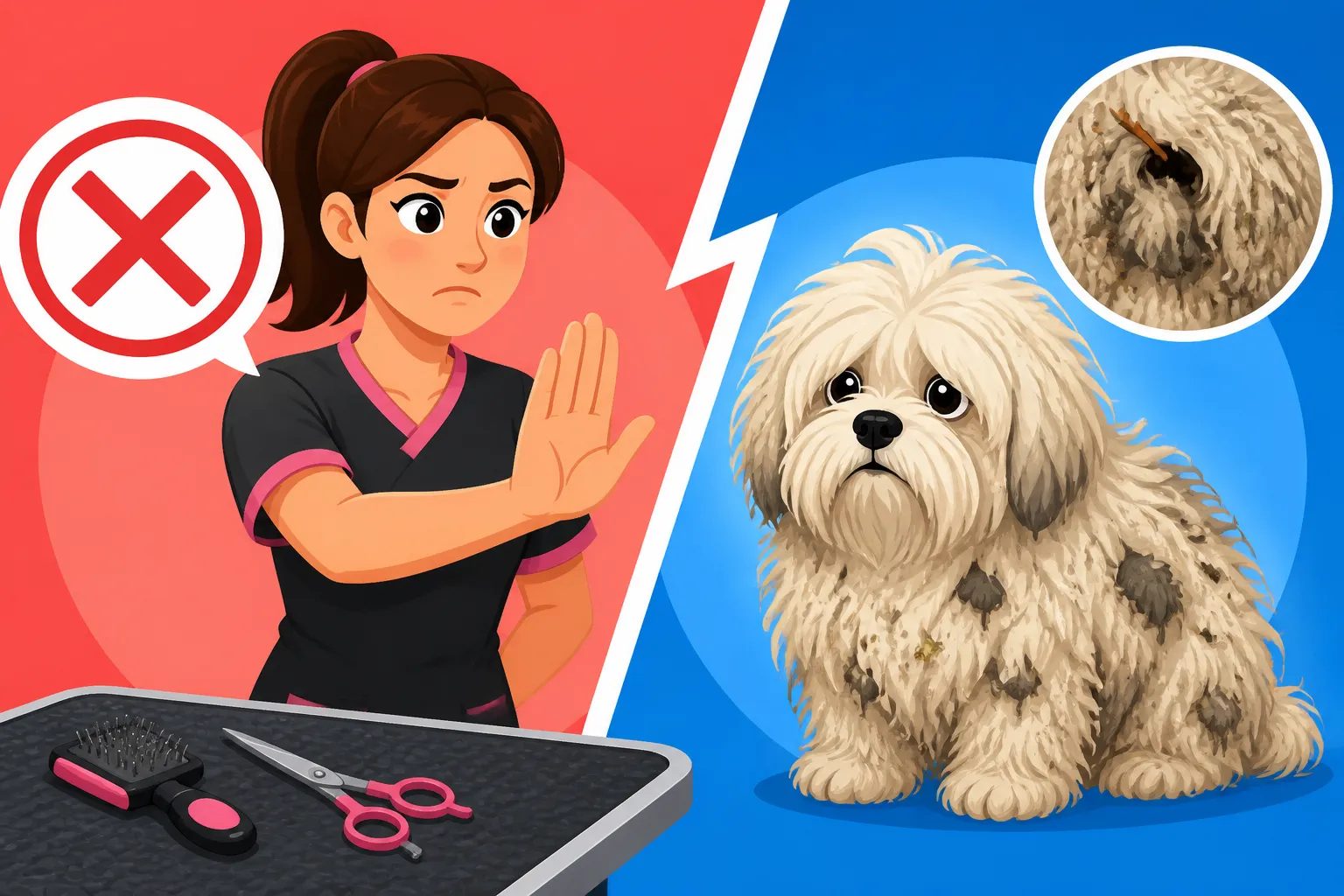
When we talk about a Havanese being "pelted," we're not just talking about a few tangles or small mats. This is a severe, widespread matting where the dog's coat has become one dense, felt-like layer, often tightly against the skin. Imagine a sheep's fleece that has never been shorn, but instead of wool, it's fine, silky Havanese hair. It forms a hard, impenetrable shell, making it impossible to get a comb or even your fingers through.
This isn't just an aesthetic issue; it's a serious health and welfare concern for your dog. A pelted coat restricts movement, pulls on the skin, and can cause immense pain and discomfort. Every step, every stretch, becomes agony as the skin is constantly tugged. Underneath this dense mat, the skin cannot breathe, creating a dark, moist environment ripe for infection. You might find inflamed skin, yeast infections, hot spots, or even parasites like fleas and ticks hidden away, thriving in the protected environment. These mats can also hide wounds or skin irritations that go unnoticed for extended periods, leading to festering problems.
Moreover, the sheer weight of a pelted coat can be uncomfortable, especially for a small breed like the Havanese. It can affect their balance and gait, making them less inclined to move and play. Think about the joy your Havanese finds in their springy gait; a pelted coat can rob them of that. For puppies, the transition from their soft puppy fluff to the adult coat around eight months is a critical time when matting can really take hold if regular grooming isn't established. This is a period where many owners observe their Havanese suddenly starts matting seemingly overnight. For older Havanese, particularly those with arthritis or other mobility issues, grooming can become difficult, leading to quicker mat formation if owners aren't diligent or can't manage the physical demands of brushing. Caring for a Havanese Past Twelve, for example, often involves adjusting grooming routines.
It's a distressing condition that often arises from a combination of factors: infrequent brushing, baths without proper drying and combing, or simply misunderstanding the intense grooming needs of a Havanese's silky double coat. The truth is, the Havanese requires diligent care to keep its coat in good condition, and skipping days of brushing can quickly lead to a full-blown matting crisis.
The Ethical Dilemma: Why Groomers May Refuse to Dematt a Pelted Havanese
When a Havanese arrives at a grooming salon with a severely pelted coat, the groomer faces a significant ethical and practical challenge. It's not about being unhelpful or unwilling; it's about the dog's welfare, the safety of both the dog and the groomer, and the reality of what can be achieved without causing undue pain.
Firstly, attempting to brush out or "dematt" a pelted Havanese is almost universally considered inhumane. This isn't just about small tangles; it's a solid mass. Trying to pull apart a pelted coat causes extreme pain as the hair is fused directly to the skin, essentially tearing at the dog's delicate dermal layer. Imagine someone pulling all the hairs on your head at once, continuously, for an extended period – it's excruciating. A responsible groomer's primary concern is always the dog's comfort and safety. Many professional grooming organizations and ethical guidelines explicitly state that dematting severely matted coats is unacceptable due to the distress it causes.
Secondly, the process itself is incredibly dangerous for the dog. When clippers go through a pelted coat, the skin underneath is often stretched taut, thin, and uneven due to the mats pulling in different directions. This makes it incredibly easy to accidentally cut or nick the skin with the clipper blade. These cuts can be superficial or deep, requiring veterinary attention. The groomer is often navigating blind, unable to see the skin they are cutting against. Furthermore, the heat generated by clippers can quickly burn a dog's skin, especially when working slowly through dense mats. The stress and pain can also cause a dog to lash out, making the process dangerous for the groomer, who could be bitten or scratched.
Thirdly, the time and cost involved in attempting to dematt a pelted coat are prohibitive. What might seem like a simple brush-out to an owner can take hours of agonizing work, if even possible, and the cost would be astronomical, often surpassing the cost of what a full Havanese groom typically runs. Even then, the result would likely be a patchy, damaged coat and a traumatized dog. Most groomers understand that this is not a viable or kind solution.
Because of these critical welfare, safety, and practical concerns, many groomers will outright refuse to attempt dematting a pelted coat. Instead, their professional obligation is to recommend the most humane course of action, which almost always involves shaving the coat off entirely. They understand the emotional attachment owners have to their Havanese's beautiful coat, but the dog's well-being must come first. They might explain that attempting to brush it out could require sedation, and even then, the risk of injury is high.
It's a tough conversation, but it comes from a place of care. Groomers are dedicated to making dogs look and feel good, and when faced with a pelted Havanese, "making them feel good" means relieving them of that painful burden, even if it means a drastic haircut.
The Groomer's Approach: Shaving Down and Discussing Aftercare for a Pelted Coat
When a groomer determines that a Havanese is indeed pelted, their compassionate approach is almost always to recommend a complete shave-down. This isn't a punitive measure or a reflection on the owner; it's the kindest, safest, and most effective way to relieve the dog from the pain and discomfort of severe matting.
The shave-down process involves using a very short clipper blade, often a veterinary-grade blade that gets as close to the skin as possible, to go underneath the mats. This technique effectively separates the matted hair from the skin without pulling or tearing. It's a delicate and time-consuming procedure, as the groomer must work slowly and carefully to avoid cutting the fragile, often irritated skin hidden beneath the dense pelt. They might take frequent breaks to check the dog's skin for irritation and ensure they aren't overheating. In some extreme cases, a veterinarian might even be involved, offering mild sedation to reduce stress and pain during the shave-down, especially if the dog is particularly anxious or in severe pain.
After the shave-down, the change in your Havanese will be dramatic. Their beautiful long coat will be gone, replaced by very short fuzz. While this can be a shock for owners, the relief for the dog is almost immediate and profound. You'll likely see a happier, more energetic dog that can move freely, without the constant tugging and pulling.
However, the journey doesn't end with the shave-down. The skin underneath a pelted coat is often in poor condition. Expect to see:
- Irritation and Redness: The skin may be red, inflamed, or bumpy from being trapped, pulled, and lacking air circulation.
- Wounds or Sores: Mats can hide open sores, cuts, or hot spots that were inaccessible before.
- Infections: Bacterial or yeast infections are common due to the moist, unventilated environment. Your groomer might recommend a special medicated shampoo to help soothe the skin, or they may suggest a vet visit if the skin condition is severe.
- Hematomas: If the ears were heavily matted, a small pocket of blood called a hematoma can form after the mats are removed, as the sudden release of tension can cause blood vessels to break. This often requires veterinary attention.
The groomer will likely provide thorough aftercare instructions, which might include:
- Monitoring the Skin: Regularly checking for signs of infection, increased redness, or unusual lumps.
- Gentle Bathing: Using a mild, soothing shampoo, ensuring the skin is completely dry afterward.
- Veterinary Follow-Up: This is crucial. If the groomer finds any open wounds, severe infections, or other health concerns, they will strongly advise a vet visit. This is where pet insurance, like a plan from Healthy Paws, can be incredibly beneficial, helping to cover unexpected costs for skin treatments, antibiotics, or even addressing issues like Whether a Havanese Gets Itchy Skin.
- Preventative Grooming Plan: The groomer will also talk to you about a regular grooming schedule and how to prevent future matting. This usually involves frequent brushing at home and professional grooms every 4-6 weeks to maintain a manageable length. Brands like Chewy offer a wide range of grooming tools and shampoos to help you maintain your Havanese's coat at home, from slicker brushes to detangling sprays.
| Post-Shave-Down Care Item | Description | Why it's Important |
|---|---|---|
| Skin Examination | Daily check for redness, bumps, cuts, or discharge. | Early detection of infections or hidden injuries. |
| Gentle Baths | Use veterinarian-recommended or hypoallergenic shampoos. Ensure thorough drying. | Soothes irritated skin, removes debris, prevents new issues. |
| Moisturizing | Consult vet or groomer about skin-safe moisturizers or conditioners. | Helps dry, flaky skin heal and regain elasticity. |
| Warmth & Protection | A sweater in cooler weather, sun protection in summer. | Shaved skin is exposed to elements, can get cold or sunburned. |
| Restricted Activity | Avoid rough play that might irritate sensitive skin. | Allows skin to heal without additional trauma. |
| Veterinary Check | Essential for deep wounds, severe infections, or any concerns. | Professional diagnosis and treatment for serious issues. |
| Consistent Grooming | Begin gentle brushing as new hair grows, regular professional appointments. | Prevents recurrence of matting, establishes healthy coat habits. |
Remember, this isn't just a haircut; it's often a medical necessity. The groomer is acting in your Havanese's best interest, prioritizing their comfort and health above all else.
Preventing the Pelting Predicament: Keeping Your Havanese Mat-Free
The best way to deal with a pelted Havanese is to prevent it from ever happening. While it might seem daunting, establishing a consistent grooming routine from puppyhood can save you and your Havanese a lot of stress, pain, and expense down the road. The beautiful Havanese coat, whether kept long or in a manageable puppy cut, requires dedication.
Daily Brushing is Non-Negotiable
This is the golden rule for Havanese owners. Their silky, often wavy double coat is prone to matting, and even a few days without brushing can lead to significant tangles. You might be wondering How Often a Havanese Must Be Brushed, and the answer, for a long coat, is usually daily. For a shorter puppy cut, every other day might suffice, but daily is ideal.
- Tools: Invest in good quality grooming tools. A slicker brush, a metal comb (with both wide and fine teeth), and a good detangling spray are your allies. Brands found on platforms like Chewy offer excellent options.
- Technique: Don't just brush the top layer! You need to "line brush," which means parting the hair and brushing in sections, from the skin out. This ensures you're getting through the entire coat and catching mats before they tighten. Pay special attention to "hot spots" for matting: behind the ears, armpits, between the legs, and under the tail.
- Making it Positive: Start grooming early with your Havanese puppy. Make it a positive experience with treats and praise. Short, frequent sessions are better than long, dreaded ones. Teach them to stand or lie still for grooming, even using special grooming tables if you want to get serious about home care.
Regular Professional Grooming Appointments
Even if you're a diligent home groomer, regular visits to a professional groomer are essential. They have the expertise, tools, and experience to keep your Havanese's coat in tip-top condition.
- Frequency: Most Havanese benefit from professional grooming every 4-6 weeks. This allows the groomer to trim the coat, clean ears, express glands, and address any minor matting that might be developing. For Havanese owners interested in cording, that's a whole different commitment, and What Cording a Havanese Costs to Maintain can be substantial.
- The Puppy Cut: Many owners opt for a shorter "puppy cut" on their Havanese. This doesn't eliminate the need for brushing, but it certainly makes it more manageable and extends the time between major matting events. Whether a Shorter Clip Cuts a Havanese's Bill is definitely true in the long run if it prevents severe matting.
- Building a Relationship: Find a groomer you trust and stick with them. They'll get to know your Havanese's coat type and temperament, making grooming a more comfortable experience for your dog. If your Havanese fights a brush, a good groomer can offer tips or help slowly desensitize them.
Lifestyle Adjustments and Awareness
Your Havanese's daily life can also impact their coat health.
- Collars and Harnesses: Ensure collars and harnesses fit well and aren't left on for extended periods, especially if they rub on the coat. Constant friction can create mats. Consider a harness that sits gently on the chest rather than chafing armpits.
- Baths: While essential, bathing a Havanese without thoroughly brushing and then blow-drying the coat completely can cause mats to tighten and worsen. Always comb through thoroughly before the bath, and then again while drying and after. A force dryer can be a game-changer for getting a Havanese completely dry.
- Weather and Play: Rain, snow, and rough play in grassy or muddy areas can quickly lead to tangles. Always check your Havanese's coat after outdoor adventures.
- Diet and Health: A healthy coat often reflects a healthy dog. A balanced diet, perhaps even high-quality fresh food like Ollie offers, can contribute to skin and coat health. Also, address any underlying health issues, like skin allergies, that could make the coat more prone to matting. Sometimes, skin trouble under a Havanese coat can make grooming a painful experience, leading to neglect.
Preventing a pelted coat is an ongoing commitment, but it's one of the most loving things you can do for your Havanese. A well-groomed Havanese is a comfortable, happy Havanese, free to enjoy their playful, affectionate nature without the burden of a painful, neglected coat.
Disclaimer
This article is for general informational purposes only and does not constitute professional advice. Laws, prices and regulations vary by location and change over time. Consult a qualified professional for guidance on your specific situation.