What a Sanitary Trim Costs on a Havanese
It can be incredibly frustrating to find yourself needing a seemingly small grooming service for your beloved Havanese, only to wonder what the true cost will be. You just want your little cloud of joy to be clean and comfortable, and figuring out the pricing for something as specific as a sanitary trim can feel like a guessing game. This guide is here to demystify the cost of a sanitary trim for your Havanese, exploring what it entails, why it's essential, and how you can manage these grooming expenses.
Understanding the "Sanitary Trim" for Your Havanese
When we talk about a sanitary trim for a Havanese, we're focusing on a very specific, yet incredibly important, aspect of their overall hygiene. It's not just about aesthetics; it’s about preventing discomfort, infections, and maintaining a healthy living environment for your furry family member. Many new Havanese owners, especially those not familiar with long-coated breeds, might overlook this crucial maintenance task until a problem arises.
What Areas Are Included in a Sanitary Trim?
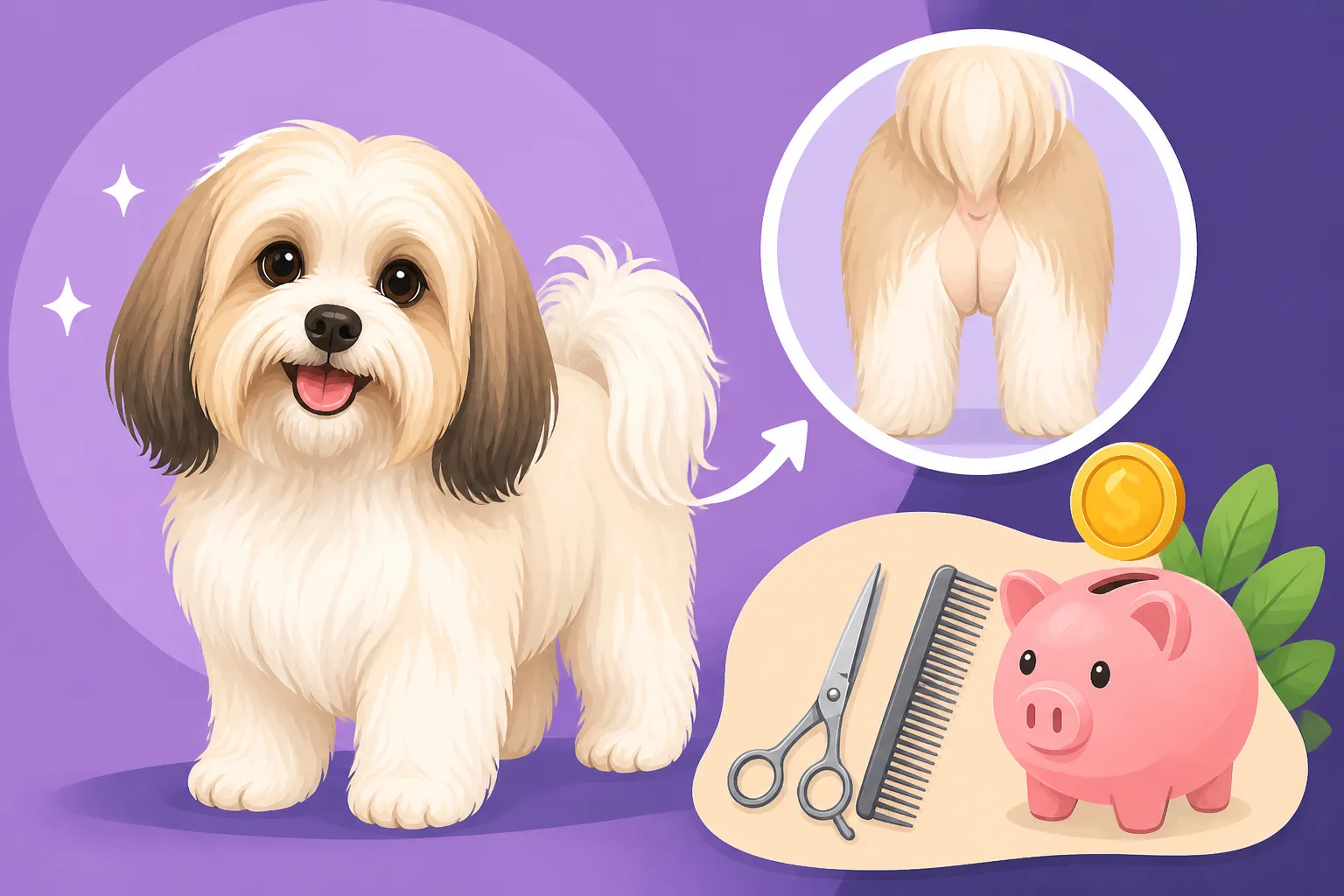
A sanitary trim primarily involves carefully trimming the hair around three key areas: the anus, the genitals, and often the belly, particularly around the urethra and sometimes between the rear legs. For female Havanese, this keeps the vulva area clean. For males, it keeps the penile sheath free from debris and urine staining. The goal is to remove any excess hair that could become soiled with urine or feces, leading to matting, odor, skin irritation, or even infections. Think of it as creating a neat, short patch of hair in these sensitive zones, allowing for easy cleaning and preventing anything from sticking. It’s a delicate job, requiring precision and a calm hand, as these areas are, understandably, quite sensitive for your dog.
Why Your Havanese Needs Regular Sanitary Trims
The long, flowing coat that makes our Havanese so beautiful can also be a magnet for mess, especially in the sanitary region. Without regular trimming, urine can cling to the belly and leg hair, leading to staining, irritation, and a persistent odor that no one wants in their home. More critically, feces can get caught in the anal hair, creating painful mats that pull on the skin and can even block normal defecation. This isn't just unpleasant; it's a serious health concern. These mats can trap moisture and bacteria, leading to skin infections, yeast overgrowth, and discomfort that can make your Havanese hesitant to go to the bathroom. Regular sanitary trims are a preventative measure, ensuring cleanliness, comfort, and good health for your Havanese, and they complement other vital grooming tasks like regular brushing and bathing. It's truly a fundamental part of Caring for a Havanese Past Twelve and every stage of their life.
The Difference Between a Sanitary Trim and a Full Groom
It's easy to get these terms mixed up, especially if you're new to dog grooming or the Havanese breed specifically. A full groom for a Havanese is a comprehensive service that typically includes a thorough bath, blow-dry, ear cleaning, nail trim, and a complete haircut or style for the entire body, often reflecting What a Puppy Cut Costs on a Havanese or other popular clips. It's an all-encompassing spa day for your pup. A sanitary trim, on the other hand, is much more targeted. It's just one small, yet vital, component that might be included within a full groom. When requested as a standalone service, it focuses solely on those specific hygiene areas. While a full groom might take an hour or more and involve significant styling, a sanitary trim is usually a quicker service, often taking only 15-30 minutes, depending on the dog's cooperation and coat condition. Understanding this distinction is key to navigating grooming costs and expectations.
Factors Influencing the Cost of a Sanitary Trim
The price you'll pay for a sanitary trim on your Havanese can vary quite a bit, much like the cost of a good cup of coffee changes from one city to another. It's not a one-size-fits-all scenario, and several elements come into play that influence the final figure. Knowing what these factors are can help you understand why prices differ and what to expect when you contact a groomer.
Professional Groomer vs. DIY: A Cost Comparison
The most significant factor in the cost discussion is whether you opt for a professional groomer or decide to tackle the task yourself at home.
- Professional Groomer: Taking your Havanese to a professional groomer for a sanitary trim offers convenience and expertise. These individuals have specialized tools, training, and experience dealing with dogs of all temperaments, including those who might be a bit squirmy or sensitive about having their private areas handled. They can get the job done efficiently and safely, minimizing the risk of nicks or irritation. The cost here covers their time, skill, equipment, and the overhead of their business. While it's a direct expense, it saves you time, effort, and potential stress, especially if you're not confident with clippers or scissors. For many, the peace of mind that comes from a professional handling these delicate tasks is well worth the investment.
- DIY at Home: Learning to do a sanitary trim yourself is certainly an option that saves on recurring professional fees. However, it requires an upfront investment in tools and your own time and effort. You'll need good quality clippers, scissors with blunt tips for safety, and perhaps a grooming table to make the process easier and safer for both you and your Havanese. The initial cost for these tools can range, but once you have them, the "cost" per trim becomes negligible. This is where stores like Chewy can be a great resource for finding reliable grooming supplies. Many owners find that mastering basic grooming at home, including Whether Learning to Groom a Havanese Yourself Pays Off, can be very rewarding, but it does demand patience and a willingness to learn. You might also want to consult resources on What Clippers Cost a Havanese Owner before diving in.
Geographical Location and Salon Type
Just like real estate, grooming prices are heavily influenced by location. A sanitary trim in a bustling metropolitan area, such as Los Angeles or New York City, will almost certainly cost more than the same service in a smaller town or rural community. The cost of living and doing business, including rent and wages, directly impacts what groomers need to charge to keep their doors open.
Beyond geography, the type of grooming establishment also plays a role:
- Boutique or High-End Salons: These often offer a more luxurious experience, personalized attention, and a range of premium products. Their prices will naturally be at the higher end of the spectrum for all services, including sanitary trims.
- Chain Pet Store Grooming Salons: Places like Petco or PetSmart often have standardized pricing and promotions. Their rates might be more moderate and predictable. They can be a good option for a straightforward service like a sanitary trim.
- Independent Groomers/Mobile Groomers: Independent groomers often set their own rates, which can vary widely. Some might be home-based, offering slightly lower prices due to less overhead. Mobile groomers, who come to your home, offer ultimate convenience but usually charge a premium for that door-to-door service.
It's always a good idea to call around to a few different groomers in your area to get a sense of their pricing and availability for a sanitary trim.
Your Havanese's Temperament and Coat Condition
Believe it or not, your Havanese's personality and the state of their coat can also affect the cost.
- Temperament: A Havanese that is calm, cooperative, and used to being handled will take less time to trim, and therefore, the cost will stick to the standard rate. However, if your Havanese is anxious, squirmy, or prone to nipping, the groomer will need more time, patience, and potentially an extra pair of hands to ensure safety. This extended time and increased difficulty might result in an additional charge, sometimes referred to as a "difficult dog fee." It's not meant to be punitive, but rather to compensate the groomer for the extra effort and risk involved. Early positive experiences with handling can help prevent this, as explored in Teaching a Havanese to Lie Still for Grooming.
- Coat Condition: While a sanitary trim focuses on short hair, if the surrounding areas are severely matted or dirty, the groomer may need to spend extra time carefully dematting or pre-washing the area before they can even begin the trim. Mats in these sensitive areas can be particularly painful to remove and make the job much harder and riskier. Some groomers might charge an additional "dematting fee" or a "dirty dog fee" if extra preparatory work is needed. This is why consistent home grooming, including knowing How Often a Havanese Must Be Brushed, is so important, even between professional appointments.
The Price Tag: What to Expect for a Sanitary Trim
Alright, let's talk numbers. When you're budgeting for your Havanese's care, it's helpful to have a realistic expectation of what a sanitary trim might set you back. While I can't give you exact figures (prices can be different from year to year, and vary wildly by region), I can certainly give you a clear picture of the typical pricing structures and ranges you'll encounter.
Average Cost Ranges for a Standalone Sanitary Trim
If you're opting for a standalone sanitary trim, meaning only the hygiene areas are being addressed without a full bath or haircut, you can generally expect this to be one of the more affordable professional grooming services. It's a quick, focused job.
In most professional grooming salons, a standalone sanitary trim usually falls into a lower price bracket. It’s often comparable to the cost of a nail trim or a quick face trim. You'll likely see prices that reflect the brief amount of time and targeted skill involved. However, remember the factors we just discussed: a larger, more elaborate salon in a high-cost-of-living area will naturally charge more than a smaller, independent groomer in a less expensive region. For instance, a groomer in a chic downtown area might price a standalone sanitary trim significantly higher than one operating out of a quiet suburban storefront. Always ask if they offer it as a separate service or if it's bundled.
How Sanitary Trims Are Priced Within a Full Groom Package
More often than not, a sanitary trim isn't an a la carte item but rather an included service within a broader grooming package. When you book your Havanese for a full bath and brush-out, or a complete haircut and style, the groomer will almost always perform a sanitary trim as part of that comprehensive service. They understand it's a fundamental part of maintaining a healthy, clean dog.
So, if you're already paying for What a Full Havanese Groom Costs, you typically won't see an extra line item for the sanitary trim. It's simply factored into the overall price of the complete grooming session. This is important to remember because if you're only looking for a sanitary trim, booking a full groom would be overkill and much more expensive than you need. Make sure to clarify with the groomer if you just need the sanitary areas addressed.
Hidden Costs or Add-ons to Be Aware Of
While a sanitary trim itself is fairly straightforward, there can sometimes be additional costs you might not anticipate. It's always best to ask for a full breakdown of services and potential extra fees when you book your appointment.
- Dematting Fees: As mentioned earlier, if your Havanese has severe matting around the sanitary area, or even in adjacent regions like the hindquarters or tail, the groomer might need extra time and specialized tools to carefully work them out. This can incur an additional charge. To avoid this, consistent brushing at home is key. The Havanese coat, being double and silky, can mat easily, especially during the coat change phase, which is why Why a Havanese Mats at Eight Months and Not Before is a common concern for owners.
- Behavioral Fees: If your Havanese is particularly anxious, fearful, or aggressive during the trim, requiring two groomers or extended time to complete the service safely, some salons may charge a handling fee. This is less common for a quick sanitary trim but can happen if your dog is particularly resistant to having those sensitive areas touched.
- Specialty Products: While not usually tied to a basic sanitary trim, some groomers might offer specialty shampoos or conditioners (e.g., for sensitive skin, excessive shedding, or brightening white coats) as an upsell, which would add to your total bill. For specific needs, remember that brands like Ollie focus on high-quality nutrition that supports overall health, including skin and coat, potentially reducing reliance on special grooming products.
- Tipping: While not a "hidden cost" per se, it's customary to tip your dog groomer, much like you would a human hairdresser. A standard tip is typically a percentage of the service cost, and this should be factored into your overall budget.
Saving Money and Maintaining Your Havanese's Hygiene Between Trims
Keeping your Havanese clean and comfortable doesn't have to break the bank, and there are plenty of strategies you can employ to manage costs and extend the time between professional grooming appointments. A little proactive care goes a long way, not just for your wallet, but for your dog's well-being too.
Learning to Do Basic Trims at Home
One of the most effective ways to save money on sanitary trims is to learn to do them yourself. It might seem daunting at first, but with the right tools and a bit of practice, it’s a skill many Havanese owners successfully master. This is especially true since a Havanese needs regular grooming, and learning how to handle routine tasks can significantly reduce your recurring expenses.
- Start Slow and Positive: Begin by simply familiarizing your Havanese with the clippers (even if they're off) and the sensation of being handled in those areas. Use lots of praise and treats.
- Invest in Good Tools: You don't need professional-grade equipment, but a decent pair of small, quiet clippers with a fine blade (like a #10 blade) and a pair of blunt-tipped grooming scissors for touch-ups are essential. Quality tools make the job easier and safer. You can find many options from retailers like Chewy.
- Watch Tutorials: There are countless online videos demonstrating how to perform a sanitary trim safely on long-haired breeds. Pay close attention to technique, especially how to hold the skin taut and protect sensitive areas.
- Practice Regularly: Don't wait until the hair is long and matted. Regular, quick touch-ups are much easier for both you and your Havanese than trying to tackle a big job. This also helps your dog get accustomed to the process.
- Seek Advice: If you have a good relationship with your professional groomer, they might be willing to offer a few pointers or demonstrate techniques you can use at home. Remember, while you're saving on costs, pet insurance like Healthy Paws won't cover routine grooming, but it's an excellent investment for unexpected health issues that can arise if grooming is neglected.
Essential Tools for Home Sanitary Trims
Having the right tools is half the battle when it comes to home grooming. Trying to use dull clippers or inappropriate scissors can be frustrating and even dangerous for your Havanese.
- Small, Quiet Clippers: Look for clippers designed for delicate work, often marketed for "face, feet, and sanitary." A cordless option offers more flexibility. A #10 blade is a common choice for sanitary areas as it leaves the hair very short but not completely bald, reducing the risk of razor burn.
- Blunt-Tipped Scissors: These are crucial for safely trimming around sensitive areas or for precision work where clippers might be too bulky. The blunt tips help prevent accidental pokes or cuts.
- A Fine-Tooth Comb: Before trimming, gently comb through the hair to ensure there are no tangles or mats. This makes the trimming process smoother and safer.
- Grooming Wipes or Cotton Balls with Dog-Safe Cleaner: For pre-cleaning if the area is soiled, or for post-trim cleanup.
- Styptic Powder: Keep this on hand just in case of a small nick. Even experienced groomers can have minor accidents, and styptic powder will quickly stop any bleeding.
- Treats and Praise: Never underestimate the power of positive reinforcement! Make it a pleasant experience for your Havanese.
The Role of Diet and Supplements in Coat Health
While not directly about the cost of a trim, the overall health of your Havanese's coat can impact how often and how easily you can maintain their hygiene, which indirectly affects your grooming budget. A healthy coat is less prone to excessive matting, shedding, and skin issues.
- High-Quality Diet: Feeding your Havanese a nutritionally balanced, high-quality diet is fundamental for healthy skin and coat. Look for foods with good sources of omega fatty acids (like salmon oil or flaxseed). Brands like Ollie, known for fresh, human-grade ingredients, can contribute significantly to a lustrous coat and healthy skin, making grooming tasks like brushing and trimming much easier. A good diet can also help with issues like Skin Trouble Under a Havanese Coat or Whether a Havanese Gets Itchy Skin.
- Supplements: If your Havanese struggles with dry skin, excessive shedding, or a dull coat, your veterinarian might recommend specific supplements like fish oil. While these are an added expense, they can improve coat condition over time, potentially reducing the frequency or difficulty of grooming tasks that arise from a poor coat.
- Hydration: Ensuring your Havanese always has access to fresh water is also critical for overall health, including skin and coat health.
By combining regular home care with professional trims when needed, and supporting their health through a great diet, you can ensure your Havanese stays happy, healthy, and hygienically maintained without unnecessary financial strain. Understanding Whether a Havanese Needs a Yearly Blood Panel and other health checks also factors into responsible pet ownership, as overall health influences coat condition.
Disclaimer
This article is for general informational purposes only and does not constitute professional advice. Laws, prices and regulations vary by location and change over time. Consult a qualified professional for guidance on your specific situation.