Whether a Havanese Gets Hypothyroidism
It’s incredibly distressing when you notice subtle changes in your beloved Havanese – a slight decrease in their usual bouncy energy, perhaps some unexplained weight gain, or a dullness to that gorgeous coat. Many Havanese owners worry about chronic health conditions, and thyroid issues are definitely on that list. This guide aims to thoroughly explore hypothyroidism in Havanese, helping you understand the symptoms, diagnosis, and management of this often-misunderstood condition.
Understanding Hypothyroidism in Havanese
Hypothyroidism is one of those medical terms that sounds complicated, but at its heart, it’s about a little gland in your dog's neck that isn't pulling its weight. For Havanese parents, knowing about this condition is crucial because while not exclusive to our fluffy companions, it can certainly affect them.
What Exactly is Hypothyroidism?
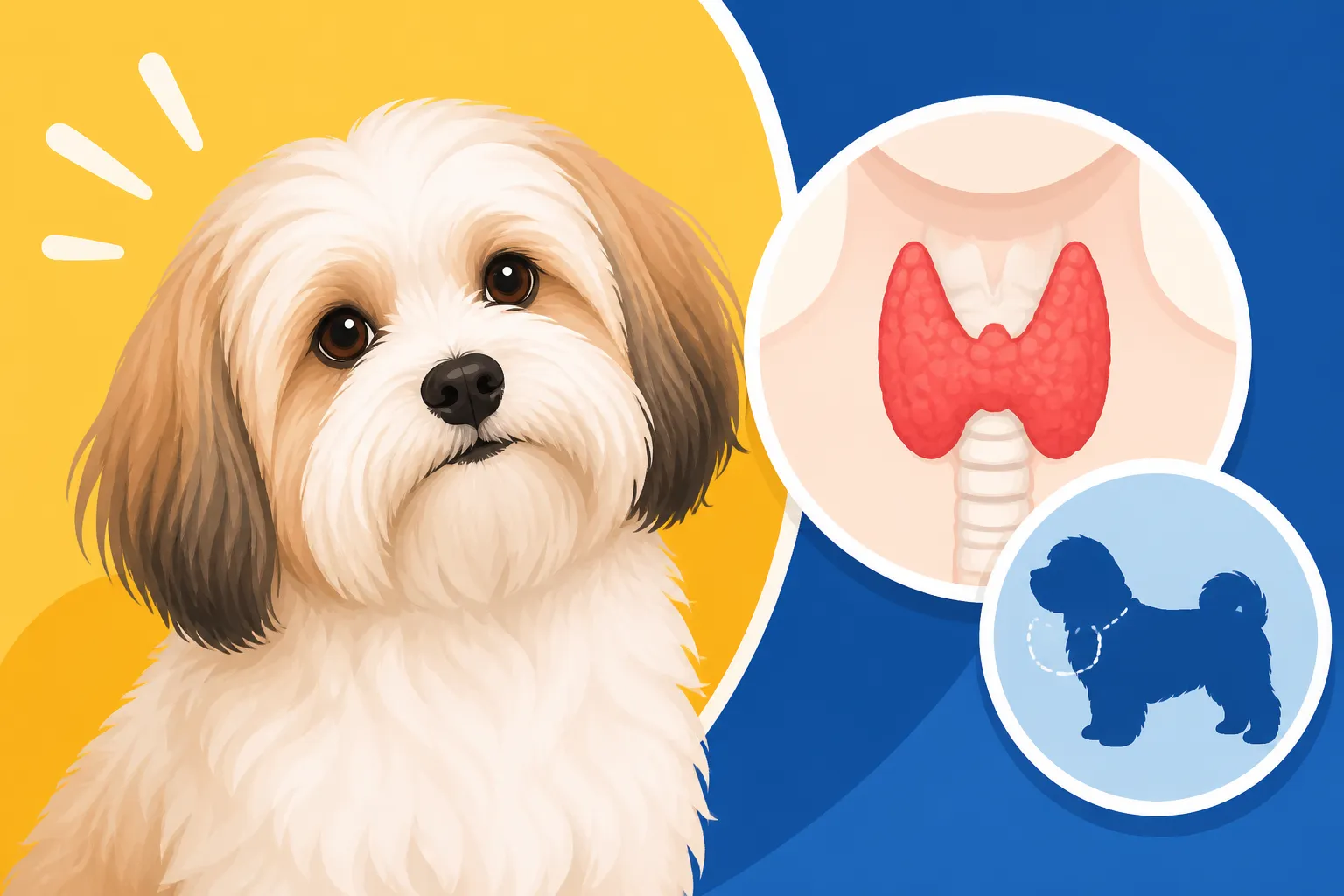
At its simplest, hypothyroidism means your Havanese's thyroid gland isn't producing enough thyroid hormones. Think of the thyroid as the body's master controller for metabolism. These hormones, primarily T3 and T4, regulate nearly every metabolic process in your dog’s body – from how fast their cells burn energy to how quickly their hair grows and even how alert their brain feels.
When this gland becomes underactive, these vital hormones dip below optimal levels. The body, in turn, slows down. This isn't usually an overnight change; it's often a gradual decline, which can make the initial signs frustratingly vague and easy to miss, especially in a breed known for its playful and energetic nature. The most common cause in dogs is autoimmune thyroiditis, where the dog's own immune system mistakenly attacks and destroys the thyroid gland tissue over time.
Why Some Havanese Are Prone
While hypothyroidism can affect any dog, some breeds do show a higher predisposition, and sadly, our delightful Havanese aren't entirely immune. Although they are generally considered a healthy breed with The Fourteen to Sixteen Years a Havanese Lives, genetic factors play a significant role. If hypothyroidism runs in a particular Havanese line, puppies from that line might be at a higher risk. It's not necessarily a direct inheritance like a simple Mendelian trait, but rather a complex genetic susceptibility.
Breeders committed to the health and longevity of their Havanese typically screen their breeding stock for various health concerns, including thyroid function. While there isn't a single definitive genetic test for autoimmune thyroiditis that predicts future disease with 100% certainty, careful monitoring of thyroid levels in breeding dogs can help reduce the incidence. It's a testament to responsible breeding efforts to ensure we continue to enjoy the vibrant personalities and good health of our Havanese for years to come. Knowing the lineage and asking your breeder about thyroid history is a wise step when considering a puppy.
Recognizing the Subtle Signs of a Slowing Thyroid
One of the biggest challenges with hypothyroidism is that its symptoms can mimic so many other conditions. Your Havanese might just seem "off," and you might attribute it to aging, a change in routine, or just a lazy day. However, persistent changes, particularly across several categories, should always warrant a discussion with your veterinarian.
Changes in Coat and Skin
The thyroid hormones are crucial for healthy skin and coat development, so it's often one of the first places you'll notice issues. You might start seeing a dull, dry, or brittle coat that lacks its usual luster and softness. For Havanese, whose luxurious coats are a hallmark, this can be particularly noticeable. Instead of that silky flow, the hair might feel coarse or straw-like.
Beyond dullness, you might observe excessive shedding or hair loss, particularly on the flanks, tail, and chest. Sometimes, the hair on the tail thins dramatically, leading to what owners sometimes call a "rat tail." The skin itself can become dry, flaky, or even thickened and darkened (hyperpigmentation), especially in areas of chronic rubbing. These changes can also make your Havanese more prone to secondary skin infections, which can manifest as redness, itchiness, or pustules, often leading to a visit to the vet for Skin Trouble Under a Havanese Coat. You might also find that any clipped areas, like for surgery or even just a puppy cut, take an unusually long time to grow back, or the new hair is sparse and thin.
Energy and Weight Shifts
Another common area where hypothyroidism makes its presence known is in your Havanese's energy levels and metabolism. If your normally zesty Havanese starts to seem more sluggish, preferring naps over playtime, that's a red flag. They might be less enthusiastic about walks or even their favorite games. This lethargy isn't just about being a little tired; it's a profound lack of energy that stems from a slowed metabolism.
Accompanying this decrease in activity, you might notice unexplained weight gain. This isn't due to overeating, but rather because their body isn't burning calories efficiently. Your Havanese might be eating the same amount of food – or even less – but still packing on the pounds. This can be frustrating for owners trying to keep their Havanese at a healthy weight, which is important for overall joint health. They might also become unusually intolerant to cold, seeking out warm spots more frequently, as their internal thermostat isn't functioning correctly. On top of physical changes, some owners report a subtle shift in their dog's mental acuity, appearing less alert or even a bit dull-witted.
Other Less Common Symptoms
While coat changes, lethargy, and weight gain are the most classic signs, hypothyroidism can manifest in other, less obvious ways. In some cases, it can affect the reproductive system, leading to infertility in breeding animals or irregular heat cycles in females. Neurological signs, though rare, can also occur, such as weakness, paralysis, or even seizures in severe, untreated cases.
You might also notice a change in your Havanese's facial expression, sometimes described as a "tragic" or "sad" look, due to swelling around the eyes and face (myxedema). There might also be a slow heart rate (bradycardia), though this is usually detected during a veterinary examination. It's important to differentiate these symptoms from other conditions. For example, while coat loss is a sign of hypothyroidism, it could also be due to Whether a Havanese Gets Cushing's or allergies. This is why a comprehensive diagnostic approach is so critical.
Getting a Proper Diagnosis for Your Havanese
Suspecting hypothyroidism is one thing; getting a definitive diagnosis can sometimes feel like solving a puzzle. It’s not always straightforward, and it requires careful consideration by your veterinarian.
The Importance of a Full Thyroid Panel
When you bring your Havanese to the vet with concerns about their thyroid, a simple T4 test might be the first step, but it’s rarely enough on its own. A full thyroid panel is essential for an accurate diagnosis. This panel typically includes total T4 (TT4), free T4 (fT4), and canine thyroid-stimulating hormone (cTSH). Sometimes, autoantibodies (Thyroglobulin Autoantibodies, or TgAA) are also measured.
Here's why each component matters:
- Total T4 (TT4): This measures the total amount of T4 hormone in the blood, both bound to proteins and unbound. It's a good initial screening tool, but it can be influenced by many non-thyroid illnesses or medications, leading to false low readings.
- Free T4 (fT4): This measures the unbound, biologically active form of T4. It's less affected by non-thyroidal factors and is considered a more accurate reflection of thyroid function.
- Canine TSH (cTSH): This hormone is produced by the pituitary gland to stimulate the thyroid. In primary hypothyroidism (the most common type), the pituitary tries to "tell" the underactive thyroid to produce more hormones, so TSH levels will be high.
- TgAA (Thyroglobulin Autoantibodies): The presence of these antibodies indicates that your dog's immune system is attacking its own thyroid gland, a strong indicator of autoimmune thyroiditis, which is the most common cause of hypothyroidism in dogs.
An ideal hypothyroid profile would show a low fT4 with a high cTSH. If you're utilizing pet insurance like Healthy Paws, make sure to understand what diagnostic tests are covered, as thorough testing can become costly.
Navigating Confusing Test Results
It's common for initial thyroid test results to be a bit confusing, and it can be frustrating as an owner trying to get answers. Several factors can interfere with thyroid hormone levels, leading to what’s called "sick euthyroid syndrome." This means a dog with a non-thyroid illness or on certain medications (like steroids or phenobarbital) might have low T4 levels, but their thyroid gland is actually healthy.
Your vet will carefully consider your Havanese’s full clinical picture – all the symptoms you’ve observed, their overall health, and any other medications they are on – before making a diagnosis. Sometimes, a retest is recommended after an underlying illness is treated or medication is discontinued. In some instances, particularly if the results are borderline or contradictory, your vet might suggest a therapeutic trial, where a low dose of thyroid medication is given, and your dog's response is monitored. This careful, thoughtful approach is critical to avoid misdiagnosis and unnecessary lifelong medication.
When to Seek a Specialist
If your Havanese’s thyroid test results are consistently ambiguous, or if they have unusual symptoms that don’t quite fit the typical hypothyroid picture, your primary veterinarian might recommend consulting with a specialist. A board-certified veterinary internal medicine specialist has extensive training and experience in diagnosing and managing complex endocrine disorders like hypothyroidism.
They can offer advanced diagnostic techniques, interpret difficult cases, and provide guidance on managing co-existing conditions. While it might mean an additional journey and cost, seeing a specialist can provide peace of mind and ensure your Havanese receives the most accurate diagnosis and appropriate treatment plan. Sometimes, what looks like hypothyroidism could be another endocrine issue, or even a combination of problems. Investing in a specialist’s expertise is often well worth it for your Havanese's long-term health.
Managing Hypothyroidism for a Happy Havanese Life
Once diagnosed, managing hypothyroidism in your Havanese generally involves lifelong medication. While this might sound daunting, with consistent care, most dogs with hypothyroidism can live full, normal, and happy lives.
Daily Medication and Dosage
The cornerstone of treating hypothyroidism is daily oral medication, typically synthetic levothyroxine, a man-made version of the T4 hormone. It's administered once or twice a day, usually on an empty stomach, to ensure optimal absorption. Consistency is key here – giving the medication at the same time each day, separate from food and other medications, helps maintain stable hormone levels.
Your veterinarian will determine the initial dosage based on your Havanese's weight and the severity of their condition. It's crucial not to adjust the dosage yourself, even if you see improvements. Overdosing can lead to hyperthyroidism, which has its own set of problems, including anxiety, excessive thirst, and rapid weight loss. If you ever have questions or concerns about administering the medication, don't hesitate to reach out to your vet. They can provide practical tips, especially if your Havanese is a bit finicky about pills.
Monitoring and Adjusting Treatment
Treatment for hypothyroidism isn't a "set it and forget it" situation. Regular monitoring is absolutely essential to ensure the medication is working effectively and that the dosage is correct. Typically, your Havanese will need a follow-up blood test about 4-8 weeks after starting medication or after any dosage change. This test, often a total T4, is usually performed 4-6 hours after their morning dose to check the peak drug levels in their system.
Based on these results and your Havanese's clinical signs – are they more energetic? Is their coat improving? Have they lost excess weight? – your vet will adjust the levothyroxine dosage. Over time, once stable, these monitoring tests might be reduced to once or twice a year, perhaps as part of their Whether a Havanese Needs a Yearly Blood Panel. Keeping a journal of your Havanese's energy levels, appetite, and any coat changes can be incredibly helpful information for your vet during these check-ups. It helps to tell the full story beyond just the blood work.
Long-Term Outlook and Care
With proper management, the long-term outlook for a Havanese with hypothyroidism is excellent. Most dogs show significant improvement in symptoms within a few weeks of starting medication, with coat changes taking a bit longer, perhaps 2-3 months to fully resolve. Hypothyroidism is a lifelong condition, meaning your Havanese will need medication every day for the rest of their life.
Beyond medication, maintaining a healthy lifestyle is important. Ensure your Havanese gets appropriate exercise for their age and condition, and feed them a high-quality, balanced diet. Even though medication helps with metabolism, ensuring you adhere to guidelines like How Much a Havanese Should Eat is still important for their overall well-being. Regular veterinary check-ups are also crucial, not just for thyroid monitoring but for addressing any other health concerns that may arise as your Havanese ages. Pet insurance plans, such as those offered by Healthy Paws, can be invaluable for covering the costs of lifelong medication and regular blood tests, making ongoing care more manageable.
Preventing and Screening for Hypothyroidism
While we can't completely prevent genetic predispositions, proactive steps, especially by breeders, can significantly reduce the incidence of hypothyroidism in Havanese. As owners, staying vigilant and ensuring good general health practices also plays a role.
Breeder Responsibility and Health Testing
For prospective Havanese owners, one of the most critical steps in preventing potential health issues like hypothyroidism is choosing a responsible breeder. Ethical breeders are deeply committed to the health of their lines and will undertake extensive health testing on their breeding dogs. For thyroid health, this means having parents routinely screened, often annually, through a full thyroid panel, and being transparent about these results.
They should be willing to discuss the thyroid health history of their breeding stock and their puppies' ancestors. Reputable breeders typically use independent organizations, like the Orthopedic Foundation for Animals (OFA) in the US, to register and verify health clearances. An OFA "Thyroid Normal" certification indicates a dog tested within normal limits. While it's not a guarantee that a puppy will never develop hypothyroidism, it significantly reduces the risk by ensuring breeding pairs come from lines with healthy thyroid function. This commitment from breeders is fundamental to ensuring the future health of our beloved Havanese breed.
Lifestyle Choices and Regular Vet Visits
As owners, while we can't change our Havanese's genetic makeup, we can certainly support their overall health through good lifestyle choices. Providing a balanced, high-quality diet, ensuring regular exercise that suits their energy levels, and managing stress are all components of a healthy life that can help support immune function and general well-being. Avoid feeding a diet high in processed foods or known allergens if your Havanese has sensitivities, as these can sometimes contribute to inflammation.
Most importantly, don't skip those routine veterinary check-ups. These annual visits are not just for vaccinations; they are an opportunity for your vet to perform a thorough physical examination, catch subtle changes that you might miss, and run routine blood work that can sometimes flag issues before they become full-blown problems. If your Havanese is showing The Signs a Havanese Is Getting Old, your vet might recommend more frequent check-ups, which could include monitoring thyroid levels, especially if they are exhibiting any of the classic symptoms like lethargy or unexplained weight gain. Early detection is always the best defense when it comes to managing chronic conditions.
| Symptom Category | Potential Hypothyroidism Signs | Other Possible Causes |
|---|---|---|
| Coat/Skin | Dull, dry, brittle coat, hair loss (flanks, tail), slow regrowth, skin infections, hyperpigmentation | Allergies, parasites, Cushing's disease, poor nutrition, fungal infections |
| Energy/Weight | Lethargy, increased sleeping, reduced activity, unexplained weight gain, cold intolerance | Arthritis, heart disease (The Heart Murmur an Older Havanese Develops), poor diet, aging, diabetes |
| Behavior | Mental dullness, lack of alertness, decreased interest in play | Pain, cognitive dysfunction syndrome (in older dogs), other neurological issues |
| Other | Slow heart rate, "tragic" facial expression, reproductive issues | Various heart conditions, kidney disease, other endocrine disorders |
Disclaimer
This article is for general informational purposes only and does not constitute professional advice. Laws, prices and regulations vary by location and change over time. Consult a qualified professional for guidance on your specific situation.