The Fourteen to Sixteen Years a Havanese Lives
It's a natural thing for us Havanese parents to wonder, to worry even, about how many precious years we'll get to spend with our furry companions. You want to know what you can expect and, more importantly, what you can do to ensure your beloved Havanese lives the longest, happiest, and healthiest life possible. This comprehensive guide will walk you through the typical Havanese lifespan, the genetic factors at play, and practical steps you can take to foster vitality in every stage of their life.
Understanding the Havanese Lifespan: What to Expect
When you bring a Havanese into your home, you’re not just getting a pet; you’re welcoming a vibrant, intelligent, and deeply affectionate family member. A huge part of the joy, and sometimes the worry, comes from understanding how long they’ll be by your side. Thankfully, Havanese are known for their relatively long lives, often gracing us with their presence for well over a decade.
The Typical Range: 14 to 16 Years of Joy
For most Havanese, a lifespan of 14 to 16 years is a very reasonable expectation. It's truly a testament to their overall robust health as a breed. While some may live a bit less due to unforeseen circumstances or specific health challenges, it's not uncommon to hear stories of Havanese reaching 17, 18, or even 19 years old! This places them firmly among the longer-lived small dog breeds, offering many years of cuddles, laughter, and companionship. It’s comforting to know that, statistically speaking, you have a good chance of enjoying a long, fulfilling journey with your little Cuban charmer. This lengthy expected lifespan often makes them a wonderful choice for families looking for a long-term commitment.
Factors Contributing to Longevity
Several characteristics inherent to the Havanese breed contribute to their impressive longevity. Firstly, their small size is a significant advantage. It's a well-observed phenomenon in the canine world that smaller breeds generally live longer than larger breeds. A Great Dane, for instance, might only live 7-10 years, while a Havanese consistently surpasses that. This is believed to be due to a slower aging process and reduced strain on their bodies compared to their larger counterparts. Secondly, responsible breeding practices play a crucial role. When breeders diligently screen for genetic health issues like those outlined later in this guide, they significantly reduce the likelihood of puppies inheriting debilitating conditions that could shorten their lives. Lastly, their nature as primarily indoor companion dogs often shields them from many environmental hazards, extreme weather conditions, and injuries that outdoor or working dogs might encounter. Their cozy, pampered lifestyle, nestled safely within our homes, certainly contributes to their overall well-being and extended years.
Dispelling Common Misconceptions About Lifespan
There are a few myths and misunderstandings floating around about Havanese lifespan that we should address. One common misconception revolves around "teacup" Havanese. While the idea of an even tinier Havanese might sound adorable, these exceptionally small dogs are often the result of breeding runts or unhealthy genetics, and they typically come with a host of serious health problems that drastically shorten their lives. Their internal organs may not develop properly, and they are prone to issues like hypoglycemia, fragile bones, and neurological problems. A truly healthy Havanese will fall within the breed standard's weight range, typically 7-13 pounds, and a responsible breeder would never intentionally breed for "teacup" size. Another myth is that specific coat colors or patterns are linked to shorter lifespans. Barring some specific gene-linked conditions in other breeds (like merle in some breeds leading to deafness or blindness), there's no scientific evidence to suggest that a chocolate Havanese, a parti-colored Havanese, or a sable Havanese will live any longer or shorter than a white one. Focus on the health of the individual dog and its lineage, not its aesthetics.
The Genetic Blueprint: Inherited Health Concerns That Can Impact Lifespan
Even with a generally robust health profile, the Havanese, like any purebred dog, can be predisposed to certain inherited conditions. Understanding these potential issues isn't about dwelling on the negative, but rather about being informed, choosing a reputable breeder, and knowing what to watch for as your dog ages. Early detection and proper management can significantly improve your Havanese's quality of life and even extend their years.
Joint Issues: Luxating Patellas and Legg-Calve-Perthes
One of the more common orthopedic issues seen in small breeds, including Havanese, is The Kneecaps a Havanese Slips – or luxating patellas. This is where the kneecap temporarily dislocates from its groove in the femur. It can range from a mild, occasional skip in their step (Grade 1) to a severe, constant dislocation (Grade 4). While mild cases might not impact lifespan directly, severe cases can lead to chronic pain, arthritis, and a significantly diminished quality of life, often requiring surgical intervention. The discomfort and mobility issues can make a dog less active, which in turn can lead to other health problems.
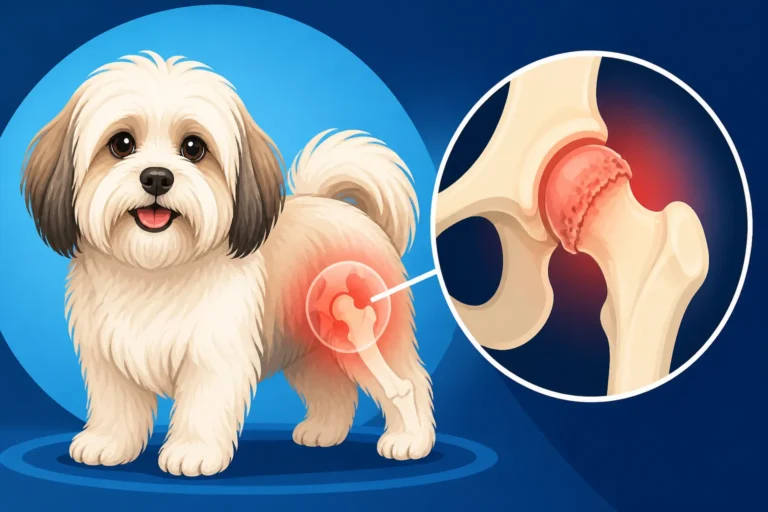
Another, less common but serious, orthopedic condition is Legg Calve Perthes and the Limping Havanese Puppy. This condition affects the hip joint, specifically the head of the femur, where the blood supply to the bone is interrupted, causing the bone tissue to die and ultimately collapse. It's typically seen in puppies between 6-12 months of age and can cause significant pain and lameness. If left untreated, it can severely impact a dog's mobility and lead to chronic, debilitating arthritis. While surgery can often correct the issue and allow a dog to live a full life, the condition itself can be a major challenge early on. Both luxating patellas and Legg-Calve-Perthes highlight the importance of careful breeding practices and obtaining your puppy from a breeder who screens their breeding stock.
Eye Conditions: Progressive Retinal Atrophy and Cataracts
The sparkling, intelligent eyes of a Havanese are one of their most endearing features, but they can be susceptible to inherited eye conditions that, while not always life-threatening, can certainly impact their quality of life and, by extension, how comfortably they live their later years. The Eye Diseases a Havanese Inherits are a significant concern. Progressive Retinal Atrophy (PRA) is a group of degenerative diseases that affect the retina, eventually leading to blindness. There are different forms of PRA, and some can manifest in puppyhood, while others appear later in life. While a dog can adapt remarkably well to blindness, it requires dedicated care and can limit certain activities, especially as they age, making them more vulnerable in their environment.
Cataracts are another common eye issue. These are opacities that form on the lens of the eye, obstructing vision. While some cataracts are age-related and can be a natural part of Caring for a Havanese Past Twelve, hereditary cataracts can develop much earlier, sometimes even in puppies. These can progress to cause significant vision loss or even complete blindness. Surgical removal is an option for some cataracts, but it’s an intensive procedure with recovery time. Regular eye examinations by a veterinary ophthalmologist are crucial for early detection and management of these conditions, ensuring your Havanese maintains good vision for as long as possible.
Cardiac Health: Mitral Valve Disease and Heart Murmurs
Heart health is a critical component of a long and comfortable life, especially for small breeds as they enter their senior years. Mitral Valve Disease in an Older Havanese is a significant concern. This condition involves the mitral valve, located between the left atrium and left ventricle of the heart, degenerating and failing to close properly. This leads to a backflow of blood, putting strain on the heart and eventually leading to congestive heart failure. The first sign of MVD is often a heart murmur, which a vet might detect during a routine check-up.
While a heart murmur in a Havanese doesn't always mean immediate disaster – some dogs can live for years with a mild murmur – it's a red flag that warrants further investigation, such as an echocardiogram. Early diagnosis allows for a proactive management plan, which can include dietary changes, exercise modification, and medications to support heart function and manage symptoms like coughing or lethargy. With proper veterinary care, many Havanese with MVD can still enjoy a good quality of life for a significant period. However, unchecked or rapidly progressing heart disease is undoubtedly a leading cause of mortality in older Havanese, underscoring the importance of regular senior vet checks.
Other Genetic Concerns: Liver Shunts and Deafness
Beyond joint and eye issues, there are other genetic conditions that Havanese can inherit, and awareness of them is key. One such condition is a portosystemic shunt, often referred to as a liver shunt. The Liver Shunt a Havanese Puppy Shows Before Six Months occurs when an abnormal blood vessel bypasses the liver, preventing toxins from being filtered out of the blood. This can lead to a buildup of toxins in the bloodstream, affecting the brain and other organs. Symptoms in puppies can include poor growth, lethargy, loss of appetite, vomiting, disorientation, and even seizures. Without intervention, which can involve dietary management and sometimes surgery, a severe liver shunt can be life-threatening.
Early Deafness in a Havanese is another genetic consideration, though less common than some other issues. While a deaf dog can live a perfectly happy and full life with an understanding owner who uses hand signals and other communication methods, a breeder should be screening for this. A condition known as congenital sensorineural deafness can affect Havanese, often related to certain coat color genes, particularly in predominantly white dogs. Responsible breeders will often conduct BAER (Brainstem Auditory Evoked Response) testing on their litters, especially those with higher-risk color genetics, to identify deaf puppies early. Knowing about these conditions allows owners to partner with their vet for appropriate diagnostics and management, helping to ensure their Havanese's comfort and longevity.
Proactive Health Management: Maximizing Your Havanese's Years
Bringing a Havanese into your life means committing to their health and well-being. While genetics play a role, how you care for your dog daily, year after year, has an enormous impact on their lifespan and overall happiness. Proactive health management isn't just about reacting to problems; it's about making informed choices every single day to foster a long, vibrant life.
The Role of Regular Veterinary Care and Preventative Medicine
This might sound obvious, but consistent, quality veterinary care is the cornerstone of a long and healthy life for your Havanese. It starts from puppyhood with a well-planned vaccination schedule to protect against common, often fatal, canine diseases. Beyond that, annual (and eventually bi-annual for seniors) wellness exams are absolutely non-negotiable. During these visits, your vet isn't just giving a quick once-over; they're performing a thorough physical examination, checking everything from their teeth and ears to their heart and joints. They’re looking for subtle changes that you, as a loving owner, might not even notice.
Preventative medicine extends to parasite control, too. Regular deworming, year-round heartworm prevention (which is absolutely crucial, even for indoor dogs as mosquitoes can get inside), and flea and tick control are vital. These aren't just nuisance issues; parasites can transmit serious diseases and significantly impact your dog's health and longevity. Your vet can also recommend appropriate blood tests as your Havanese ages to catch issues like thyroid problems or kidney disease in their early stages, allowing for timely intervention. Sometimes, pet insurance providers like Healthy Paws can help ease the financial burden of these regular check-ups and preventative treatments, ensuring you can always provide the best care without hesitation.
Nutrition and Weight Management for a Long Life
What you put in your Havanese’s bowl has a direct impact on their health and how long they'll thrive. High-quality dog food, appropriate for their life stage (puppy, adult, senior) and activity level, is paramount. Look for brands with real meat as the first ingredient and avoid fillers, artificial colors, and excessive preservatives. Small breed-specific formulas are often a good choice as they cater to their unique nutritional needs and come in appropriately sized kibble.
Just as important as what you feed them is how much. Obesity is a silent killer in dogs, leading to a myriad of health problems that can drastically shorten their lifespan. Overweight Havanese are more prone to joint issues (exacerbating conditions like luxating patellas), heart disease, diabetes, respiratory problems, and even certain cancers. It’s easy to overfeed a small dog with their adorable, pleading eyes, but resist the urge to give too many treats or large portions. Follow feeding guidelines on your dog food, but also use your eyes and hands: you should be able to easily feel their ribs without seeing them, and they should have a discernible waistline. If you’re unsure, your vet can help you assess their body condition score and recommend a precise feeding plan to keep them at a healthy weight.
Exercise and Mental Stimulation: More Than Just Play
While Havanese aren't marathon runners, they are active little dogs who need regular exercise and mental stimulation to stay healthy and happy. A couple of short walks a day (20-30 minutes each) are usually sufficient to meet their physical needs. These walks not only help maintain a healthy weight but also strengthen their muscles and joints, and provide crucial mental enrichment through new sights, sounds, and smells. Remember, even though they’re small, they need to explore the world!
Beyond walks, engaging in interactive play sessions with toys, games of fetch in the yard (if you have one) or indoors, and even short training sessions can keep their minds sharp. Havanese are intelligent dogs with a "circus dog brain" as some affectionately call it, meaning they love to learn tricks and participate in activities. Puzzle toys that dispense treats can provide excellent mental stimulation, preventing boredom and potential behavioral issues that can stem from a lack of engagement. A well-exercised and mentally stimulated Havanese is less likely to become anxious, destructive, or develop other stress-related health problems that can indirectly impact their long-term well-being.
Dental Hygiene: Often Overlooked, Hugely Important
This is probably one of the most overlooked aspects of pet care, yet it has an enormous impact on your Havanese's overall health and lifespan. Small breeds like the Havanese are notoriously prone to dental disease, often starting at a surprisingly young age. Their small mouths can lead to crowded teeth, creating perfect nooks and crannies for plaque and tartar to build up. Left unchecked, this bacterial buildup progresses from gingivitis (gum inflammation) to periodontal disease, which can cause pain, tooth loss, and severe infections.
The insidious part is that the bacteria from dental infections don't stay in the mouth. They can travel through the bloodstream to vital organs like the heart, kidneys, and liver, causing serious secondary infections and organ damage. This can significantly shorten your Havanese’s life. The best preventative measure is daily toothbrushing at home with a canine-specific toothpaste. Introduce it early, make it a positive experience, and be consistent. Beyond home care, regular professional dental cleanings under anesthesia, performed by your veterinarian, are essential. Your vet can assess the extent of tartar buildup, clean below the gumline, and extract any diseased teeth that could be a source of infection. Investing in good dental care is investing in extra years with your Havanese.
Navigating the Senior Years: Caring for an Aging Havanese
Watching your energetic Havanese puppy transition into a wise, grey-muzzled senior is a bittersweet journey. While you cherish every moment, it also brings new responsibilities and a heightened need for attentive care. The goal during these golden years is to maintain their comfort, dignity, and quality of life for as long as possible. The Age a Havanese Counts as Senior typically starts around 8-10 years, though many remain quite spry well beyond that.
Recognizing the Signs of Aging
Aging in Havanese, much like in humans, isn't a sudden event but a gradual process. One of the first things you might notice is a general slowing down. They might not greet you at the door with quite the same frantic enthusiasm, or their playtime might be shorter and less intense. You might see more naps and deeper sleep. Physically, a common sign is a greying muzzle, especially around the eyes and chin. Their coat might also thin slightly or change texture.
Behavioral shifts can also occur. Some Havanese might become a little less tolerant of rambunctious children or other pets, simply due to aches and pains or decreased hearing. They might seem a bit more confused at times, indicating the onset of canine cognitive dysfunction, similar to dementia in humans. Subtle changes in their gait, like stiffness after resting or reluctance to jump on furniture, can point to arthritis. It's crucial not to dismiss these changes as "just old age" but to see them as signals that your Havanese needs a little extra support and possibly a vet check-up.
Adapting Care Routines for Comfort and Health
As your Havanese ages, their environment and routine will likely need some adjustments to accommodate their changing needs. If they’re showing signs of joint pain or stiffness, consider adding ramps or pet steps to help them get on and off furniture like the couch or bed, preventing unnecessary strain on their joints. This is especially important for protecting their delicate knees, as discussed in Keeping a Havanese Off Furniture It Should Not Jump From. Ensure they have soft, orthopedic bedding that supports their joints and provides warmth. Elevated food and water bowls can also make eating and drinking more comfortable for a dog with neck or back pain.
Exercise routines will need modification too. Instead of long, vigorous walks, opt for shorter, more frequent strolls at a gentle pace. Swimming (if they enjoy it and it’s safe) can be a fantastic low-impact exercise for aching joints. Maintain mental stimulation with puzzle toys or gentle training sessions to keep their minds active. Social interaction remains vital, but be mindful of their energy levels and discomfort; a quiet cuddle might be preferred over a rowdy play session. And, of course, increase the frequency of vet visits to every six months, as recommended for senior dogs, to catch any emerging health issues as early as possible.
Managing Age-Related Health Issues
As our Havanese journey into their senior years, managing age-related health issues becomes a central focus. Arthritis is incredibly common, and your vet might suggest joint supplements like glucosamine and chondroitin, or prescription pain medications to keep them comfortable. For cognitive dysfunction, there are specific diets and medications that can help slow its progression and improve quality of life, allowing your Havanese to stay engaged and present for longer. Caring for a Havanese Past Twelve often involves a multi-faceted approach to addressing these myriad issues.
Vision and hearing loss are also common. While complete blindness or deafness is less frequent, many seniors experience a decline. For vision loss, keep furniture in consistent places, use scents to mark areas, and ensure good lighting. For hearing loss, switch to hand signals for commands. Regular blood work is essential to monitor organ function, as conditions like kidney disease, liver disease, or hypothyroidism can become more prevalent. Your vet might recommend specific senior diets that are lower in phosphorus for kidney health or tailored to address weight management. It's a team effort between you and your vet to create a comprehensive care plan that prioritizes their comfort and health, allowing your Havanese to truly enjoy their golden years. A good pet insurance plan from a company like Healthy Paws can be invaluable during these years, helping cover the costs of diagnostics, medications, and specialized treatments that often arise with senior care.
The Impact of Environment and Lifestyle on Havanese Lifespan
While genetics lay the foundation, the daily environment and lifestyle you provide for your Havanese can significantly influence how long and how well they live. From the safety of your home to the quality of their grooming, every aspect contributes to their overall health picture.
Safety Indoors and Out
Havanese are small, delicate dogs, and their environment needs to be tailored to their size and inquisitive nature. Inside the home, "puppy-proofing" isn't just for puppies; it’s a lifelong endeavor for a Havanese. Keep all toxic substances—cleaning supplies, medications, certain houseplants, human foods—out of reach. Secure electrical cords to prevent chewing. Ensure they can't fall off high places, and consider using pet stairs or ramps for furniture access, as mentioned earlier regarding Keeping a Havanese Off Furniture It Should Not Jump From. Falls can cause serious injuries, especially to their backs and joints.
Outside, always keep your Havanese on a leash when not in a securely fenced area. Their small size makes them vulnerable to larger predators (even birds of prey in some areas), swift-moving vehicles, and getting lost easily. Avoid walking them during extreme weather conditions – very hot pavement can burn their paw pads, and extreme cold can cause hypothermia for these little tropical dogs. Providing a safe, enclosed outdoor space for supervised play, free from hazards like toxic plants, pesticides, or sharp objects, is ideal. Their comfort and safety within their environment directly translate to reduced risk of injury or illness, supporting a longer life.
Grooming and Coat Care: Beyond Aesthetics
Many people are drawn to the Havanese’s beautiful, flowing coat, but proper grooming is far more than just aesthetics; it's a vital component of their health and comfort, directly impacting their lifespan. The Silky Double Coat a Havanese Grows to the Floor requires diligent attention. Without regular brushing, their double coat will quickly mat, especially during the coat change phase around 8-15 months of age. Mats aren't just unsightly; they pull on the skin, causing pain and restricting movement. More seriously, severe mats can create an anaerobic environment close to the skin, leading to skin infections, hot spots, and even parasite infestations that go unnoticed beneath the matted fur. These infections can become serious if left untreated.
Furthermore, a heavily matted coat can make it difficult for your Havanese to regulate their body temperature, increasing the risk of overheating in summer or becoming too cold in winter. Proper grooming also includes keeping their ears clean and free of excessive hair to prevent ear infections, trimming their nails to avoid painful overgrowth that can affect their gait and posture, and keeping the hair around their eyes trimmed to prevent irritation and infection. Regular, thorough grooming sessions are not just about keeping them pretty; they are essential health checks, allowing you to regularly inspect their skin for lumps, bumps, parasites, or injuries that might otherwise go unnoticed, potentially catching serious issues early.
Stress and Emotional Well-being
It’s easy to focus on physical health, but the emotional and psychological well-being of your Havanese also plays a significant role in their overall health and longevity. Havanese are deeply attached to their families and thrive on companionship. They are known for being prone to separation anxiety if left alone for extended periods. The Havanese That Cannot Be Left Alone may develop destructive behaviors, excessive barking, or even self-harm, which can lead to stress-related health issues, compromised immune function, and a diminished quality of life.
A consistent routine, plenty of positive interaction, and ensuring they don't spend too much time alone are critical. If you work long hours, consider a dog walker, doggy daycare, or a trusted friend/family member to provide companionship during the day. Mental stimulation, as mentioned earlier, also helps combat boredom and anxiety. A stressed or anxious dog is not a healthy dog. Just like in humans, chronic stress can have detrimental effects on physical health, impacting everything from their cardiovascular system to their immune response. Providing a stable, loving, and enriching environment where your Havanese feels secure and cherished is a profound way to contribute to their long-term health and happiness.
Choosing a Healthy Havanese: Setting the Foundation for a Long Life
The journey to a long and healthy life for your Havanese often begins even before you bring them home. The choices you make when selecting a puppy or an adult dog can profoundly impact their health trajectory. It’s about being informed and partnering with individuals who prioritize the well-being of the breed.
The Importance of a Reputable Breeder
This cannot be stressed enough: choosing a reputable breeder is the single most important step in ensuring your Havanese has the best possible start in life and the greatest chance for a long, healthy future. A reputable breeder is passionate about the breed, not just about making money. They invest time, effort, and resources into health testing their breeding stock, maintaining excellent living conditions for their dogs, and thoroughly socializing their puppies.
They will be transparent about their practices, eager to answer your questions, and will likely have a waiting list, as good breeders don't overbreed. They will also be vetting you as a prospective owner, asking questions about your lifestyle and experience. They will provide health guarantees, a clear contract, and be available for support throughout your dog's life. Avoid breeders who refuse to let you see where the puppies are raised, don't ask you any questions, offer multiple breeds, or can provide a puppy immediately without a wait. These are often signs of puppy mills or irresponsible backyard breeders who cut corners on health and care, leading to puppies with potential health and behavioral issues that can shorten their lives or make them significantly more challenging to own.
Understanding Health Clearances and Certifications
A hallmark of a reputable Havanese breeder is their commitment to health clearances for their breeding dogs. These aren't just general vet check-ups; they are specific tests designed to screen for the genetic conditions prevalent in the Havanese breed. You should expect both parent dogs to have certifications from organizations like the Orthopedic Foundation for Animals (OFA) for patellas (knees) and hips (though hip dysplasia is less common in Havanese, it's still good practice). Eye certifications from the Canine Eye Registry Foundation (CERF), or through the OFA Eye Certification Registry (OFA-EYE), performed by a board-certified veterinary ophthalmologist, are crucial to screen for conditions like progressive retinal atrophy and cataracts.
Furthermore, BAER (Brainstem Auditory Evoked Response) testing for deafness, especially in certain color lines, is a good indicator of a thorough breeder. Some breeders also perform DNA tests for conditions like liver shunts. Don't be shy about asking to see these certifications directly. A responsible breeder will be proud to show you. Knowing that both parents have been screened and cleared for these conditions significantly reduces the risk that your puppy will inherit them, setting a strong foundation for their health. Understanding The Health Tests Both Havanese Parents Should Have is vital for any prospective owner.
The Value of Pedigree and Genetic Diversity
Beyond individual health clearances, a reputable breeder will also be knowledgeable about the pedigree of their dogs and the genetic diversity within their lines. While all Havanese in North America descend from a very small founder population of just 11 dogs that left Cuba, careful breeding has worked to expand the gene pool as much as possible within those limitations. A breeder who understands the lineage of their dogs can discuss potential health issues that might appear further back in the family tree, or how they breed to avoid popular sire syndrome and narrow gene pools, which can concentrate undesirable genes.
While it’s true that Whether a Havanese From a Small Gene Pool Is Riskier is a valid concern for any breed with limited founders, good breeders make conscious choices to minimize these risks. They don't just breed two healthy dogs together; they consider the genetic compatibility of the pair and strive to produce offspring that are healthier than their parents. They're also often involved with breed clubs, which promote responsible breeding practices and collective efforts to monitor breed health trends. A breeder who can articulate their breeding philosophy and demonstrate a deep understanding of Havanese genetics is someone you can trust to have your future puppy's long-term health as a top priority.
| Common Havanese Health Concerns | Impact on Lifespan | Preventative/Management Measures |
|---|---|---|
| Luxating Patellas | Can lead to chronic pain, arthritis; severe cases may require surgery. Diminishes quality of life. | Breeder screening (OFA), maintaining healthy weight, controlled exercise, pet steps. |
| Legg-Calve-Perthes | Severe lameness, pain, early onset arthritis. Can require surgery. | Breeder screening (OFA), early diagnosis, surgical intervention, physiotherapy. |
| Progressive Retinal Atrophy (PRA) | Leads to blindness. Doesn't directly shorten lifespan but impacts quality of life. | Breeder screening (CERF/OFA-EYE), regular veterinary ophthalmologist exams. |
| Hereditary Cataracts | Can lead to vision loss/blindness. Surgical option available. | Breeder screening (CERF/OFA-EYE), regular eye exams. |
| Mitral Valve Disease (MVD) | Can progress to congestive heart failure; common cause of mortality in older Havanese. | Regular vet check-ups (listen for murmurs), echocardiograms, medication, weight management. |
| Portosystemic Shunt (Liver Shunt) | Can be life-threatening if severe; leads to toxin buildup. | Breeder screening, early diagnosis, dietary management, surgical repair. |
| Obesity | Increases risk of joint problems, heart disease, diabetes, certain cancers. | Appropriate, high-quality diet, portion control, regular exercise, vet consultation. |
| Dental Disease | Leads to pain, tooth loss, and systemic infections affecting heart, kidneys, liver. | Daily toothbrushing, professional dental cleanings, appropriate dental chews. |
Disclaimer
Please remember that this article is intended for informational purposes only and is not a substitute for professional veterinary advice. Always consult with a qualified veterinarian for any health concerns or before making any decisions about your pet's care, diet, or treatment. Every dog is an individual, and their health needs may vary.