Whether the Havanese Really Performed in Circuses
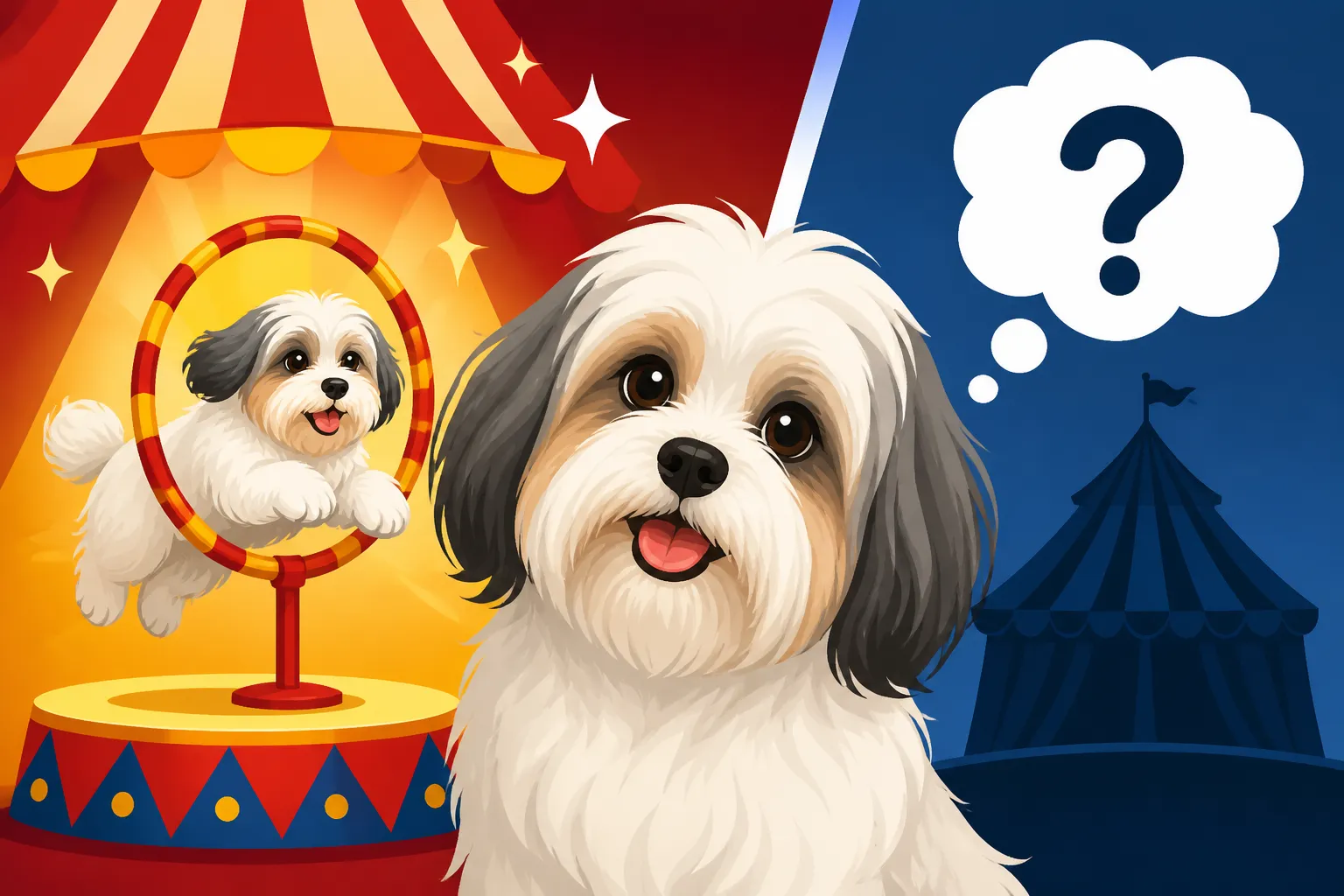
It’s a delightful image, isn’t it? The idea of our fluffy, clever Havanese, with their intelligent eyes and springy gait, having once performed under the big top, charming audiences with their antics. Many Havanese owners and enthusiasts hear these romantic tales, yet wonder if their beloved companion truly carries the legacy of a seasoned circus performer or if it’s merely a charming myth. This guide will explore the fascinating history and inherent talents of the Havanese, revealing the truth behind their "circus dog" reputation and what makes them such extraordinarily trainable and endearing pets.
The Historical Whisper of the Performing Havanese
The Havanese breed carries with it a rich and somewhat theatrical history, deeply intertwined with the social fabric of its homeland, Cuba. These weren't just any dogs; they were the pampered companions of the Cuban aristocracy and wealthy plantation owners. Imagine elegant ladies strolling through grand gardens, a tiny, silky-coated dog prancing beside them, its tail held high. These dogs were symbols of status and affection, cherished members of the household.
During an era when European travelers and merchants frequented Cuba, these charming little dogs often served as unique and valuable gifts or bartering chips. This exchange eventually led to some Havanese finding their way onto ships heading back to Europe. It's in this transition, from pampered pet to international traveler, that the "circus dog" legend truly begins to take shape. While not necessarily performing in formal, sawdust-filled rings under spotlights, these dogs certainly had a knack for entertaining. They possessed a natural intelligence and a keen desire to please their human companions, traits that were highly prized in any dog, but especially so in one that traveled and interacted with many different people.
The historical accounts of the Havanese frequently highlight their remarkable intelligence and lively disposition. They were known for learning tricks quickly, often delighting their owners with spontaneous performances of leaps, spins, and playful antics. It wasn't uncommon for affluent families to teach their Havanese parlor tricks to entertain guests during social gatherings. Think of it less as a formal circus act and more as a parlor trick sensation, a furry marvel performing for an appreciative, intimate audience. They were bred for companionship and to bring joy, and what better way to do that than with a twinkle in their eye and a perfectly executed roll-over? It’s a testament to their enduring appeal that even centuries ago, these dogs captivated hearts with their cleverness and charm.
Examining the "Circus Dog" Claim: Lore vs. Reality
So, did the Havanese truly perform in circuses as we understand them today, with large audiences, tents, and lion tamers? The historical evidence suggests a more nuanced story. While the term "circus dog" is often associated with them, it's more likely that their natural abilities lent themselves to a broader category of traveling entertainers and street performers rather than the grand circuses of the time.
In the 18th and 19th centuries, it wasn't uncommon for European travelers, especially those involved in theatrical arts or entertainment, to acquire these charming Cuban dogs. Their small size made them easy to travel with, and their quick wit made them ideal pupils for learning tricks. These dogs might have performed alongside jugglers, musicians, or other street artists, drawing crowds with their intelligence and agility. They were "performing dogs" in the sense that they could learn and execute sequences of behaviors that delighted onlookers, often for coins or applause. This aligns with the understanding that The Havanese Is the Only Breed Cuba Ever Produced, suggesting their uniqueness and inherent charm would have made them desirable companions for anyone seeking an animal that could truly engage with people.
Consider the general climate of entertainment during those periods. Formal circuses certainly existed, but so did a vibrant world of itinerant performers, minstrel shows, and novelty acts. A clever Havanese, perhaps one whose ancestors came from The Blanquito de la Habana the Havanese Came From, could easily become the star of such a small troupe. Their agile bodies, compact size, and undeniable charm made them perfectly suited for routines involving jumping through hoops, walking on their hind legs, or balancing small objects. These were not the grand, spectacular acts of large wild animals, but rather intimate displays of canine intelligence and human-animal bond, designed to entertain and amuse. The term "Havana Silk Dog" itself hints at their refined appearance and graceful movements, which would have added to their appeal as performers.
While specific records of a Havanese starring in, say, Barnum & Bailey might be elusive, the breed’s reputation as a natural entertainer is deeply ingrained in its lore. It speaks to their inherent capabilities and the deep impression they made on people, cementing their image as lively, intelligent little performers, even if their stage was often a cobblestone square or a nobleman's drawing-room rather than a sprawling arena.
Inherent Traits That Make Havanese Natural Entertainers
The Havanese didn't earn their "circus dog" reputation by accident; it's a direct reflection of their wonderful personality and natural aptitudes. These aren't just pretty faces; they possess a captivating blend of intelligence, eagerness to please, and an almost inherent theatrical flair.
First and foremost is their intelligence. Havanese are remarkably smart. They pick up new commands and tricks with surprising speed, often understanding what you want before you even finish the gesture. This cognitive ability makes them highly responsive to training. They love to learn, and they thrive on mental stimulation, making training sessions a joy rather than a chore. This is Why the Havanese Learns Tricks Faster Than Most Toys, a characteristic that truly sets them apart in the toy breed category.
Secondly, their strong desire to please their human companions is a huge asset. A Havanese lives to be with you, to make you happy, and to receive your praise and affection. This inherent motivation means they are highly biddable and cooperative, always keen to engage in whatever activity you present, especially if it involves interaction and positive reinforcement. They thrive on attention, and a well-performed trick is a surefire way to earn a round of applause and a happy tummy rub.
Their physical agility and compact size also play a significant role. Havanese are sturdy for a toy breed, with a springy gait that allows them to move with grace and swiftness. They are light on their feet, able to jump, spin, and weave with ease, making them ideal for learning complex sequences of movements. They're also not easily intimidated, often approaching new challenges with a curious and playful attitude. Whether it’s Teaching a Havanese Tricks It Will Perform All Day or navigating an impromptu obstacle course in your living room, they approach it with gusto.
Furthermore, the Havanese possess a genuinely social and outgoing nature. They love being the center of attention and interacting with people. This charming confidence, coupled with their adorable appearance, makes them natural magnets for affection and admiration. They have a way of drawing you in, making you want to watch them, interact with them, and laugh at their playful antics. It's this combination of brains, eagerness, agility, and charisma that truly makes them the natural entertainers of the canine world, even without a formal stage.
| Trait Category | Characteristic | Relevance to "Circus Dog" Image |
|---|---|---|
| Intelligence | Quick learners, problem-solvers | Easily taught complex tricks and routines |
| Temperament | Eager to please, affectionate, outgoing | Highly motivated by praise and interaction |
| Physicality | Agile, sturdy, compact, springy gait | Capable of jumps, spins, balances, and intricate moves |
| Sociality | Loves attention, confident, charming | Natural performers who draw and hold an audience's gaze |
| Adaptability | Travels well, enjoys new experiences | Suitable for life on the road with traveling performers |
Training Your Havanese for Fun and Companionship
While your Havanese might not be destined for the spotlight of a national circus, their innate intelligence and desire to please mean they are incredibly rewarding to train for fun, companionship, and even competitive activities. Channeling their natural talents through positive, engaging training methods will build a stronger bond and provide them with the mental and physical stimulation they crave.
Starting with Positive Reinforcement
The key to training a Havanese is positive reinforcement. These sensitive dogs respond beautifully to praise, treats, and toys. Harsh corrections or scolding can make them retreat or become resistant. Instead, focus on rewarding desired behaviors immediately. This helps them understand what you want and makes learning a fun game for both of you. For instance, when teaching a "sit," as soon as their rear touches the ground, offer a tiny, high-value treat and enthusiastic praise. Small, soft training treats are perfect for Havanese, and you can easily find a fantastic variety on Amazon. A clicker can also be a wonderful tool to mark the exact moment of a correct behavior, making your communication even clearer.
Short, frequent training sessions are far more effective than long, drawn-out ones. Havanese have bright minds but can get bored if a session drags on. Aim for 5-10 minute sessions several times a day, keeping things upbeat and playful. Remember, these dogs love to perform for an audience, so make yourself their most enthusiastic spectator!
Beyond Basic Obedience: Unleashing Their Inner Performer
Once your Havanese has mastered basic commands like sit, stay, and come, you can absolutely explore more advanced tricks and activities that tap into their natural "circus dog" brain. They excel at learning new tricks and many owners find themselves utterly delighted by how quickly their Havanese picks up on things like "spin," "weave," "play dead," or even retrieving specific toys by name.
Consider looking into formal trick dog titles; yes, Whether a Havanese Can Earn Trick Titles is a resounding yes! Organizations offer various levels of trick titles, providing a structured way to challenge your Havanese and celebrate their achievements. If you're new to dog training or want a comprehensive guide, online puppy and dog training programs, such as those offered by BAXTER & Bella, can provide step-by-step instructions and support from professionals, helping you unlock your Havanese's full potential in a fun, positive way.
Beyond tricks, Havanese often excel in other canine sports:
- Agility: Their agility and speed make them fantastic agility competitors, navigating tunnels, jumps, and weave poles with enthusiasm.
- Rally Obedience: This sport involves navigating a course with numbered signs, performing different obedience exercises at each station, which suits their desire to work cooperatively.
- Therapy Work: Their affectionate and calm nature, once past the puppy stage, makes them excellent candidates for Whether a Havanese Makes a Therapy Dog. Visiting hospitals or nursing homes, they bring immense comfort and joy to people.
Training is an ongoing journey that enriches your relationship with your Havanese. It’s not just about commands; it’s about communication, engagement, and celebrating the intelligent, joyful companion you have by your side. They may not be in a literal circus, but every day spent learning and playing with your Havanese is a performance in itself, full of charm and endless love.
Disclaimer
This article is for general informational purposes only and does not constitute professional advice. Laws, prices and regulations vary by location and change over time. Consult a qualified professional for guidance on your specific situation.