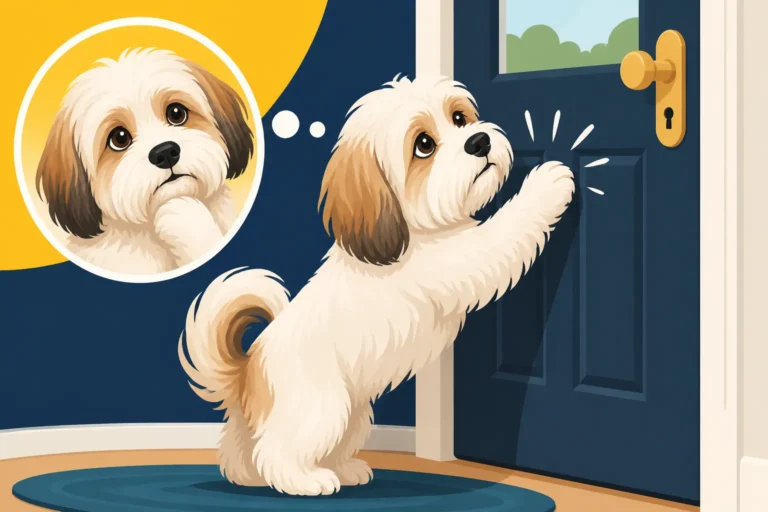
Whether a Havanese Gets Bored of Drilling
As Havanese parents, we often fall in love with their cleverness and eagerness to please, only to find ourselves wondering why our bright little companion suddenly seems to be tuning us out during training sessions. It's a common frustration: you've got a smart dog, you're trying to teach them, but are they actually getting bored of the repetition? This guide will dive into the unique Havanese mind and share practical strategies to keep training dynamic, fun, and deeply engaging for your furry friend.
Understanding the Havanese Learning Style
The Havanese is a breed renowned for its intelligence, charm, and an almost intuitive understanding of human emotions. This "circus dog brain" means they pick up new concepts and tricks with astonishing speed. However, this very cleverness can become a challenge if their training isn't stimulating enough.
Innate Intelligence and Desire to Please
Havanese dogs were historically bred as companion animals, cherished for their joyful disposition and ability to entertain. This history has instilled in them a deep desire to be involved with their humans and a natural aptitude for learning. They thrive on positive interaction and praise, often making eye contact and actively seeking guidance. When you begin training a Havanese, they typically absorb commands quickly, often surprising owners with How Fast a Havanese Learns a New Trick. This makes them wonderful candidates for a wide range of activities, from basic obedience to advanced tricks and even therapy work. Their desire to please is a powerful motivator, but it also means they need to feel like they are achieving something alongside you.
The Double-Edged Sword of Cleverness
While their intelligence is a huge advantage, it's also a double-edged sword. A Havanese that isn't sufficiently challenged or entertained can quickly become disinterested. Imagine trying to solve a puzzle you've already completed a hundred times – it loses its appeal, right? For a Havanese, repetitive "drilling" of an already-mastered command without any variation or purpose can feel exactly like that. They aren't just looking for a treat; they're looking for mental engagement and a sense of accomplishment. If a training session feels like rote memorization rather than an interactive game, their bright minds will simply switch off, or worse, they'll start inventing their own, less desirable, forms of entertainment. This is why What a Havanese Needs Beyond a Walk often involves mental exercise as much as physical.
Signs Your Havanese Might Be Bored
Recognizing the signs of boredom is crucial for any Havanese owner. These little dogs are experts at communicating their feelings, and if you pay close attention, they'll tell you when they've had enough.
Behavioral Cues to Watch For
When a Havanese starts to lose interest in a training session, their behavior often shifts subtly, then more overtly. You might notice them offering slower responses to commands they usually nail instantly. Instead of eagerly looking at you, they might start sniffing the floor, glancing around the room, or even turning their head away. Excessive yawning (not due to tiredness) or lip-licking can be stress signals, indicating they're feeling pressured or disengaged. Some Havanese might try to offer a completely different trick they know, as if to say, "Can we do something else, please?" Others might just wander off, pretending they didn't hear you, or subtly try to initiate playtime by nudging a toy or playfully nipping. These are all clear indicators that the "drilling" has become tiresome.
When Disinterest Becomes Frustration
If boredom persists and training continues to be overly repetitive or unstimulating, disinterest can escalate into frustration. Your Havanese might start whining, pawing at you, or even nipping out of annoyance. They might resist coming to you for training, or become visibly agitated when you bring out the training pouch. Prolonged periods of unengaging activity, whether it's during a training session or just general daily life, can actually contribute to problem behaviors like excessive barking or destructive chewing because they are desperately trying to find an outlet for their intelligence and energy. The Barking a Havanese Does at Every Sound or What an Anxious Havanese Chews can sometimes stem from unmet needs for mental stimulation, not just separation anxiety. You want your Havanese to associate training with joy, discovery, and connection, not with a boring chore.
Strategies to Keep Training Engaging and Fun
The good news is that preventing boredom in your Havanese during training is entirely manageable. It just requires a shift in perspective and some creative approaches to how you structure your sessions.
The Power of Short, Sweet Sessions
For a breed with such a vibrant personality and quick mind, lengthy, monotonous training sessions are a recipe for disengagement. Instead, embrace the power of short, frequent bursts of training. Aim for sessions that last no more than 5-10 minutes, especially for puppies or when introducing new concepts. The key is to end the session while your Havanese is still eager and wanting more, leaving them on a high note. This creates a positive association with training and builds anticipation for the next one. Think about incorporating several mini-sessions throughout the day rather than one long, drawn-out affair. This approach respects their attention span and keeps their enthusiasm high. How Long a Havanese Will Train For is often less about stamina and more about mental focus.
Injecting Variety into Your Routine
Monotony is the enemy of engagement for a Havanese. To combat drilling fatigue, introduce variety in every aspect of your training:
- Vary the Environment: Practice commands in different rooms of your house, then move to the backyard, a quiet park, or even a friend's house. This helps generalize commands and makes them more robust.
- Mix Up Commands: Don't just drill "sit" ten times in a row. Weave in different known commands like "down," "stay," "come," or even some fun tricks. Ask for "sit," then "down," then "spin," then "sit" again. This keeps their brain actively working to recall multiple actions.
- Introduce New Skills: Regularly challenge your Havanese with novel tricks or advanced versions of known behaviors. Once "sit" is mastered, work on "sit-stay" with duration or distance. Teaching a Havanese Tricks It Will Perform All Day is much easier when you're always introducing new ones.
- Use Real-Life Scenarios: Integrate training into your daily life. Ask for a "sit" before opening the door, a "stay" while you prepare their meal, or a "come" from another room. This gives commands context and makes them more meaningful.
Making it a Game: Play-Based Learning
For a Havanese, learning should feel like play. Incorporate elements of games into your training to boost engagement:
- Hide and Seek: Ask your Havanese to "stay" (or have someone hold them), hide, then call them to "come." This reinforces recall in a fun, rewarding way.
- Fetch and Retrieve: Use their natural love for toys to practice "drop it" or "bring it." A quick game of fetch can be a fantastic way to reward successful commands.
- "Find It" Games: Hide treats or toys and encourage your Havanese to sniff them out. This engages their powerful sense of smell and provides mental stimulation.
- Agility at Home: Set up a mini-obstacle course with household items – a blanket to crawl under, pillows to jump over. This can be a fun way to work on coordination and follow commands. Whether a Havanese Competes in Agility shows just how capable they are when given an outlet for their energy.
Optimizing Rewards and Motivation
The type and delivery of rewards can significantly impact your Havanese's motivation.
- Variety is Key: Don't stick to just one type of treat. Rotate between high-value options (small pieces of cooked chicken, cheese) and lower-value options (kibble, commercial treats). Sometimes, a favorite toy can be an even more powerful reward than food.
- Praise and Affection: Havanese thrive on praise and gentle affection. A happy, enthusiastic "Good dog!" or a quick cuddle can be just as reinforcing as a treat, especially if they are particularly bonded with you.
- Variable Schedule of Reinforcement: Once a behavior is reliably learned, switch to a variable reinforcement schedule. This means you don't reward every single correct response. Sometimes they get a treat, sometimes just praise, sometimes a jackpot of multiple treats. This keeps them guessing and increases their drive to perform, as they never know when the big reward is coming. This is a core principle in Whether a Havanese Works for Food or Praise.
- Clicker Training: Many Havanese respond wonderfully to clicker training. The clicker marks the exact moment they perform the desired behavior, followed by a reward. This precision helps them understand exactly what they did right and can speed up learning. Whether Clicker Training Suits a Havanese is often a resounding yes for this intelligent breed.
Tools and Resources for Dynamic Training
Keeping training fresh and stimulating doesn't mean you have to reinvent the wheel every day. There are fantastic tools and resources available to help.
Incorporating Brain Games and Puzzle Toys
Puzzle toys are a wonderful way to challenge your Havanese mentally and keep them occupied, especially when you can't actively train. These toys require your dog to figure out how to get a treat, using their problem-solving skills. They come in various difficulty levels, from simple sniff mats to more complex multi-step puzzles. Products available on platforms like Amazon offer a vast selection, from KONG classic toys where you stuff treats, to interactive feeders that make mealtime a game. Regularly rotating these toys and introducing new ones can keep your Havanese engaged and prevent them from becoming bored with their existing collection. Whether a Havanese Enjoys Puzzle Toys is generally answered with an enthusiastic wag of the tail!
Online Programs and Professional Guidance
Sometimes, we need a little external help or fresh ideas to keep our training routines exciting. Online puppy training programs or professional trainers can provide structured lessons that incorporate variety and mental stimulation. For instance, programs like BAXTER & Bella offer a comprehensive online curriculum that guides owners through various training exercises, often emphasizing positive reinforcement and engagement. A certified professional trainer can also observe your Havanese's specific behaviors and suggest tailored approaches to keep them motivated and learning, preventing the pitfalls of repetitive drilling. Don't hesitate to seek out Whether a Havanese Needs a Professional Trainer if you feel stuck or want to elevate your training game. They can introduce you to advanced concepts or creative ways to refresh basic commands.
Understanding Your Dog's Unique Personality
Ultimately, the most effective strategy for preventing boredom is to understand and cater to your individual Havanese's personality. While they share breed characteristics, each dog is unique. Pay attention to what truly motivates your Havanese. Do they prefer food, toys, a vigorous game of tug, or a quiet cuddle? Do they get excited by new environments or prefer the comfort of home? Are they eager to learn complex sequences, or do they thrive on mastering simple, practical commands? By observing their reactions and adapting your training style to their preferences, you ensure that every session is not just educational, but also a joyful and enriching experience for your beloved Havanese.
| Training Element | Engages a Havanese | Boredom-Inducing for a Havanese |
|---|---|---|
| Session Length | 5-10 minute bursts | 20+ minute monotonous drills |
| Command Variety | Mixing 3-5 different known commands | Repeating the same command 10+ times |
| Reward System | Varied treats, toys, enthusiastic praise | Same bland treat every time, minimal enthusiasm |
| Training Location | Different rooms, backyard, park, new places | Always in the same spot, predictable |
| Learning Pace | Ending on a high note, leaving them wanting more | Pushing past disinterest, forcing more reps |
| Activity Type | Play-based games, new tricks, puzzle toys | Rote repetition of simple tasks |
Your Havanese's bright mind is a gift, and thoughtful training that prioritizes engagement and variety is the best way to honor it. By keeping sessions short, fun, and dynamic, you won't just prevent boredom; you'll strengthen your bond and foster a lifelong love of learning in your charming companion.
Disclaimer
This article is for general informational purposes only and does not constitute professional advice. Laws, prices and regulations vary by location and change over time. Consult a qualified professional for guidance on your specific situation.