The Circus Dog Brain Inside a Havanese
Many people picture the Havanese as the ultimate cuddly lapdog, content to snooze away the day by your side. While it's true they excel at companionship, beneath that soft, flowing coat lies a surprisingly sharp mind – a "circus dog brain," if you will – that needs engagement and purpose. This guide will delve into the remarkable intelligence of the Havanese, explaining its origins and offering practical advice to channel their smarts into well-behaved, happy companions rather than mischievous masterminds.
Unpacking the Havanese Intelligence: More Than Just a Lapdog
It's easy to underestimate the intelligence of a small dog, especially one as undeniably charming and fluffy as the Havanese. But to do so would be a disservice to their rich history and innate capabilities. These aren't just pretty faces; they're thinkers, problem-solvers, and eager participants in life.
Historical Roots of Their Cleverness: From Cuban Aristocracy to Performers
To understand the Havanese brain, we have to take a little trip back in time to their origins in Cuba. These aren't ancient hunting dogs or livestock guardians; they were bred to be companions for the Cuban aristocracy, often called the "Havana Silk Dog." Now, imagine being a companion dog in a wealthy household. You're not just there to look pretty; you're interacting with people all day, observing routines, and often expected to provide entertainment.
This environment naturally selected for dogs that were observant, responsive, and quick to learn. Many historical accounts suggest that these dogs weren't just content to sit on a lady's lap; they were often taught tricks to amuse their families and guests. Later, some of their ancestors even found their way into traveling circuses, performing complex routines that captivated audiences. This isn't just a cute anecdote; it’s a testament to their innate intelligence and eagerness to learn and perform. They thrive on mental stimulation, not just physical exercise, because their lineage demanded it. Without that mental outlet, a smart Havanese can easily become a bored, and potentially destructive, Havanese.
The Eagerness to Please: A Key to Their Trainability
One of the most endearing and useful traits of the Havanese is their strong desire to please their people. Unlike some breeds that might seem to work only for a high-value treat or a favorite toy, many Havanese are genuinely motivated by your approval, your praise, and the sheer joy of interacting with you. This "eagerness to please" isn't just about being sweet; it's a powerful tool in training.
When you ask a Havanese to do something, they're often trying to figure out exactly what you want so they can earn that smile or enthusiastic "good dog!" This makes them highly trainable, quick to pick up new commands and routines. If you've ever felt like your Havanese is watching your every move, they probably are! They're constantly gathering information, learning what behaviors lead to positive outcomes. This means that positive reinforcement, using treats, praise, and play, is incredibly effective with this breed. They genuinely want to be part of your world and contribute to the household harmony.
When Intelligence Becomes Mischief: The Downside of a Smart Dog
While a smart dog is a wonderful thing, an understimulated smart dog can be a real handful. If a Havanese isn't given appropriate mental outlets, their cleverness can quickly turn into creative mischief. They're not being "bad" dogs; they're simply finding ways to entertain their active minds.
This might manifest as figuring out how to open cabinets, raiding the trash can, "redecorating" your shoes, or developing an impressive repertoire of insistent barking to get your attention. I once had a Havanese, little Luna, who figured out how to unlatch her crate door from the inside if I didn't secure it just right. Another, a sweet boy named Rocky, learned that if he nudged a certain stack of magazines just so, they'd fall over with a satisfying crash, prompting me to rush in and give him attention. These aren't acts of spite; they're acts of a bored, intelligent dog looking for a job. Recognizing this is crucial. If your Havanese is being "naughty," often the first question to ask yourself is, "Are they bored? Are they getting enough mental exercise?"
Harnessing Their Learning Potential: Early Training is Key
The good news is that this intelligence makes the Havanese an absolute joy to train, provided you start early and use methods that resonate with their sensitive, eager-to-please nature. Think of their brain as a sponge, ready to soak up knowledge, but it needs the right kind of water!
Puppyhood: The Golden Window for Learning
Just like human children, Havanese puppies go through critical developmental periods where their brains are particularly receptive to learning new things and forming impressions. The period from about 8 to 16 weeks is often called the "golden window" for socialization and early training. During this time, every interaction, every new experience, every lesson you teach them, is deeply impactful.
This doesn't mean you need to be running a canine academy from day one. It means being consistent with simple commands like "sit," "stay," and "come." It means positive exposure to different sights, sounds, people, and safe environments. A puppy class can be invaluable here, not just for the puppy to learn, but for you to learn how to communicate effectively with your Havanese. Remember, their tiny brains are absorbing everything, so make sure what they're absorbing is positive and productive. Neglecting this early window can make training much harder down the line, as bad habits are much tougher to unlearn than good ones are to teach.
Positive Reinforcement: The Havanese Way to Learn
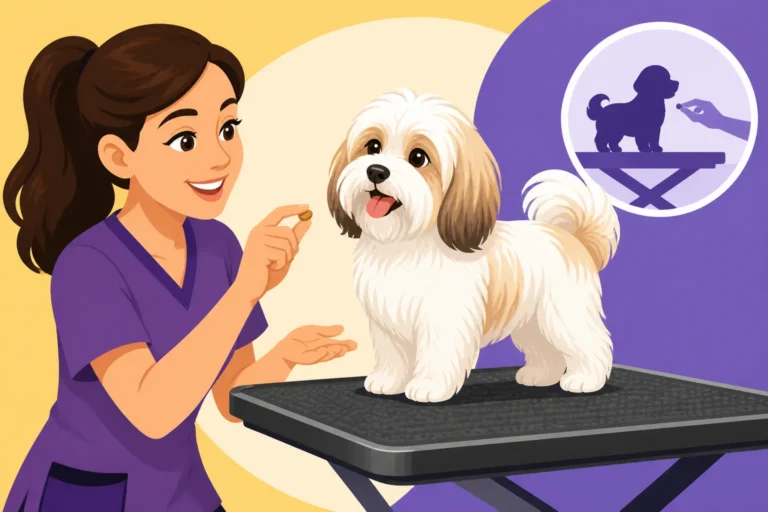
The Havanese are sensitive souls, and they respond beautifully to positive reinforcement. This means rewarding desired behaviors rather than punishing unwanted ones. Think about it: if you're trying to teach your Havanese to sit, and they finally offer a hesitant sit, a cheerful "Yes!" and a tiny training treat will communicate far more effectively than a stern "No!" for jumping up.
Harsh corrections, loud noises, or any form of punishment can be detrimental to a Havanese. They can become fearful, shut down, or even develop anxiety. Instead, focus on making training a fun, rewarding game. Use high-value treats (tiny pieces of cooked chicken or cheese work wonders for many Havanese!), enthusiastic praise, and playful pats. This approach builds trust, strengthens your bond, and makes your Havanese genuinely want to learn with you. They want to be your partner, not just a recipient of commands. If you're looking for guidance, online programs like BAXTER & Bella offer comprehensive resources built on positive reinforcement principles that are perfect for a Havanese's sensitive nature. This helps establish a positive learning environment right from the start.
Short, Engaging Sessions: Keeping Their Attention
While your Havanese has that "circus dog brain," it's still a small dog brain with a relatively short attention span, especially when they're young. Hour-long training drills are likely to result in a bored, distracted, or even frustrated Havanese. The key is short, frequent, and highly engaging sessions.
Aim for 5-10 minute training bursts throughout the day, perhaps two or three times. Keep the mood light and fun. End on a high note, even if it's just mastering one simple command perfectly. If you see their attention wandering or they start to get frustrated, take a break. It’s far better to have several successful short sessions than one long, unproductive one. Vary the exercises, incorporate play, and always make it a positive experience. This will keep them How Long a Havanese Will Train For and eager for the next session, rather than dreading it. Remember, these little dogs thrive on interaction, so make sure training feels like a special one-on-one time with you.
Beyond Basic Obedience: Exploring Advanced Tricks and Sports
Their intelligence and eagerness to please mean that basic obedience is just the tip of the iceberg for a Havanese. Many owners find immense joy in exploring more advanced activities, truly tapping into that inherent "circus dog" potential.
From "Sit" to "Spin": Teaching Impressive Tricks
Once your Havanese has a solid grasp of basic commands, the world of tricks opens up! And trust me, they love showing off. Their nimble bodies and quick minds make them naturals for a wide variety of tricks, from simple "shake a paw" to more elaborate routines. I've known Havanese who can weave through legs, retrieve specific toys by name, or even "play dead" on command.
Start with something relatively easy and build up. "Spin" and "Twirl" are often great starting points, as they naturally encourage movement. Use luring with a treat initially, then fade the lure to a hand signal, and finally add a verbal cue. Consistency and repetition are key, but always keep it fun. Celebrate every small success. You'll be amazed at Why the Havanese Learns Tricks Faster Than Most Toys and how quickly they pick things up. These mental exercises are fantastic for bonding and provide a wonderful outlet for their cleverness. Plus, who doesn't love showing off their dog's adorable talents?
Agility and Rally: Channeling Their Energy and Brainpower
If you're looking for something more structured and active, Havanese often excel in dog sports like agility and rally obedience. Agility, with its jumps, tunnels, and weave poles, is a fantastic way to combine physical exercise with intense mental focus. It requires your dog to think on their feet, follow your cues, and navigate obstacles with precision and speed. Many Havanese, with their compact size and natural athleticism, truly shine in agility. They have the bounce and the brains for it! You might be surprised to find your little lapdog transformed into a focused athlete on the course.
Rally obedience is another excellent option. It involves navigating a course with numbered signs, each indicating a different obedience exercise to perform (e.g., "sit-stay," "figure eight," "spiral left"). It's more dynamic than traditional obedience and allows for encouragement and communication between handler and dog, which suits the Havanese perfectly. Both of these sports provide incredible mental stimulation and physical conditioning, helping to prevent boredom and destructive behaviors. They also offer a fantastic way to deepen the bond with your dog as you work together as a team. Whether a Havanese Competes in Agility is a resounding yes for many enthusiastic Havanese!
Therapy and Service Work: A Havanese's Special Talent
Beyond tricks and sports, the Havanese's intelligent, affectionate, and gentle nature makes them exceptional candidates for therapy dog work. Their soft coats, cheerful dispositions, and manageable size make them perfect for visiting hospitals, nursing homes, or schools. They instinctively offer comfort and joy, and their ability to connect with people on an emotional level is truly remarkable.
To become a certified therapy dog, a Havanese needs to demonstrate solid obedience, good manners, and an unflappable temperament in various situations. This training requires dedication, but the rewards are immense, both for the dog and the people they touch. While not typically a traditional "service dog" in the same vein as a guide dog, some Havanese have been trained to perform specific tasks to assist individuals with disabilities, especially those requiring emotional support or alert tasks. Their sharp minds allow them to learn complex routines and respond to subtle cues. Whether a Havanese Makes a Therapy Dog is a testament to their sensitive and intelligent nature, allowing them to bring comfort and happiness to many.
Addressing Common Training Challenges in Smart Havanese
Even with their intelligence and eagerness, Havanese aren't without their quirks and challenges. Understanding these common hurdles can help you address them with patience and effective strategies.
The Barking a Havanese Does at Every Sound: Managing Vocal Tendencies
Oh, the Havanese bark! It's a hallmark of the breed for many. They are excellent little alert dogs, and sometimes that extends to alerting you to everything: the mailman, a leaf blowing past the window, a squirrel across the street, or even just the subtle shift of the house settling. While it can be charming initially, excessive barking can quickly become a nuisance, especially in apartment living.
Their intelligence plays a role here – they're smart enough to learn that barking gets a reaction from you, even if it's just telling them to be quiet. To manage this, consistency is key. First, try to identify the triggers. Is it always the doorbell? Every time someone walks past? Then, work on a "quiet" command. When they bark, acknowledge it briefly ("Thank you for telling me!") then immediately ask for "Quiet." Reward them the instant they stop barking, even for a second. You can also desensitize them to triggers. For instance, if the doorbell makes them bark, practice ringing it yourself, then asking for "Quiet" and rewarding. This teaches them a different response. Enrichment toys from platforms like Amazon can also distract them from external sounds, giving their brains something else to focus on. For more dedicated strategies, check out The Barking a Havanese Does at Every Sound.
The Havanese That Cannot Be Left Alone: Navigating Separation Anxiety
Because Havanese were bred for companionship and thrive on human interaction, they can be prone to separation anxiety. This isn't just a dog being "naughty" when you leave; it's genuine distress and panic. A Havanese with separation anxiety might chew destructively, have accidents, bark or howl incessantly, or even injure themselves trying to escape. Their intelligence means they learn your departure cues very quickly – the jingle of keys, picking up your purse, putting on your shoes.
Addressing separation anxiety requires patience and a structured approach. Start by desensitizing them to your departure cues. Pick up your keys, put them down. Put on your shoes, take them off. Gradually increase the time you're "leaving" – first just stepping outside for a second, then a minute, then five. Provide engaging puzzle toys filled with high-value treats (like a Kong stuffed with peanut butter) to keep them occupied while you're gone. A comfortable, secure crate can also offer a sense of safety for some dogs, but never use it as punishment. For deeper insights and strategies, our guide The Havanese That Cannot Be Left Alone provides extensive advice on managing this challenging issue. It's about slowly building their confidence that you will return.
Housetraining a Havanese in a Cold Climate: Overcoming Potty Challenges
Housetraining a Havanese can sometimes feel like a marathon rather than a sprint, and adding a cold climate into the mix can make it even trickier. Many Havanese absolutely despise cold, wet, or snowy conditions. Their delicate paws and long coats aren't built for tromping through slush. This means they might hold it indoors, leading to accidents, or rush through their business, not fully emptying their bladder. Their intelligence helps them understand where they're supposed to go, but their comfort levels can override that knowledge.
If you live in a cold climate, prepare for it. Get them a warm coat and little boots for their paws (start practicing wearing these indoors!). Shovel a clear path or a small "potty patch" in the snow. Make going outside as pleasant as possible, and reward them immediately for pottying outdoors, even if it's just a quick "sprinkle." Using indoor potty pads can be a temporary solution, but be careful not to create a preference for indoor elimination. A consistent schedule, frequent trips outside, and lots of praise for success are your best tools. For a detailed walkthrough on specific challenges in chilly weather, see Housetraining a Havanese in a Cold Climate. Patience and understanding are key when dealing with a cold-averse Havanese.
The Importance of Consistency and Patience
Training a Havanese, or any dog for that matter, is rarely a straight line of constant progress. There will be good days and challenging days, and it's during those challenging times that consistency and patience become your most valuable assets.
Building a Strong Foundation Through Routine
Dogs, especially intelligent ones like the Havanese, thrive on routine. A predictable schedule helps them understand what is expected of them and when. This applies to everything from potty breaks and meal times to training sessions and playtime. When your Havanese knows that after breakfast comes a walk, and then a short training session, their brain can anticipate and settle into that rhythm.
Consistency in your commands and expectations is equally vital. If "sit" means "sit" for everyone in the household, your Havanese will learn it much faster than if one person says "sit," another says "butt down," and a third just pushes them into position. Everyone needs to be on the same page. This predictability creates a sense of security for your Havanese and reinforces the learning you're trying to achieve. Without a routine, an intelligent dog can become anxious or confused, leading to unwanted behaviors as they try to figure out the unpredictable world around them.
Overcoming Training Plateaus: When Progress Stalls
There will undoubtedly be moments in your Havanese's training journey where it feels like you've hit a wall. One day they're nailing "stay," and the next they act like they've never heard the command before. This is completely normal and often referred to as a "training plateau." It can be frustrating, especially when you know your Havanese is smart!
When you encounter a plateau, take a deep breath. Don't get discouraged or angry; your dog isn't doing it to spite you. First, go back to basics. Break down the command into smaller, easier steps. For example, if "stay" is faltering, shorten the duration and distance you ask for. Second, change the environment. Sometimes a new location or fewer distractions can help them focus. Third, re-evaluate your rewards. Are your treats still high-value enough? Are your praise and excitement genuine? Sometimes a fresh batch of tasty tiny treats from Amazon can reignite their enthusiasm. Finally, remember that growth isn't always linear. Sometimes a dog needs a break for the information to "sink in." Give them a day or two off from that specific command, then try again with a fresh perspective. Your patience will pay off.
The Joy of a Well-Trained, Engaged Havanese
Ultimately, all this effort, consistency, and patience lead to one of the most rewarding experiences: living with a well-trained, engaged Havanese. When their minds are stimulated and their bodies are exercised appropriately, they transform from potential mischief-makers into delightful, cooperative companions.
A Havanese whose intelligence is honored and nurtured is a dog that's truly a part of the family, able to participate in more activities, go to more places, and understand what's expected of them. They are calmer, happier, and less likely to develop behavioral problems like excessive barking or destructive chewing. You'll find yourself marveling at their quick learning and their joyful willingness to interact. It’s not about having a perfectly obedient robot; it’s about fostering a deep, communicative bond with a clever, sensitive creature who brings immense joy to your life. The Havanese may have a "circus dog brain," but that brain, when properly channeled, offers a lifetime of fun, companionship, and endless love.
Tools and Resources to Support Your Havanese's Brain
Just like any good student needs the right supplies, your clever Havanese benefits greatly from a few key tools and resources designed to keep their minds sharp and engaged. These aren't just luxuries; they're essential for enriching their lives.
Engaging Toys and Puzzles
For a Havanese with an active mind, basic squeaky toys are often just the beginning. They crave mental challenge, and puzzle toys are absolute gold for this breed. These toys require your dog to manipulate parts, nudge levers, or solve a simple problem to get a treat reward. Brands like Kong, Nina Ottosson, or Trixie offer a wide range of difficulty levels, from beginner sniff-and-find mats to more complex sliding puzzles.
Introducing a new puzzle toy can keep your Havanese happily occupied for a significant period, providing mental stimulation that can be just as tiring as a physical walk. It teaches them problem-solving skills and builds their confidence as they figure things out. You can find an excellent selection of these on Amazon, often with reviews that can help you choose the right one for your dog's current skill level. Remember to start simple and gradually increase the difficulty to keep them motivated. Rotating toys also keeps things fresh and exciting, preventing boredom with the same old challenges. For more ideas, explore Whether a Havanese Enjoys Puzzle Toys.
Online Training Programs and Resources
In our modern world, you don't always need to attend in-person classes to get expert training advice. Online training programs and resources have become incredibly valuable for Havanese owners, offering flexibility and access to a wealth of knowledge. These platforms often provide video tutorials, written guides, and sometimes even direct access to trainers.
They can be particularly helpful for tackling specific issues like leash manners, advanced tricks, or even foundational puppy training. Look for programs that emphasize positive reinforcement and are designed for small, intelligent breeds. BAXTER & Bella, for example, offers an online puppy school that covers everything from housetraining to manners, providing a structured curriculum that you can follow at your own pace. These resources empower you to be your dog's primary trainer, strengthening your bond while ensuring consistency in methods. It's a fantastic way to keep that Havanese brain active and learning without having to leave the comfort of your home.
Finding a Professional Trainer for Specific Needs
While online resources and self-training can achieve a lot, there are times when a professional, in-person trainer is invaluable. If you're facing persistent behavioral issues that you can't seem to overcome, or if you want to delve into specialized areas like competitive obedience or therapy dog certification, a qualified trainer can provide personalized guidance.
Look for trainers who use positive, force-free methods, and have experience with small, intelligent breeds like the Havanese. Ask about their certifications, their philosophy, and whether you can observe a class or session. A good trainer won't just train your dog; they'll teach you how to effectively communicate with and train your Havanese, equipping you with the skills for a lifetime of successful companionship. Sometimes, an objective set of eyes from an expert can spot nuances in your dog's behavior or your training approach that you might miss, unlocking new levels of progress.
| Training Method/Tool | Best For | Benefits for Havanese | Considerations |
|---|---|---|---|
| Positive Reinforcement | All training, especially foundational | Builds trust, high motivation, prevents fear-based behaviors, gentle for sensitive dogs | Requires consistency and patience, finding high-value rewards for your specific dog |
| Clicker Training | Teaching precise actions, complex tricks | Very clear communication, speeds up learning, fun for both dog and owner | Requires learning proper clicker mechanics, always pair with a treat |
| Puzzle Toys | Mental stimulation, alone time enrichment | Reduces boredom, channels intelligence constructively, helps with separation anxiety (mild) | Choose appropriate difficulty, some can be messy with food, supervise initial use |
| Online Courses | Flexible learning, diverse topics, specific problem-solving | Convenient, self-paced, access to expert methods, reinforces consistency | Requires self-discipline, may lack personalized feedback, not suitable for severe behavioral issues without professional help |
| In-Person Trainer | Severe behavioral issues, specialized sports, personalized guidance | Direct feedback, tailored plans, can address complex issues, hands-on demonstration | Can be more costly, requires scheduling, ensure trainer uses positive methods and has relevant breed experience |
Disclaimer
This article is for general informational purposes only and does not constitute professional advice. Laws, prices and regulations vary by location and change over time. Consult a qualified professional for guidance on your specific situation.