The Chondrodysplasia That Runs in Certain Havanese Lines
It's incredibly disheartening and confusing when you notice something isn't quite right with your beloved Havanese puppy or adult dog, especially when it comes to their movement or the shape of their legs. Many Havanese owners have found themselves wondering if their dog's uniquely charming short stature or slight bow in their legs is just part of the breed's character, or if it signals a deeper, inherited health concern. This comprehensive guide aims to unravel the complexities of chondrodysplasia, a condition that, while sometimes subtly present, can profoundly impact certain Havanese lines, offering clarity and practical advice for every devoted owner.
Understanding Chondrodysplasia in Havanese
When we talk about chondrodysplasia in Havanese, it's not always as dramatic as the severe dwarfism seen in some other breeds. Instead, it often manifests in more subtle ways that can still lead to significant health challenges down the road. It’s a term that describes a generalized disorder of cartilage development, which is crucial for bone growth. This condition primarily affects the long bones of the limbs, causing them to be shorter and sometimes abnormally shaped. For a Havanese, whose standard calls for a sturdy yet elegant build, these subtle differences can lead to a lifetime of considerations.
What Chondrodysplasia Really Means for Your Havanese
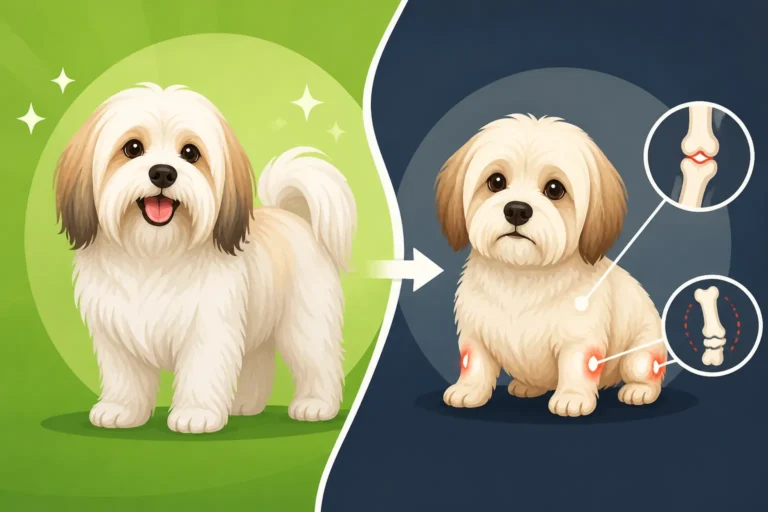
Chondrodysplasia essentially means "disordered cartilage growth." Cartilage is the template for most bones, especially the long bones in a dog’s legs, and if that template doesn’t develop correctly, the bones themselves won’t grow to their intended length or form. Imagine trying to build a house with poorly designed blueprints – the resulting structure might stand, but it won't be as strong or as well-proportioned as it should be. For your Havanese, this can lead to legs that appear disproportionately short compared to their body, or you might notice a slight bowing or curvature, particularly in the front limbs. It's a condition that can often go unnoticed by the casual observer, sometimes even mistaken for a charming "low-rider" physique that some people incorrectly associate with the breed. However, what might seem endearing on the surface can translate into biomechanical stresses on their joints, spine, and overall skeletal system over time. Understanding What Chondrodysplasia Does to a Havanese is the first step in providing the best care for your companion.
It’s crucial to distinguish between a naturally sturdy, slightly shorter-legged Havanese, which is within the breed standard for many, and a Havanese exhibiting true chondrodysplasia. The breed standard does not call for extreme dwarfism. While some Havanese naturally have a more compact build, true chondrodysplasia results from an underlying genetic issue that impacts the integrity of their skeletal structure. This distinction is vital because while a compact Havanese is perfectly healthy, one with chondrodysplasia may face increased risks for joint problems like arthritis, patellar luxation, or even intervertebral disc disease (IVDD) later in life. It's not just about aesthetics; it's about the long-term health and comfort of your furry friend. Owners who are deeply invested in the well-being of their Havanese need to be vigilant and informed about these nuances.
The Genetic Basis Behind Short Legs and Bowed Limbs
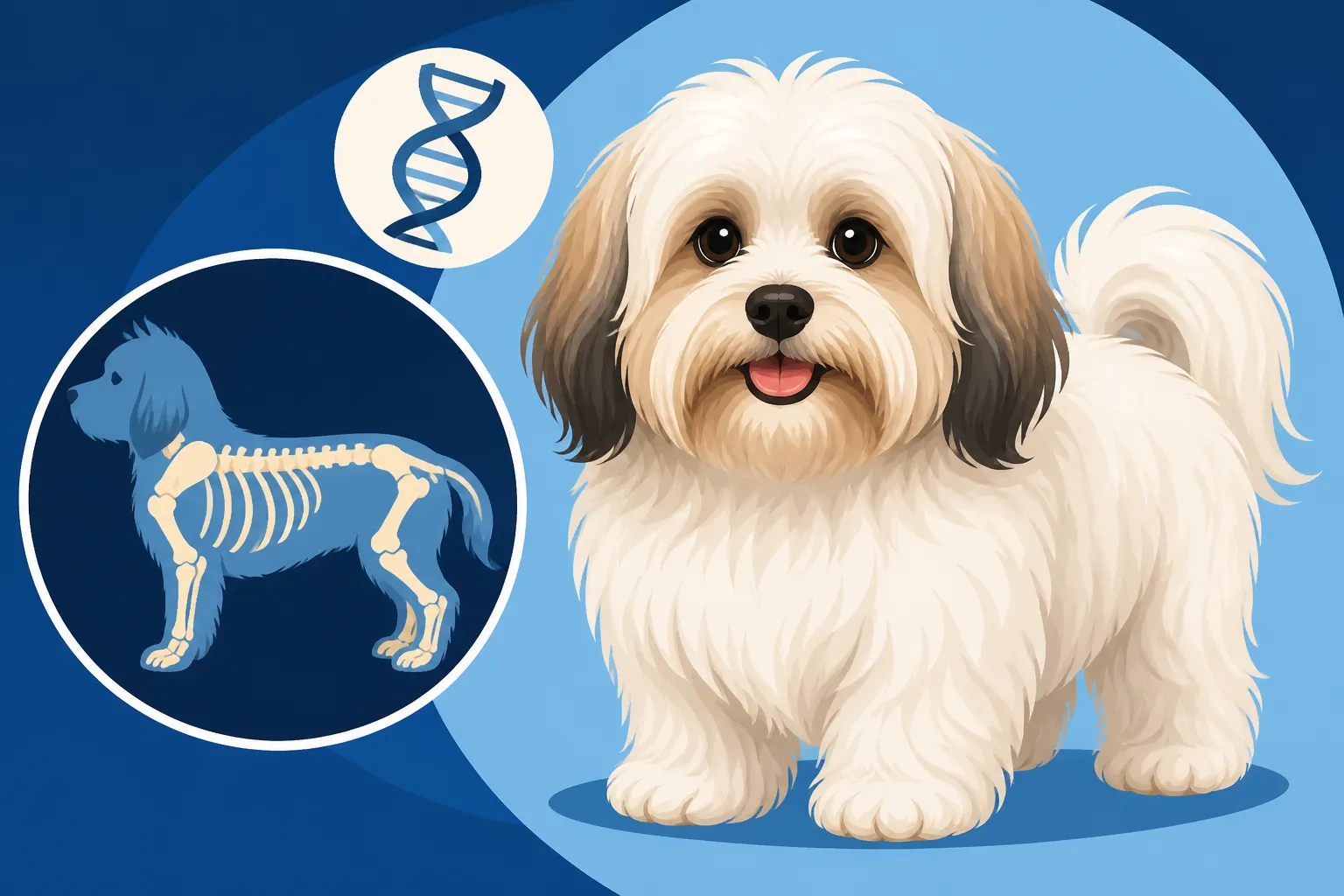
The specific form of chondrodysplasia that affects Havanese is often inherited in an autosomal recessive pattern. This means that a puppy must inherit two copies of the faulty gene – one from each parent – to be affected by the condition. If a Havanese inherits only one copy of the gene, they are considered a "carrier." Carriers typically show no signs of chondrodysplasia themselves, living perfectly healthy lives, but they can pass the gene on to their offspring. This is where the complexity truly lies for breeders and why genetic testing is so important. Without proper genetic screening, two healthy-looking carrier parents could produce affected puppies, completely unbeknownst to them. This silent transmission through generations makes it a particularly challenging condition to eradicate from breeding lines without diligent testing.
The history of the Havanese breed, with its relatively small founding population after nearly dying out, contributes to the prevalence of certain genetic conditions. While dedicated breeders have worked tirelessly to expand and diversify the gene pool, some traits, including predispositions to conditions like chondrodysplasia, can become more concentrated. It's a stark reminder that even the most well-intentioned breeding programs face an uphill battle against invisible genetic factors. This genetic reality highlights why understanding Whether a Havanese Is Meant to Have Short Legs from a structural standpoint is crucial, moving beyond mere appearance to consider underlying health. This genetic lottery is why responsible breeding practices are absolutely paramount. Breeders often consult with geneticists and conduct extensive health panels to ensure they are making the most informed decisions to produce healthy puppies, minimizing the chances of passing on these troublesome genes.
Recognizing the Signs in Havanese Puppies
Identifying chondrodysplasia in a Havanese puppy can be tricky because puppies, by their very nature, are often a bit clumsy, gangly, and still growing into their bodies. What might seem like an adorable, slightly awkward gait could, in some cases, be an early warning sign of an underlying skeletal issue. It’s not about being overly paranoid, but rather being an observant and informed owner who knows what to look for, especially during those crucial early months of development when bone growth is most rapid.
Spotting Early Indicators of Chondrodysplasia
Early signs of chondrodysplasia in Havanese puppies might be quite subtle. You might notice that their legs, particularly the front ones, appear shorter in proportion to their body than what you'd typically expect, even for a breed known for its compact size. Sometimes, there's a distinct bowing of the limbs, making their legs look curved rather than straight. This isn't just a cosmetic issue; that curvature can place abnormal stress on their joints and growth plates. A puppy might also exhibit an unusual gait, perhaps a bit of a waddle, or an awkward bounce that doesn't quite seem right, even for playful puppy antics. They might tire more quickly during play or show reluctance to jump or navigate small obstacles that other puppies of their age handle with ease.
Observing your puppy's posture and movement during everyday activities is key. For example, when they stand, do their elbows seem to point outwards slightly, or do their paws turn in or out excessively? When they walk, is their stride noticeably shorter or less fluid than other puppies? Pay attention when they get up from a nap; do they seem stiff or uncomfortable? These aren't definitive diagnoses on their own, of course, but they are certainly observations worth discussing with your veterinarian. A good breeder will also be transparent about their lines and potential genetic predispositions, and should be happy to talk through any concerns you have. This kind of open communication is invaluable. It’s especially helpful to know about Spotting Bowed Legs in a Havanese Puppy for proactive care.
Distinguishing Normal Puppy Growth from Concerns
It's easy to get worried by every little thing a puppy does, and it's true that Havanese puppies go through various growth stages where their proportions can seem a bit "off" before they fully mature. Their long, silky coats can also cleverly mask some of these skeletal characteristics, making visual assessment more challenging. A young Havanese might have a slightly clumsy appearance simply because their coordination isn't fully developed, or they might be in a "lanky" phase where their legs seem disproportionately long or short compared to their body before they fill out. This is perfectly normal. However, what we're looking for with chondrodysplasia are consistent, persistent abnormalities in limb structure and gait that don't resolve with time.
A healthy Havanese puppy should generally move freely and gracefully, with a springy gait. While they are a sturdy toy breed, their legs should appear relatively straight and strong. If you’re consistently seeing bowed legs, an awkward waddle, or persistent discomfort, that’s when your "owner intuition" should kick in, prompting a call to the vet. Don't be afraid to ask questions, or even seek a second opinion if you're truly concerned. Trusting your instincts about your pet’s well-being is vital. A reputable breeder will have addressed potential concerns about Whether a Havanese Puppy's Legs Should Look Straight long before you bring your puppy home, providing health clearances for the parents.
Table: Distinguishing Normal Havanese Puppy Traits from Potential Chondrodysplasia Signs
| Trait | Normal Puppy Growth (Typical Havanese) | Potential Chondrodysplasia Signs |
|---|---|---|
| Leg Length | Proportionate to body, sturdy build | Disproportionately short long bones, especially front legs |
| Leg Shape | Generally straight, well-formed | Noticeable bowing or curvature, particularly in forelegs |
| Gait/Movement | Agile, springy, sometimes clumsy in phases | Consistent waddle, stiff, awkward, or short-strided walk |
| Energy Levels | High play drive, recovers quickly | Tires easily, reluctant to jump or run |
| Posture | Stands evenly, paws point forward | Elbows splayed, paws turned in/out, uneven stance |
| Comfort | Rarely shows stiffness or discomfort | May seem stiff after rest, reluctant to be handled around joints |
| Coat Masking | Can hide some subtle features | Can easily mask underlying skeletal issues, making visual checks harder |
Diagnosing Chondrodysplasia
The thought of your precious Havanese puppy potentially having a genetic condition can be truly anxiety-inducing. But the good news is that veterinary science has advanced, offering clear pathways for diagnosis. Getting a definitive diagnosis is crucial, not just for your peace of mind, but more importantly, for setting up a proactive care plan that can enhance your Havanese’s quality of life. Don't let fear deter you from seeking professional help.
Veterinary Examinations and Imaging Techniques
When you visit your veterinarian with concerns about your Havanese’s gait or limb structure, they will typically start with a thorough physical examination. This isn't just a quick glance; it involves careful palpation of the bones and joints, assessing range of motion, and observing your dog’s movement. They’ll be looking for signs of pain, instability, or abnormal angles in the limbs. If they suspect chondrodysplasia, the next step almost always involves imaging. X-rays are the gold standard for visualizing bone structure and are incredibly effective in revealing the characteristic changes associated with chondrodysplasia. These changes can include shorter, thicker long bones, wider growth plates, and sometimes deformities in joint surfaces.
Sometimes, especially if the initial X-rays are inconclusive or if the condition is very subtle, your vet might recommend more advanced imaging techniques like CT scans. These provide a three-dimensional view of the bones and joints, offering even greater detail. It's also important to remember that a diagnosis isn't just about identifying the condition but also assessing its severity and any secondary issues that may already be present, such as early signs of arthritis. A comprehensive vet visit might also include a discussion about genetic testing for the parents if they are still part of a breeding program, as this can confirm the genetic basis for the condition. Pet insurance providers like Healthy Paws often cover diagnostic procedures for genetic conditions once a policy is in place, which can alleviate some of the financial stress.
Why Early Diagnosis Matters for Havanese
Early diagnosis of chondrodysplasia in your Havanese is paramount for several reasons. Firstly, it allows you to understand the specific challenges your dog might face and work with your vet to implement a management plan before severe problems arise. For instance, if you know your Havanese has chondrodysplasia, you can take preventive measures to protect their joints, such as controlling their weight rigorously, avoiding high-impact activities, and perhaps starting joint supplements at a younger age. It’s much easier to prevent or delay the onset of secondary issues like arthritis than it is to treat them once they’ve become painful and debilitating.
Secondly, an early diagnosis helps set realistic expectations for your dog’s physical capabilities. You'll know that perhaps extensive agility training or long, strenuous hikes might not be the best fit for your dog, even if their spirit is willing. Instead, you can focus on gentler forms of exercise that maintain muscle tone without overstressing their delicate joints. For families with young children, understanding the condition can also guide how children interact with the dog, ensuring they are gentle and supportive of their dog's physical needs. Essentially, early diagnosis empowers you to tailor your Havanese's lifestyle to their specific needs, ensuring they can enjoy a comfortable and joyful life for as long as possible. It also informs breeders about the genetic health of their lines, helping them make responsible decisions.
Living with a Havanese with Chondrodysplasia
Bringing a Havanese with chondrodysplasia into your life doesn't mean a life of constant worry or a dramatically shortened lifespan. It simply means you'll be a more intentional and proactive caregiver, focusing on supportive measures that keep your furry companion comfortable and happy. Many dogs with this condition lead wonderfully full lives with the right adaptations and care. It’s all about understanding their unique needs and adjusting accordingly.
Managing Daily Life and Providing Support
Managing the daily life of a Havanese with chondrodysplasia is largely about creating an environment that minimizes stress on their joints and maximizes their comfort. This often starts with something as simple as providing soft, orthopedic bedding. Imagine living with constant joint strain; a supportive bed can make a world of difference for a good night's sleep and reducing morning stiffness. It also means being mindful of their interactions with the world around them. While Havanese are known for their playful energy, a dog with chondrodysplasia may need gentler play sessions, perhaps more frequent, shorter walks rather than one long, arduous trek.
Weight management is another critical aspect. Every extra pound puts additional strain on compromised joints, so maintaining a lean body condition is paramount. Work closely with your vet to determine the ideal weight for your individual Havanese and stick to a feeding plan that helps them achieve it. Regular, gentle massage can also be beneficial, not just for muscle relaxation but also for bonding. Your vet might also recommend joint supplements containing ingredients like glucosamine, chondroitin, or MSM, which can support cartilage health and reduce inflammation. For a Havanese with chondrodysplasia, these aren't just "nice-to-haves"; they can be an integral part of their daily care routine.
Exercise, Weight, and Joint Care Considerations
Exercise for a Havanese with chondrodysplasia needs to be carefully managed. The goal is to build and maintain muscle mass to support their joints, without causing undue impact or strain. High-impact activities like repeated jumping, long runs on hard surfaces, or strenuous agility courses are generally best avoided. Instead, focus on low-impact exercises such as leash walks on soft ground (like grass or dirt trails), gentle swimming (if your Havanese enjoys it and it's supervised), or structured indoor play sessions. Short, frequent walks are often better than one long one, allowing for rest and preventing overexertion. Always pay attention to your dog's cues; if they seem stiff or tired, it's time to rest.
As mentioned, keeping your Havanese at a healthy weight is non-negotiable. Obesity significantly exacerbates joint pain and accelerates degenerative joint disease. This means careful portion control and choosing high-quality, appropriate dog food. Regular weigh-ins at home or at your vet's office can help you stay on track. Beyond diet, consider regular veterinary check-ups focused on joint health. Your vet can monitor for signs of arthritis and recommend interventions like anti-inflammatory medications if needed. Some owners also explore canine physiotherapy or hydrotherapy, which can be incredibly beneficial for strengthening muscles and improving mobility without stressing joints. Remember, pet insurance like Healthy Paws can be a lifesaver for these ongoing veterinary needs, covering costs for treatments and therapies related to chronic conditions. Maintaining a Whether a Havanese Should Be Kept Slim for Its Joints is a key component of their overall well-being.
Environmental Adaptations for Comfort and Safety
Your home environment plays a significant role in the comfort and safety of a Havanese with chondrodysplasia. One of the biggest concerns is protecting their joints from repetitive stress. This means eliminating opportunities for high-impact jumps. Steps or ramps to access furniture like couches and beds are essential. Small dogs love to be with their people, and expecting them not to jump off the sofa or bed is unrealistic and unsafe for their joints. Investing in quality pet steps or a ramp means they can safely join you without risking injury. You can learn more about this by reading Keeping a Havanese Off Furniture It Should Not Jump From.
Additionally, consider the flooring in your home. Slippery hard floors can be very challenging for dogs with joint issues, as they lack traction and can lead to slips and falls that exacerbate pain or even cause injury. Placing non-slip rugs or runners in high-traffic areas can make a huge difference in their confidence and mobility. Dog booties with good grip can also be an option for indoor wear if your Havanese tolerates them. Think about making their water and food bowls easily accessible without requiring them to stoop excessively, especially as they get older. Small changes to their living space can profoundly improve their quality of life and minimize everyday strain on their unique skeletal structure.
Breeding Responsibly and Screening for Chondrodysplasia
For anyone involved in breeding Havanese, or even just considering buying a puppy, the topic of responsible breeding and genetic screening for conditions like chondrodysplasia is paramount. It's not just about producing beautiful puppies; it's about safeguarding the health and future of the entire breed. The decision to breed carries a heavy responsibility to ensure the health and welfare of future generations.
The Role of Health Testing in Preventing Inherited Conditions
Health testing is the cornerstone of responsible breeding, and for a condition like chondrodysplasia, which has a genetic basis, it's absolutely non-negotiable. Breeders should be conducting specific genetic tests to identify if their breeding dogs are carriers or are affected by the gene responsible for chondrodysplasia. Since it's often an autosomal recessive trait, even dogs that appear completely healthy can be carriers and pass the gene to their offspring. This is why testing all potential breeding stock is so vital. If a breeder knows a dog is a carrier, they can make informed decisions about pairings, ensuring that two carriers are never bred together, which would guarantee affected puppies.
Beyond genetic tests, good breeders also conduct thorough physical examinations and obtain X-rays of their breeding dogs' hips and elbows, looking for any subtle signs of skeletal abnormalities. While these may not directly diagnose chondrodysplasia, they can reveal secondary issues that might indicate an underlying problem or predispose the dog to joint issues. The goal of health testing is to minimize the risk of passing on known genetic diseases, thereby improving the overall health and longevity of the breed. Prospective puppy buyers should always ask for proof of health testing for both parents, including genetic screening results for chondrodysplasia. This due diligence is critical for ensuring you're bringing home the healthiest puppy possible. Don't hesitate to ask Whether a Havanese Breeder Screens for Chondrodysplasia.
Understanding Breeder Responsibilities and Genetic Counseling
A responsible Havanese breeder understands that their role goes far beyond simply pairing two dogs. It involves a deep commitment to the breed's health, which includes extensive genetic counseling and careful selection of breeding partners. They will not only test their own dogs but also research the health history of the entire pedigree, looking for any patterns of inherited conditions. This diligence helps prevent the unwitting spread of genetic issues within the breed. A truly responsible breeder will be transparent about their testing protocols, share results freely, and be able to explain the implications of those results in an understandable way. They will also be upfront if one of their dogs is a carrier, explaining how they manage that risk in their breeding program.
Genetic counseling also involves understanding concepts like gene pooling and diversity. Because the Havanese breed faced a significant bottleneck in its history, nearly going extinct before being rebuilt from a very small number of dogs, there's an inherent challenge with maintaining genetic diversity while also selecting for desirable traits and against health issues. A responsible breeder works to find a balance, aiming to avoid exacerbating a narrow gene pool while also striving for optimal health. They may even be involved in breed clubs and health initiatives that collect data and fund research into Havanese health. If a breeder can provide you with their dogs’ Canine Health Information Center (CHIC) numbers, this indicates they are participating in a recognized health testing program. It's essential to understand Whether a Havanese Breeder Should Show CHIC Numbers as a marker of their commitment to health. This level of dedication is a hallmark of a truly ethical and responsible Havanese breeder.
Long-Term Outlook and Potential Complications
While a Havanese with chondrodysplasia can lead a happy and fulfilling life with proper care, it's also important for owners to be aware of the potential long-term complications that can arise due to the structural changes in their skeletal system. Being prepared for these possibilities allows you to act proactively, potentially mitigating their severity and ensuring your dog receives timely veterinary attention.
Arthritis and Secondary Joint Issues
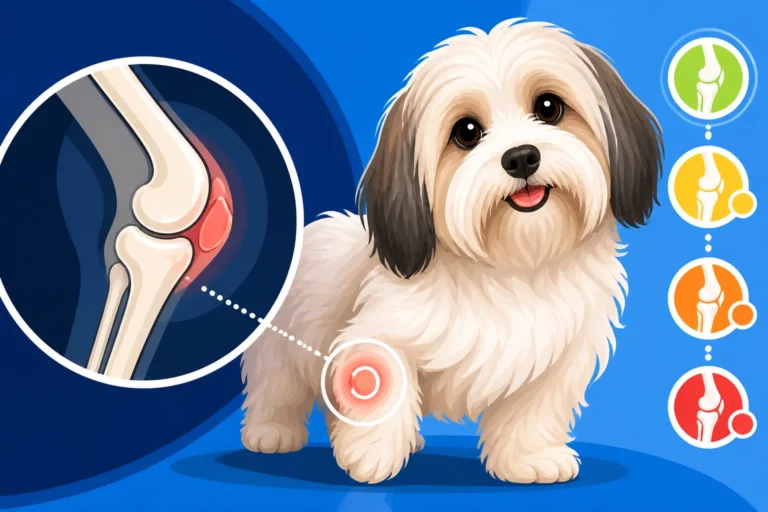
One of the most common and significant long-term complications for a Havanese with chondrodysplasia is the development of osteoarthritis, commonly known as arthritis. The abnormal bone growth and limb alignment mean that their joints don't fit together perfectly, leading to uneven distribution of weight and increased friction within the joint. Over time, this constant abnormal stress causes the cartilage in their joints to wear down prematurely, leading to inflammation, pain, and stiffness. You might notice your Havanese becoming slower to get up, showing reluctance to jump, or limping, especially after exercise or in cold weather.
Arthritis isn't curable, but it is certainly manageable. The key is early intervention and a multi-faceted approach. This includes strict weight management, appropriate low-impact exercise, joint supplements, and sometimes anti-inflammatory medications prescribed by your vet. Physiotherapy and hydrotherapy can also play a crucial role in building supporting muscle and maintaining mobility. Regular veterinary check-ups become even more critical as your Havanese ages, allowing your vet to monitor their joint health and adjust their pain management plan as needed. The goal is to keep them as comfortable and mobile as possible for as long as possible. Understanding conditions like Arthritis in a Havanese at Twelve years old provides perspective on how age can intensify these issues.
Impact on Spinal Health and Overall Mobility
Beyond the limbs, chondrodysplasia can also impact spinal health in Havanese. The altered proportions and stresses on the long bones can sometimes lead to compensatory changes in the spine, particularly in the disc structures. This increases the risk of conditions like intervertebral disc disease (IVDD), where the cushions between the vertebrae degenerate and can rupture or bulge, pressing on the spinal cord. IVDD can cause severe pain, nerve damage, and even paralysis. While not every chondrodysplastic Havanese will develop IVDD, their altered skeletal mechanics mean they can be at a higher risk compared to Havanese without the condition. You can delve deeper into this specific risk by reading Whether a Havanese Gets Disc Disease.
Protecting your Havanese's back is just as important as caring for their joints. This reinforces the need for ramps and steps to prevent jumping, and avoiding activities that involve twisting or sudden impacts. Maintaining core strength through controlled, low-impact exercises can also help support their spine. If you notice any signs of back pain – such as reluctance to move, yelping when picked up, a hunched posture, or weakness in the hind legs – it’s imperative to seek immediate veterinary attention. Prompt diagnosis and treatment of spinal issues are crucial for the best possible outcome. Overall, managing chondrodysplasia is about looking at the dog's entire skeletal system and adopting a holistic approach to their care.
Frequently Asked Questions About Havanese Chondrodysplasia
It's natural to have a myriad of questions when learning about a genetic condition like chondrodysplasia. The internet is full of information, some accurate, some not, and it can be overwhelming to sift through. Here, we aim to address some of the most common questions and concerns that Havanese owners and prospective owners often have, providing clear, realistic answers based on current veterinary understanding.
Common Concerns from Havanese Owners
One common concern for owners whose Havanese is diagnosed with chondrodysplasia is, "Will my dog be in pain their whole life?" The answer is, not necessarily. While the condition predisposes them to joint issues and discomfort, with proactive management and veterinary care, many Havanese live perfectly comfortable lives. The key is diligent monitoring for signs of pain and swift intervention. Another frequent question is, "Can my chondrodysplastic Havanese still play and be a 'normal' dog?" Absolutely! They might need modifications to their play, like shorter sessions or softer landings, but their spirit and desire for interaction will remain. It's about adapting the activities to their physical capabilities, not eliminating joy. Many people also wonder about the financial implications, asking, "How much will this cost me over my dog's lifetime?" While specific costs vary, managing a chronic condition can incur ongoing expenses for vet visits, medications, supplements, and assistive devices. This is where a robust pet insurance plan can be invaluable. Providers like Healthy Paws, for example, can offer significant financial relief for these long-term care needs, ensuring you can always make the best health decisions for your Havanese without undue financial strain.
Owners also often worry about the longevity of their Havanese with chondrodysplasia. While some severe cases might have a slightly reduced lifespan due to advanced complications, many dogs with well-managed chondrodysplasia live to a ripe old age, potentially even reaching The Fourteen to Sixteen Years a Havanese Lives. The quality of their life is largely dependent on the dedication of their owners to provide a supportive environment and consistent veterinary care. The emotional toll can also be a concern. It’s normal to feel sad or frustrated, but remember that your Havanese thrives on your love and attention, not on perfect limb conformation. Focusing on their comfort and happiness is the most important thing you can do.
Dispelling Myths and Providing Clarity
There are several myths surrounding chondrodysplasia in Havanese that need to be addressed. One pervasive myth is that "short legs are just part of the Havanese breed standard and totally normal." While the Havanese is a sturdy, compact toy breed, an extreme or bowed short-legged appearance due to disordered growth is not considered healthy or desirable within responsible breeding circles. It's a fine line, but one that reputable breeders and veterinarians understand. Another misconception is that "all Havanese with bowed legs are in constant pain." As discussed, while they are predisposed to issues, consistent care and management can prevent or minimize pain, allowing for a good quality of life. The presence of bowed legs is a risk factor, not a sentence to suffering. This also helps answer Whether a Havanese With Bowed Legs Is in Pain.
Another common concern is whether "a chondrodysplastic Havanese can walk normally." Many affected dogs can indeed walk, run, and play quite normally, though their gait might be slightly different. The degree to which movement is affected depends on the severity of the chondrodysplasia. Some mild cases might barely show symptoms, while more severe cases will require more significant adaptations. Finally, some owners mistakenly believe that "there's nothing you can do once a dog has it." This is far from the truth. While you can't cure the genetic condition, you can absolutely manage its effects and prevent secondary complications. A proactive approach with your veterinarian, focusing on pain management, joint support, and environmental modifications, can make a monumental difference in your Havanese's health and happiness.
Disclaimer
The information provided in this article is intended for general knowledge and informational purposes only, and does not constitute medical advice. It is essential to consult with a qualified veterinarian for any health concerns or before making any decisions related to your Havanese's health and treatment. Breed-specific health information should always be discussed with a veterinarian familiar with the Havanese breed.