Whether Havanese Performed in Cuban Circuses
One common point of historical confusion for Havanese owners, or those just admiring these charming dogs, is whether these little Cuban treasures actually performed in circuses. It’s a captivating thought, conjuring images of tiny, fluffy performers delighting crowds, and it often sparks a debate. This guide will delve into the historical narratives and actual breed traits to help clear up the lingering questions about the Havanese and their supposed circus past.
The Allure of the "Circus Dog" Label for the Havanese
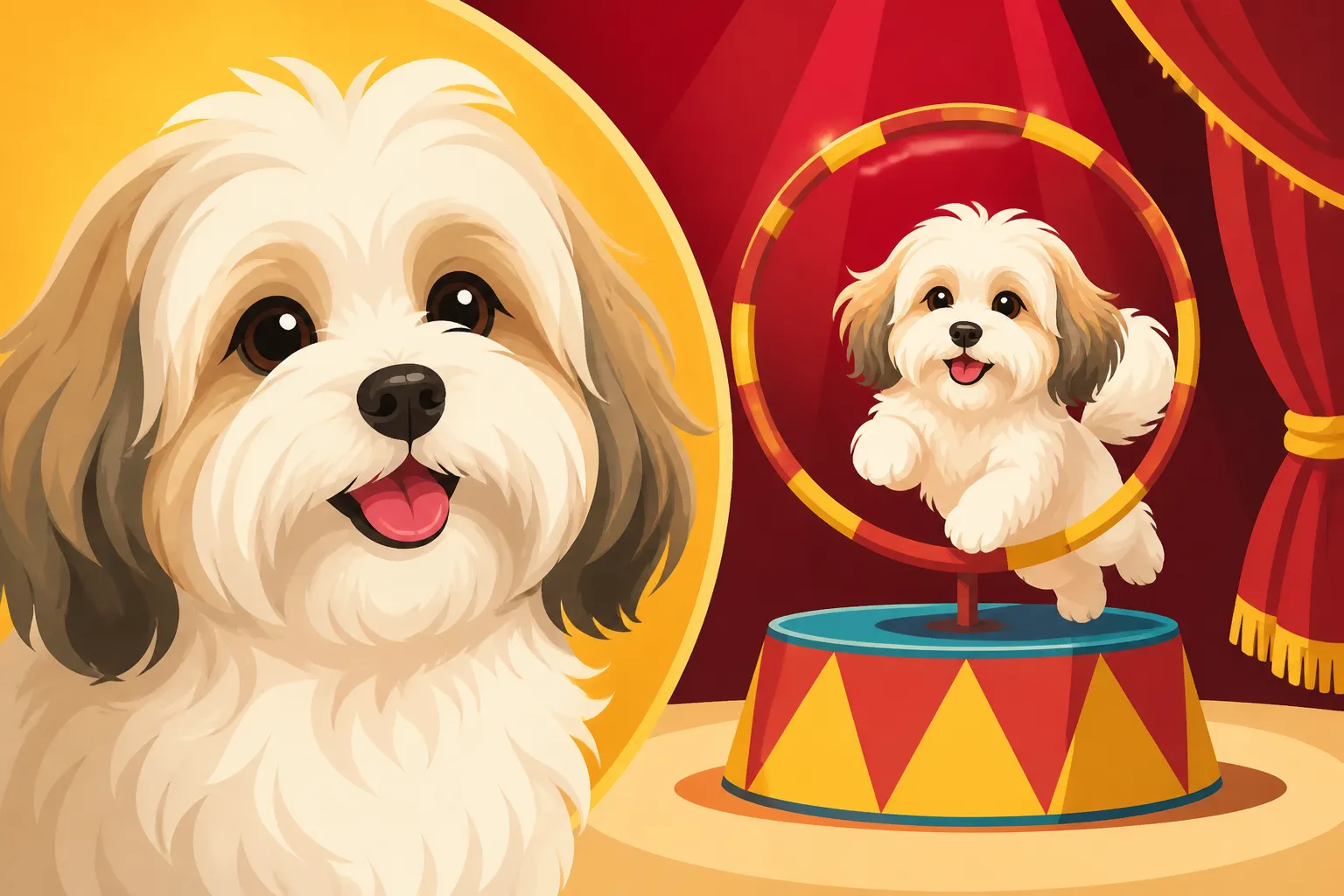
The Havanese is known for its intelligence, quick wit, and endearing charm, making it a natural fit for learning tricks and performing. This innate ability to entertain has often led to the romantic notion that they were once staples in Cuban circuses. It’s easy to imagine these vivacious little dogs, with their expressive eyes and flowing coats, prancing and bowing under the big top. This image is certainly appealing and speaks to the breed's inherent theatricality.
Understanding the Breed's Early History and Role
To understand whether Havanese truly graced the sawdust rings of circuses, we first need to look at their origins. The Havanese breed is famously The Havanese Is the Only Breed Cuba Ever Produced, evolving from earlier Bichon-type dogs brought to the island by Spanish traders. These dogs, often referred to as The Blanquito de la Habana the Havanese Came From, quickly became beloved companions of the Cuban aristocracy and wealthy families. Their primary role was that of a pampered house pet, a lively and affectionate lapdog meant to bring joy and companionship to their owners. They were cherished family members, not typically working dogs in the traditional sense, though their cleverness was certainly appreciated. This background paints a picture of a dog bred for domestic life, not necessarily for public spectacle, at least not initially.
The Myth vs. The Reality of Performance Roles
While the idea of a Havanese juggling balls or walking a tightrope is delightful, concrete historical evidence placing them consistently in formal circuses in Cuba is largely anecdotal rather than documented. Many small, intelligent dogs have historically been taught tricks for amusement, both within family homes and by street performers. The Havanese, with their keen minds, would undoubtedly have excelled at this. It's more likely that their "circus dog" reputation stems from their incredible aptitude for learning and their eager-to-please nature, which made them stars in family settings or smaller, informal street performances, rather than major professional circuses. The "circus dog brain" inside a Havanese is more about their inherent intelligence and desire to engage with their humans than a confirmed professional performing past.
Separating Fact from Folklore in Havanese History
The history of many breeds is intertwined with local lore and stories passed down through generations. For the Havanese, the "circus dog" tale is a charming piece of this oral tradition. However, when we dig into more formal records, the details become a bit fuzzier.
The Role of Companionship Over Showmanship
During their prime in Cuba, particularly among the upper classes, Havanese were seen as symbols of status and devoted companions. They were often showered with attention and enjoyed a life of relative luxury. This contrasts with the rigorous training and lifestyle typically associated with circus animals, which were often chosen for their unique physical attributes or trainability for specific acts. While Havanese are incredibly trainable, their core purpose was always companionship. The notion that The Havanese Was a Dog of the Cuban Aristocracy further supports their role as cherished family pets, rather than public entertainers.
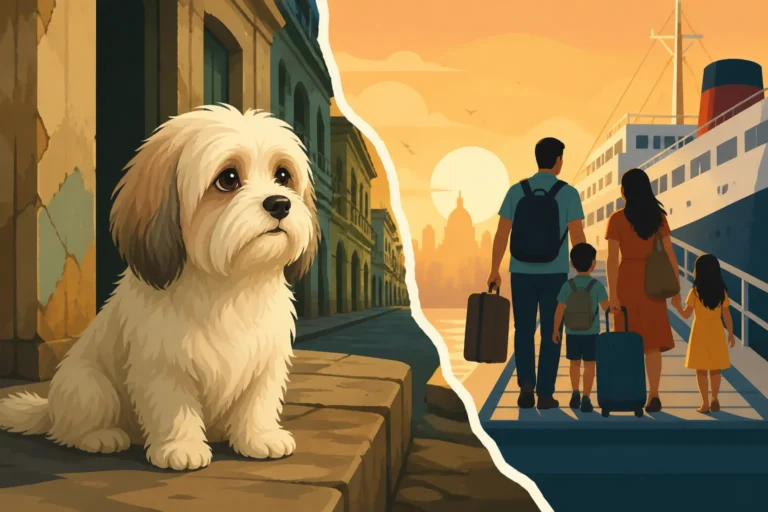
Consider the narrative of the breed's near extinction and subsequent revival. After the Cuban Revolution in 1959, the breed almost vanished from the world stage, with only a handful of refugees bringing their beloved dogs to America. How the Havanese Nearly Died Out After 1959 and the story of The Refugee Dogs Every American Havanese Descends From emphasize their value as family members, dogs that people literally risked everything to save. This survival story reinforces their deeply personal connection to their owners, rather than a history of being commercial performers.
The "Performing Dog" Stereotype and Small Breeds
It's also worth noting that many small, intelligent breeds were, and still are, prone to being labeled "circus dogs" simply because they can learn an impressive array of tricks. Poodles, terriers, and various other toy breeds have historically been popular choices for vaudeville acts, street performances, and indeed, circuses, due to their size, agility, and biddable temperaments. The Havanese certainly fits this mold of a highly trainable small dog. So, while a Havanese could have performed in a circus, the claim that they were a breed specifically known for this in Cuban circuses is not as strongly supported as, say, their history as beloved family companions. The line between a family pet that performs tricks and a professional circus performer can often become blurred in historical anecdotes.
Why the Havanese Excels at Learning and Performance
Regardless of their official circus pedigree, there's no denying the Havanese possesses all the qualities that would make them stellar performers. This isn't just about anecdotes; it's about their inherent breed characteristics.
Intelligence and Trainability
Havanese are renowned for their intelligence. They are quick learners, eager to please, and respond exceptionally well to positive reinforcement. This combination makes Why the Havanese Learns Tricks Faster Than Most Toys. They thrive on mental stimulation and genuinely enjoy engaging with their people, often seeing training sessions as a fun game rather than a chore. This mental acuity means they can master complex tricks and routines with relative ease, making them stars in trick training, obedience, and even agility. I've heard countless stories from owners who have taught their Havanese an incredible repertoire of commands and flourishes, far beyond what many expect from a small companion dog.
| Trait | Description | Relevance to Performance |
|---|---|---|
| Intelligence | Quick to understand commands and problem-solve. | Masters complex routines and sequences rapidly. |
| Eager to Please | Strong desire to make their human happy. | Highly motivated to comply and impress during training. |
| Playfulness | Maintains a puppy-like exuberance throughout life. | Brings energy and joy to performances, making them captivating. |
| Agility | Nimble, athletic for their size, with a springy gait. | Capable of intricate movements, jumps, and obstacle courses. |
| Affectionate Nature | Bonds strongly with family, thrives on interaction. | Builds a strong working relationship with a trainer, performs with confidence. |
| Expressive | Communicates clearly with facial expressions and body language. | Adds personality and charm to any act, engaging an audience. |
The Joy of Engagement and Attention
Havanese dogs absolutely adore attention. They live to be part of the family action and thrive on interaction. This desire to be the center of your world translates directly into their enthusiasm for learning and performing. When you're Teaching a Havanese Tricks It Will Perform All Day, you're not just training them; you're building a bond and fulfilling their need for mental and social engagement. They truly light up when they know they've done something right and received praise or a tasty treat, perhaps from a selection found on Chewy. This emotional reward system makes them highly motivated students and charismatic performers, whether it's for a crowd of thousands or just their adoring family in the living room.
Physical Attributes for Agility and Charm
Despite their toy breed status, Havanese are surprisingly sturdy and agile. Their light, springy gait makes them graceful movers, and they can navigate obstacles with impressive speed and precision. This physical prowess, combined with their flowing coat and charming demeanor, creates an irresistible presence. They naturally carry themselves with a certain elegance, which would certainly have been an asset in any performance setting. Their compact size also means they are easy to handle and can adapt to various performance environments, from a small stage to a bustling home.
Modern Havanese: Trick Stars and Therapy Heroes
Today's Havanese may not be gracing traditional circuses, but their inherent talents are certainly put to good use in a variety of modern roles that showcase their intelligence and charm.
Excelling in Dog Sports and Activities
Many Havanese owners find immense joy in channeling their dog's intelligence and energy into various dog sports. From competitive obedience and rally to agility and trick dog titles, the Havanese consistently proves its capability. It's common to see Havanese earning multiple Whether a Havanese Can Earn Trick Titles through organizations that recognize their amazing aptitude for learning and performing. They love the challenge and the opportunity to work closely with their handlers. These activities provide vital mental stimulation and physical exercise, keeping these smart dogs happy and well-adjusted. Finding appropriate training gear, like clickers, target sticks, or even puzzle toys to keep their minds sharp, is easy through retailers like Chewy.
Moreover, their friendly and adaptable nature makes them excellent candidates for therapy work. The qualities that might have made them "circus dogs" – their gentle disposition, engaging personality, and love for people – are precisely what makes Whether a Havanese Makes a Therapy Dog. They bring comfort and smiles to hospital patients, nursing home residents, and stressed students, proving that their ability to "perform" joy and connection is far more valuable than any acrobatic feat.
Companionship Remains Their True Calling
Ultimately, while the debate about their circus past adds a fun layer to their history, the Havanese's true and enduring legacy is that of an exceptional companion. They were bred for companionship, they excelled at it throughout history (even when The Havanese Was Ever a Working Dog was not their primary role), and they continue to do so today. Their intelligence and eagerness to please are simply bonuses that make them wonderful partners for trick training, dog sports, or simply being the most entertaining and affectionate presence in your home. They are natural performers in the theater of everyday life, always ready to charm, amuse, and cuddle their way into your heart.
Their ability to learn tricks and delight an audience is more a testament to their delightful personality and keen mind than a specific history in big-top circuses. So, while your Havanese might not have a sequined costume, they certainly possess the star power to brighten any room they enter.
Disclaimer
This article is for general informational purposes only and does not constitute professional advice. Laws, prices and regulations vary by location and change over time. Consult a qualified professional for guidance on your specific situation.