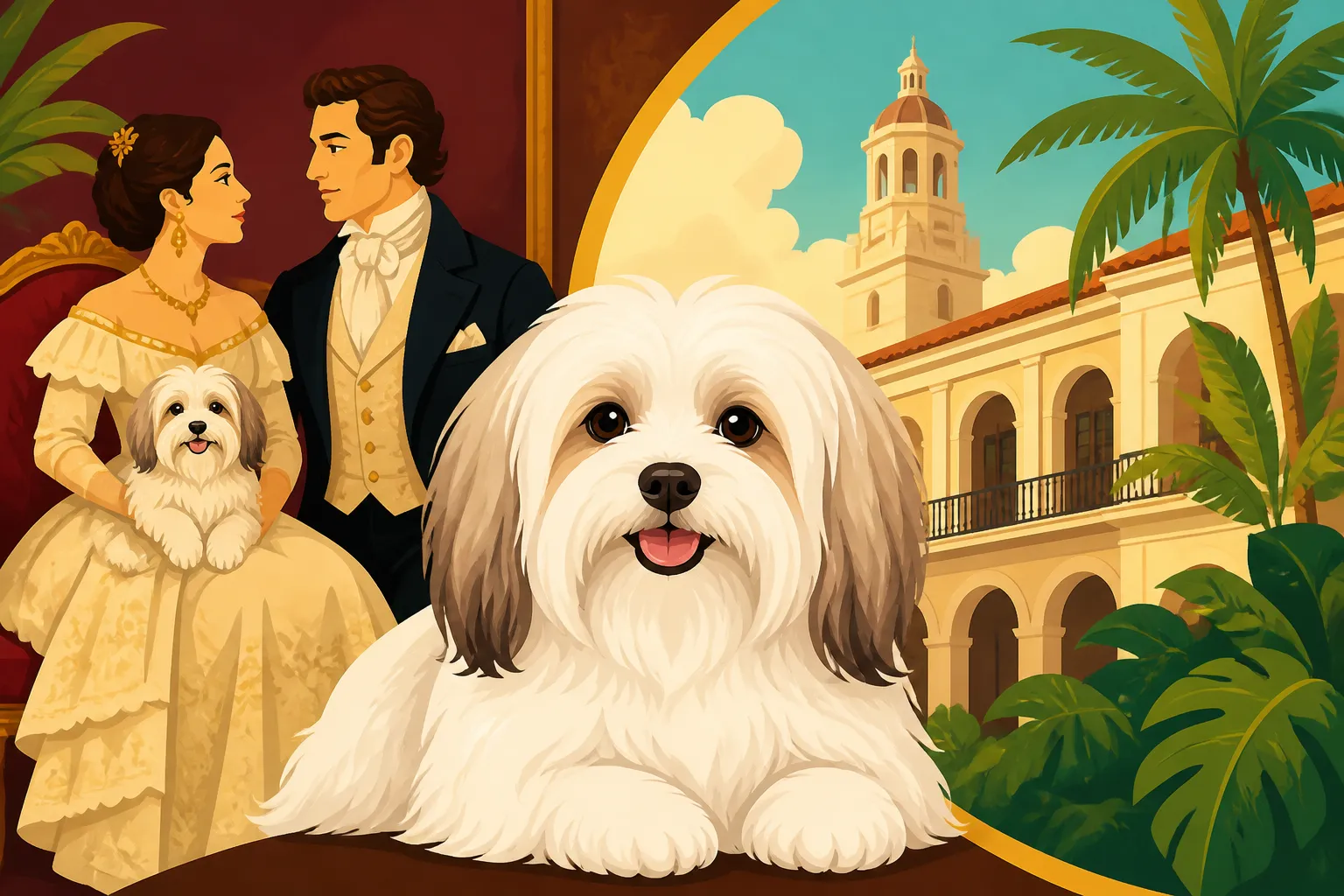
Whether the Havanese Was a Dog of the Cuban Aristocracy
It's a common thought, isn't it? When you see a charming, fluffy Havanese, with their intelligent eyes and playful bounce, it's easy to imagine them gracing the laps of royalty or wealthy families. This breed certainly carries an air of elegance, and for good reason! Many people wonder if the Havanese was truly the pampered pet of Cuba's elite, and the answer, steeped in history and a little bit of mystery, is absolutely yes – and then some. This guide will take a deep dive into the fascinating past of the Havanese, exploring their origins, their rise to prominence among the Cuban aristocracy, and how their destiny shifted through the ages.
The Seafaring Journey to Cuba: Ancestors of the Havanese Arrive
Before the Havanese could become the beloved companion of Cuba's high society, their ancestors had to make a long journey across the Atlantic. It wasn't an overnight trip, and it involved a fascinating mix of trade, exploration, and the simple human desire for companionship. Understanding this initial voyage helps us appreciate the foundation of the breed's historical significance.
Tracing the Bichon Lineage to the Canary Islands
The story of the Havanese begins not in Cuba, but far across the sea, with a group of small, charming dogs known as the Bichon type. These breeds, including the Bichon Frise, Maltese, and Bolognese, share common ancestors and a history as delightful lapdogs. Their origins are often traced back to the Mediterranean region, from where they spread throughout Europe. As maritime trade routes expanded, so too did the reach of these appealing little canines. It’s believed that the particular branch of these dogs that would eventually find their way to Cuba hailed from the Canary Islands. Imagine those ancient ships, laden with goods, making stops along various ports, and bringing these little bundles of joy with them. This connection tells us a lot about Which Century Bichon Type Dogs Reached Cuba.
Spanish Merchants and Their Canine Companions
It was the Spanish colonists and merchants, venturing across the vast ocean to establish new trade routes and settlements in the "New World," who brought these small dogs to Cuba. Life on the high seas and in newly established, often harsh, colonies was certainly no walk in the park. Amidst the challenges, these little dogs offered a much-needed source of comfort, companionship, and a touch of home for the travelers. They weren't just cargo; they were cherished members of the crew, providing a warm body and an affectionate gaze during lonely voyages. These dogs, resilient and adaptable, quickly made themselves indispensable to their human companions, paving the way for their future in Cuban society.
Early Integration into Cuban Society
Upon arriving in Cuba, these small, lively dogs were a breath of fresh air. The wealthy Spanish settlers and burgeoning Cuban elite, who had established sprawling plantations and grand estates, quickly took a liking to these charming creatures. They weren't just cute; they were exotic, a living symbol of connection to the European homeland. These dogs weren't working dogs in the traditional sense – you wouldn't find them herding cattle or guarding property – but their "work" was equally important: providing affection and brightening the lives of their owners. They assimilated quickly, thriving in the warm climate and the loving attention they received.
The Blanquito de la Habana: A Symbol of Early Cuban Wealth
Once these dogs settled on the island, they began to adapt and evolve, eventually becoming known as the Blanquito de la Habana, or "little white dog of Havana." This designation itself hints at their privileged position within society, as Havana was the bustling hub of wealth and influence. These dogs weren't running wild; they were firmly ensconced within the most opulent homes.
Life Within the Colonial Estates
In the sprawling colonial estates, where life often revolved around social status and extravagant displays of wealth, the Blanquito de la Habana found its perfect niche. Picture grand mansions with shaded courtyards, lavish gardens, and servants attending to every need. The Blanquito fit right in, trotting through elegant hallways, napping on silken cushions, and offering loyal companionship to the ladies of the house and their children. They were a constant, comforting presence, a small, vibrant splash of life against the backdrop of opulence. Unlike larger, more utilitarian breeds, their role was purely ornamental and affectionate, a testament to their owners' ability to afford such a delightful extravagance.
Companionship and Status for the Sugar Barons
Cuba's economy, particularly in the colonial era, was heavily reliant on sugar production, which created immense wealth for a select few – the "sugar barons." These powerful families often sought ways to display their prosperity and sophistication, and owning beautiful, exotic dogs was a prime example. The Blanquito de la Habana became a coveted status symbol, a living accessory that underscored one's position in the social hierarchy. It was a subtle, yet powerful, statement. Imagine a wealthy planter's wife, adorned in fine lace, with a tiny, white dog nestled gracefully in her arms as she entertained guests. The dog was not just a pet; it was part of the tableau of aristocratic life. This really drives home Whether Havanese Were Kept by Cuban Sugar Families.
The Distinctive Look of the Early Cuban Havanese
The Blanquito de la Habana, as its name suggests, was predominantly white, with a long, soft, silky coat. Over time, through natural selection and perhaps some selective breeding by their aristocratic owners, certain traits became more pronounced. They were small, sturdy, and charming, perfectly suited for indoor life and constant human companionship. While the modern Havanese boasts a kaleidoscope of colors, that early foundation of a predominantly white, silky-coated dog is key to understanding its historical appearance. If you're curious about What the Blanquito de la Habana Looked Like, you'll find that their ancestors truly set the stage for the beloved breed we know today.
Evolution of a Companion: The Havanese Among Cuba's Elite
As Cuba prospered and its society matured, so did the Havanese breed. It wasn't static; it adapted, evolved, and became even more deeply ingrained in the lives of the wealthy, taking on new characteristics and a more refined image.
The Era of Refinement and Crossbreeding
The 18th and 19th centuries saw a significant influx of European visitors and merchants to Cuba, bringing with them new trends and, yes, new dogs. Among these arrivals were other small, fashionable breeds, particularly Poodles, which were highly regarded for their intelligence and elegant appearance. It's believed that these Poodles were sometimes crossed with the existing Blanquitos. This crossbreeding wasn't arbitrary; it was likely an intentional effort by the elite to further refine the breed, perhaps adding to its genetic diversity, intelligence, and coat variations. The aim was to produce an even more desirable, unique companion dog that retained the beloved traits of the Blanquito while incorporating new, fashionable characteristics. This period of refinement was crucial in shaping the Havanese we recognize today.
From Blanquito to "Havana Silk Dog"
With these developments, the breed began to transform, not just in its genetics but also in its popular perception and even its name. The term "Blanquito" slowly gave way to "Havana Silk Dog," a name that beautifully encapsulates the breed's luxurious, flowing coat and its strong association with the capital city. This new name further cemented its aristocratic connections. Imagine the pride in owning a "Havana Silk Dog" – it spoke of sophistication, beauty, and a certain exotic allure. These dogs were not merely pets; they were living works of art, carefully bred and groomed to perfection. Many historical accounts refer to them by this name, highlighting their role as cherished members of elite households. You can learn more about Whether the Havanese Was Called the Havana Silk Dog if you're interested in the fascinating shift in their identity.
Royal Gifts and High Society Connections
The Havanese became so popular among the Cuban elite that they even found their way into European royal courts. It wasn't uncommon for these charming little dogs to be given as diplomatic gifts or to accompany wealthy Cuban families on their travels to Europe. This practice further elevated their status, confirming their desirability among the highest echelons of society. Imagine a Havanese charming European nobility, a little piece of Cuban sunshine and sophistication brought to foreign palaces. This international recognition solidifies the Havanese's reputation as a dog of distinction, far removed from a common farm dog or hunter. They truly were companions for those who could afford the very best, often living a life of luxury and leisure, much like their aristocratic owners.
Beyond the Gold Gates: The Havanese and Other Cuban Lives
While the Havanese certainly held a special place in the hearts and homes of Cuba's aristocracy, it's important to remember that life, even in a class-stratified society, is rarely so neatly compartmentalized. There's evidence to suggest that the Havanese's charm wasn't exclusively confined to the wealthiest families. Their engaging personalities and trainability meant they could find roles in other segments of Cuban society too.
The Emerging Middle Class and Their Lapdogs
As Cuba developed, a vibrant middle class began to emerge – professionals, merchants, and artisans who, while not as wealthy as the sugar barons, still desired the comfort and companionship that a well-bred dog could offer. The Havanese, with its manageable size and affectionate nature, was an ideal fit. These families might not have had sprawling estates, but they could provide loving homes where a Havanese would be cherished. This expanded the breed's reach beyond the absolute top tier, making them beloved pets for a broader, though still comfortable, segment of the population. They were still considered a desirable breed, a step above the common street dog, reflecting a certain level of prosperity and taste.
Havanese as Performers and Entertainers
The intelligence and natural showmanship of the Havanese didn't go unnoticed. Their quick wit and eagerness to please made them excellent candidates for performing in traveling circuses and shows that entertained both the elite and the general populace. These little "circus dogs" could learn a myriad of tricks, from walking on their hind legs to performing complex routines, much to the delight of audiences. This role showcases a different facet of their temperament and intelligence, proving they weren't just decorative lapdogs. It also speaks to their inherent trainability, something many Havanese owners appreciate today. You might be interested in Whether the Havanese Really Performed in Circuses, as this aspect of their history is quite fascinating and a testament to their adaptable nature.
The Enduring Charm for All Walks of Life
Ultimately, the Havanese's appeal transcended strict class lines because of its inherently joyful and affectionate nature. Regardless of social standing, people responded to their bright personalities, their playful antics, and their unwavering devotion. While the aristocracy certainly championed and refined the breed, the Havanese's heart was always that of a true companion. Whether nestled on a velvet cushion in a mansion or performing a trick for a delighted crowd, their core purpose remained the same: to bring joy and companionship. This inherent charm is a big part of Why the Havanese Is a Healthy Toy Breed Anyway, as their adaptability and loving disposition have helped them endure.
A New Chapter: The Cuban Revolution and the Breed's Fate
The idyllic life of the Havanese in Cuba, particularly among the aristocracy, was irrevocably changed by the tumultuous events of the Cuban Revolution in 1959. This period marked a dramatic turning point, threatening the very existence of the breed and forcing a handful of courageous individuals to ensure its survival.
Displaced Families and Their Beloved Dogs
When the revolution swept through Cuba, many wealthy families, often associated with the former regime, were forced to flee the country, leaving behind their homes, possessions, and sometimes, even their beloved pets. The chaos and urgency of escape meant that not all Havanese could be taken with their families. This was a heartbreaking time, and countless dogs were left behind, facing an uncertain future. For those who managed to take their Havanese with them, often under difficult circumstances, these dogs became even more precious – a tangible link to the lives they had lost and the culture they cherished. This exodus began the scattering of the remaining Havanese population.
The Near Extinction and Exodus
The political upheaval and subsequent embargo meant that the Havanese breed, once a symbol of Cuban luxury, faced a severe decline on the island itself. Breeding programs ceased, and the remaining dogs either interbred with other local dogs or simply faded away. Outside of Cuba, the few refugee families who had managed to bring their Havanese to other countries, particularly the United States, held the fragile thread of the breed's future. It was a perilous time, and the breed came perilously close to extinction. This critical period is detailed in How the Havanese Nearly Died Out After 1959, a story of resilience and dedication from a few committed individuals who believed in the breed's future.
Rebuilding a Legacy Far from Home
It was in the United States, through the dedicated efforts of a few passionate individuals, that the Havanese breed was painstakingly rebuilt from a tiny handful of surviving dogs. These individuals sought out and gathered the remaining purebred Havanese from refugee families, often starting with just a few core lines. They carefully managed breeding programs, focusing on preserving the breed's unique characteristics and ensuring its genetic health. This monumental task eventually led to the Havanese's recognition by major kennel clubs and its resurgence in popularity. The story of How the Goodales Found Havanese in America is a testament to this incredible feat of breed preservation. Today, when we see a vibrant, healthy Havanese, we're looking at the living legacy of those who refused to let this charming piece of Cuban history vanish.
The Modern Havanese: Echoes of an Aristocratic Past
Today, the Havanese is a beloved companion breed found in homes around the world, far removed from its exclusive origins in Cuban aristocracy. However, understanding its past helps us appreciate the breed's inherent qualities and why it remains such a popular choice for families and individuals alike. The echoes of its noble history are still very much present in its temperament and charm.
Retaining the Companion Dog Temperament
One of the most enduring legacies of the Havanese's aristocratic past is its unwavering companion dog temperament. Bred for centuries to live alongside humans and provide affection, they are naturally devoted, intelligent, and eager to please. They thrive on human interaction and genuinely want to be part of every family activity. This deep-seated desire for companionship means they are truly "velcro dogs," often following their owners from room to room, just as they might have followed a sugar baroness through her stately home. This affectionate nature is why The Havanese That Cannot Be Left Alone is a common concern for potential owners, as they truly are happiest when by your side. You won't find them content with being relegated to a kennel; they belong right in the heart of the home, just as they always have.
A Breed Beloved by Many, Not Just a Few
Today, the Havanese is no longer an exclusive pet for the super-rich. Thanks to the efforts of dedicated breeders and enthusiasts who rebuilt the lines, they are enjoyed by a diverse range of owners, from bustling families to retirees seeking a loving friend. Their adaptability, playful spirit, and relatively moderate exercise needs make them wonderful companions for apartment dwellers and homeowners alike. The appeal is widespread, and it’s no longer about status but about the sheer joy these little dogs bring. Their popularity has soared, proving that a loving heart and cheerful disposition are far more valuable than any pedigree of wealth. Whether you're looking for toys, treats, or health supplements for your Havanese, modern retailers like Chewy make it easy to cater to their needs, a stark contrast to their exclusive past.
Understanding Their History, Valuing Their Future
Knowing the rich history of the Havanese, from their arrival on Spanish ships to their status as "Havana Silk Dogs" for the Cuban elite, helps us understand and appreciate the breed on a deeper level. It explains their charming personality, their luxurious coat, and their profound need for human connection. As responsible owners and admirers, we carry forward this legacy by providing them with loving homes, proper care, and continued attention to their health and well-being. This includes understanding their genetic predispositions and ensuring they live long, happy lives. For example, keeping them on a high-quality diet, easily sourced from places like Chewy, supports their overall health. By valuing their past, we ensure a bright future for this truly unique and enchanting breed. After all, the Havanese is The Havanese Is the Only Breed Cuba Ever Produced, a living piece of history that continues to bring joy across the globe.
| Historical Period | Role of Havanese (Blanquito de la Habana) | Social Standing | Key Characteristics |
|---|---|---|---|
| Colonial Era (17th-18th Century) | Affectionate companions for Spanish settlers and early Cuban elite. | High; emerging status symbol. | Mostly white, long silky coat, small size, playful. |
| 19th Century Aristocracy | Beloved lapdogs, diplomatic gifts, status symbols for sugar barons and wealthy families. | Very High; "Havana Silk Dog" moniker. | Refined, luxurious coat, intelligence, diverse colors starting to emerge. |
| Early 20th Century | Companion for middle-class families, performers in circuses. | High to Moderate; enjoyed by broader affluent groups. | Highly trainable, affectionate, adaptable. |
| Post-Cuban Revolution (1959 onwards) | Endangered, carried by refugee families, subject to rebuilding efforts. | Precarious; survival depended on a few individuals. | Resilience, core companion traits remain. |
| Modern Era | Popular companion breed globally. | Widespread; valued for temperament, not solely status. | Affectionate, intelligent, adaptable, diverse coat colors and textures. |
While the historical Havanese certainly enjoyed a life of privilege, surrounded by the finest amenities that Cuban aristocracy could provide, their enduring charm has always been their heart. It's this heart that resonates with so many owners today, regardless of their own social standing. You can find everything you need to pamper your modern Havanese, from comfortable beds to specialized food, from retailers like Chewy, ensuring they continue to live a life of comfort, though perhaps not one involving sugar plantations and diplomatic gifts!
Disclaimer
This article is for general informational purposes only and does not constitute professional advice. Laws, prices and regulations vary by location and change over time. Consult a qualified professional for guidance on your specific situation.