Which State the Havanese Revival Started In
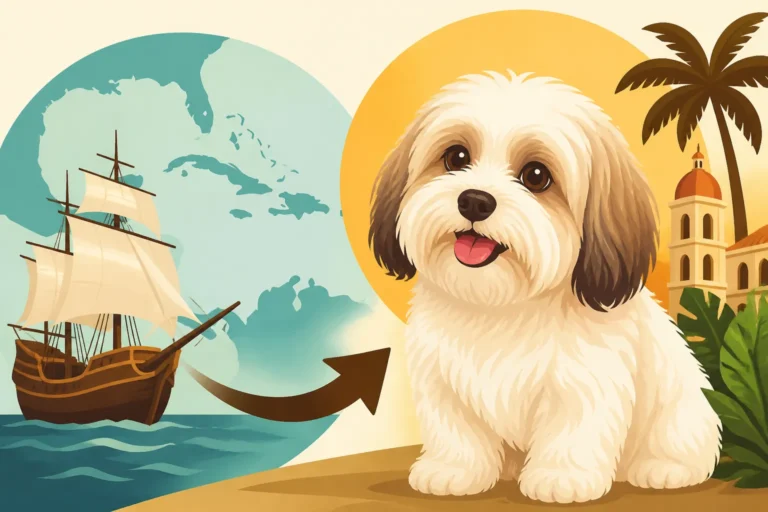
For those of us who adore the Havanese, it's easy to take for granted the vibrant, affectionate dogs we share our homes with today. But imagine a time when this charming breed was on the brink of vanishing forever, a heartbreaking consequence of geopolitical upheaval. This guide dives into that critical period, exploring the desperate situation for the Havanese and, most importantly, pinpointing the specific American state where the dedicated efforts to save and revive this unique Cuban treasure truly began, ensuring its future for generations to come.
The Near Extinction of the Havanese Breed Post-Cuban Revolution
It’s truly a sobering thought: a beloved dog breed, one that had thrived for centuries, almost disappearing from the face of the earth. The Havanese, with their vivacious personalities and flowing coats, were once the cherished companions of Cuban aristocracy and, later, families from all walks of life on the island. They were a fixture, a living piece of Cuban culture, and yet, they came perilously close to becoming merely a footnote in history books.
A Glimpse into Pre-Revolution Havanese Life
Before the Cuban Revolution in 1959, the Havanese, often referred to as the "Havana Silk Dog" or "Blanquito de la Habana" (though the latter was an ancestor), lived a life of relative comfort and prominence. These little dogs were bred for companionship, known for their playful nature and ability to entertain. They were frequently seen in the homes of wealthy sugar planters and merchants, a symbol of status and a source of joy. They were a part of the daily fabric of life, romping in courtyards and sitting elegantly on laps.
Their charming antics and intelligence made them highly sought after, even being gifted as diplomatic presents. The breed had evolved over centuries, a unique product of the island, and truly, The Havanese Is the Only Breed Cuba Ever Produced. This rich history, however, was about to be severely interrupted, leading to a period where their very existence was threatened.
The Exodus and the Forgotten Dogs
When the political landscape of Cuba shifted dramatically after the 1959 revolution, many affluent Cuban families, facing profound societal changes, made the difficult decision to leave their homeland. In their haste and under duress, many were forced to leave behind their beloved pets. While some fortunate Havanese traveled with their families as refugees, often as stowaways or in secret, the vast majority were left behind, their fate uncertain.
This mass exodus meant that the breeding lines that had flourished for so long in Cuba were disrupted, if not completely shattered. Imagine the chaos, the fear, and the sheer impossibility of ensuring the safety and continued breeding of a small companion dog amidst such turmoil. The breed's population dwindled sharply on the island, and those few who made it to other countries faced the challenge of being a largely unknown and unrecognized breed in their new homes.
The Dire Situation for the Breed
The period immediately following the revolution presented a grim picture for the Havanese. In Cuba, the breed's numbers plummeted, and the conditions were not conducive to responsible breeding or preservation. Outside of Cuba, the few Havanese that arrived in the United States and elsewhere were scattered. There was no organized effort to track them, no registry, and certainly no concerted breeding program. It was a race against time, as the genetic diversity of the remaining dogs was incredibly narrow, and without intervention, the breed could have simply faded away. Many feared that the breed was How the Havanese Nearly Died Out After 1959. This set the stage for the incredible, painstaking work that would need to be done to bring them back from the brink.
The Role of Dorothy and Burt Goodale in Florida
Against this backdrop of near-extinction, a glimmer of hope emerged, and it all began in a specific, sun-drenched state in the USA. The Havanese breed's revival in America can be firmly rooted in Florida, thanks to the incredible dedication of a husband and wife team, Dorothy and Burt Goodale. They saw the charm and unique qualities of these dogs and committed themselves to ensuring the breed's survival and recognition.
Discovering the Surviving Havanese in America
Dorothy Goodale first encountered Havanese dogs in the early 1970s while living in Florida. She was captivated by their intelligence, lively spirit, and beautiful coats, which were unlike any other breed she had known. At this time, the Havanese were virtually unknown in the United States, and certainly not recognized by any major kennel club. Dorothy and Burt learned that the few Havanese present in the country were descendants of dogs brought over by Cuban refugees, largely residing in Florida due to its proximity and the existing Cuban-American communities.
This wasn't a case of finding established breeders with pedigrees; it was more like a treasure hunt. The Goodales painstakingly sought out these dogs, often relying on word-of-mouth and classified ads in local papers. Imagine the excitement and the challenge of locating a rare breed, one dog at a time, often in private homes where their owners had no idea of the breed's historical significance or its endangered status. It was a true labor of love, driven by a deep appreciation for these unique little canines. Who Dorothy and Burt Goodale Were truly showcases their profound dedication to this cause.
The Goodales' Mission and Early Challenges
Once they had located a handful of these precious dogs, the Goodales embarked on their ambitious mission: to gather enough Havanese to establish a viable breeding program and secure the breed's future. This was no small feat. The dogs they found often lacked official pedigrees or documented health histories. Many were simply beloved family pets whose lineage was known only through oral tradition, if at all.
One of their primary challenges was the incredibly small founder population. They knew they needed to acquire as many unrelated Havanese as possible to create a healthy genetic base, to avoid the pitfalls of excessive inbreeding. This involved extensive travel, interviewing owners, and carefully assessing each dog for breed type and health. The dedication required to bring these scattered dogs together, often from families initially reluctant to part with them, speaks volumes about the Goodales' commitment. They understood that The Refugee Dogs Every American Havanese Descends From were the key to the future.
Building a Foundation: The First Havanese Registry
As the Goodales gathered more dogs, they realized the urgent need for organization. They began the meticulous work of documenting each Havanese they acquired or discovered, creating what would become the very first registry for the breed in the United States. This was a critical step, as it allowed them to track lineages, plan breeding pairings to maximize genetic diversity, and slowly but surely, begin to establish a recognized breed standard.
This foundational work, all initiated from their home in Florida, laid the groundwork for everything that followed. Without their tireless efforts to identify, acquire, and document these initial Havanese, the breed would almost certainly have disappeared into obscurity. Their vision wasn't just to have a few Havanese; it was to ensure a robust future for the breed, building from the ground up, one precious dog at a time. This careful documentation was crucial in demonstrating consistency in breed type, which would later be essential for kennel club recognition.
Expanding the Gene Pool and Spreading the Breed
While Florida served as the critical starting point, the work of the Goodales quickly garnered attention beyond the state's borders. It became clear that to truly revive the Havanese, the efforts needed to expand, drawing in more dedicated individuals and expanding the very limited gene pool that existed. The initial spark in Florida ignited a nationwide movement.
Searching for More Havanese Beyond Florida
Though Florida was the nexus of the initial revival, the Goodales and other early enthusiasts understood that their small collection of dogs wouldn't be enough to sustain a healthy breed long-term. They actively sought out other Havanese across the country, venturing to other states where Cuban refugees might have settled, such as New Jersey or California. Each new dog discovered was a valuable addition to the gene pool, bringing in potentially new genetic lines and reducing the risk of issues associated with a very small founder population.
This period also saw some efforts to bring in Havanese from other parts of the world, particularly from European countries where the breed (or similar Bichon types) might have had a slightly more stable presence. These efforts were complex and costly, but vital for enhancing genetic diversity. It's truly incredible to think that What Twelve Dogs Out of Cuba Did to the Havanese Price illustrates just how scarce and valuable each dog was in those early days of the revival. Every new Havanese found was a reason for celebration and a step closer to securing the breed's future.
Early Breed Clubs and Community Efforts
As the number of Havanese grew, so did the community of dedicated owners and breeders. The early efforts in Florida inspired others to get involved, leading to the formation of the first Havanese breed clubs. These clubs, though initially small, were instrumental in coordinating breeding efforts, sharing information, and establishing a unified vision for the breed. They helped to formalize the breed standard, educate potential owners, and promote responsible breeding practices.
These clubs held informal gatherings and, eventually, breed specialty shows, allowing owners to showcase their dogs and celebrate the progress being made. It was a true community effort, with individuals pooling resources, knowledge, and passion to ensure the Havanese didn't just survive, but thrived. The Havanese Club of America Formed as a direct result of these grassroots efforts, providing a central organization for the growing breed community.
The Breed's Journey to AKC Recognition
The ultimate goal for many involved in the revival was recognition by a major kennel club, such as the American Kennel Club (AKC). This recognition would provide official status, a detailed breed standard, and the opportunity for Havanese to compete in conformation and performance events, further solidifying their place in the dog world. This journey was long and arduous, requiring consistent breeding, meticulous record-keeping, and demonstrating that the breed had a sufficient population and established lineage.
The foundation laid by the Goodales in Florida, and the subsequent expansion of the breed population across the country, were absolutely crucial for this step. The initial registry and documented pedigrees proved invaluable in showing the AKC that the Havanese was a distinct, viable breed with a dedicated following. Finally, after decades of hard work and unwavering commitment, The Year the AKC Recognized the Havanese, marking a monumental achievement for everyone who had contributed to its revival. This official recognition brought the Havanese out of obscurity and into the spotlight it enjoys today.
| Milestone Event | Approximate Era | Key Location/People | Significance |
|---|---|---|---|
| Cuban Revolution & Exodus | 1959 | Cuba, United States | Near-extinction of Havanese breed in Cuba |
| Goodales Discover Havanese | Early 1970s | Florida | First organized effort to find and document dogs |
| First Havanese Registry Formed | Mid-1970s | Florida | Foundation for breed preservation & genetic tracking |
| Havanese Club of America Formed | Late 1970s | Various, across USA | Coordinated breeding, education, and promotion |
| AKC Recognition | Mid-1990s | National | Official status, breed standard, expanded popularity |
The Lasting Legacy and Current Breed Health
The story of the Havanese revival is a testament to what passion and perseverance can achieve. From a handful of refugee dogs in Florida, the breed has flourished, but their history also leaves a lasting legacy that modern Havanese owners and breeders continue to navigate.
The Small Founder Population's Impact
Because all American Havanese trace their ancestry back to a very small group of dogs — largely the ones gathered by the Goodales and others in Florida and elsewhere after the revolution — the breed's genetic diversity is inherently narrower than some other breeds with more expansive histories. This isn't to say Havanese are unhealthy, but it does mean that breeders must be particularly vigilant. Whether Every American Havanese Shares a Few Ancestors is a question with a resounding "yes," and understanding this history is key to appreciating current breeding practices.
A limited gene pool can sometimes mean that certain health conditions, if present in the founding dogs, can become more prevalent in the breed. This highlights the ongoing importance of responsible breeding practices and careful health screening, which we'll delve into in a moment. While the breed is generally robust, being aware of their genetic history helps in making informed decisions about care and breeding. It’s why breeders today are so committed to doing their homework.
Responsible Breeding Today
Given the breed's revival from such a narrow genetic base, responsible breeding practices are absolutely paramount for the Havanese. It’s not just about producing cute puppies; it's about safeguarding the health and longevity of the entire breed. Dedicated breeders prioritize health testing, genetic screening, and careful selection of breeding pairs to avoid concentrating undesirable traits. They also aim to maintain as much genetic diversity as possible within the existing lines.
For example, reputable breeders will perform specific health tests for conditions that Havanese can be prone to, such as patellar luxation, eye conditions, and cardiac health. They work closely with veterinarians and geneticists to make the best possible decisions for their breeding programs. This commitment ensures that the Havanese, revived from almost nothing, continues to thrive as a healthy and beloved companion. It’s also why it's so important for prospective puppy owners to do their due diligence; The Health Tests Both Havanese Parents Should Have is a great resource for understanding what to look for in a responsible breeder.
Celebrating the Havanese Revival
Today, the Havanese is a beloved companion dog, cherished for its charming personality, intelligence, and beautiful coat. Their story, beginning in the homes of Florida and carried forward by dedicated individuals like Dorothy and Burt Goodale, is a remarkable tale of preservation. When you see a Havanese prancing around your living room or snuggled on your lap, you're not just looking at a pretty face; you're witnessing the success of a concerted, passionate effort that pulled a breed back from the brink.
It's a wonderful example of how human dedication can protect and nurture the unique characteristics of our canine companions. From the initial desperate search for surviving dogs to the establishment of breed clubs and eventual AKC recognition, the Havanese journey is a vibrant thread in the tapestry of dog breeds, forever linked to the state of Florida where its American revival truly took hold. These little "Velcro dogs" are a living testament to that remarkable history.
Disclaimer
This article is for general informational purposes only and does not constitute professional advice. Laws, prices and regulations vary by location and change over time. Consult a qualified professional for guidance on your specific situation.