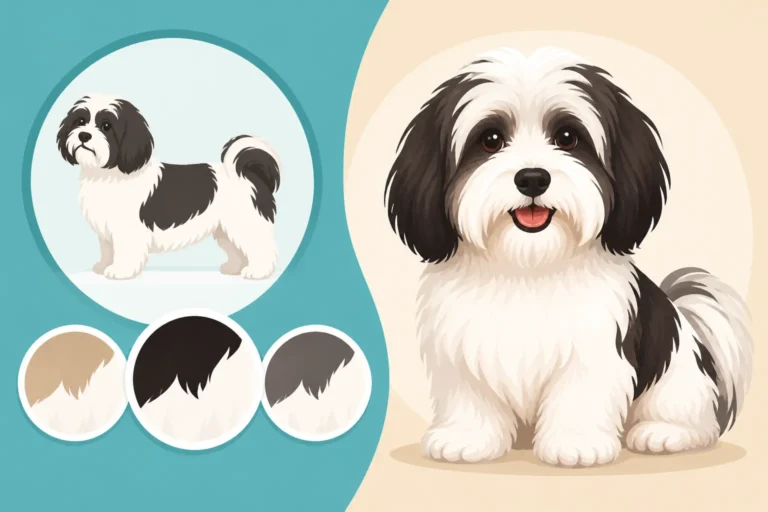
The Decade the Goodales Started Rebuilding the Havanese
It's truly heartbreaking to imagine a beloved dog breed, one known for its vivacious spirit and charming personality, teetering on the very edge of extinction. For Havanese lovers today, it's hard to picture a world where these little Cuban jewels weren't a vibrant part of our lives, but there was a time when their future looked incredibly bleak. This guide dives deep into the crucial decade when Dorothy and Burt Goodale, an American couple with an unwavering passion, embarked on the monumental task of rebuilding the Havanese breed, ensuring its survival for generations to come.
The Brink of Extinction: Post-Revolution Cuba
The Havanese, once the pampered companions of Cuban aristocracy and later cherished family pets, found themselves in an unimaginable plight following the Cuban Revolution in 1959. Political upheaval and economic shifts meant that many families either fled the country, often unable to take their beloved dogs, or faced conditions where maintaining a purebred companion became an impossible luxury. It was a dark time for the breed, one that saw their numbers dwindle dramatically and their very existence threatened.
The Vanishing Act: Why the Havanese Disappeared
Imagine the chaos: families leaving everything behind, sometimes with only moments to spare. The focus was on human survival, on escape, and sadly, purebred dogs like the Havanese were often left behind or simply couldn't be accommodated in the difficult journeys to new lands. Those dogs that remained on the island faced dwindling resources and a society less focused on pedigree breeding. The meticulously kept pedigrees and careful breeding practices that define a purebred population simply ceased to exist for many years. It's a sad reality that historical events can have such a profound impact, not just on people, but on the animals intertwined with their lives. Without dedicated preservation efforts, the Havanese might have faded into memory, a heartbreaking thought for anyone who cherishes this delightful breed.
A Glimmer of Hope: The Few Who Escaped
Despite the overwhelming odds, a small number of Havanese did manage to leave Cuba with their owners. These were often individuals who had the foresight or the means to bring their precious companions with them, recognizing their intrinsic value beyond mere pet status. These dogs landed in various countries, primarily the United States, but also in Europe, scattering the last remnants of the Cuban national dog across the globe. Each one of these dogs carried the genetic blueprint of the breed, a tiny flicker of hope that the Havanese could one day be restored. It was these few, often disparate, individuals that would form the fragile starting point for the breed's eventual resurgence, but finding them was an immense challenge. The future of the entire breed rested on the shoulders of these The Refugee Dogs Every American Havanese Descends From.
Dorothy and Burt Goodale's Vision
It was into this fragmented and desperate situation that Dorothy and Burt Goodale stepped. Not driven by financial gain or fleeting fancy, but by a deep love for dogs and a keen eye for a unique and vanishing breed, they would become the pivotal figures in the Havanese's journey back from the brink. Their story is one of dedication, tireless effort, and an enduring belief in the importance of preserving canine heritage.
An Accidental Encounter: How the Goodales Found Havanese
Dorothy Goodale first encountered the Havanese not in a pristine show ring or a breeder's kennel, but through happenstance. She was captivated by these charming little dogs, sometimes mistaken for scruffy mutts by those unfamiliar with the breed, often brought out of Cuba by refugees. These were not show dogs in their prime, but rather survivors, sometimes a bit dishevelled, but always radiating that unique Havanese spark. Dorothy saw beyond their current circumstances; she recognized their intelligence, their affectionate nature, and their distinctive appearance. This initial encounter ignited a spark in her, a realization that something truly special was at risk of being lost forever. She felt a profound calling to help, knowing that this was more than just a passing interest; it was a mission. This initial encounter is vividly described in How the Goodales Found Havanese in America.
The Quest Begins: Searching for Descendants
Once Dorothy and Burt committed to the cause, their quest truly began. It wasn't a matter of simply looking up breeders in a directory; those didn't exist for the Havanese in North America at that time. Instead, they embarked on what could only be described as a detective mission, scouring newspaper ads, following leads from word-of-mouth, and connecting with Cuban refugee communities who might have brought these dogs with them. They were looking for any purebred Havanese descendants, no matter how humble their current living situation. They understood that every single one of these dogs was a genetic treasure, a piece of the puzzle needed to rebuild the breed. Their search was painstaking and slow, spanning states and involving countless inquiries, driven by the knowledge that they were racing against time to save a breed.
The Early Years of Rebuilding: The Goodale Decade
The decade following their decision to save the Havanese was a period of intense activity and pioneering effort for the Goodales. They weren't just collecting dogs; they were meticulously reconstructing a breed from a handful of survivors, effectively becoming the accidental founders of the modern Havanese in America. Their work laid the essential groundwork for what the breed is today, shaping its genetic future and ensuring its place in our homes and hearts.
Tracing the Bloodlines: Building a Foundation Stock
One of the Goodales' most critical tasks was to identify the few remaining Havanese and establish a viable breeding program. This wasn't about finding perfect show specimens; it was about genetic diversity and health. They acquired 11 Havanese, which, alongside a few others brought in by different individuals, formed the "foundation stock" for the entire breed in the United States. Imagine the responsibility! Each dog had to be carefully assessed for health, temperament, and adherence to the historical breed type, even if those characteristics were somewhat obscured by years of unplanned breeding. They had to piece together fragmented family histories, as formal pedigrees were often lost or never existed for these displaced dogs. This diligent work was paramount to understanding The Refugee Dogs Every American Havanese Descends From and ensuring a healthy future.
They focused on creating a robust and diverse gene pool from these limited numbers, knowing that the health and vitality of generations to come depended on their initial choices. This meant making difficult decisions about which dogs to breed and how to manage the inevitable close relations in such a small population. They weren't just buying pets; they were curating a legacy. For anyone looking to understand the core of the breed, knowing The Blanquito de la Habana the Havanese Came From helps paint a picture of the type they were striving to preserve.
The Challenges of a Limited Gene Pool
Working with such a small number of foundation dogs presented immense challenges, particularly regarding the gene pool. Genetic diversity is crucial for the long-term health and vigor of any breed, and the Goodales started with very little. They had to navigate the delicate balance of breeding related dogs to perpetuate the breed without excessively concentrating undesirable traits. This meant careful selection, extensive record-keeping, and an unwavering commitment to the health of each puppy born. The Goodales had to be hyper-vigilant for any signs of inherited conditions that might arise from such a restricted genetic base.
They faced the reality that Whether Every American Havanese Shares a Few Ancestors is absolutely true, making their stewardship of these initial lines incredibly important. Breeders today still grapple with the implications of this narrow bottleneck, emphasizing the need for continued health testing and responsible breeding practices. While modern tools from sites like Chewy can help new owners research breed-specific needs, the foundational work the Goodales did was far more basic and driven by pure observation and instinct.
Spreading the Word: Engaging Early Enthusiasts
Beyond breeding, the Goodales understood that the Havanese needed advocates. They couldn't save the breed alone. They actively sought out other dog enthusiasts, sharing their passion and educating people about this charming, unique breed. They placed puppies in homes with strict contracts, ensuring that these new owners understood their role in the breed's preservation. These early adopters were more than just pet owners; they were collaborators in a grand rebuilding project.
The Goodales shared their knowledge, mentored new breeders, and tirelessly promoted the breed. This outreach was essential for expanding the Havanese's numbers and building a community committed to its future. Their efforts culminated in the formation of the Havanese Club of America, a vital organization that continues to guide the breed's development today. This was a true community effort, growing from the Goodales' initial vision into a network of dedicated individuals. It was a testament to their charisma and the inherent appeal of the Havanese themselves that they could inspire such dedication.
Impact and Legacy: From Near-Extinction to a Beloved Companion
The work initiated by Dorothy and Burt Goodale during that crucial decade laid the indestructible foundation for the Havanese we know and love today. Their tireless efforts rescued a breed from oblivion and set it on a path to becoming one of the most cherished companion dogs worldwide.
From Near-Extinction to a Beloved Companion
Thanks to the Goodales, the Havanese transitioned from being a handful of scattered survivors to a thriving, recognized breed. Their story is a powerful reminder that dedicated individuals can make an enormous difference in the world of purebred dogs. Today, Havanese are known for their intelligence, trainability, and affectionate nature, making them wonderful family pets, therapy dogs, and even competitors in various dog sports. They bring joy to countless homes, a direct result of that initial, arduous decade of rebuilding. This success story began with a deep love for dogs and a refusal to let a unique piece of canine history vanish. You can see the breed's vitality today in things as simple as the wide variety of Havanese-specific products available on platforms like Chewy, a stark contrast to the sparse resources available in the Goodales' time.
The Lasting Imprint on the Breed's Future
The legacy of Dorothy and Burt Goodale continues to shape the Havanese breed. Modern breeders still trace their lines back to those original foundation dogs, and the importance of health testing and genetic diversity remains a paramount concern. The breed standard, which guides breeders in maintaining the Havanese's distinctive characteristics, owes much to their initial understanding of the breed's historical type. They instilled a sense of responsibility and stewardship in the Havanese community that endures. Understanding this history helps us appreciate the true value of every Havanese, from the show ring champion to the beloved lap dog, knowing that each carries the lineage saved by such extraordinary dedication. Their work ensured that we can all enjoy the companionship of The Fourteen to Sixteen Years a Havanese Lives.
Here's a quick look at the pivotal moments during that transformative decade:
| Phase of Rebuilding | Key Actions Taken | Challenges Faced | Outcome for the Breed |
|---|---|---|---|
| Initial Discovery | Identifying surviving Havanese in the US and abroad. | Scarcity, lack of formal records, language barriers. | Sparked the realization of the breed's critical status. |
| Foundation Stock | Acquiring and evaluating the 11 key Havanese dogs. | Limited genetic pool, unknown health histories. | Established the genetic base for modern Havanese. |
| Breeding Program | Meticulous pairing to maximize diversity and health. | Inevitable close relations, potential for genetic issues. | Slow, careful population growth with an eye on health. |
| Community Building | Connecting with other enthusiasts, forming a breed club. | Gaining recognition, standardizing breed type. | Fostered a dedicated community, led to the HCA. |
| Public Awareness | Educating the public about the Havanese's unique qualities. | Competing with more established breeds for attention. | Increased visibility and demand, paving the way for recognition. |
The foundation laid by the Goodales was not just about increasing numbers, but about safeguarding the health and unique traits that define the Havanese. Their careful choices and unwavering commitment during that crucial decade ensured that this charming breed would not only survive but thrive. From those precious few dogs, the Havanese family has grown, bringing its unique joy and companionship to homes around the world, available for those who want to provide a loving home, and supported by resources that the Goodales could only have dreamed of, like a comprehensive pet supply store like Chewy.
Disclaimer
This article is for general informational purposes only and does not constitute professional advice. Laws, prices and regulations vary by location and change over time. Consult a qualified professional for guidance on your specific situation.