Whether the Goodales Bought Havanese From Refugees
If you're delving into the fascinating history of the Havanese breed, particularly its survival and resurgence in the United States, you've probably heard the names Dorothy and Burt Goodale. These dedicated individuals are widely credited with saving the breed from near extinction after the Cuban Revolution. A common question that comes up when discussing their incredible efforts is how exactly they managed to find these rare dogs, specifically whether they acquired them from Cuban refugees. It's a poignant part of the Havanese story, and understanding their methods sheds light on the dedication required to preserve a beloved breed against all odds.
The Scarcity of the Havanese After the Cuban Revolution
The political upheaval in Cuba during the late 1950s and early 1960s had a profound and almost catastrophic impact on many aspects of Cuban life, including its national dog, the Havanese. Before the revolution, the Havanese, then often called the "Havana Silk Dog" or "Blanquito de la Habana," was a cherished companion of the Cuban aristocracy and upper classes. These charming, silky-coated dogs were a symbol of status and an integral part of family life.
The Exodus from Cuba and Left-Behind Pets
When the Cuban Revolution intensified and ultimately succeeded, many affluent Cuban families fled the country, often with little notice and even less opportunity to bring their beloved possessions. The focus was on personal safety and escape, not on canine companions, no matter how cherished. While some families managed to bring their dogs with them, many were tragically left behind or lost in the chaos of the exodus. Imagine the heartbreak of having to leave a beloved family member behind, knowing you might never see them again. It was a stark reality for countless people and their pets. The few dogs that did make it out often did so under very difficult circumstances, smuggled or carried as precious cargo, a testament to the deep bonds between these families and their Havanese. You can read more about What Happened to Cuban Havanese After 1959.
The Rarity in the United States
Once these families arrived in the United States, usually in places like Miami, Florida, they were focused on rebuilding their lives. The Havanese breed, while beloved in Cuba, was virtually unknown in America at the time. It wasn't a recognized breed by any major kennel club, nor was it widely bred or exhibited. Any Havanese that did arrive with refugees would have been treasured family pets, not part of a structured breeding program. This meant that finding purebred Havanese with documented lineage, or even just healthy examples of the breed, was an immense challenge. They were scattered, isolated, and their numbers were perilously low. The situation truly highlighted How the Havanese Nearly Died Out After 1959.
Dorothy and Burt Goodale's Quest for the Havanese
Into this bleak picture stepped Dorothy and Burt Goodale, a remarkable couple with a deep love for dogs and an even deeper dedication to preserving breeds. They weren't just casual dog owners; they were visionaries who saw the potential in the Havanese and understood the urgency of its situation.
The Mission to Preserve the Breed
The Goodales first encountered the Havanese in the early 1970s and were immediately captivated by their intelligence, charm, and unique temperament. They recognized that this was a truly special breed, distinct from other Bichon-type dogs. However, they also quickly realized the precarious state of the breed's population outside of Cuba. Their mission became clear: to find and gather enough true Havanese to establish a viable breeding program in the United States and prevent the breed from disappearing entirely. This wasn't about simply acquiring a pet; it was about genetic preservation and ensuring future generations could enjoy these wonderful dogs. For more on their story, see Who Dorothy and Burt Goodale Were.
The Search for Foundation Stock
The Goodales' search was painstaking and involved methods that seem almost quaint by today's internet standards. They didn't have online registries or social media groups. Instead, they placed advertisements in newspapers, particularly in areas with large Cuban expatriate communities, like the classifieds sections of Miami newspapers. They relied heavily on word-of-mouth, following every lead, no matter how faint. Their ads essentially asked if anyone had "Cuban dogs" or "Havana Silk Dogs." They drove countless miles, met numerous families, and sifted through many dogs that were not Havanese, often being offered mixed breeds or dogs of similar appearance. This was a true detective mission, driven by passion and perseverance. They were determined to find the real deal, the dogs whose lineage could be traced back to the original Cuban stock.
The Role of Cuban Refugees in the Havanese Revival
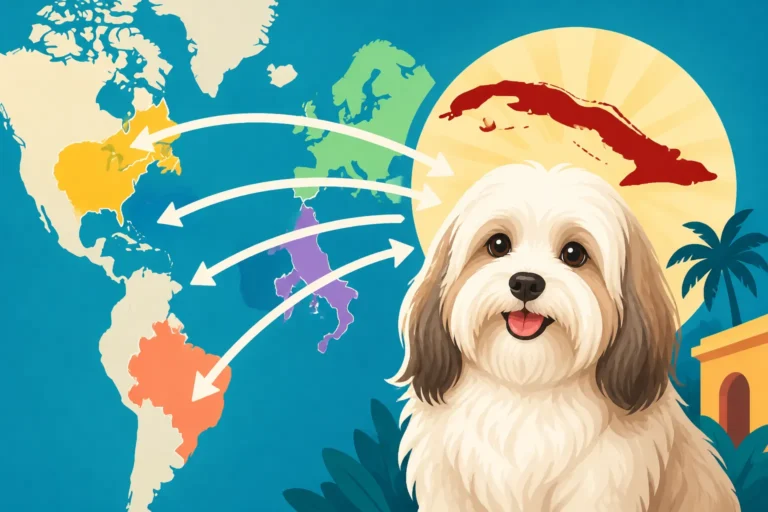
To directly answer the question: yes, the Goodales absolutely acquired Havanese from Cuban refugees or their direct descendants. These were the very individuals who, against incredible odds, had brought their cherished Havanese pets with them when they fled Cuba.
Connecting with Exiled Cuban Families
The newspaper ads and word-of-mouth efforts ultimately led the Goodales to several Cuban families who had either brought Havanese with them or knew of other families who had. These dogs were precious family heirlooms, living testaments to the lives left behind. The Goodales approached these families with respect and a clear explanation of their goal: to save the breed, not just acquire a pet for themselves. It wasn't always a straightforward transaction. These dogs were often deeply loved and parting with them was a huge decision for their owners. However, the families who agreed to sell or rehome their Havanese to the Goodales understood the importance of the mission. They knew their dogs, or their dogs' offspring, could contribute to the preservation of a piece of their heritage. This emotional connection was a huge factor in the success of the Goodales' efforts, linking the breed's future to its past through the stories and sacrifices of these refugee families. How Many Havanese Left Cuba With Refugees is a fascinating read on this topic.
The Value of Pedigree and Type
Once a potential Havanese was located, the Goodales meticulously assessed each dog for health, temperament, and adherence to the breed standard as they understood it from historical descriptions and what little knowledge was available. Documentation was often scarce or non-existent, given the circumstances of the dogs' arrival in the US. This meant the Goodales had to rely heavily on their developing understanding of the breed's characteristics, identifying what a true Havanese looked and behaved like. They sought to ensure that the dogs they acquired were indeed purebred and represented the core qualities of the breed. This was crucial because they knew these dogs would form the genetic foundation for all future Havanese in America, and they needed to start with the best possible examples to avoid perpetuating any undesirable traits or health issues. It's a foundational reason why Whether a Havanese From a Small Gene Pool Is Riskier is such an important question for breeders even today.
A Look at the Goodales' Search for Havanese
Here's a simplified overview of their process:
| Step in Search | Method Utilized | Key Challenge | Outcome (Relative to Refugees) |
|---|---|---|---|
| Identification | Learning breed characteristics, historical accounts | Scarcity of information, lack of established standard | Understood what a 'true' Havanese was |
| Outreach | Newspaper ads in Cuban-heavy areas, word-of-mouth | Finding people aware of the breed in the US | Connected with exiled Cuban families |
| Verification | Visiting homes, assessing dogs in person | Distinguishing true Havanese from similar mixes | Acquired dogs from refugee families/descendants |
| Acquisition | Buying or being gifted dogs | Gaining trust, convincing families to part with pets | Established initial breeding stock |
| Foundation Building | Starting a breeding program | Ensuring genetic diversity from limited initial stock | Led to the revival of the Havanese breed |
Establishing the American Havanese Foundation Stock
The Goodales' persistent efforts bore fruit, leading to the establishment of the foundation stock for the American Havanese breed. Their legacy is evident in nearly every Havanese pedigree today.
The Goodales' Original Twelve Dogs
Through their tireless search, the Goodales eventually gathered what would become known as their "original twelve" Havanese. These dogs, a mix of those directly from Cuban refugee families and some discovered in other ways (though always traceable back to Cuban origins), became the genetic bedrock for the breed in the United States. The Refugee Dogs Every American Havanese Descends From is an article that goes into greater detail about this lineage. Without these initial foundation dogs, carefully selected and responsibly bred, the Havanese breed as we know it today might simply not exist outside of Cuba, or would be vastly different. It speaks volumes about their commitment and foresight that they understood the immense responsibility they held.
Expanding the Gene Pool and Breed Recognition
Beyond those initial twelve, the Goodales continued to work to ensure the breed's long-term health and vitality. They established the Havanese Club of America in 1974, creating a formal organization dedicated to the breed's preservation and promotion. This club laid the groundwork for careful breeding, health testing, and eventually, official recognition by major kennel clubs. Their diligent record-keeping and dedication to the breed standard helped guide other enthusiasts who joined their cause. The goal was always to grow the breed responsibly, maintaining its unique characteristics while striving for genetic diversity within the limited pool. Ultimately, their vision led to the Havanese being recognized by the AKC, a significant milestone that cemented the breed's place in American hearts and homes. You can discover more about The Year the Havanese Club of America Formed and The Year the AKC Recognized the Havanese in our other articles. The Goodales' story is a powerful reminder that behind every cherished breed, there are individuals who go to extraordinary lengths to ensure its survival.
Disclaimer
This article is for general informational purposes only and does not constitute professional advice. Laws, prices and regulations vary by location and change over time. Consult a qualified professional for guidance on your specific situation.