Which Countries Sent Poodles to Cuba
It's easy to look at our fluffy Havanese companions today and just assume they’ve always been around, a perfect little package of charm and charisma. But if you’ve ever delved into their fascinating backstory, you know it's a tale woven with threads from across the Atlantic, including a curious chapter involving Poodles. Many of us wonder exactly how Poodles factored into the Havanese's unique lineage, and where these influential dogs might have hailed from before making their mark on Cuban shores. This guide will explore the historical journey that brought various European dog breeds, Poodles among them, to Cuba and how they helped shape the Havanese breed we adore.
The Havanese's Ancestry: A European Tapestry on Cuban Soil
Before we zero in on Poodles, it's crucial to understand that the Havanese isn't just a simple cross of two breeds. It's more like a beautiful tapestry woven from various threads, brought to Cuba by European settlers over centuries. Imagine Cuba, a bustling trade hub in the Caribbean, a jewel in the Spanish colonial crown, attracting ships and people from all corners of Europe. With these travelers came their beloved companion dogs, creating a rich and somewhat accidental melting pot of canine genetics.
Early European Canine Migrations to Cuba
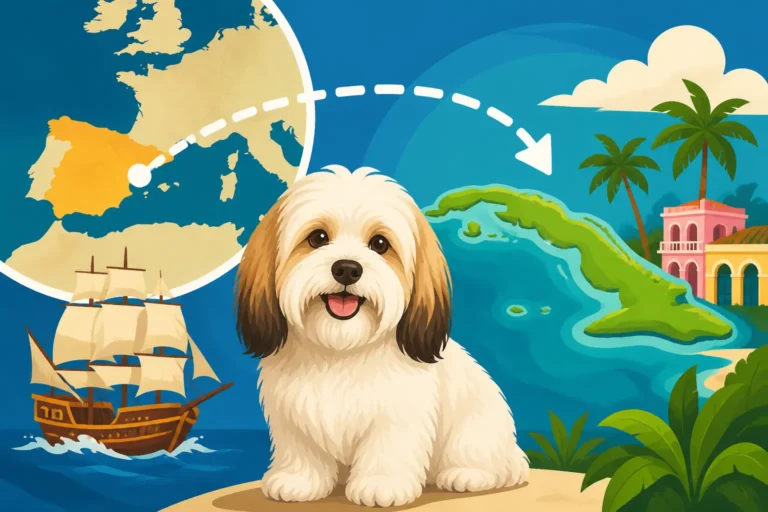
The earliest ancestors of the Havanese were small, white, fluffy dogs collectively known as "Bichon type" dogs. These delightful canines originally made their way from the Mediterranean region of Europe, primarily with Spanish traders and colonists who journeyed to the New World. Think of breeds like the Maltese, Bichon Frise, and Tenerife Dog – these were all part of the ancestral pool that contributed to the "Blanquito de la Habana," the little white dog of Havana, which was the direct forebear of our modern Havanese. These dogs were already known for their charming personalities and suitability as lap companions, perfectly fitting the lifestyle of the European aristocracy and burgeoning merchant class setting up homes in Cuba. They were, in essence, status symbols and affectionate family members, thriving in the warm Cuban climate.
Cuba: A Hub for European Trade and Influence
Cuba's strategic location made it a vital port for trade between Europe and the Americas. This wasn't just about goods; it was about culture, people, and their pets. As European powers like Spain, France, and later, Great Britain, jockeyed for influence and trade routes, their citizens and officials frequently traveled to and from the island. Each wave of immigration or visit brought with it new ideas, new fashions, and, yes, new dogs. These weren't always intentional breeding programs; sometimes, it was simply that a beloved pet accompanied its owner on a long voyage, eventually contributing its genes to the local canine population. The Blanquito de la Habana, though initially quite homogenous, would naturally have encountered and interbred with these newcomers, slowly evolving its look and genetic makeup. You can see how this rich history makes the Havanese truly unique, being The Havanese Is the Only Breed Cuba Ever Produced.
The Rise of the Poodle and Its Voyage to Cuba
Poodles, with their distinctive curly coats and intelligent demeanors, were already incredibly popular across Europe long before they reached Cuban shores. They weren't just fashionable pets; they were multi-talented working dogs, known for retrieving waterfowl and even performing in circuses. This widespread popularity meant they were well-traveled and found in many European households.
Poodles in European High Society and Beyond
By the 18th and 19th centuries, Poodles had firmly established themselves as fashionable companions in many European countries, especially France and Germany. In France, the "Caniche," as it was known, was a favorite among the nobility, often adorned with elaborate clips and treated as a pampered pet. Germany also had its share of Poodles, where they were highly valued for their intelligence and versatility. These weren't just fancy show dogs; they were intelligent, trainable, and adaptable, qualities that made them desirable companions for anyone, from commoners to the elite. Their distinct curly, non-shedding coat was also a major draw, setting them apart from many other breeds.
The Transatlantic Journey of Poodle Genes
Given their popularity and status as companion animals, Poodles would naturally have accompanied their owners on voyages across the Atlantic to destinations like Cuba. These could have been French merchants settling in Havana, German diplomats, or Spanish families returning from sojourns in Europe, bringing their new, stylish pets with them. Sometimes, Poodles might have been exchanged as gifts between prominent families or acquired by wealthy Cuban planters looking for the latest European trends in canine companionship. It wasn't a coordinated "export program" by any specific country; rather, it was the organic movement of people and their pets, bringing Poodle genes into the existing Cuban dog population. The exact ships and dates are lost to history, but the evidence of their genetic contribution remains in the modern Havanese.
Poodle Influence: Shaping the Modern Havanese
The introduction of Poodle genetics had a profound impact on the evolving Blanquito de la Habana, influencing several key characteristics that we now associate with the Havanese. It wasn't just about changing their looks; it was about broadening their genetic diversity and refining their overall type.
What Poodles Contributed to the Havanese Gene Pool
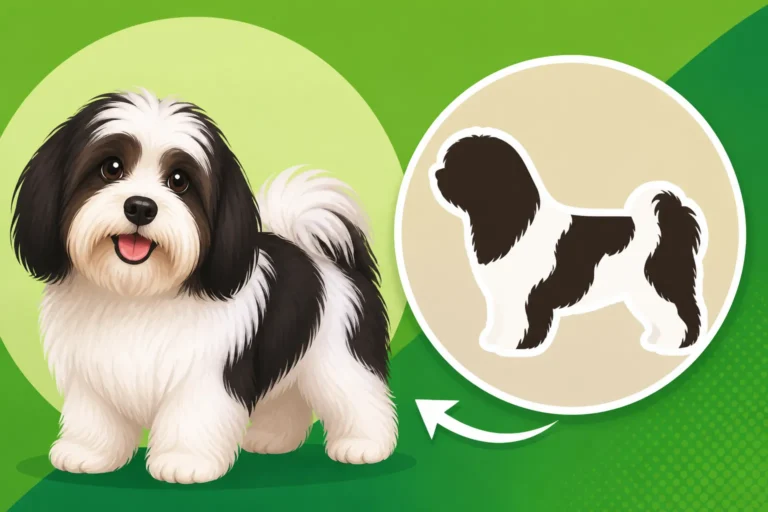
Poodles brought several distinct traits to the table. Their most obvious contribution was likely a refinement in coat texture. While the original Blanquito had a soft, silky coat, Poodle crosses could have introduced a denser, curlier, or wavier texture, enhancing the "silk floss" feel that's so characteristic of the Havanese today. This crossbreeding potentially offered a wider range of coat types, moving beyond the pure white of the early Blanquitos. You might wonder, How Poodles Changed the Blanquito. They also may have contributed to the size variation we see in Havanese, potentially making them a bit more robust or offering a broader weight range. This genetic infusion helped to solidify the Havanese's status as a distinct and desirable companion breed.
The Emergence of Havanese Color and Type
Before the Poodle influence, the Blanquito was primarily white, as its name suggests. The infusion of Poodle genes, which came in a wide array of colors (black, brown, apricot, silver, and more), dramatically expanded the Havanese color palette. Suddenly, the breed could sport a dazzling variety of hues and patterns, from solids to partis, sables, and brindles. This is a topic many Havanese lovers are curious about: Whether Poodle Crossing Gave the Havanese Its Colors. This made them even more unique and visually striking. The blend also helped to establish the Havanese's characteristic springy gait and cheerful disposition, traits that blend the Bichon charm with the Poodle's active intelligence.
The resulting blend of these European breeds, particularly the Poodle and the earlier Bichon types, sculpted the Havanese into the captivating dog we know. They retained the companionable nature of their ancestors but gained an enhanced coat variety, a more diverse color spectrum, and potentially a more robust constitution.
The Historical Context of Dog Breeding in Cuba
Understanding the motivations behind dog breeding in 18th and 19th century Cuba helps us piece together the puzzle of the Havanese's development. It wasn't exactly like modern, carefully documented kennel club breeding.
Aristocratic Preferences and Canine Fashion Trends
Wealthy Cuban families and European expatriates living on the island often mirrored the trends of their home countries. Owning exotic and fashionable dog breeds was a status symbol, much like it is today. They would import dogs directly from Europe or acquire them from visiting dignitaries and traders. These dogs weren't just for show; they were cherished pets that provided companionship in a often-opulent lifestyle. This preference for small, elegant, and intelligent dogs naturally included the popular Poodle and various Bichon types, solidifying their presence in Cuban society. If you're curious about their standing, you might ask, Whether the Havanese Was a Dog of the Cuban Aristocracy. These families had the resources to travel, import, and maintain these breeds, allowing for a diverse genetic exchange.
The Blending of Breeds: Intentional vs. Accidental
It's important to recognize that the breeding practices of centuries past weren't as organized or documented as modern purebred dog breeding. While some intentional crossbreeding undoubtedly occurred to achieve desired traits—perhaps a specific coat texture or color—a significant amount of interbreeding would have happened more organically. Dogs lived in relatively open environments, and with a smaller, contained population on an island, it was inevitable that different European breeds would mingle with the local Blanquito population. Imagine a favored Poodle belonging to a French diplomat being allowed to roam and interact with the local white companion dogs. These "accidental" breedings, over generations, contributed to the diverse genetic makeup of the Havanese. This casual yet consistent intermingling of genes is a hallmark of many older breeds whose origins predate formal kennel clubs.
Unraveling the Specific Countries of Poodle Origin
Pinpointing the exact countries that "sent" Poodles to Cuba is challenging, largely due to the nature of historical record-keeping and trade. However, we can make educated inferences based on historical context.
The Elusiveness of Definitive Canine Pedigrees
Unlike today, where purebred dogs have extensive pedigrees documenting their lineage and country of origin, dogs transported centuries ago rarely came with such meticulous paperwork. Poodles traveling to Cuba were more likely to be personal companions or trade commodities rather than part of a formal breeding program with traceable origins. Records that do exist often focus on human migration and goods, not specific canine breeds or their genetic contributions. Therefore, there's no single, official record stating, "In 1750, France sent X number of Poodles to Cuba." We rely on broader historical evidence and the characteristics of the Poodle breeds prevalent in different European nations during that era.
Inferring Poodle Origins from European Presence in Cuba
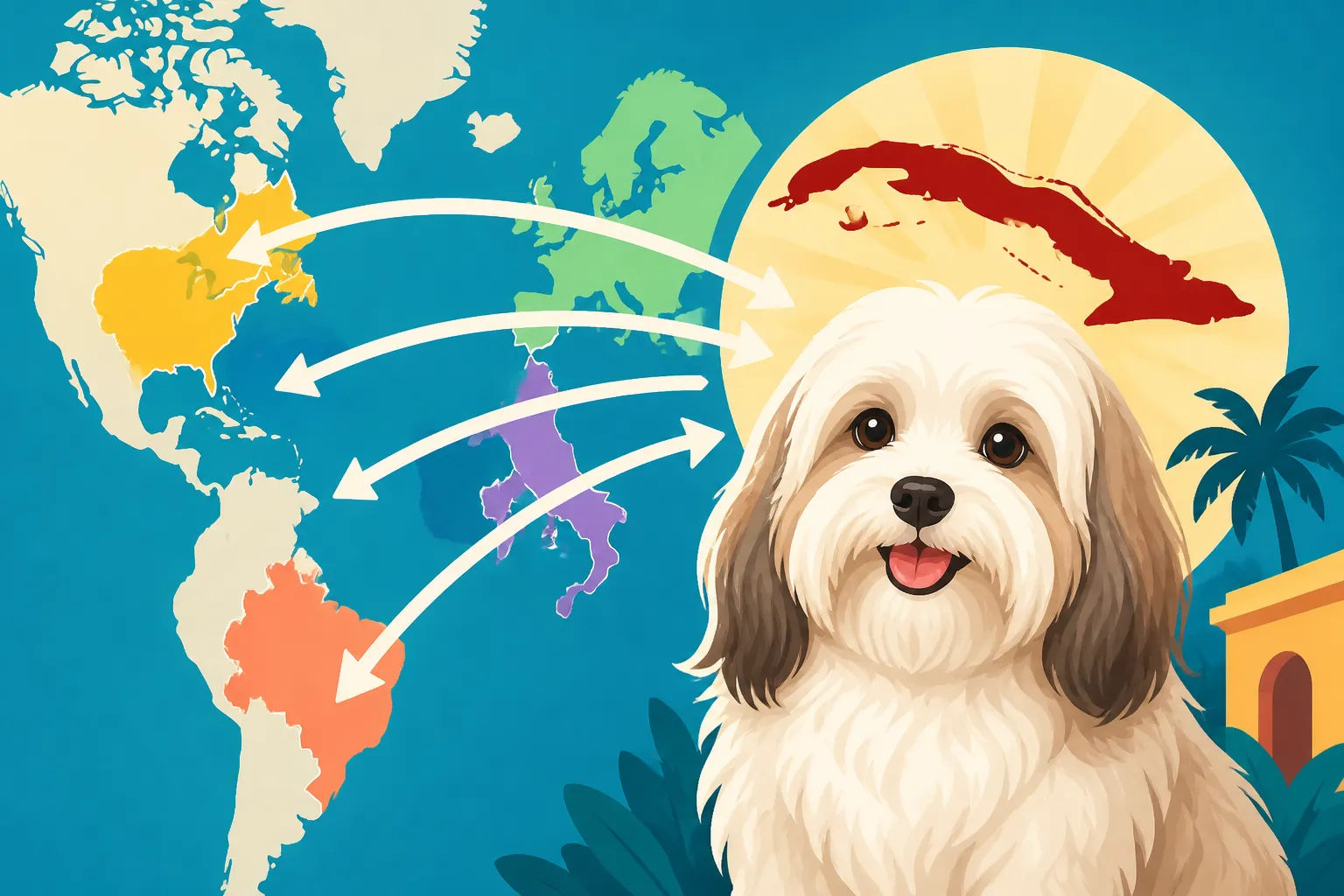
Based on historical trade routes, colonial ties, and the general popularity of Poodles in certain regions, we can surmise that the primary countries sending Poodles (and their genes) to Cuba would have been:
- France: French Poodles (Caniches) were highly fashionable, and France had significant trade and diplomatic engagement with the Caribbean. French influence in fashion, culture, and pet ownership would have naturally extended to Cuba.
- Germany: The Poodle is also strongly associated with Germany (Pudel), where it was used as a water retriever. German merchants and travelers would have brought their dogs along their extensive trade networks.
- Spain: While Poodles might not be traditionally seen as a "Spanish" breed, Spanish nobility and wealthy citizens would certainly have owned Poodles acquired from other European countries. As the colonial power, Spain facilitated significant movement between its European mainland and its Caribbean colonies, inevitably including companion animals.
- Possibly Belgium and the Netherlands: These countries also had strong maritime traditions and trade routes across the Atlantic, and Poodles were known in these regions as well. While less direct than France or Spain, their presence could have contributed to the diverse mix.
It's less about a government "sending" Poodles and more about individuals from these countries bringing their cherished pets as they moved, settled, or conducted business in Cuba. The genetic exchange was a natural consequence of human movement and interaction across the globe.
| European Country (Primary Influence) | Likely Canine Contributions to Blanquito | Key Historical Periods of Influence |
|---|---|---|
| Spain | Bichon types (Maltese, Tenerife Dog) | 16th – 19th Centuries (Colonial Era) |
| France | Poodle genes (coat texture, color) | 18th – 19th Centuries |
| Germany | Poodle genes (size, overall robustness) | 18th – 19th Centuries |
| Italy | Bichon types (general ancestry) | 16th – 17th Centuries |
It's a fascinating thought to trace back these connections, isn't it? It highlights how truly global the history of dog breeds can be. And speaking of keeping your Havanese healthy and happy, finding the right supplies is essential. Online retailers like Chewy often have a fantastic selection of grooming tools and nutritious foods specifically formulated for small breeds. Maintaining that beautiful Havanese coat, which was partly shaped by Poodle genes, takes consistent care. Whether you're looking for a new brush or high-quality kibble, a trusted source like Chewy can be a great resource. You might also want to explore articles like Whether a Havanese Needs Small Breed Kibble to ensure you're making the best choices for your pup's diet.
The Havanese is a testament to the rich cultural exchange that occurred in Cuba. From the earliest white companion dogs to the later infusion of Poodle characteristics, the breed developed into a unique and beloved companion. While the precise origins of every single Poodle that bred into the Havanese line remain a mystery lost to time, the general consensus points to countries where Poodles were most popular and whose citizens frequently traveled to Cuba – primarily France, Germany, and Spain. These historical interactions created a vibrant genetic legacy, giving us the wonderful, diverse Havanese we cherish today. Understanding this history also deepens our appreciation for just Why the Havanese Is a Healthy Toy Breed Anyway, as their mixed ancestry likely contributes to their overall vitality. And when it comes to keeping their teeth clean, which is a common concern for small breeds, Chewy offers a variety of dental chews and brushes that can help. This historical mixing also explains why the Havanese offers such a wide variety of colors compared to some of its Bichon cousins, a topic often explored in discussions around Every Color a Havanese Is Allowed to Be.
So next time you're enjoying your Havanese, remember that little bit of European history walking beside you. Their lineage is a beautiful blend of cultures and canine companions, truly making them the national dog of Cuba with a touch of European flair. Finding supplies that cater to their unique needs, like specialized grooming tools or food for sensitive stomachs, can often be found readily available through trusted online stores such as Chewy.
Disclaimer
This article is for general informational purposes only and does not constitute professional advice. Laws, prices and regulations vary by location and change over time. Consult a qualified professional for guidance on your specific situation.