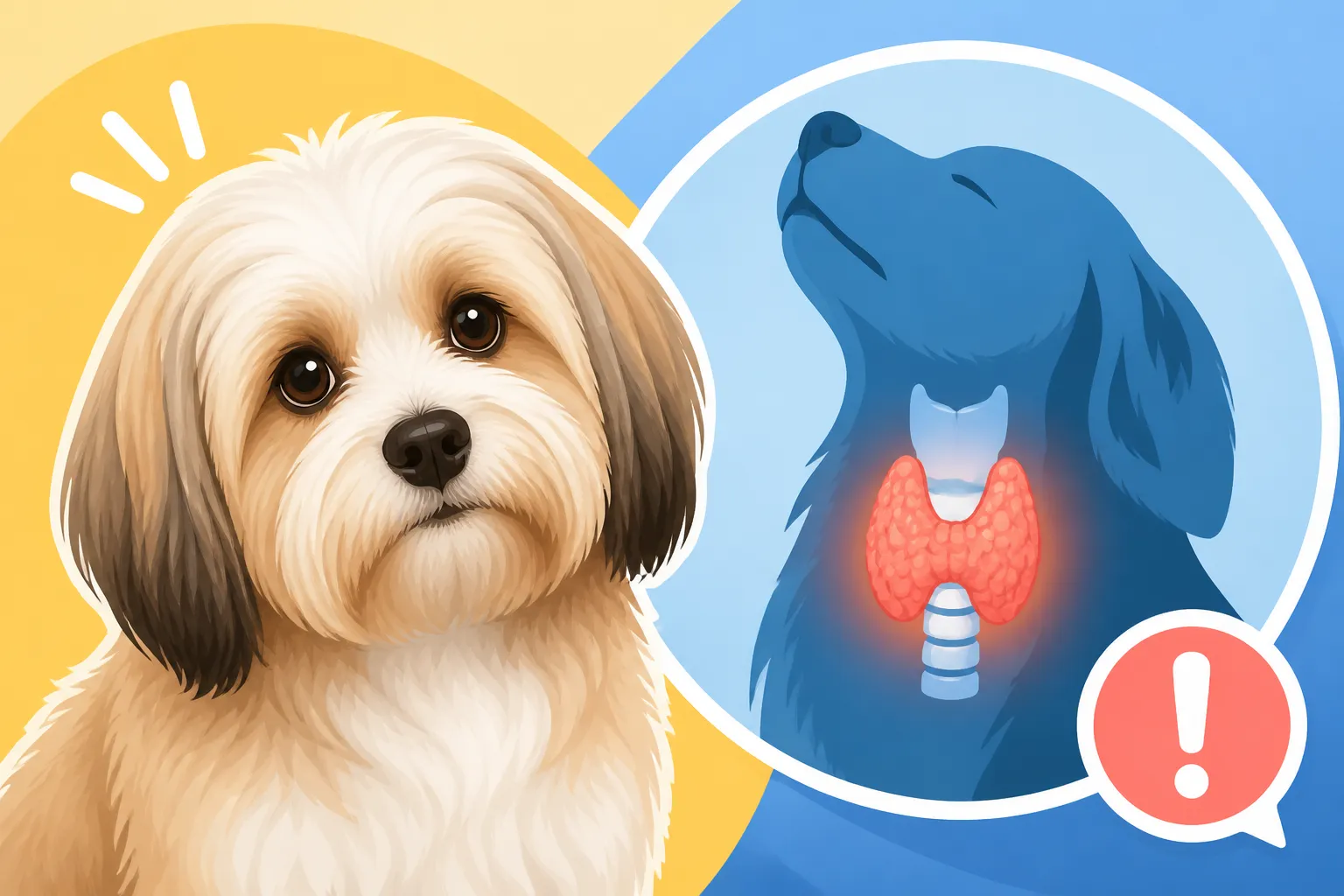
Signs a Havanese’s Thyroid Has Failed
It's incredibly frustrating when your beloved Havanese starts to seem "off," but you can't quite pinpoint why. Their energy might dip, their beautiful coat could be changing, or their personality seems a little subdued, leaving you worried and wondering what's really going on beneath their cheerful exterior. This guide is here to walk you through the subtle, and sometimes not-so-subtle, signs that your Havanese's thyroid might be failing, helping you recognize these crucial indicators early.
Understanding Hypothyroidism in Havanese
When we talk about a Havanese's thyroid failing, we're almost always referring to hypothyroidism – a condition where the thyroid gland, located in the neck, doesn't produce enough thyroid hormones. These hormones are absolutely vital, acting like the master regulators for almost every metabolic process in your dog's body. Think of them as the orchestrators of energy, growth, and repair. Without sufficient amounts, everything starts to slow down, affecting everything from their skin and coat to their heart rate and even their brain function.
It’s often a gradual onset, making it tricky to spot in the early stages, and sometimes owners just attribute the changes to "getting older" or a shift in temperament. But catching it early can make a world of difference in your Havanese's quality of life. This condition, unfortunately, is more common in certain breeds, and while Havanese aren't at the very top of the list for predisposition, it's certainly something to be aware of, especially as they age.
What Goes Wrong with the Thyroid Gland
Most cases of hypothyroidism in dogs are primary hypothyroidism, meaning the problem lies directly with the thyroid gland itself. The two most common culprits are lymphocytic thyroiditis and idiopathic thyroid atrophy.
Lymphocytic thyroiditis is essentially an autoimmune disease. In this scenario, your Havanese's own immune system mistakenly attacks and destroys the thyroid gland tissue. It's similar to how some autoimmune conditions affect people, where the body's defenses turn against its own healthy cells. This process can take months or even years, slowly eroding the gland's ability to produce hormones. You might not see any symptoms until a significant portion of the gland is already damaged. This type often has a genetic component, making careful breeding practices important.
Idiopathic thyroid atrophy, on the other hand, is when the thyroid gland simply wastes away for no known reason. "Idiopathic" is just a fancy way of saying "we don't know why it happened." While the mechanism is different from an autoimmune attack, the end result is the same: a thyroid gland that's too small or too damaged to produce adequate hormones. Both conditions lead to the same symptoms and require the same treatment, but understanding the underlying cause can sometimes inform broader breed health discussions. It’s important to remember that this isn't usually something you could have prevented; it's just how a dog's body sometimes works.
Why Havanese Can Be Affected
While large breeds like Golden Retrievers, Doberman Pinschers, and Great Danes are often cited as being more susceptible to hypothyroidism, smaller breeds, including our lovely Havanese, are not entirely immune. Thyroid issues can occur in any breed, and sometimes it's simply a matter of individual predisposition. In a Havanese, the signs might even be more subtle because they are generally such energetic and resilient little dogs. A slight slowdown might not immediately scream "illness" but rather "calming down."
The genetic aspect of lymphocytic thyroiditis means that it can, and does, pop up in various lines. Responsible breeders often conduct health screenings, and while a specific thyroid test isn't always part of the standard Havanese health panel in the same way that knee or eye certifications are, a thorough vet check and a careful eye on a dog's overall health are always recommended. If you're wondering whether a Havanese gets hypothyroidism, the answer is a definite yes, and it's something every Havanese owner should be aware of as their dog matures.
Recognizable Physical Changes in Your Havanese
One of the most noticeable and common groups of symptoms related to a failing thyroid involves your Havanese's skin and coat. Because thyroid hormones are essential for healthy skin and hair follicle function, a deficiency quickly manifests outwardly. But it's not just cosmetic; these changes can indicate deeper issues within their system.
Coat and Skin Issues
Many Havanese owners first notice something is amiss when their dog's luxurious, silky coat starts to lose its luster. Instead of that vibrant, soft texture, it might become dry, brittle, or even coarse. You might also observe increased shedding, but not in the typical seasonal way. This shedding can be more diffuse, leading to a thinning coat, or even symmetrical hair loss, particularly along the flanks, chest, and tail. In some cases, the hair might simply stop growing back after being clipped. If you’re asking yourself whether a Havanese's coat loss is thyroid-related, it's definitely a possibility that warrants investigation.
Beyond just the hair, the skin itself can suffer. It might become dry and flaky, prone to secondary bacterial or yeast infections. You might notice your Havanese scratching more, even without fleas, due to the dry, irritated skin. Some dogs develop hyperpigmentation, where their skin darkens in affected areas, becoming thick and leathery, sometimes described as "elephant skin." These changes are a direct consequence of the metabolic slowdown, affecting the skin's natural renewal process.
Weight Gain and Lethargy
Perhaps the most classic combination of signs is unexplained weight gain coupled with a noticeable drop in energy. Your Havanese might be eating the same amount, or even less, but they’re slowly putting on pounds. This isn't just a matter of overfeeding; it's a metabolic slowdown. Without enough thyroid hormone, their body isn't burning calories efficiently.
Accompanying this weight gain is lethargy, a term that really means a general lack of energy and enthusiasm. Your normally peppy Havanese, who loves to follow you into every room and bounce around during playtime, might start becoming more sedentary. They might be less interested in walks, play less with their toys, or just seem content to sleep more often. This isn't just laziness; it's a genuine physiological fatigue. They might struggle with the usual amount of exercise, and while a Havanese needs daily mental and physical activity, a hypothyroid Havanese will find even moderate exertion taxing.
Other Subtle Physical Signs
While coat changes and lethargy are common, other physical signs can hint at thyroid failure. Look closely at your Havanese's face; some dogs develop what's called a "tragic" facial expression due to thickening of the facial skin and muscle weakness. This can make them appear sad or worried.
Their body temperature might also be lower than normal, and they might seek out warm spots more often, curling up by the heater or under blankets, even in a moderately warm home. The thyroid gland helps regulate body temperature, so a deficiency can lead to an increased sensitivity to cold. You might also notice their heart rate seems slower than usual, another symptom of a depressed metabolic rate. While these might seem like minor details, collectively they paint a clearer picture.
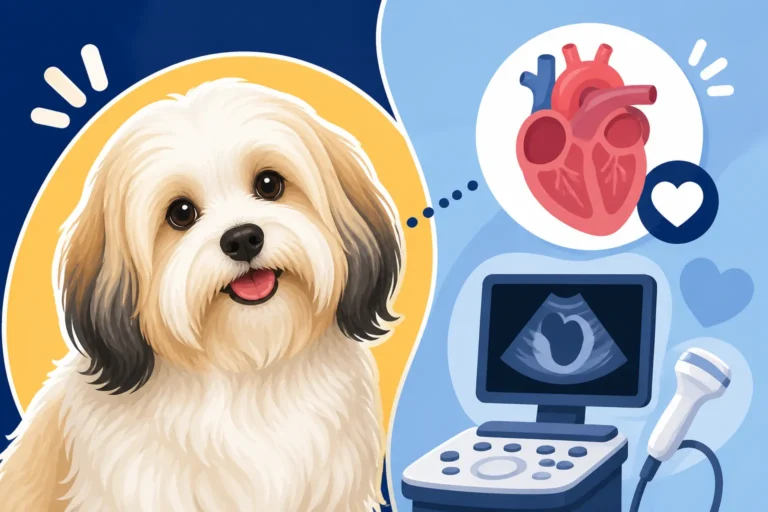
It's also worth noting that some symptoms of hypothyroidism can overlap with other common ailments. For instance, a Havanese could develop a heart murmur, and while that's often tied to things like mitral valve disease in an older Havanese, the overall sluggishness can be a confusing factor if a thyroid test isn't performed.
Behavioral Shifts and Mental Acuity
Beyond the physical, a failing thyroid can subtly, but significantly, impact your Havanese's demeanor and cognitive function. It's often these changes that owners notice first, as they deviate from the dog's usual happy-go-lucky personality.
Changes in Personality and Mood
Your Havanese's cheerful, outgoing nature is one of their most beloved traits. But with hypothyroidism, you might see a shift. They could become more withdrawn, less interactive with family members, and generally less enthusiastic about things they once enjoyed. They might seem more easily startled, anxious, or even irritable. A previously calm Havanese might suddenly become aggressive, growling or snapping in situations where they normally wouldn't. This isn't them being "naughty"; it's a direct result of the hormonal imbalance affecting their brain chemistry and overall well-being.
Sometimes, owners report that their Havanese seems "dull" or "out of it." They might not respond as readily to commands, or their usual quick wit seems dampened. This could be due to a genuine decrease in cognitive function and alertness. If your Havanese seems less engaged or their usual spark is dimming, it’s a red flag.
Reproductive Issues
While not a common concern for most pet owners whose Havanese are spayed or neutered, intact Havanese might show reproductive issues if their thyroid is failing. This can include irregular heat cycles in females, or a lack of libido and poor sperm quality in males. For breeders, this is a significant warning sign that something physiological is wrong. Even outside of breeding, these hormonal disruptions point to the wide-ranging impact of thyroid hormones on the body's systems.
Diagnosis and Management
If you've noticed any of these signs in your Havanese, the absolute best thing you can do is schedule a visit with your veterinarian. Don't wait, because early diagnosis and treatment can prevent further deterioration and significantly improve your dog's quality of life.
The Diagnostic Process
Your vet will start with a thorough physical examination, looking for those tell-tale physical signs like skin thickening, dry coat, or low body temperature. They'll also ask you detailed questions about the changes you've observed at home – their energy levels, appetite, bathroom habits, and any behavioral shifts. This is where your keen observations as an owner are incredibly valuable.
The definitive diagnosis for hypothyroidism involves a blood test. This usually starts with screening tests for total T4 (thyroxine) and TSH (thyroid-stimulating hormone) levels. Low T4 levels, especially when coupled with elevated TSH (which the pituitary gland releases to try and "kickstart" an underperforming thyroid), are strong indicators of hypothyroidism. Sometimes, additional tests like free T4 by equilibrium dialysis (fT4-ED) are done for a more complete picture, especially if the initial results are borderline or confusing. It's not uncommon for a Havanese to need a yearly blood panel, especially as they age, and including thyroid function can be a wise choice.
It's important to remember that other illnesses or even certain medications can affect thyroid test results, so your vet will take a holistic approach, considering all factors before reaching a diagnosis. For example, some dogs might have "euthyroid sick syndrome," where their thyroid levels are low due to another illness, not primary thyroid failure.
Treatment and Prognosis
The good news is that hypothyroidism is highly treatable and manageable with medication. The standard treatment involves daily oral administration of synthetic thyroid hormone, typically levothyroxine. Your vet will prescribe the appropriate dosage, which will likely be adjusted over time based on follow-up blood tests to ensure their thyroid hormone levels return to the normal range.
Once treatment begins, you should start to see improvements fairly quickly, often within a few weeks. Your Havanese's energy levels should pick up, their mood might brighten, and their appetite might regulate. Coat and skin issues take a bit longer to resolve, as new hair needs to grow in, but you should notice gradual improvement in coat quality and a reduction in scratching.
Hypothyroidism is a lifelong condition, meaning your Havanese will need to stay on medication for the rest of their life. Regular follow-up vet visits and blood tests will be necessary to monitor their hormone levels and adjust medication as needed. This ongoing care is part of what a Havanese costs a year to keep, but it's a small price to pay for their comfort and health. Pet insurance providers, like Healthy Paws, often cover chronic conditions such as hypothyroidism once it's diagnosed, helping to offset the ongoing costs of medication and monitoring tests. It’s worth checking your policy or considering one that includes such coverage, as insuring a Havanese against knees and heart might not be the only health concern you face. With proper management, a Havanese with hypothyroidism can live a long, happy, and otherwise normal life.
| Symptom Category | Common Signs of Thyroid Failure in Havanese |
|---|---|
| Coat & Skin | Dry, brittle, thinning, or dull coat |
| Symmetrical hair loss (flanks, chest, tail) | |
| Excessive shedding | |
| Dry, flaky skin | |
| Skin infections, hyperpigmentation | |
| Energy & Weight | Lethargy, increased sleeping, reduced activity |
| Unexplained weight gain (despite normal eating) | |
| Intolerance to cold | |
| Behavioral | Reduced enthusiasm, withdrawn behavior |
| Increased anxiety or irritability | |
| "Tragic" facial expression | |
| Dullness, decreased alertness | |
| Other | Slower heart rate, muscle weakness |
| Reproductive issues (in intact dogs) |
Living with a Hypothyroid Havanese
Managing a Havanese with hypothyroidism means committing to a routine of daily medication and regular vet check-ups. It's a journey, but one that leads to a healthier, happier companion. With consistent care, your Havanese can continue to enjoy the full lifespan of fourteen to sixteen years that this wonderful breed is known for.
Consistency is Key
Administering your Havanese's thyroid medication daily, exactly as prescribed by your vet, is paramount. Missing doses or altering the dosage without veterinary guidance can lead to a return of symptoms and instability in their hormone levels. Most medications are given once or twice a day, and many Havanese will readily take their pill if it's hidden in a treat or a small dollop of peanut butter. Establishing a consistent routine will make it easier for both you and your dog.
Remember that it takes time for the medication to build up in their system and for physical changes to become evident. Don't get discouraged if you don't see immediate results, especially with coat regrowth. Patience is a virtue here, and celebrating small improvements along the way can make the process feel less daunting.
Monitoring and Follow-Up Care
Regular follow-up appointments with your veterinarian are essential. Initially, your vet might want to retest blood levels within a few weeks or months of starting medication to ensure the dosage is correct. Once stable, annual or semi-annual checks might be sufficient, but always follow your vet's recommendations. These checks are crucial for ensuring the medication remains effective as your Havanese ages or if their body's needs change. It’s also a good opportunity to discuss any new or lingering concerns. This continuous monitoring is a key part of caring for a Havanese past twelve, as many health conditions, including thyroid issues, become more prevalent in their senior years.
A pet insurance plan like Healthy Paws can be a tremendous help in managing these ongoing costs. Knowing that the regular blood tests and medication refills are covered can alleviate a significant financial burden, allowing you to focus on your Havanese's well-being without added stress.
Overall Well-being and Support
While medication directly addresses the thyroid deficiency, supporting your Havanese's overall well-being is also important. Continue to provide a balanced diet, appropriate exercise (as their energy levels improve), and plenty of mental stimulation. Puzzle toys, short training sessions, and interactive play can all help keep their minds sharp and bodies engaged.
Stay vigilant for any new symptoms or a return of old ones, as this could indicate the need for a dosage adjustment or the development of another health issue. Being proactive and communicating openly with your vet is the best way to ensure your Havanese thrives. Hypothyroidism doesn't have to define your Havanese's life; it's a condition you can manage together, allowing them to continue being the joyful, loving companion you adore.
Disclaimer
This article is for general informational purposes only and does not constitute professional advice. Laws, prices and regulations vary by location and change over time. Consult a qualified professional for guidance on your specific situation.