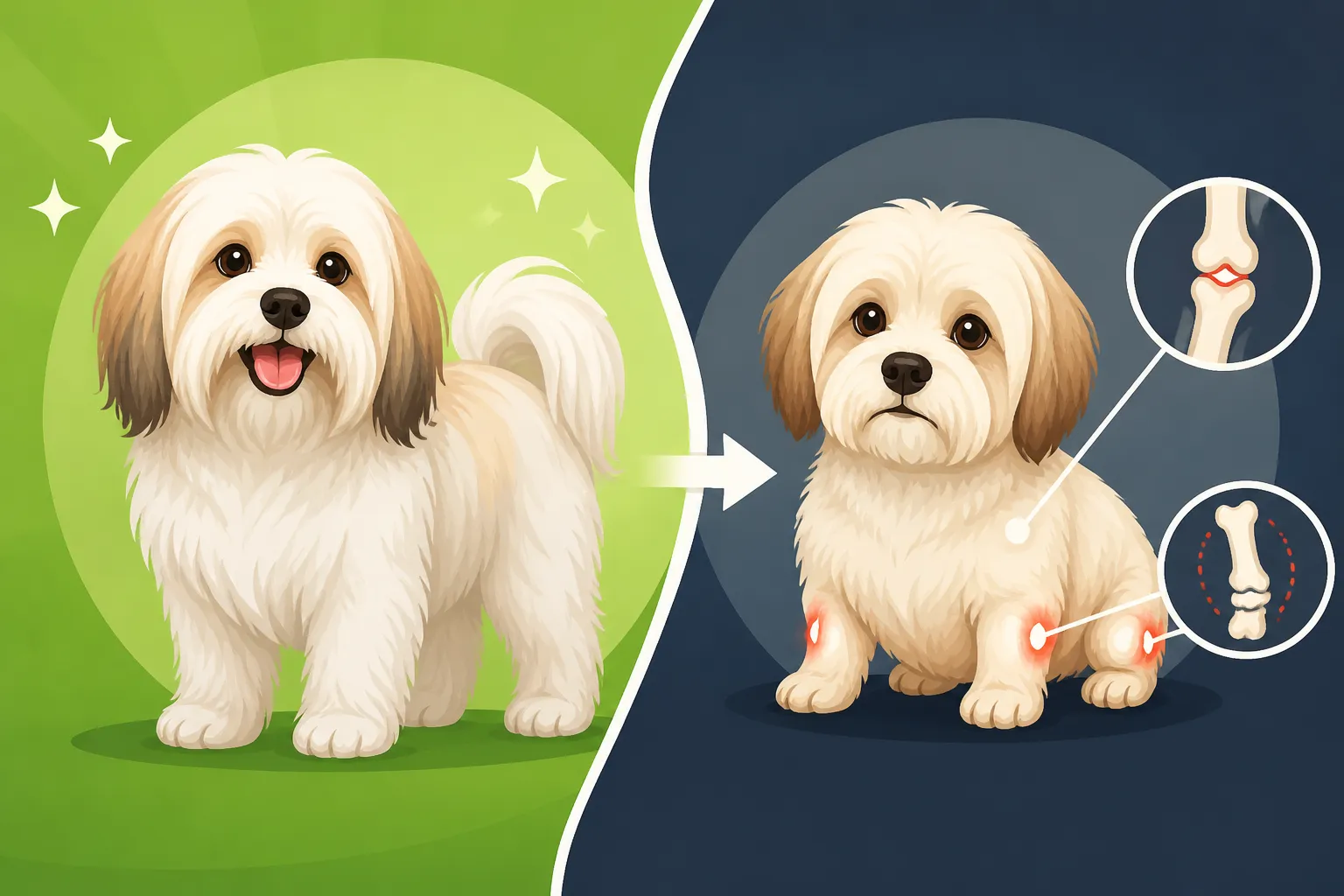
What Chondrodysplasia Does to a Havanese
Discovering that your beloved Havanese might have a genetic condition like chondrodysplasia can be incredibly unsettling. You're likely wondering what this means for their comfort, their lifespan, and how you can best care for them. This comprehensive guide is here to shed light on chondrodysplasia in Havanese, explaining its origins, how it affects your furry friend, and what steps you can take to ensure they live the happiest, healthiest life possible.
Understanding Chondrodysplasia and Its Genetic Roots
Chondrodysplasia, often simply called CD, sounds like a mouthful, but at its heart, it's a genetic condition that affects cartilage development. For Havanese owners, this term often comes with a lot of confusion and concern, especially since "short legs" are sometimes incorrectly associated with the breed's ideal appearance. It's really important to differentiate between intentional breeding for short-legged breeds and a genetic condition that causes disproportionate dwarfism.
The Genetic Basis Behind Shortened Limbs
At its core, chondrodysplasia in Havanese is an autosomal recessive genetic condition. This means that a puppy must inherit a copy of the specific affected gene from both parents to develop the condition. If they inherit it from only one parent, they'll be a carrier, meaning they don't show symptoms but can pass the gene on to their own offspring. This recessive inheritance pattern is often why it can pop up unexpectedly in a litter, even if the parents don't visibly have the condition themselves. It’s a bit like a hidden lottery, where the odds only become apparent with genetic testing.
This specific type of dwarfism affects the cartilage growth plates in the long bones, leading to prematurely shortened and sometimes bowed limbs. Unlike breeds where short legs are a defining, healthy characteristic developed over generations (think Dachshunds or Corgis, which have their own form of chondrodysplasia), in Havanese, it's considered a fault and can be associated with significant health problems. Understanding this distinction is crucial because it informs how breeders approach health screening and how owners manage their dog's care. If you've ever wondered whether a Havanese is meant to have short legs, the answer, in a healthy, breed-standard sense, is no. Their legs should be proportionate to their body, giving them their characteristic springy gait.
Distinguishing Chondrodysplasia from Other Growth Abnormalities
When we talk about abnormal growth, it’s easy to get lost in medical jargon. Chondrodysplasia is a form of dwarfism, but it's important to understand it's not the only type. For instance, pituitary dwarfism affects all bones and soft tissues, resulting in a miniature, yet proportionally formed dog. In contrast, chondrodysplasia specifically targets the long bones of the limbs. Think of it as a localized growth issue rather than a systemic one.
Another term you might hear, achondroplasia, is a specific type of chondrodysplasia, and while it shares similarities, the genetic mutations can differ. What's vital for Havanese owners to grasp is that in this breed, chondrodysplasia leads to disproportionate dwarfism. This means the limbs are noticeably shorter in relation to the body, which isn't just an aesthetic variation. This disproportionate growth, often seen with bowed legs or an unusual stance, is a clear indicator that the cartilage development didn't follow its normal course. It's not just a matter of size; it's about the very structure of their skeletal system. This can lead to various challenges that we’ll delve into later, highlighting why early recognition and understanding are so important.
How Chondrodysplasia Manifests in Havanese Appearance
The most apparent signs of chondrodysplasia in a Havanese are usually visible in their physical structure. These aren't subtle changes; they often lead to a distinctly different silhouette compared to a Havanese with typical bone development. As an owner, once you know what to look for, these characteristics become quite noticeable, even in a young puppy.
Characteristic Shortened Limbs and Bowed Legs
The hallmark of chondrodysplasia in Havanese is undeniably the appearance of shortened limbs. Imagine a dog whose body length seems normal, but their legs appear stubby, sometimes almost comically short for their torso. This isn't just about height; it's about proportion. A healthy Havanese should have legs that allow for a lively, bouncy movement, carrying their body well off the ground. A chondrodysplastic Havanese, however, will have significantly shorter long bones in their legs.
Beyond the reduced length, you'll often observe bowed legs, especially in the front limbs. Instead of standing straight and true, their legs might curve outwards or inwards, giving them a bandy-legged appearance. This bowing isn't merely cosmetic; it indicates abnormal bone growth and alignment, which can place undue stress on their joints and ligaments. Sometimes, you might even notice that their feet appear larger or splayed to compensate for the altered limb structure. If you’re looking at a puppy and asking yourself, "Whether a Havanese puppy's legs should look straight?" the answer is a resounding yes. Any deviation from straight, well-proportioned legs should raise a red flag and warrant further investigation with your veterinarian.
Impact on Overall Body Proportions
While shortened, bowed legs are the most striking feature, chondrodysplasia also affects the Havanese's overall body proportions. Because the limbs are disproportionately short, the dog's body often appears longer and closer to the ground than it should. It can give the impression of a stretched-out or elongated torso relative to their height. This isn't a healthy "long and low" body type like a Basset Hound; it's an imbalance that can affect their center of gravity and how they carry their weight.
This altered body shape can influence their posture and movement, making certain activities more challenging. For example, a chondrodysplastic Havanese might struggle to navigate stairs or jump onto furniture that a typical Havanese would manage with ease. Their gait may appear wobbly, stiff, or less fluid, lacking the characteristic "spring" that is so beloved in the breed. When you see a Havanese like this, it’s not just an interesting variation in appearance; it’s a physical manifestation of an underlying genetic condition that demands careful consideration for their health and well-being. Keeping an eye out for these signs, and understanding how they differ from the breed standard, is the first step in identifying and addressing the condition. If you notice these characteristics, you might be interested in resources on spotting bowed legs in a Havanese puppy.
Health Implications Beyond Short Legs
The visible signs of chondrodysplasia are just the tip of the iceberg. The underlying skeletal abnormalities can lead to a host of secondary health issues, impacting the Havanese's mobility, comfort, and long-term quality of life. Owners must be aware of these potential challenges to provide the best proactive care.
Increased Risk of Joint Issues
One of the most significant concerns for a chondrodysplastic Havanese is the heightened risk of joint problems. The abnormal development of cartilage and bone in the limbs means that joints may not fit together perfectly, leading to uneven wear and tear. This can accelerate the onset of osteoarthritis, a painful degenerative joint disease. Cartilage, which normally acts as a cushion between bones, can break down faster in affected dogs, causing bone-on-bone friction.
Moreover, the altered angles and stress on the joints can predispose them to other conditions. Luxating patellas, where the kneecap slips out of place, can be more prevalent or severe in chondrodysplastic Havanese due to abnormal limb alignment. These dogs might also experience issues in their elbows and shoulders, which are forced to bear weight and move in ways they weren't designed to. This often means chronic pain and reduced mobility as they age. Early detection of joint issues and a proactive management plan, possibly including joint supplements and careful exercise, become paramount to maintain their comfort. For owners considering pet insurance, a policy from a provider like Healthy Paws might be beneficial to help manage the potential costs associated with ongoing veterinary care for joint conditions.
Spinal Concerns and Disc Disease
The spine is another area of major concern for dogs with chondrodysplasia, particularly those with disproportionately long bodies relative to their short legs. The altered spinal mechanics place additional strain on the intervertebral discs, the cushions between the vertebrae. This increased stress can lead to a higher incidence of intervertebral disc disease (IVDD). IVDD occurs when these discs bulge or rupture, pressing on the spinal cord and causing pain, weakness, and potentially paralysis.
Even if they don't develop full-blown IVDD, many chondrodysplastic Havanese might experience chronic back pain or stiffness as a result of their unusual spinal loading. Owners often observe a reluctance to jump, climb stairs, or even stand for extended periods. This makes understanding proper handling techniques and preventing activities that strain the back crucial. If you’re asking yourself whether a Havanese gets disc disease, the answer is yes, and chondrodysplasia can significantly increase that risk. Special attention to their environment, such as ramps for furniture and avoiding high-impact activities, can help mitigate these risks.
Mobility Challenges and Quality of Life
The culmination of joint and spinal issues often manifests as significant mobility challenges, which can profoundly impact a chondrodysplastic Havanese's quality of life. Simple acts like walking, running, or playing can become painful or difficult. Their springy gait might be replaced by a stiff, shuffling walk, and they may tire easily.
Beyond physical limitations, chronic pain can affect their temperament and overall happiness. A dog in constant discomfort may become withdrawn, irritable, or less engaged in activities they once enjoyed. This means that managing their pain and ensuring their physical comfort isn't just about keeping them moving; it's about preserving their joyful Havanese spirit. Regular veterinary check-ups are essential to monitor their comfort levels and adjust pain management strategies as needed. Pet insurance, such as a plan from Healthy Paws, can be a real lifeline here, helping to cover the costs of diagnostics, medications, and therapies that improve their daily life. The goal is always to maximize their comfort and enjoyment, even with the limitations that chondrodysplasia might impose. It's a journey of attentive care, compassion, and proactive management.
Diagnosing Chondrodysplasia in Havanese
Identifying chondrodysplasia isn't always straightforward, especially in very young puppies where the differences might be subtle. However, a keen eye and professional veterinary assessment can confirm the condition, setting the stage for appropriate care and management.
Recognizing Early Signs in Puppies
The earliest indications of chondrodysplasia can sometimes be spotted when puppies are just a few weeks old, though it often becomes more apparent as they grow. As discussed earlier, the disproportionately short limbs and bowed legs are key visual cues. Instead of the typical straight, sturdy legs, you might notice a puppy's legs appear somewhat bent or stumpy. Their movement might also seem a bit off – less agile or more deliberate than their littermates.
It's important to remember that puppies, in general, can look a bit awkward as they grow, so discerning normal puppy clumsiness from early signs of chondrodysplasia requires careful observation. A breeder who is knowledgeable about the breed and its genetic predispositions will be attuned to these nuances. If you’re a prospective owner, observing the litter and parents, and specifically asking the breeder about the health of the lines, is critical. Any sign that suggests "Whether a Havanese puppy's legs should look straight" is a valid concern that should be discussed thoroughly before committing to a puppy. A responsible breeder will be transparent about genetic conditions in their lines and actively screen for them.
Veterinary Assessment and Imaging
If you suspect your Havanese has chondrodysplasia, a visit to your veterinarian is the next crucial step. Your vet will conduct a thorough physical examination, observing your dog's gait, posture, and limb structure. They'll palpate the joints to check for any abnormalities, tenderness, or laxity. While a physical exam can strongly suggest chondrodysplasia, definitive diagnosis typically requires imaging.
X-rays are the primary diagnostic tool. They will reveal the characteristic shortened and malformed long bones, widened growth plates, and sometimes joint incongruity. Your vet might take X-rays of the forelimbs, hindlimbs, and spine to get a complete picture of the skeletal involvement. In some cases, especially if joint pain or spinal issues are suspected, more advanced imaging like MRI or CT scans might be recommended to evaluate soft tissues and nerve compression more precisely. Additionally, genetic testing is available for chondrodysplasia in Havanese. A simple DNA test can confirm if a dog is affected or a carrier of the specific gene mutation responsible for the condition. This test is invaluable for both diagnosis and responsible breeding practices, helping to prevent the recurrence of the condition in future generations. Knowing the full extent of the condition through these diagnostic methods allows for a tailored care plan to address their specific needs.
Managing Life with a Chondrodysplastic Havanese
While a diagnosis of chondrodysplasia can be daunting, it's certainly not a death sentence. Many chondrodysplastic Havanese can lead full, joyful lives with proper management and a supportive environment. The key is to be proactive and mindful of their unique needs.
Environmental Adaptations for Comfort
One of the most immediate and impactful ways to help a chondrodysplastic Havanese is by modifying their living environment. Their short limbs and potential joint or spinal issues make navigating a "normal" home challenging and potentially painful. Think about their daily movements: getting on and off furniture, climbing stairs, or even just reaching their food bowl.
Ramps or pet steps are absolute game-changers. Instead of allowing them to jump off couches or beds, which can put immense strain on their joints and spine, provide a gradual incline. This greatly reduces impact and protects their delicate structure. Similarly, if your home has stairs, consider blocking access or carrying your Havanese up and down, especially during their younger years, to prevent cumulative damage. Non-slip rugs or runners on hard floors can also provide better traction, preventing slips and falls that could lead to injury. Raised food and water bowls can make eating and drinking more comfortable, eliminating the need to stoop excessively. Creating a safe, accessible home environment is paramount for their long-term well-being and helps mitigate the risks of accidental injury. You might consider specific steps for furniture, as discussed in "Whether a Havanese Should Use Steps to the Couch."
Weight Management and Exercise Considerations
Maintaining a healthy weight is absolutely critical for a chondrodysplastic Havanese. Every extra pound places additional stress on their already compromised joints and spine, exacerbating pain and accelerating degenerative conditions like arthritis. Work closely with your veterinarian to determine the ideal weight for your individual Havanese and establish a feeding plan that helps them achieve and maintain it. This often means carefully portioned, high-quality dog food, and mindful treat giving.
Exercise is still important, but it needs to be modified. High-impact activities like aggressive jumping, intense fetch, or long runs on hard surfaces should be avoided. Instead, focus on low-impact activities that promote muscle strength and flexibility without jarring their joints. Short, frequent walks on soft surfaces like grass are ideal. Gentle playtime with toys that encourage stretching rather than jumping can also be beneficial. Swimming, if accessible and enjoyed by your dog, is an excellent full-body, low-impact exercise. The goal is consistent, gentle movement to keep muscles strong and joints mobile, without causing pain or injury. For more insights, consider "Whether a Havanese Should Be Kept Slim for Its Joints."
Veterinary Care and Proactive Monitoring
Regular and proactive veterinary care is the cornerstone of managing chondrodysplasia. Your vet will likely recommend more frequent check-ups to monitor their joint health, spinal condition, and overall mobility. These appointments are crucial for catching any new issues early and adjusting their management plan as needed.
Your veterinarian might suggest various therapies to support joint health, such as prescribed anti-inflammatory medications, pain relievers, or joint supplements containing ingredients like glucosamine and chondroitin. Physical therapy or hydrotherapy can also be incredibly beneficial, helping to strengthen muscles, improve range of motion, and manage pain. In some cases, if a specific joint issue becomes severe, surgery might be an option, but this is usually a last resort after conservative management has been exhausted. Establishing a good relationship with your vet and openly discussing your Havanese's comfort levels and challenges will ensure they receive the most appropriate and up-to-date care. Having pet insurance, perhaps from a reputable provider like Healthy Paws, can offer significant financial relief for these ongoing treatments, diagnostics, and potential emergencies, ensuring you can always make the best health decisions for your furry companion without undue financial stress.
Ethical Breeding and Chondrodysplasia
The presence of chondrodysplasia in Havanese highlights the critical importance of ethical breeding practices. Responsible breeders play a vital role in protecting the health and integrity of the breed by actively working to eliminate genetic conditions like this from their lines.
The Role of Genetic Testing
As chondrodysplasia in Havanese is a known autosomal recessive genetic condition, genetic testing becomes a powerful tool for prevention. Breeders can utilize DNA tests to screen their breeding stock for the specific gene mutation responsible for chondrodysplasia. This test can identify three types of dogs:
- Clear: Dogs that do not carry the gene and cannot pass it on.
- Carrier: Dogs that carry one copy of the gene but do not show symptoms. They can pass the gene to their offspring.
- Affected: Dogs that carry two copies of the gene and will develop chondrodysplasia.
By testing prospective breeding dogs, breeders can make informed decisions. For instance, a "carrier" dog might still be bred, but only to a "clear" dog, ensuring that no affected puppies are produced. This approach allows for maintaining genetic diversity while responsibly managing the presence of the gene. If you are ever searching for a Havanese puppy, always ask "Whether a Havanese breeder screens for chondrodysplasia" and request to see the health clearances for both parents. A breeder's transparency regarding these health tests is a strong indicator of their commitment to responsible breeding.
Responsible Breeding Practices to Prevent Chondrodysplasia
Beyond individual genetic testing, responsible breeding involves a broader commitment to the health of the Havanese breed. This means understanding pedigrees, avoiding inbreeding on known carriers, and making tough decisions about certain lines if the condition is prevalent. The goal is to reduce the incidence of chondrodysplasia without severely limiting the breed's gene pool.
Breeders committed to responsible practices will:
- Health Test All Breeding Stock: Not just for chondrodysplasia, but for all known hereditary conditions in the Havanese, such as Legg Calve Perthes and the Limping Havanese Puppy, The Kneecaps a Havanese Slips, and The Eye Diseases a Havanese Inherits.
- Be Transparent: Share all health testing results with prospective buyers and discuss any known conditions in their lines.
- Educate Buyers: Ensure that new owners understand the specific needs and potential challenges of the Havanese breed, and particularly if their puppy's lineage has any carrier status (though ideally, affected puppies should be avoided).
- Prioritize Health Over Aesthetics: While conformation to the breed standard is important, a dog's health and well-being should always come first. Breeding dogs that exhibit the physical traits of chondrodysplasia, even if subtly, should be avoided.
The journey of the Havanese breed has involved a dedicated rebuilding effort after facing near extinction, which led to a relatively small founder population. This makes careful management of genetic conditions like The Chondrodysplasia That Runs in Certain Havanese Lines even more critical. By adhering to these ethical guidelines, breeders can work towards a future where chondrodysplasia is a rarity rather than a concern for Havanese owners, ensuring a healthy and vibrant future for this charming breed.
Living with a Chondrodysplastic Havanese
Bringing a Havanese with chondrodysplasia into your home means committing to a journey of understanding, compassion, and proactive care. While they may have unique challenges, their capacity for joy and companionship remains boundless. It's about empowering them to live their best life, no matter their physical limitations.
Building a Supportive and Enriched Life
A chondrodysplastic Havanese thrives in an environment that caters to their physical needs while nurturing their mental and emotional well-being. Beyond the physical adaptations we've discussed, focus on mental stimulation to keep their brilliant minds engaged. Puzzle toys, gentle training sessions, and interactive games can be wonderful ways to bond and prevent boredom, especially if their physical exercise is limited. These dogs often make wonderful therapy companions or excel in scent work, which doesn't rely on speed or agility. For instance, even a chondrodysplastic Havanese can learn a wide array of tricks, as outlined in "Teaching a Havanese Tricks It Will Perform All Day," provided the tricks are safe and low-impact.
Socialization is also key. Regular, positive interactions with other calm dogs and people will prevent behavioral issues and enrich their lives. Just be mindful of their physical limitations during play, ensuring they are not overwhelmed or accidentally injured by more boisterous companions. The goal is to create a life where their condition doesn't define them, but rather informs a thoughtful and loving approach to their care. Remember, The Havanese Is a Healthy Toy Breed Anyway and, even with this condition, they can still enjoy many happy years.
Recognizing and Addressing Pain
One of the most profound responsibilities of an owner of a chondrodysplastic Havanese is to be acutely aware of signs of pain. Dogs are masters at hiding discomfort, so it requires vigilance and knowing your dog's normal behavior intimately. Subtle changes can be the earliest indicators. These might include:
- Changes in gait: A new limp, stiffness, or reluctance to use a limb.
- Behavioral shifts: Increased irritability, withdrawal, reluctance to play, changes in appetite or sleep patterns.
- Vocalization: Whining, yelping, or growling when touched or moved in certain ways.
- Posture changes: Hunched back, favoring one side, or an altered stance.
- Licking or chewing at a particular area: Indicating localized discomfort.
If you observe any of these signs, don't hesitate to contact your vet. Early intervention for pain management is crucial for maintaining their quality of life. This could involve medication, physical therapy, or other supportive treatments. Regularly checking in with your vet about their comfort levels is not just an option, it's a necessity. Being proactive about their pain means they can continue to bring joy and companionship to your home for many years, helping them to live out The Fourteen to Sixteen Years a Havanese Lives they are generally known for.
Table: Comparison of Havanese Skeletal Features
To help clarify the differences between a typically developed Havanese and one affected by chondrodysplasia, here's a quick comparison of key skeletal features:
| Feature | Typically Developed Havanese | Chondrodysplastic Havanese |
|---|---|---|
| Limb Length | Proportionate to body, allowing for good ground clearance | Disproportionately short long bones, closer to the ground |
| Leg Appearance | Straight and sturdy, well under the body | Often bowed or bent, especially in forelimbs |
| Body Proportions | Balanced, slightly longer than tall | Appears longer and lower, with shortened limbs |
| Gait/Movement | Springy, agile, fluid, with good reach and drive | Stiff, wobbly, less fluid; reluctance to jump/climb |
| Joint Health Risk | Lower risk for patellar luxation, IVDD | Higher risk for osteoarthritis, patellar luxation, IVDD |
| Spinal Health Risk | Standard breed risk, generally good | Increased risk for intervertebral disc disease (IVDD) |
| Overall Mobility | High energy, enjoys varied activities | Potentially limited; requires careful exercise planning |
Disclaimer
The information provided in this article is for general educational and informational purposes only, and does not constitute veterinary advice. Always consult with a qualified veterinarian for any health concerns or before making any decisions about your Havanese's medical care.