Whether a Havanese’s Coat Loss Is Thyroid
It's incredibly disheartening to watch your beloved Havanese's beautiful, flowing coat start to thin or fall out, isn't it? You cherish that silky fur, and when you notice patches, dullness, or excessive shedding, it’s only natural to worry and immediately wonder what might be going wrong beneath the surface. This guide will walk you through whether a Havanese's coat loss could be related to thyroid issues and what steps you can take to get to the bottom of it.
Understanding Havanese Coat Loss Beyond Just Shedding
Every Havanese owner knows that luxurious double coat is a hallmark of the breed, a crowning glory that takes effort to maintain. So, when that coat starts to look less than perfect, it’s a red flag. But how do you tell the difference between normal coat cycles and something more concerning?
The Normal Shedding Cycle and What's Different
First, let's talk about what's normal. Despite their non-shedding reputation, Havanese do shed, just not in the same way as many other breeds. Instead of releasing hair all over your furniture in seasonal "blows," their old hair tends to get caught in their double coat. This is why regular brushing is so crucial, as it removes the loose, dead hair before it can form mats. If you're brushing regularly and still finding small amounts of hair coming out, or a little more during seasonal changes, that's generally par for the course. It’s part of maintaining that gorgeous, flowing coat, the kind that makes your Havanese truly stand out.
What's different, and what should genuinely concern you, is when you start to notice actual thinning of the coat, visible bald patches, or a coat that feels unusually brittle, dry, or dull, even after a bath. If you can see skin where there used to be a dense coat, or if your Havanese looks like they've been attacked by a moth, that's a significant departure from normal shedding. We're not talking about a few extra hairs in the brush; we're talking about a noticeable change in the density and health of the coat itself. This kind of loss isn't just aesthetic; it’s often a symptom of an underlying health issue.
Common Causes of Coat Loss in Havanese That Aren't Thyroid-Related
Before we dive into the specifics of thyroid problems, it’s important to acknowledge that many things can cause coat loss in a Havanese. It’s a frustrating puzzle for owners because the symptoms can overlap. You might be meticulously caring for your pup, following all the advice, yet still see these worrying changes.
One of the most frequent culprits is allergies. Just like people, Havanese can develop environmental allergies (to pollen, dust mites, mold) or food allergies. These often manifest as itchy skin, leading to scratching, licking, and chewing, which in turn causes hair breakage and loss, especially around the paws, belly, or face. You might notice red, inflamed skin underneath the thinning fur.
Parasites are another common cause. Fleas, mites (like demodex or sarcoptes), and even some fungal infections (like ringworm) can lead to intense itching, skin irritation, and subsequent hair loss. Your Havanese might be scratching incessantly, developing scabs or scaly patches. A trip to the vet will usually involve skin scrapings or a fungal culture to rule these out quickly.
Poor nutrition can also play a role. A diet lacking essential fatty acids, vitamins, or high-quality protein can result in a dull, brittle coat that sheds more easily. While Havanese generally thrive on good quality commercial dog food, sometimes individual dogs have unique dietary needs, or a sudden change in food can disrupt their system. For example, some owners find that feeding a Havanese that weighs twelve pounds a diet rich in omega-3s can significantly improve skin and coat health.
Lastly, stress or anxiety can sometimes lead to excessive self-grooming or even stress-induced hair loss, though this is less common for widespread coat thinning. Incorrect grooming practices, such as harsh brushing or infrequent grooming leading to severe matting that needs shaving, can also give the appearance of sudden coat loss. Remember, that beautiful The Silky Double Coat a Havanese Grows to the Floor needs consistent care to stay healthy.
When you're faced with coat loss, it’s easy to jump to the worst conclusions. But knowing these common, non-thyroid reasons can help you have a more informed conversation with your vet.
Unpacking Hypothyroidism: A Potential Culprit for Havanese Coat Issues
Now, let's turn our attention to hypothyroidism, a condition that often goes overlooked but can significantly impact a Havanese's coat and overall health. It's one of those conditions that can make you feel like you're losing your mind because the symptoms can be subtle and develop gradually.
What Hypothyroidism Actually Is and How It Affects the Coat
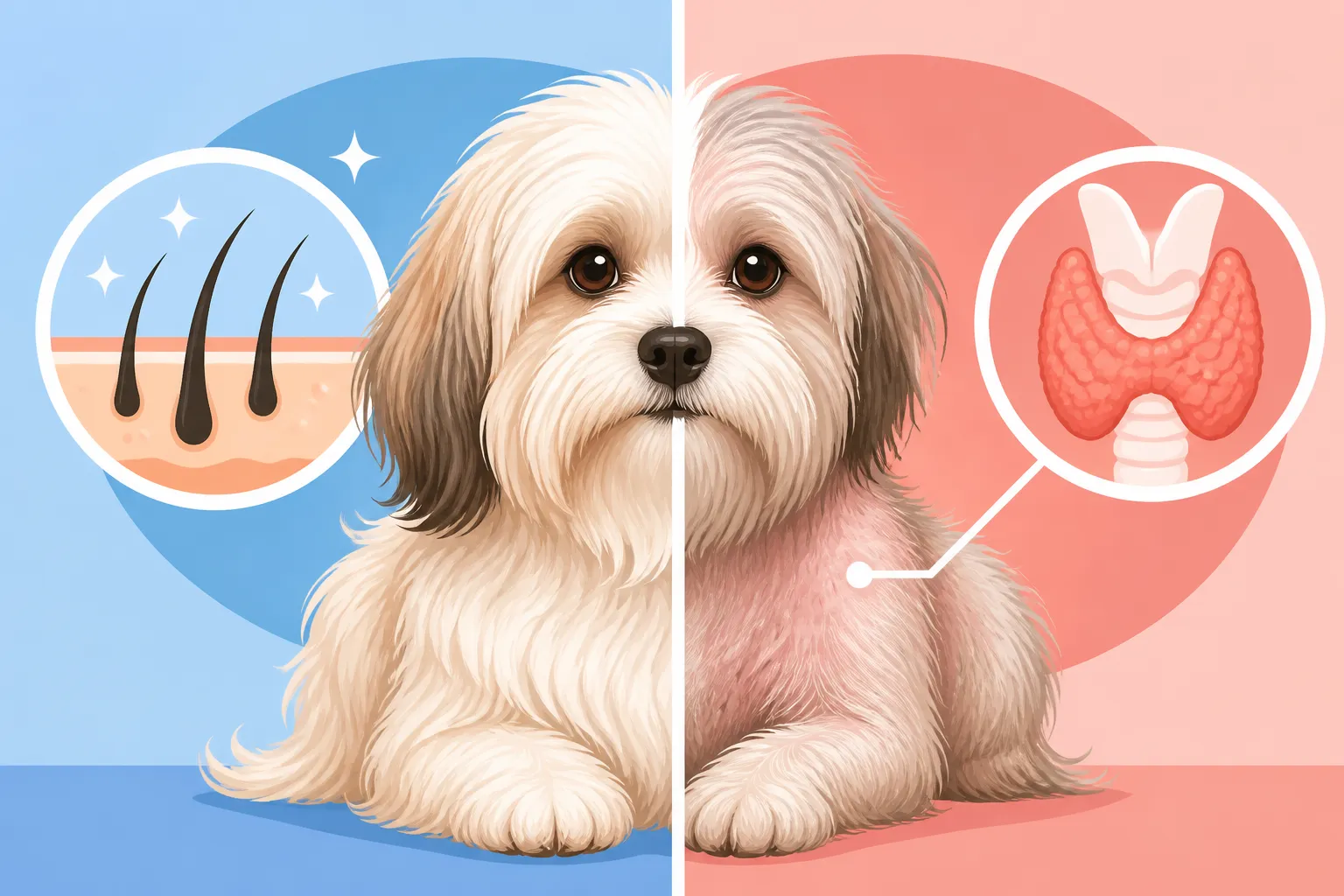
Hypothyroidism is essentially an underactive thyroid gland. Your dog's thyroid gland, located in the neck, produces hormones that regulate metabolism, which pretty much controls every system in the body, including skin and hair growth. When the thyroid isn't producing enough of these vital hormones, things start to slow down.
For a Havanese, or any dog, this slowdown can directly impact the hair follicles. Hair growth cycles become sluggish, hair strands stay in the resting phase longer, and new growth is sparse or nonexistent. The most classic presentation of coat loss due to hypothyroidism isn't usually patchy, irregular shedding, but rather a symmetrical thinning that often starts on the flanks or along the trunk. You might notice the hair becoming sparse on both sides of their body, often without much itching. The coat itself becomes dull, dry, and brittle, losing that characteristic Havanese silkiness. A very common sign is a "rat tail" appearance, where the hair on the tail becomes thin and sparse. The skin under the thinned hair might also become dry, flaky, or even thickened and darker in color.
It's important to remember that while hypothyroidism isn't as common in toy breeds like the Havanese as it is in some larger breeds, it can still occur. If you've been grappling with persistent coat issues and other causes have been ruled out, this is definitely a condition your vet should investigate. You can find more details about Signs a Havanese's Thyroid Has Failed which often include these coat changes.
Other Telltale Signs Beyond Hair Loss That Point to Thyroid Problems
Coat loss is often just one piece of the puzzle. When the thyroid gland isn't pulling its weight, other metabolic functions slow down, leading to a host of other symptoms that, when viewed together, paint a clearer picture. It's often the subtle shifts in behavior and energy levels that alert owners something is truly amiss.
Here are some key signs to watch for in your Havanese:
- Lethargy and Decreased Activity: This is one of the most common signs. Your once-playful Havanese might suddenly seem uninterested in walks, games, or even their favorite toys. They might sleep more, seem generally sluggish, and just not have their usual sparkle. It’s not just "getting old"; it's a profound drop in energy.
- Weight Gain: Despite eating the same amount of food, or even less, your Havanese might start putting on weight. This isn't due to overeating but rather a slowed metabolism that isn't burning calories efficiently.
- Intolerance to Cold: Dogs with hypothyroidism often have trouble regulating their body temperature. You might notice your Havanese seeking out warm spots more often, shivering more easily, or just seeming unusually sensitive to cooler temperatures, even indoors. They might truly need Whether a Havanese Needs a Sweater more than you thought!
- Skin Changes: Beyond the coat loss, the skin itself can suffer. It might become dry, flaky, develop dandruff, or even feel greasy and oily in some areas. In some chronic cases, the skin can thicken, especially on the face, giving a "tragic" or puffy expression. Hyperpigmentation, or darkening of the skin, can also occur.
- Changes in Behavior: Some Havanese with hypothyroidism might become more irritable, anxious, or even aggressive. Others might just seem "off" or depressed. Their usual happy-go-lucky demeanor could be replaced with something less joyful.
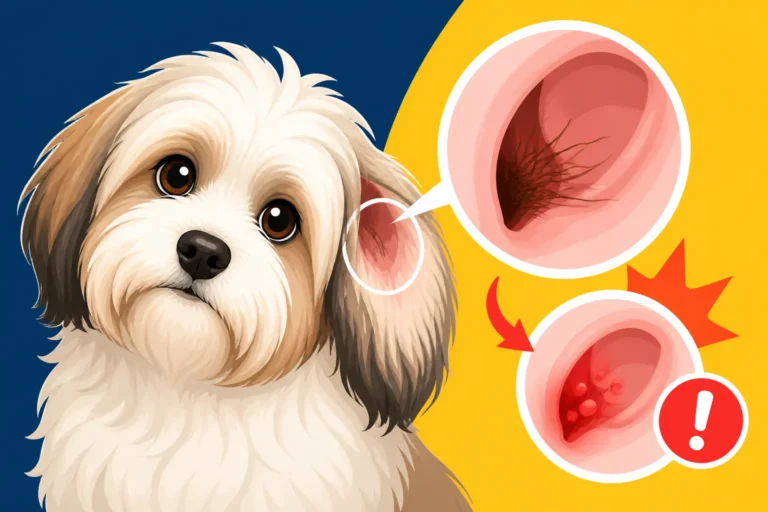
- Other Less Common Signs: You might also notice a slower heart rate, recurrent ear infections, or even neurological symptoms in severe, advanced cases.
Imagine your Havanese, who usually greets you at the door with a flurry of barks and tail wags, now just slowly lifts their head from the dog bed. Or perhaps your little explorer who used to love a romp in the park is now reluctant to even go for a short walk. These changes, especially when coupled with unexplained coat issues, should definitely prompt a discussion with your veterinarian. You know your Havanese best, and your observations are invaluable.
Diagnosing and Managing a Havanese with Thyroid-Related Coat Loss
If you're noticing these clusters of symptoms, particularly the coat loss and changes in energy or weight, don't just wait it out. Early diagnosis and treatment can make a world of difference for your Havanese.
The Veterinary Diagnostic Process for Suspected Hypothyroidism
When you bring your Havanese to the vet with concerns about coat loss and other symptoms, the vet will start with a thorough physical examination. They'll check your dog's overall condition, feel their thyroid gland (though it's usually not palpable unless enlarged), and discuss the timeline and specifics of the symptoms you've observed.
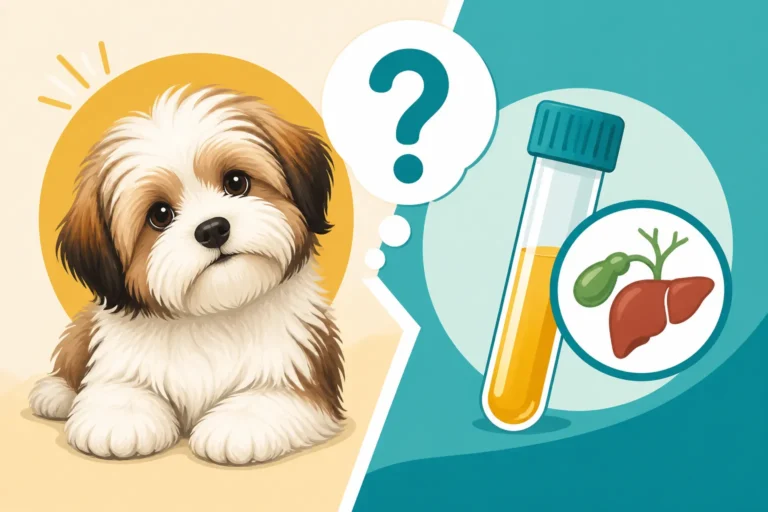
The definitive diagnosis for hypothyroidism relies on blood tests. It's not a simple "yes or no" test, but rather a panel of tests to get a comprehensive picture of thyroid function. These typically include:
- Total T4 (TT4): This measures the total amount of thyroxine (T4) hormone in the blood. A low TT4 is often the first indicator, but it can be affected by other illnesses or medications, so it's rarely used alone for diagnosis.
- Free T4 (fT4): This measures the "unbound" or active form of T4. It's generally considered a more accurate indicator than TT4 because it's less influenced by non-thyroid illnesses.
- Thyroid-Stimulating Hormone (TSH): Produced by the pituitary gland, TSH stimulates the thyroid to produce hormones. In hypothyroid dogs, the pituitary works overtime trying to get a sluggish thyroid to respond, so TSH levels are often elevated.
- Thyroid Autoantibodies (TgAA): These tests look for antibodies that might be attacking the thyroid gland (autoimmune thyroiditis), which is a common cause of hypothyroidism in dogs.
Your vet might recommend a full thyroid panel, often including all these tests, to get the most accurate diagnosis. This is critical because certain non-thyroidal illnesses or medications (like steroids) can depress thyroid hormone levels, mimicking hypothyroidism. Therefore, ruling out other conditions is crucial before starting lifelong medication. It's similar to why Whether a Havanese Needs a Yearly Blood Panel is important for overall health monitoring, as it provides a baseline.
Once a diagnosis is confirmed, the relief can be immense, knowing you finally have an answer and a path forward for your beloved companion.
Treatment Options and What to Expect for Coat Regrowth
The good news is that canine hypothyroidism is highly manageable. The primary treatment involves lifelong daily supplementation of synthetic thyroid hormone, typically levothyroxine. Your vet will prescribe a specific dosage, and it's absolutely vital to follow these instructions precisely. Missing doses or altering them without veterinary guidance can disrupt your Havanese's recovery.
Here's what you can generally expect:
- Improvement in Energy and Temperament: Many owners report seeing a noticeable improvement in their Havanese's energy levels, alertness, and overall demeanor within a few weeks of starting medication. They'll start acting more like their old, joyful selves again.
- Weight Management: Weight gain might start to reverse as their metabolism normalizes.
- Coat Regrowth: This is often the slowest improvement. It can take several weeks, or even a few months, for new hair to start growing in, and for the coat to regain its thickness and luster. Be patient! The old, damaged hair might need to fall out first before healthy new growth emerges. During this period, continue your regular, gentle grooming routine, and consider how Grooming an Old Havanese That Cannot Stand Long might need adjustments if your Havanese is also elderly or has other issues.
- Follow-Up Blood Work: Your vet will schedule follow-up blood tests, usually a few weeks after starting treatment and then periodically, to ensure the medication dose is correct and that your Havanese's thyroid hormone levels are within the normal range. Adjustments to the dosage are common until the optimal level is found.
Managing a chronic condition like hypothyroidism means ongoing veterinary care. This is where pet insurance can be a real lifesaver. Companies like Healthy Paws often cover chronic conditions diagnosed after enrollment, which can significantly ease the financial burden of lifelong medication and regular blood tests. It's worth looking into because What a Havanese Costs a Year to Keep can add up, especially with recurring vet visits.
Living with a Havanese on Thyroid Medication: Long-Term Care and Outlook
Once your Havanese is diagnosed with hypothyroidism and on medication, it's not a "set it and forget it" situation. It requires ongoing attention and partnership with your vet, but the good news is that with proper management, your Havanese can live a full, happy, and vibrant life.
Monitoring Your Havanese's Health and Medication
The key to successful long-term management is consistent monitoring. Your Havanese will need regular check-ups, typically once or twice a year, or more frequently if dosage adjustments are needed. These visits will include:
- Blood Tests: Your vet will periodically perform blood tests (often just a T4 level) to ensure the levothyroxine dose is still appropriate. Dogs' needs can change over time, and adjustments are sometimes necessary. You'll usually need to give the medication at a specific time relative to the blood draw, so pay close attention to your vet's instructions.
- Physical Examinations: The vet will assess your Havanese's overall health, weight, skin, and coat condition. They'll also check for any new or recurring symptoms that might indicate the medication needs adjusting or that another health issue is emerging.
- Observing at Home: You are your Havanese's most important advocate! Pay attention to their energy levels, appetite, weight, coat quality, and any behavioral changes. Keep a log if it helps you track patterns. If you notice them becoming lethargic again, gaining weight unexpectedly, or if their coat starts to look dull, it’s time to call the vet.
Remember, this is a lifelong commitment. Your Havanese depends on you to administer their medication diligently every single day. If you struggle with remembering, setting daily reminders on your phone can be a huge help.
Supporting Coat Health and Overall Well-being
Beyond the medication, there are still things you can do to support your Havanese’s coat health and general well-being.
- Consistent Grooming: Even as their coat improves, continue with your regular, gentle brushing routine to prevent mats and distribute natural oils. This is essential for any Havanese, regardless of health status, to maintain that lovely coat.
- Quality Nutrition: A high-quality diet that is well-balanced will always support overall health, including skin and coat. Discuss any specific dietary needs or supplements (like omega-3 fatty acids) with your vet. While it won't cure hypothyroidism, good nutrition provides the building blocks for healthy hair. It's part of what What a Havanese Needs Every Day to thrive.
- Regular Exercise: Once their energy levels return, ensure your Havanese gets appropriate daily exercise. This not only helps manage weight but also contributes to mental well-being and overall vitality.
- Comfort and Warmth: Be mindful of their comfort, especially regarding temperature sensitivity. Provide cozy beds and consider a sweater in colder weather if they seem to need it.
- Emotional Support: Your Havanese relies on your love and attention. Ensuring they feel secure and cherished contributes significantly to their overall happiness and resilience.
Living with a Havanese with hypothyroidism becomes routine quickly. The initial worry gives way to the satisfaction of seeing your furry friend thrive again. Knowing that insurance providers like Healthy Paws can help cover the costs of ongoing medications and vet visits can offer incredible peace of mind, allowing you to focus on your dog's health rather than the bills. For instance, while Insuring a Havanese Against Knees and Heart might be common concerns, knowing thyroid issues are also covered is a huge benefit.
When you bring a Havanese into your life, you commit to their care for their The Fourteen to Sixteen Years a Havanese Lives, and managing conditions like hypothyroidism is just another facet of that loving responsibility.
| Symptom Category | General Coat Loss Causes (Non-Thyroid) | Hypothyroidism Specific Symptoms |
|---|---|---|
| Coat | Patchy, irregular loss; visible irritation/scabs | Symmetrical thinning (flanks, trunk, "rat tail"); dull, dry, brittle coat |
| Skin | Redness, itching, pustules, sores; often localized | Dry, flaky, thickened, sometimes darkened skin; little to no itching |
| Energy | Usually normal; sometimes restless from itching | Lethargy, decreased activity, increased sleeping |
| Weight | Normal or loss (if poor appetite due to illness) | Unexplained weight gain despite normal/decreased food intake |
| Behavior | Restlessness, excessive scratching/licking; otherwise normal | Depression, irritability, general "off" feeling |
| Temperature | Normal | Cold intolerance, seeking warmth, shivering |
Disclaimer
The information provided in this article is for general informational purposes only and is not a substitute for professional veterinary advice. Always consult with a qualified veterinarian for any health concerns or before making any decisions related to your pet's health and treatment.