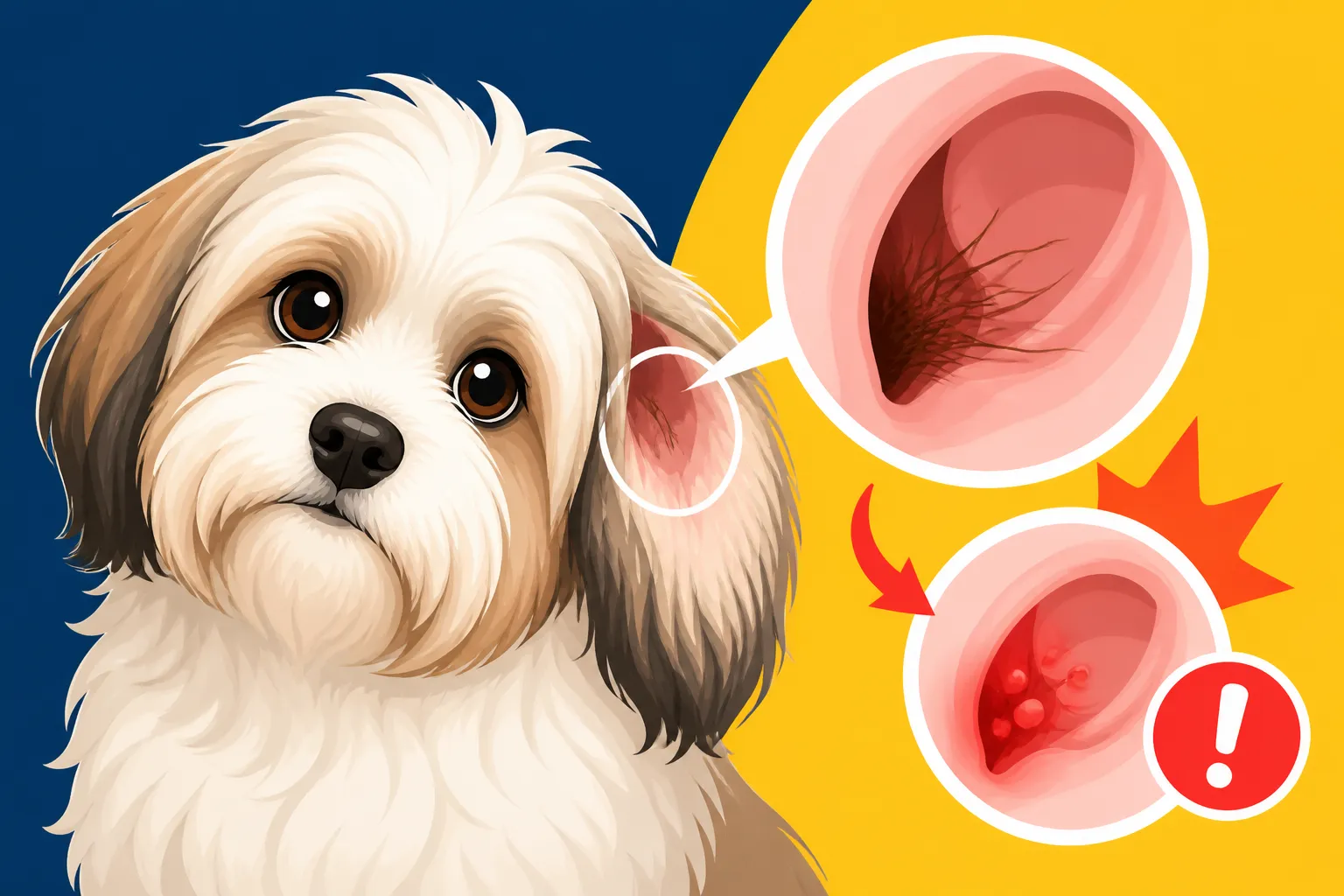
Whether Hair in a Havanese’s Ear Canal Causes Infection
One common concern that keeps many Havanese owners up at night, or at least has them peering into fluffy ears with a flashlight, is the question of ear infections. Specifically, there's a widely held belief that the copious hair growing within your Havanese's ear canal is the primary culprit behind those uncomfortable, smelly, and often recurring infections. It’s a completely understandable worry, given how plush and hairy these delightful dogs are! This guide aims to clear up the confusion, delve into the nuances of Havanese ear health, and equip you with the knowledge to keep those adorable ears clean and comfortable.
Understanding the Havanese Ear Canal and Its Hair
To truly understand why Havanese ears are such a hot topic, we first need to appreciate their unique anatomy and coat characteristics. It's not just "hair in the ear" – it's a whole intricate system.
The Unique Anatomy of Havanese Ears
Unlike many breeds with upright, open ears, Havanese sport those lovely, long, floppy ears that frame their sweet faces so beautifully. While adorable, this ear structure actually creates a microclimate that can be less than ideal for ventilation. Think of it like a cozy, warm, and often humid little cave. The ear canal itself in a Havanese, like in many small breeds, can be relatively narrow and L-shaped, making it harder for air to circulate and for natural debris to work its way out. This anatomical setup already creates an environment where moisture and warmth can get trapped, which is a perfect breeding ground for bacteria and yeast if not managed properly.
The Distinctive Havanese Coat and Ear Hair Growth
The Havanese is renowned for its luxurious, silky double coat that can grow quite long, often reaching the floor. This beautiful coat isn't just external; it extends right into the ear canal, producing a significant amount of fine, soft hair that grows deep inside. This isn't just a few stray strands; for many Havanese, it's a dense tuft of hair that can effectively block the ear canal opening. This internal ear hair is a characteristic trait of the breed, a feature that differentiates them from some other toy breeds with less hair growth in this area. It's this particular aspect that fuels much of the concern among owners and forms the basis of the common wisdom around ear plucking.
The Debate: Does Ear Hair Cause Infections?
This is where things get a little complicated, and where the long-standing "old school" advice often clashes with more current veterinary understanding. For years, the conventional wisdom was a resounding "yes!" – ear hair causes infections. However, the picture is a bit more nuanced.
Traditional View: Hair as a Primary Culprit
The traditional thinking went something like this: dense hair within the ear canal acts like a dam, trapping everything from ear wax and dead skin cells to environmental debris and, crucially, moisture. When a Havanese takes a bath, goes swimming, or even just gets caught in the rain, that moisture can get trapped by the hair and linger. This creates a warm, moist, dark environment – precisely what opportunistic bacteria and yeast thrive on. Without proper air circulation, and with all that "stuff" accumulating, an infection seemed almost inevitable. Many groomers and vets for decades advocated for routine, sometimes aggressive, ear plucking to remove all internal ear hair, believing this was the ultimate preventative measure.
Modern Veterinary Perspective: Hair as a Contributor, Not Always the Cause
Today, the scientific understanding has evolved. While ear hair certainly contributes to the challenges of Havanese ear health, it's rarely seen as the sole or primary cause of infections. The current veterinary consensus leans towards a multi-factorial approach, where underlying issues often set the stage for infection, with ear hair then exacerbating the problem.
For example, many Havanese suffer from environmental allergies or food sensitivities, which can manifest as itchy, inflamed skin, including the delicate skin inside the ear canal. This inflammation disrupts the natural balance of the ear, altering the skin's protective barrier and making it more susceptible to microbial overgrowth. If your Havanese is constantly scratching at its ears because of allergies, that irritation alone can lead to inflammation and secondary infections, regardless of hair. Similarly, some dogs are prone to excessive wax production or have an inherent imbalance in their ear microbiome, making them more predisposed.
So, while the hair itself doesn't directly cause the infection, it can certainly make the ear canal a less hospitable place for a healthy ear and a more welcoming environment for pathogens. It can hinder proper cleaning, prevent topical medications from reaching the affected areas, and further reduce airflow, creating that ideal "hot house" for bacteria and yeast to flourish. It's a contributing factor, for sure, but often not the root cause. This is an important distinction, as simply plucking hair without addressing other potential issues might not solve a recurrent infection problem.
Consider a scenario where your Havanese, let's call her Luna, loves to play fetch outside, especially after a sprinkler has been running. Her long, floppy ears and the dense hair within her canals mean that any water that gets in during play might not evaporate quickly. This trapped moisture, combined with the natural warmth of her body, creates a perfect breeding ground. If Luna also has a mild sensitivity to certain pollens, her ear canals might already be slightly inflamed. The hair then compounds the issue by trapping more moisture and irritants, making it harder for her body to naturally clear itself and making her susceptible to a painful infection. For more insights into common health issues, you might want to read about Whether a Havanese Gets Ear Infections.
Managing Ear Hair in Your Havanese: Best Practices
Given the complexities, what’s an owner to do about all that ear hair? The goal is to create an environment that promotes good ear health without causing undue stress or harm to your beloved Havanese.
Plucking Versus Trimming: The Ongoing Discussion
This is perhaps the most debated topic in Havanese ear care.
- Ear Plucking (Removal of hair from the canal): Historically, this was the go-to method. The idea is to remove all hair from the ear canal to maximize airflow and prevent debris trapping.
- Pros: When done correctly, it can significantly improve airflow and make cleaning easier. It might be beneficial for Havanese with extremely dense, matting ear hair that truly blocks the canal.
- Cons: This is where the modern veterinary perspective raises concerns. Plucking can be painful for the dog, especially if done incorrectly or too aggressively. It can cause micro-traumas to the delicate skin lining the ear canal, leading to inflammation, irritation, and even open sores. These small wounds then become entry points for bacteria, potentially causing an infection rather than preventing it. It can also stimulate thicker, coarser hair regrowth, making future plucking more challenging and painful. Some vets now advise against routine plucking unless absolutely necessary, and only if the hair is truly obstructing the canal or causing mats.
- Trimming (Clipping hair from the ear canal entrance): An alternative approach is to simply trim the hair at the entrance of the ear canal and on the underside of the ear flap, rather than plucking deep inside.
- Pros: This method avoids irritating the sensitive skin within the canal. It still helps improve airflow around the ear opening and reduces the chance of mats forming there, which can trap dirt and moisture against the external ear. It's less stressful for the dog.
- Cons: It doesn't address hair growing deep within the canal. If your Havanese has extremely thick hair far down the canal, trimming the entrance might not be enough to significantly improve ventilation or prevent some accumulation. It requires careful use of blunt-nosed scissors or small clippers to avoid injury.
The best approach often depends on your individual Havanese. If their ear hair is fine and sparse, simply keeping the ears clean and dry might be enough. If the hair is thick and prone to matting deep inside, professional removal (either by plucking or very careful trimming by a vet) might be necessary, but this should be decided with your veterinarian. Always discuss this with your vet, especially if your Havanese experiences recurrent ear problems, as they can guide you on the safest and most effective strategy for your specific dog. You can also explore options for Whether a Havanese's Ear Hair Should Be Plucked.
Proper Ear Cleaning Techniques
Regardless of whether you pluck or trim, regular and proper ear cleaning is paramount for your Havanese.
- Use Vet-Approved Cleaners: Never use plain water or alcohol. Always use a gentle, pH-balanced ear cleaner specifically formulated for dogs. Your vet can recommend a good one.
- Technique: Gently lift your Havanese's ear flap and squirt the cleaner directly into the ear canal until it's full. Massage the base of the ear for 20-30 seconds. You'll hear a squishy sound as the cleaner breaks down wax and debris. Allow your Havanese to shake their head – this is crucial as it helps dislodge the gunk.
- Wipe Clean: Use soft cotton balls or gauze to gently wipe away any visible cleaner, wax, and debris from the ear flap and the outer part of the canal. Never use cotton swabs (Q-tips) deep inside the ear canal, as this can push debris further down, damage the eardrum, or irritate the canal.
- Frequency: How often you clean depends on your dog. For many Havanese, once a week or every two weeks is sufficient. If they swim frequently or are prone to infections, you might need to clean more often. Always dry their ears thoroughly after baths or swimming; you can learn more about Whether a Havanese's Ears Need Drying After a Bath.
- Professional Help: If you're uncomfortable with ear care, or if your Havanese is particularly sensitive, don't hesitate to ask your groomer or vet to demonstrate or perform it for you. This is part of the regular grooming routine, which is vital for a breed with such a magnificent coat.
Integrating Ear Care into the Grooming Routine
Ear care isn't a standalone task; it should be a regular part of your Havanese's overall grooming regimen. Since their beautiful coat needs frequent attention, it's a perfect opportunity to check their ears. While you're line brushing their silky double coat, take a moment to lift those floppy ears and take a peek. Look for redness, odor, or discharge. Gently wipe the outer ear. A well-groomed Havanese is a healthy Havanese! You can find more detail on their grooming needs in guides like The Silky Double Coat a Havanese Grows to the Floor. Regular checks allow you to catch potential issues early.
Here's a quick comparison of ear hair management methods:
| Feature | Plucking Ear Hair | Trimming Ear Hair (Entrance) |
|---|---|---|
| Purpose | Maximize airflow, remove obstructions deep inside | Improve airflow, reduce mats at canal entrance |
| Pain Level | Can be painful, causes micro-trauma | Generally painless if done carefully |
| Risk of Infection | Can cause infection if skin is damaged | Low, minimal trauma to skin |
| Hair Regrowth | Can stimulate coarser, denser regrowth | Hair regrows naturally, doesn't change texture |
| Tools Required | Hemostats/forceps, ear powder (optional) | Blunt-nosed scissors or small clippers |
| Veterinary Stance | Often discouraged unless medically necessary | Generally preferred for routine management by many vets |
| DIY Suitability | High risk for owners, best done by professional | Manageable for careful owners |
Recognizing and Treating Havanese Ear Infections
Even with the best preventative care, Havanese can still get ear infections. Knowing the signs and acting quickly can prevent a lot of discomfort for your furry friend.
Telltale Signs of an Ear Infection
Your Havanese can't tell you in words that their ear hurts, so you need to be a keen observer. Common signs of an ear infection include:
- Excessive scratching: If your Havanese is constantly pawing at their ear or rubbing their head along furniture, it's a huge red flag.
- Head shaking: Frequent, vigorous head shaking is a classic sign of ear discomfort.
- Redness and swelling: Look inside the ear flap and the visible parts of the ear canal. Is it redder than usual, or puffy?
- Odor: A foul, yeasty, or sweet smell coming from the ear is a definite indicator of infection.
- Discharge: This can range from dark brown, waxy buildup to yellow or green pus. Some discharge might resemble coffee grounds, often indicative of ear mites (though less common in adults).
- Pain or sensitivity: Your Havanese might yelp or pull away when you try to touch their ear.
- Changes in behavior: They might seem lethargic, irritable, or less interested in play due to the discomfort.
- Hair loss or irritation around the ear: Constant scratching can lead to secondary skin issues on the outside of the ear. These skin issues can sometimes be related to broader problems, like Skin Trouble Under a Havanese Coat.
When to Seek Veterinary Care
If you notice any of these signs, don't delay – it's time for a vet visit. Ear infections rarely resolve on their own, and delaying treatment can lead to more severe pain, chronic issues, or even permanent damage to the ear canal and hearing. A prompt visit ensures your Havanese gets the right diagnosis and treatment. This is where pet insurance from providers like Healthy Paws can truly be a lifesaver, helping to cover unexpected vet bills for diagnostics and medications.
Diagnosis and Treatment Options
When you take your Havanese to the vet for an ear infection, they will likely perform several steps:
- Examination: The vet will visually inspect the ear canal using an otoscope to look for redness, swelling, discharge, foreign bodies, or eardrum damage.
- Cytology: This is a crucial step. The vet will take a swab of the discharge and examine it under a microscope. This helps identify whether the infection is bacterial, yeast-based, or a combination. Different types of infections require different medications.
- Culture and Sensitivity (if needed): For severe or recurrent infections, a culture might be sent to a lab to identify the specific bacteria and determine which antibiotics will be most effective.
- Treatment: Based on the diagnosis, treatment typically involves:
- Thorough Cleaning: The vet will often perform a deep cleaning of the ear to remove all debris, allowing medications to penetrate better.
- Topical Medications: Most ear infections are treated with ear drops or ointments containing antibiotics, antifungals, and/or anti-inflammatory steroids. These are applied directly into the ear canal.
- Oral Medications: In more severe cases, or if the infection is systemic, oral antibiotics or anti-inflammatory drugs might be prescribed.
- Addressing Underlying Causes: If allergies are suspected, your vet might recommend diet changes (e.g., trying a novel protein or hydrolyzed protein diet if food allergies are suspected) or allergy medications. It's really important to get to the root of the problem, as explored in articles like Whether a Havanese Reacts to Its Food.
- Follow-Up: It's essential to complete the full course of medication, even if your Havanese seems better, and to attend any follow-up appointments your vet recommends to ensure the infection is completely cleared.
Preventative measures, like regular cleaning and careful drying of the ears, can significantly reduce the incidence of ear infections. Keeping a close eye on your Havanese's general health, including their skin and coat, can also help you spot signs of allergies that might predispose them to ear issues. Remember, your vet is your best partner in maintaining your Havanese's health. Taking your Havanese for their What a Havanese's Yearly Checkup Costs can often catch issues before they become major problems, highlighting the value of routine care, which can be partially covered by pet insurance like Healthy Paws.
Long-Term Prevention Strategies
For Havanese prone to recurrent ear infections, a proactive approach is key.
- Consistent Ear Care Routine: Stick to a schedule for cleaning and, if recommended by your vet, managing ear hair. Consistency is more effective than sporadic efforts.
- Address Allergies: If allergies are the root cause, working with your vet to manage them is crucial. This might involve dietary changes, immunotherapy, or antihistamines. For more on this, you might find Whether a Havanese Gets Itchy Skin insightful.
- Moisture Control: Always dry your Havanese's ears thoroughly after baths or swimming. You can use a towel, or even a low, cool setting on a hairdryer (held at a safe distance) to ensure the ear canal is dry.
- Regular Vet Check-ups: Routine veterinary examinations, perhaps even a check specifically for ear health every few months if issues are frequent, can help monitor the condition of the ears and catch problems early. This preventative approach is why many pet owners choose to invest in pet insurance like Healthy Paws, which can ease the financial burden of managing chronic conditions.
- Diet and Supplements: A balanced, high-quality diet supports overall immune health. Sometimes, omega-3 fatty acid supplements can help improve skin and coat health, which can indirectly benefit ear health by reducing inflammation.
By understanding the unique challenges of Havanese ears, staying informed about current veterinary recommendations, and maintaining a consistent care routine, you can significantly reduce the likelihood of your beloved Havanese suffering from painful ear infections. It’s all about being proactive and attentive to their specific needs.
Disclaimer
Please remember that this article provides general information and is not a substitute for professional veterinary advice. Always consult with a qualified veterinarian for any health concerns or before making any decisions about your Havanese's care, diet, or treatment plans.