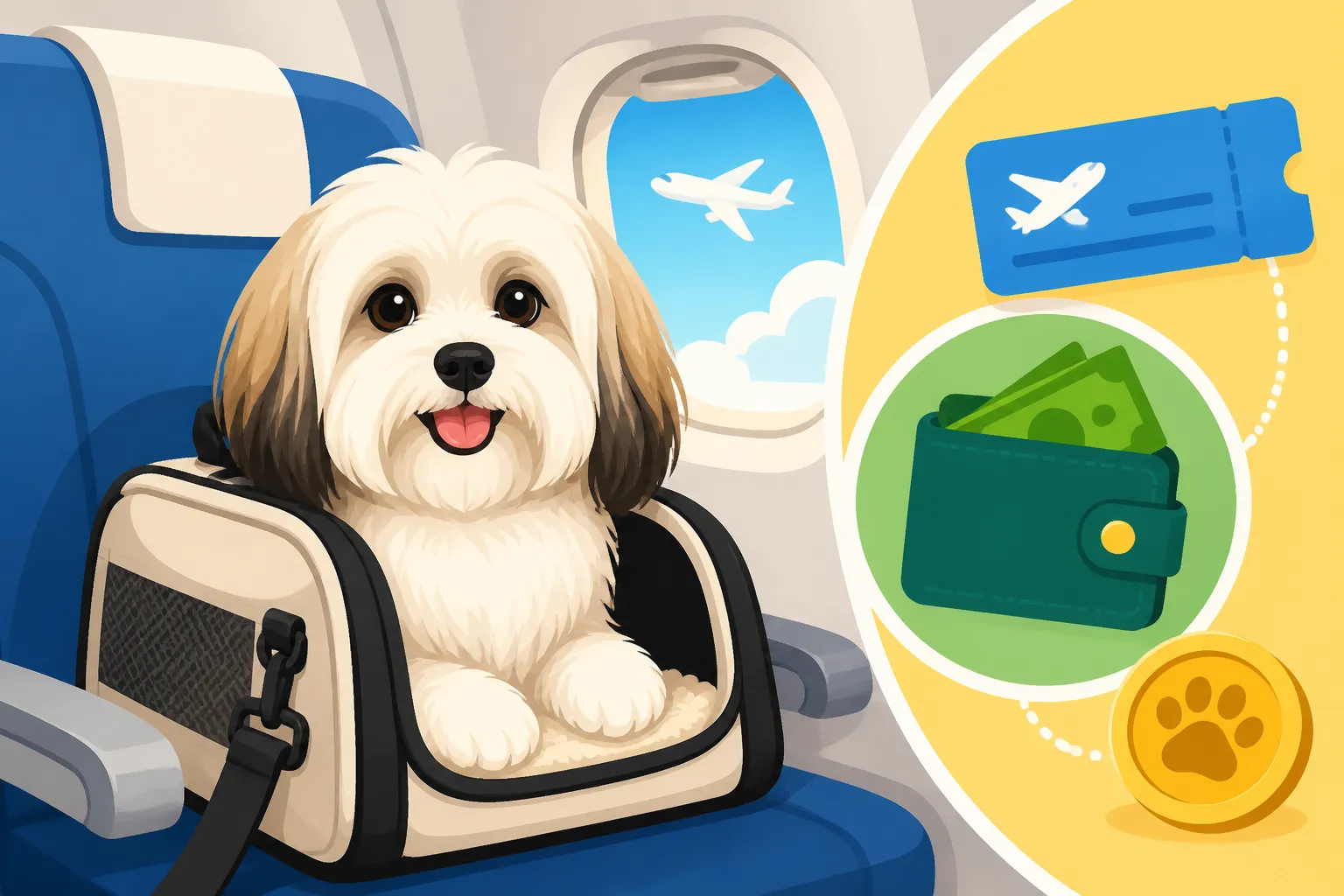
What Flying a Havanese in the Cabin Costs
It’s a natural desire, isn't it? You want to bring your beloved Havanese with you on your adventures, not leave them behind in a kennel or with a sitter. But the thought of flying them in the cabin immediately brings up a swirl of questions and anxieties, especially when it comes to the bottom line. This guide is here to untangle the various costs and considerations involved in flying your Havanese right there with you, under the seat in front of you, giving you a clearer picture of what to expect financially and logistically.
Understanding the Airline's Pet Policy: The First Hurdle
Before you even think about booking a ticket, the very first thing you need to do is become intimately familiar with your chosen airline’s pet policy. These policies aren't just suggestions; they are strict rules that can make or break your travel plans, and they vary wildly from one carrier to the next. Ignoring them means risking being turned away at the gate, which is a nightmare scenario no pet parent wants to face.
Carrier Dimensions and Weight Limits
The most immediate and often underestimated hurdle is the pet carrier itself. Airlines have very specific requirements for in-cabin carriers, primarily that they must fit comfortably under the seat in front of you. This usually means a soft-sided carrier is your best bet, as it offers a bit of flexibility to conform to the tight space, unlike rigid plastic crates which are rarely suitable for in-cabin travel. You'll need to measure your potential carrier meticulously to ensure it meets the airline's length, width, and height specifications.
Beyond the physical dimensions, there's the weight limit to consider. Most airlines have a combined weight restriction for the pet and the carrier. While our lovely Havanese are small, typically weighing between 7 to 13 pounds, it’s still crucial to confirm this detail. You might find a sturdy, well-ventilated carrier on platforms like Chewy that meets these requirements, but always double-check the airline's specific figures. Remember, a Havanese often feels much heavier when you're trying to navigate a busy airport with bags and tickets in hand.
Booking in Advance and Limited Availability
Here’s a common frustration many Havanese owners face: even if you’ve got your carrier sorted, you still might not get your dog on the flight. Airlines strictly limit the number of pets allowed in the cabin on any given flight, often to just a handful. This isn't out of spite, but for the comfort and safety of all passengers, including your furry friend. If you’re planning to travel during peak seasons, holidays, or popular routes, you’ll need to book your Havanese’s spot — yes, you're essentially booking a ticket for them too — as far in advance as humanly possible.
Trying to squeeze your Havanese onto a full flight last minute often results in disappointment, or worse, having to change your entire travel itinerary, which can come with its own set of change fees. The proactive approach pays off here; securing your Havanese’s spot early ensures peace of mind and avoids unnecessary stress. It's a small detail that can have huge implications for your travel experience.
Breed Restrictions and Temperature Embargoes
While Havanese are typically exempt from breed-specific restrictions due to their calm demeanor and non-brachycephalic (short-nosed) features, it’s still wise to glance over this section of any airline's policy. Some airlines have blanket rules that might, on rare occasion, affect even small breeds based on overall pet transport guidelines. The good news is, for in-cabin travel, these are generally less of a concern for a Havanese than they would be for a larger dog traveling in cargo.
Temperature embargoes are another point to be aware of, even for in-cabin travel. While these primarily impact pets in cargo holds, extreme weather conditions can sometimes lead to general flight cancellations or delays, which indirectly affect your Havanese. For example, if your connecting flight is rerouted due to a heatwave affecting ground operations for cargo animals, your entire journey could be disrupted. Always check the weather forecast for your departure, layover, and destination cities. It's all part of the larger picture when you're Traveling With a Havanese.
The Direct Cost: Airline Pet Fees
Once you’ve navigated the labyrinth of airline policies regarding carriers and availability, you’ll encounter the most straightforward cost: the airline pet fee. This is the fee the airline charges simply for allowing your Havanese to accompany you in the cabin. Don't expect this to be a small change; it's a significant part of your travel budget.
Domestic vs. International Flights
The pet fee structure often varies depending on whether you’re flying domestically or internationally. For domestic flights within your home country, you'll typically find a flat fee per pet per carrier. This fee is relatively predictable and, while not insignificant, is usually a one-time charge per direction of travel, or sometimes per round trip. It’s the cost of admission for your furry companion to join you on board.
International flights, on the other hand, can introduce a whole new layer of complexity to pet fees. These charges can be higher, and sometimes involve additional taxes or regulatory fees imposed by different countries. The conversion of currency, especially if you're flying to a country with a wildly different exchange rate, can also make these costs feel even steeper. Always check the specific international pet travel pages of your airline, as these often detail the nuances for global routes. This is where understanding What an Airline Charges to Fly a Havanese in Cabin becomes truly critical.
Per-Flight Segment Charges
This is a common gotcha that can dramatically inflate your total cost: some airlines charge their pet fee per flight segment. If your journey involves a layover and a connecting flight, you could be charged the fee for your Havanese not just once, but twice (or more!) for a one-way trip. For example, a flight from Seattle to Orlando with a connection in Chicago would incur a fee for the Seattle-Chicago leg and another for the Chicago-Orlando leg.
Imagine you're flying round trip with two connections each way. That could quickly become four or even six separate pet fees! This system can turn what seems like a manageable fee into a substantial expense. It's absolutely crucial to clarify this detail when you book, as it can be the difference between a reasonable travel cost and one that makes you question your entire plan. Always ask if the fee is per segment or per journey when speaking with customer service, or find it explicitly stated in the pet policy.
Varying Airline Fees
No two airlines are exactly alike when it comes to their pet fees. One airline might charge a modest amount, while another, perhaps a premium carrier or one with fewer pet slots, might levy a considerably higher fee. These differences aren't always tied to the quality of service, but more to the airline's operational costs, demand, and specific policies. This is why a thorough comparison across different airlines isn't just a good idea; it's essential.
Before settling on a flight, take the time to visit the websites of several airlines that fly your desired route. Look specifically for their "pet travel" or "traveling with animals" sections. Don't just look for the number, but understand the fine print – is it refundable? What if the flight changes? Are there any hidden charges? Being armed with this information allows you to make an informed decision and budget accurately, saving you from any unpleasant surprises at check-in.
Pre-Flight Preparations and Their Expenses
Beyond the direct costs of the flight itself, there’s a whole host of essential preparations for your Havanese that come with their own price tags. These are critical for your pet’s health and legal compliance, and they cannot be skipped.
Veterinary Examinations and Health Certificates
Before your Havanese can even step paw near an airport security line, a visit to the veterinarian is almost always a non-negotiable step. Most airlines, and certainly all international destinations, require a health certificate. This document, signed by a licensed veterinarian, states that your Havanese is healthy enough to travel and free of any communicable diseases. The catch? These certificates typically have a very limited validity period, often needing to be issued within 10 days of travel, sometimes even less for international flights.
This means a dedicated vet appointment specifically for travel clearance. The cost will include the examination itself, which is similar to What a Havanese's Yearly Checkup Costs, but also the administrative fee for filling out and signing the official health certificate. Depending on your vet's rates and the complexity of the forms (especially for international travel), this can add a noticeable chunk to your budget. Sometimes, your vet might recommend updated vaccinations or preventative treatments if your Havanese isn't current, adding further to the bill.
Required Vaccinations and Microchipping
Many travel destinations, both domestic and international, have strict requirements for vaccinations, with rabies being the most common and universally required. You’ll need proof that your Havanese is up-to-date on all necessary shots, and this paperwork often needs to be attached to the health certificate. If your Havanese is due for a booster, or if you're traveling to a region with unique vaccination requirements, these costs will need to be factored in.
Microchipping is another frequently mandatory requirement, especially for international travel, serving as a permanent identification for your pet. If your Havanese isn't already microchipped, you'll need to get this done well in advance of your trip. The cost typically covers the chip itself and the insertion procedure, plus a registration fee to ensure your contact information is linked to the chip in a national or international database. These are investments in your Havanese's safety and your ability to comply with travel regulations.
Sedation Debates and Calming Aids
It’s tempting to think about sedating an anxious Havanese for a flight to make them more comfortable. However, most veterinarians strongly advise against sedating pets for air travel. The combination of altitude, cabin pressure changes, and potential drug interactions can lead to serious health complications, including respiratory and cardiovascular problems. It’s a risk that most responsible pet owners and vets simply won’t take.
Instead, if you have a Havanese prone to anxiety, consider natural calming aids or strategies. These might include pheromone sprays for their carrier, a calming wrap like a Thundershirt, or vet-approved natural supplements. Products designed for calming pets can be found at pet stores or online retailers like Chewy. Always discuss any calming aids, even natural ones, with your veterinarian well before your travel date. They can offer guidance tailored to your Havanese's specific health and temperament, ensuring you choose the safest and most effective option to help your Havanese relax and make it easier for Whether a Havanese Settles in a Carrier.
Essential Gear and Comfort Items
Traveling comfortably with your Havanese isn't just about the flight ticket and health checks; it's also about ensuring they have the right gear to make the journey as stress-free as possible. These items might seem small, but they contribute to the overall cost and, more importantly, your Havanese's well-being.
Approved Airline Carrier
We've touched on this already, but it bears repeating: the right carrier is paramount. This isn't just any pet carrier you might use for a car ride; it needs to be specifically designed for airline travel, meeting stringent requirements for ventilation, leak-proof bottom, and the ability to fit under a seat. Quality airline-approved carriers often feature multiple mesh windows for airflow, comfortable fleece bedding, and secure zippers to prevent escapes.
The cost of a good, compliant carrier can vary significantly. You might find basic models that fit the bill, or opt for more premium ones with extra features like built-in wheels or expandable sides (though expansion isn't usually an option during flight). Investing in a durable carrier is wise, as it can be reused for many trips to come. Remember, skimping on the carrier could mean having to purchase an expensive, hastily-chosen replacement at the airport, or worse, being denied boarding. For more insights on this specific purchase, you might look into What a Carrier for a Havanese Costs.
Travel Essentials: Bowls, Toys, and Waste Bags
Once you have your Havanese's main transport vessel, you'll need to stock it with various smaller essentials. Collapsible silicone bowls are perfect for providing water during layovers or after landing, as they take up minimal space. Don’t forget a small, favorite toy or a comfort item like a blanket that smells like home; these can provide much-needed reassurance in an unfamiliar environment.
Pee pads are a must-have for lining the carrier, especially if your Havanese has a long journey or tends to have accidents when stressed. And, of course, a generous supply of waste bags is indispensable for any potty breaks during your travels. These items, while individually inexpensive, add up, and running out mid-journey can be a major inconvenience. Many pet supply stores, including online options like Chewy, offer travel kits or individual items that are perfect for these needs. For mealtime during your travels, consider shelf-stable, portioned food options from brands like Ollie, which can be convenient for maintaining your Havanese's diet without refrigeration.
Grooming Before Travel
Preparing your Havanese for a flight isn’t just about health and paperwork; it also involves their comfort and hygiene. A thorough groom before you depart can make a world of difference. This might include a good bath to ensure your Havanese is fresh and clean, minimizing any potential odors in the confined cabin space. A trim around the face and sanitary areas can prevent matting or discomfort during the journey, especially if you have a long-haired Havanese.
Additionally, don’t overlook their nails! Ensure your Havanese’s nails are freshly clipped or dremeled. Long nails can get snagged on the carrier's mesh or on carpet, causing injury or discomfort. Plus, well-maintained paws are simply more comfortable for a long period of confinement. You can either do this yourself if you're skilled or book an appointment with a professional groomer. Think of it as a pre-flight pampering session that benefits everyone. For more detailed tips on this, you might explore articles like How Often a Havanese's Nails Need Cutting or What a Full Havanese Groom Costs.
Unexpected Costs and Contingency Planning
Even with the most meticulous planning, travel can throw curveballs. When you’re flying with a pet, these unexpected events can quickly escalate costs and stress. Having a contingency plan, both financially and logistically, is part of being a responsible Havanese owner.
Flight Delays and Overnight Stays
We've all experienced them: the dreaded flight delay or cancellation. While an inconvenience for solo travelers, these situations become significantly more complicated and costly when you have a Havanese in tow. A missed connection could mean an unplanned overnight stay, forcing you to find a pet-friendly hotel at the last minute, which often comes with a premium price and limited availability. You might also incur additional costs for emergency food, water, or even a leash and harness if yours are packed in checked luggage.
The stress on your Havanese during such disruptions is also considerable. They're already out of their routine, confined, and now facing prolonged uncertainty. Packing a small emergency kit with extra food, water, and perhaps even a familiar scent or a calming spray can help mitigate some of this stress for both of you. It's about being prepared for the unforeseen, because travel with pets rarely goes exactly as planned.
Emergency Veterinary Care Abroad
Should your Havanese fall ill or suffer an injury while you’re away from home, especially in a foreign country, the costs can be astronomical. Navigating a new veterinary system, understanding local pricing, and dealing with potentially unfamiliar currencies can be overwhelming. Standard travel insurance typically doesn't cover pet medical emergencies, leaving you fully exposed to these potentially massive bills.
This is where pet insurance can truly be a lifesaver. Many pet insurance providers, such as Healthy Paws, offer plans that cover unexpected accidents and illnesses, even when you're traveling away from home. While you'll need to check the specifics of any policy regarding international or interstate travel, having this coverage can provide immense peace of mind. It allows you to focus on getting your Havanese the best care without the added burden of crippling financial worry. Considering Insuring a Havanese Against Knees and Heart for a Havanese is a prudent choice, as certain breed-specific ailments can crop up. Having a separate fund or a line of credit designated for emergencies, perhaps by Setting Money Aside for a Havanese's Vet Bills, is another smart financial strategy.
Currency Exchange and International Payment Fees
For international travel, an often-overlooked cost is that of currency exchange and foreign transaction fees. Every time you use your credit or debit card in a foreign currency, your bank might charge a percentage of the transaction as a foreign transaction fee. While each fee might seem small, they can quickly accumulate, adding an invisible layer to your overall travel expenses.
Consider preparing for this by carrying some local currency, using a travel credit card with no foreign transaction fees, or exploring travel-specific debit cards. This isn't directly related to your Havanese's immediate needs, but it impacts your overall budget, which in turn affects your ability to cover all the costs associated with traveling with your furry friend.
Making the Decision: Is Flying in the Cabin Right for Your Havanese?
After considering all the costs and preparations, it’s important to step back and honestly evaluate if flying in the cabin is truly the best option for your individual Havanese. While it allows them to be by your side, it is still a stressful experience for many animals, involving confinement, strange noises, new smells, and pressure changes.
A Havanese, with their generally calm and adaptable temperament, often takes to travel better than some other breeds. However, individual personalities vary greatly. Does your Havanese handle car rides well? Are they comfortable in their carrier for extended periods? Do they get stressed by loud noises or new environments? A very anxious or vocal Havanese might struggle significantly, making the journey miserable for them and for you. Sometimes, even if it pains us, leaving them with a trusted pet sitter or at a reputable boarding facility might be the kinder option, especially for very long flights or if your Havanese is particularly sensitive.
The decision is deeply personal, weighing your desire to have them with you against their comfort and safety. Be realistic about their temperament and consult your vet for advice. Remember, you can always explore other options like ground travel or shorter, easier flights before committing to a long-haul air journey.
| Aspect | Cost Considerations |
|---|---|
| Airline Pet Fee | Varies by airline, domestic/international, and per segment. Can be significant. |
| Approved Carrier | Essential, must meet airline dimensions and weight. Quality carriers can be a notable upfront investment. |
| Veterinary Visit & Health Cert | Mandatory for most travel. Includes exam fee and certificate issuance. Validity period is usually short. |
| Vaccinations & Microchip | Must be current; microchipping often mandatory for international travel. |
| Calming Aids | Optional, but can help reduce stress. Discuss with vet. |
| Travel Essentials | Collapsible bowls, pee pads, waste bags, comfort items – small costs that add up. |
| Pre-Flight Grooming | Bath, nail trim, sanitary trim for comfort and hygiene. |
| Contingency Fund | For unexpected delays (pet-friendly hotels, extra food) or emergency vet care. Pet insurance is highly recommended. |
| Currency & Transaction Fees | Relevant for international travel; often overlooked additional charges. |
| Harness & Leash | Essential for airport navigation, consider one that is secure and comfortable for your Havanese during potentially stressful moments, such as navigating security checkpoints. |
Disclaimer
This article is for general informational purposes only and does not constitute professional advice. Laws, prices and regulations vary by location and change over time. Consult a qualified professional for guidance on your specific situation.