What an Airline Charges to Fly a Havanese in Cabin
The thought of flying with your beloved Havanese can be a tangle of excitement and sheer dread, mostly because the costs and logistics feel like a giant, confusing puzzle. You want your furry family member with you, safe and sound in the cabin, but the price tag can be as opaque as a fogged-up airplane window. This guide is here to demystify what airlines typically charge for in-cabin pet travel, helping you prepare your budget and your sanity for your next adventure with your little companion.
Understanding the "In-Cabin" Option for Your Havanese
When it comes to flying with a Havanese, the in-cabin option is almost always the preferred choice for loving owners. It brings a sense of security that simply isn't available with cargo travel, and for good reason. Your Havanese is a member of your family, not a piece of luggage.
Why In-Cabin is the Preferred Choice for Small Breeds like Havanese
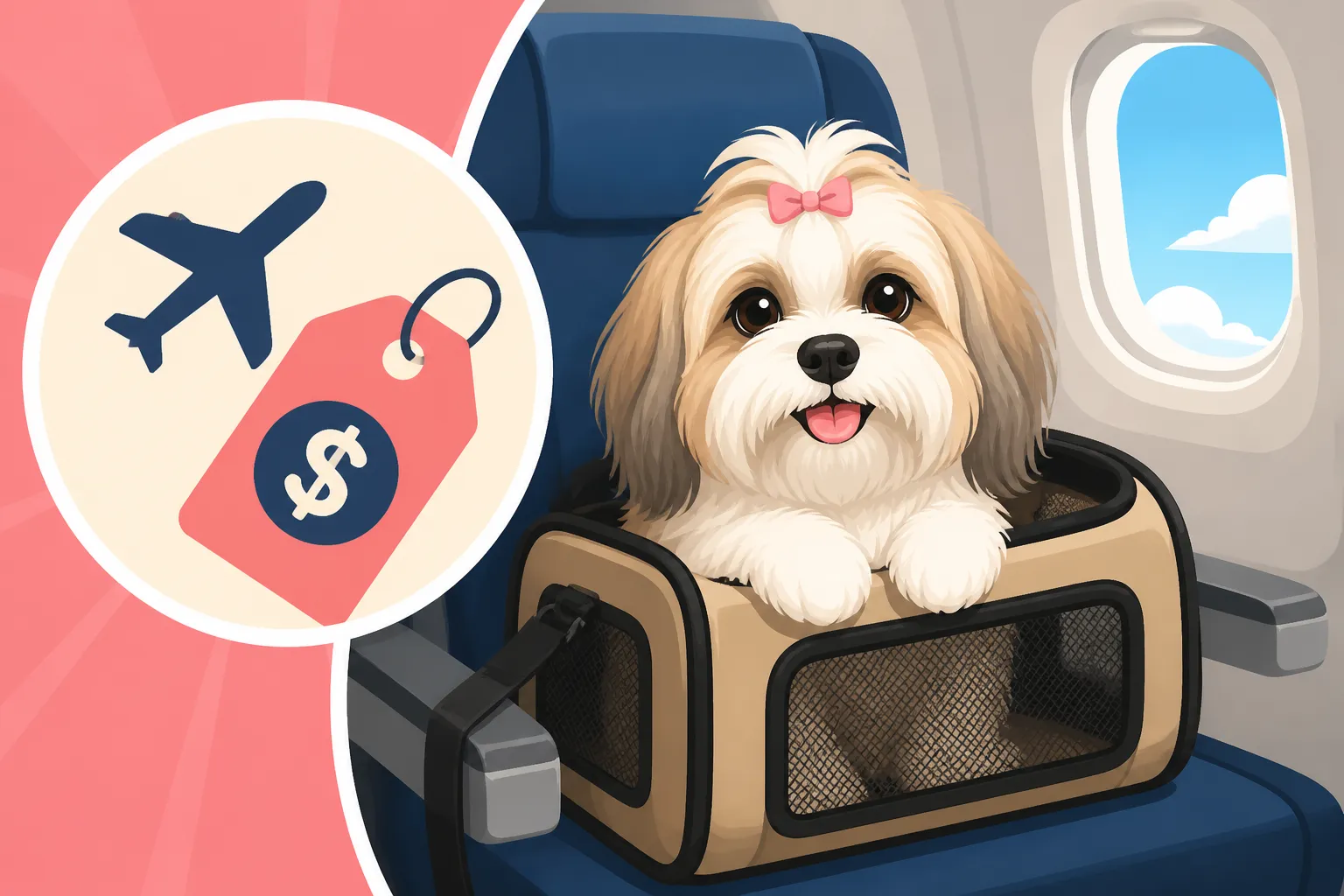
Let's be honest, putting your precious Havanese in cargo, even in a temperature-controlled environment, fills most of us with an overwhelming sense of worry. The sounds, the unfamiliarity, the separation – it's enough to give any pet parent anxiety. In-cabin travel, by contrast, means your Havanese is right there with you, tucked under the seat in front of you. You can offer reassuring words, know they’re safe, and monitor their well-being throughout the journey. This peace of mind is invaluable, especially for a breed like the Havanese that thrives on companionship and can be quite sensitive to new environments. It significantly reduces stress for both you and your dog.
Beyond the emotional comfort, in-cabin travel often offers a more direct and less complicated process than checking an animal as cargo. There are fewer steps, less handling by strangers, and generally quicker transitions from airport to destination. For smaller breeds, this closer proximity can also help manage any potential travel sickness or anxiety, as your presence is a constant source of reassurance. It’s about minimizing variables and maximizing comfort for your furry co-pilot.
Considering the sensitive nature of many Havanese, knowing they are within arm's reach helps mitigate potential issues like excessive barking or distress during flight. You can react immediately to any signs of discomfort, which might include giving them a favorite toy or a gentle stroke if the flight allows brief interaction. This direct supervision is truly what makes in-cabin travel the gold standard for toy breeds.
Essential Requirements: Carrier Size and Havanese Weight Limits
Before you even look at a ticket, you need to understand the fundamental rules governing in-cabin pet travel: carrier size and your Havanese's weight. These are non-negotiable and vary slightly between airlines, so checking with your specific carrier is absolutely paramount. Generally, the carrier must fit comfortably under the seat in front of you, meaning it needs to be soft-sided and collapsible to a degree. The dimensions are typically around 18"L x 11"W x 11"H, but these can change, so always double-check! Your Havanese must be able to stand up, turn around, and lie down naturally within the carrier, a requirement that’s strictly enforced.
As for weight, most airlines have a combined weight limit for the pet and carrier, often around 20-25 pounds. A typical adult Havanese usually weighs between 7-13 pounds, making them perfectly suited for in-cabin travel. This is a huge relief for Havanese owners, as many other breeds often exceed this limit. Make sure to weigh your Havanese with their travel carrier before you head to the airport, just to avoid any last-minute surprises or stress at check-in. This preparation is key to a smooth departure.
The type of carrier you choose makes a big difference. It needs to be well-ventilated, secure, and escape-proof. Many pet supply stores, like Chewy, offer a range of airline-approved soft-sided carriers specifically designed for under-seat use. Look for one with good padding and a comfortable base, perhaps with a removable, washable liner. This ensures your Havanese has a cozy and clean space during the journey. Remember, this carrier isn't just for the flight; it might become a safe haven for your dog in unfamiliar hotel rooms or relatives' homes, so investing in a good one is wise. You might want to also read What a Carrier for a Havanese Costs to get a better sense of this expense.
Deconstructing the Costs: What Airlines Charge
The primary question on every pet parent's mind is, "How much is this actually going to cost me?" While specific numbers are fleeting and vary wildly, we can break down the typical structure of charges you'll encounter when flying with your Havanese in the cabin.
The Base Pet Fee: A Non-Negotiable Expense
Every airline that allows in-cabin pets charges a specific fee for the privilege. Think of this as your Havanese's "ticket" – a necessary expense that covers their space under the seat and the additional processing involved. This base pet fee is almost always charged per flight segment. So, if your journey includes a layover and a connecting flight, you might be charged this fee twice. This is a critical detail that often catches travelers off guard, effectively doubling the cost of the pet fee for what might seem like a single trip.
These fees can vary significantly based on whether you're flying domestically or internationally. Domestic flights typically have a more straightforward, often lower, fee. International travel, however, tends to come with a higher price tag due to increased customs regulations, health documentation requirements, and the longer flight durations. It's not uncommon for the international pet fee to be substantially more than a domestic one, sometimes even twice as much. Always check the specific airline's website for their current fee schedule before booking. They usually list a range for domestic, short international, and longer international flights.
This fee is usually non-refundable, even if your travel plans change and your Havanese doesn't end up flying. It's also important to note that these fees are separate from your own ticket cost and usually cannot be covered by frequent flyer miles or other travel perks. You'll typically pay it either online when you add your pet to your reservation or at the check-in counter, but confirming the preferred payment method with your airline beforehand can save you time and hassle. Remember, airlines limit the number of pets allowed in the cabin per flight, so booking your Havanese's spot well in advance is crucial, even before you pay the fee.
Hidden or Ancillary Costs to Consider
While the base pet fee is the most obvious expense, there are often several "hidden" or ancillary costs that can add up when flying with your Havanese. These aren't always directly charged by the airline but are essential parts of successful pet travel and budgeting. The most common is the veterinary visit and health certificate. Most airlines, especially for international travel, require a health certificate issued by a licensed veterinarian within a specific timeframe (usually 10 days) of your flight. This vet visit, along with any necessary vaccinations or treatments, incurs its own costs. You might also need to factor in the cost of a microchip or specific parasite treatments required by your destination country. This is part of What a Havanese's Yearly Checkup Costs and can be easily overlooked in travel planning.
Beyond the vet, consider the cost of the carrier itself. As mentioned, it needs to meet specific airline dimensions and safety standards. If you don't already own one, this is a definite upfront expense. Good quality, airline-approved carriers can be a significant investment, but they are absolutely essential for your pet's comfort and safety. You might also want to factor in travel accessories like portable water bowls, travel-sized food containers, calming aids (if recommended by your vet), and even grooming supplies to keep your Havanese comfortable and presentable during the journey. Brands like Chewy are excellent for finding all these necessities in one place.
Finally, think about potential layovers or unexpected delays. While you hope for smooth travel, it's wise to budget for an overnight stay near the airport if you have a very long layover or if your flight gets cancelled. Pet-friendly hotels often come at a premium, and you'll need to factor in meals for both you and your Havanese during this time. This contingency planning, while not directly an airline charge, is a smart part of your overall travel budget when flying with a pet. For longer trips, you may even consider a small supply of a familiar food like Ollie to help keep your Havanese's digestion settled amidst the travel stress.
Airline Policies and Their Impact on Your Wallet
Navigating airline policies can feel like trying to untangle a particularly stubborn Havanese mat. Each airline has its own set of rules, and these directly influence both the feasibility and the cost of bringing your furry friend along. It's not just about the fee; it's about whether they'll even let your Havanese on board.
Major Airlines and Their General Pet Policies
While I can't give you current, precise figures or specific airline names and their current policies, I can tell you that the general framework remains consistent across many major carriers. They all have pet fees, and they all have strict rules regarding carrier size, pet weight, and the maximum number of pets allowed per cabin. This last point is critical: most airlines limit the number of in-cabin pets to a very small number, often just two or three per flight. This means that if you don't book your Havanese's spot early, you might find the flight fully booked for pets, even if there are plenty of human seats available. This limitation can force you onto a more expensive flight or a less convenient schedule, directly impacting your wallet.
Furthermore, different airlines may have slightly different restrictions on breeds, especially brachycephalic (short-nosed) breeds, though Havanese are generally not included in this restriction. They also often specify the type of aircraft that can accommodate pets under the seat, as some smaller planes might not have sufficient space. What fits under a seat on a larger jet might not on a regional commuter plane, and if you accidentally book on the wrong type of aircraft, you could be denied boarding with your pet. This oversight can lead to last-minute rebooking costs, which are rarely cheap. It's a reminder that detailed research into the specific plane type for your chosen flight is just as important as reading the general pet policy.
Another common policy consideration is the airline's stance on service animals versus emotional support animals. Post-pandemic, many airlines have tightened their rules around emotional support animals, often treating them as standard pets and requiring the same fees and carrier rules. True service animals, however, generally travel free and without carrier restrictions if they meet specific training and task-performing criteria. It's vital to understand the distinction and ensure your Havanese fits the correct classification if you are attempting to travel with them for support. Clarity on this point can save you from a major headache and unexpected fees at the airport. For more general advice, you might find Flying, Carrying and Traveling With a Havanese helpful.
Domestic vs. International Travel: Price and Complexity Differences
The cost and complexity of flying your Havanese in the cabin escalate considerably when crossing international borders. Domestically, while there's a fee and carrier requirements, the primary hurdle is usually just getting a health certificate from your vet within the designated window. For international flights, however, you're looking at a whole different ballgame of paperwork and potential expenses. Each country has its own import regulations for animals, and these can be incredibly detailed and strict.
For instance, many countries require specific vaccinations (like rabies, with proof that it was administered within a certain timeframe), blood tests (such as a rabies titer test), microchipping with an ISO-compliant chip, and endorsements from government veterinary agencies. The cost of these tests and endorsements can be substantial, easily surpassing the airline's pet fee. These requirements often have strict timelines – for example, a rabies titer test might need to be done several months before travel, followed by a waiting period before your Havanese can enter the country. Missing any of these steps can mean your Havanese is denied entry, quarantined, or even sent back home, incurring immense costs and heartbreak.
To illustrate the complexity, let's consider a hypothetical scenario: flying your Havanese from the United States to the European Union. You'd likely need an EU pet passport, a current rabies vaccination, a rabies titer test (with a waiting period often of three months after the test), a microchip, and a health certificate completed by a USDA-accredited vet and then endorsed by the USDA. Each of these steps has associated costs and timeframes. The endorsement alone can cost a fair amount, and if you need expedited service, it can be even more. This isn't just about the flight charge; it's about navigating a bureaucratic maze that can significantly inflate your overall travel budget. Don't underestimate the time and money required for this pre-flight process, and starting early is your best defense.
Here's a simplified look at how fees and requirements can stack up:
| Factor | Domestic In-Cabin Travel | International In-Cabin Travel |
|---|---|---|
| Base Pet Fee | Varies by airline, charged per segment. | Higher than domestic, charged per segment. |
| Health Certificate | Often required by airline (vet visit cost). | Almost always required, usually government-endorsed (higher vet/endorsement cost). |
| Vaccinations | Standard vaccinations (routine vet cost). | Specific vaccinations (e.g., rabies titer test, additional vet costs). |
| Microchip | Not always required for in-cabin. | Almost always required (one-time vet cost). |
| Carrier Cost | Required (one-time purchase). | Required (one-time purchase). |
| Documentation | Minimal airline forms. | Extensive government forms, import permits, pet passport (time & cost). |
| Booking Lead Time | Recommended early due to pet limits. | Essential due to pet limits AND extensive paperwork timelines. |
| Potential Delays | Minor inconveniences. | Can lead to significant costs (quarantine, denied entry) and heartbreak. |
Planning Ahead to Minimize Stress and Unexpected Expenses
Preparing for travel with your Havanese isn't just about booking the flight; it's about a holistic approach that ensures their comfort, safety, and your peace of mind. A little foresight can save you a lot of grief and money.
Booking Strategies and Early Preparation
The golden rule for flying with your Havanese in the cabin is to book early. As we've discussed, airlines impose strict limits on the number of pets allowed in the cabin per flight. Waiting until the last minute dramatically increases your chances of finding all pet spots taken, forcing you to choose more expensive flights, inconvenient routes, or even cancel your trip. Call the airline directly after you've identified your preferred flights to confirm pet availability before you finalize your own ticket purchase. Ask about the specific aircraft type and confirm the under-seat dimensions, as some planes have less clearance.
Once you have your flight confirmed for both you and your Havanese, immediately schedule your veterinary appointment for the required health certificate. Understand the exact timeframe the airline and your destination require for the certificate's issuance. If you're traveling internationally, this appointment might need to be with a USDA-accredited vet, and then you'll need to send the certificate for government endorsement. This process can take days or even weeks, so factor that into your timeline. Don't leave this to the last minute; veterinarians' schedules fill up quickly, and government offices have their own processing times.
Beyond the official paperwork, start acclimating your Havanese to their travel carrier well in advance. Leave it open and accessible at home, put treats and toys inside, and encourage them to sleep in it. This helps them view the carrier as a safe, comfortable den rather than a scary box. Take them on short car rides in the carrier to simulate travel. The more comfortable they are with the carrier, the less stressed they'll be during the actual flight. You can find many calming treats and toys on Chewy that can help with carrier training and travel anxiety. If you want to dive deeper into this, check out Whether a Havanese Settles in a Carrier.
Budgeting for the Entire Trip, Not Just the Flight
When planning to fly with your Havanese, it's easy to just focus on the airline pet fee. However, a truly realistic budget needs to encompass all potential costs associated with pet travel. Think beyond the flight and consider the entire journey, from pre-trip prep to arrival at your destination. This includes the vet visits for health certificates, vaccinations, and potentially any pre-travel calming medications prescribed by your vet. If you need to buy a new airline-approved carrier, factor that in, along with travel bowls, a small blanket that smells like home, and enough of their regular food (perhaps from Ollie, if they have specific dietary needs) to last the trip.
Don't forget about transportation once you land. Will you need a pet-friendly taxi, ride-share, or rental car? These can sometimes come with additional fees. What about your accommodation? Pet-friendly hotels or vacation rentals often have a higher nightly rate or charge a separate pet fee per stay. These seemingly small costs can accumulate quickly and blow your budget if not anticipated. Having a clear idea of What a Havanese Needs Every Day on a regular basis will help you remember all the essentials to pack.
Lastly, and this is a big one, consider pet insurance. While it won't cover pre-existing conditions or routine travel costs, having a policy from a reputable provider like Healthy Paws can be a lifesaver if your Havanese experiences an unexpected illness or injury while traveling. The stress of an emergency vet visit in an unfamiliar city, compounded by significant medical bills, is something no one wants to face. Pet insurance provides a crucial safety net for those unforeseen circumstances, allowing you to focus on your Havanese's recovery rather than financial strain. It's truly about comprehensive planning, not just flight logistics.
Disclaimer
This article is for general informational purposes only and does not constitute professional advice. Laws, prices and regulations vary by location and change over time. Consult a qualified professional for guidance on your specific situation.