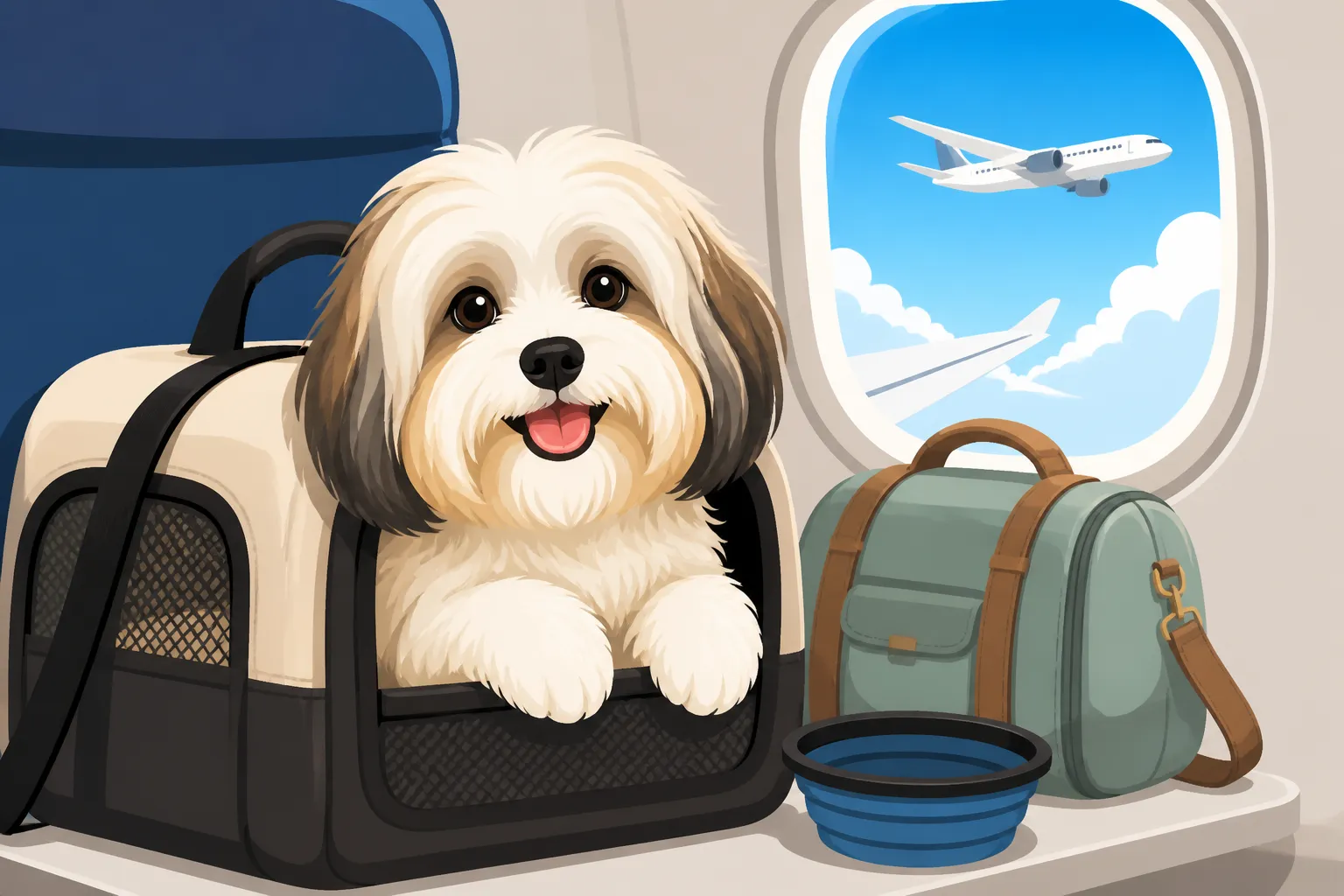
Traveling With a Havanese
Oh, the thought of traveling with our beloved Havanese! It conjures up images of scenic drives, cozy hotel stays, and new adventures together, doesn't it? But then reality often sets in: the worry about your little fluffball being stressed, the endless logistics of packing for both you and your dog, and the constant concern for their comfort and safety. It's a lot, and it can sometimes feel overwhelming enough to make you just want to stay home. This guide is here to walk you through everything you need to know, from the initial preparations to navigating different modes of transport and ensuring your Havanese has a happy, healthy, and safe journey by your side, easing those travel anxieties for everyone involved.
Preparing Your Havanese for Travel: The Essentials Before You Go
Before you even think about buckling up or boarding, there’s a whole host of preparations to consider that go beyond just packing a leash. Our Havanese, with their sensitive natures and delicate constitutions, really thrive on routine and familiarity. Disrupting that, even for an exciting trip, can be a big deal for them. Thoughtful planning can make all the difference, transforming potential stress into an enjoyable experience for your little companion.
Health Checks and Vaccinations
One of the absolute first steps in planning any trip with your Havanese, especially if you're crossing state lines or flying, should be a visit to your veterinarian. This isn't just about getting a clean bill of health; it's about ensuring your dog is up-to-date on all necessary vaccinations and preventative treatments. Some states or airlines might require specific vaccinations, like rabies, to be current, and you'll often need a health certificate issued within a certain timeframe (usually 10 days) before your departure. Don't forget to ask about flea, tick, and heartworm prevention, too, as the risks can vary depending on your destination.
Beyond the regulatory stuff, a vet visit is a great opportunity to discuss any potential travel-related anxieties your Havanese might experience. Some Havanese get quite stressed by new environments or car rides, and your vet might suggest natural calming aids or, in some cases, prescription medication for severe anxiety or motion sickness. It's better to have these options explored and ready before you're scrambling on travel day. Remember, their comfort is paramount, and a calm Havanese makes for a much calmer journey for everyone.
Identification and Microchipping
Imagine the unthinkable: your Havanese gets lost in an unfamiliar place. It's every pet parent's nightmare, and it's precisely why foolproof identification is non-negotiable for travel. First and foremost, make sure your Havanese is wearing a collar with up-to-date ID tags that include your current phone number and, ideally, a secondary contact. If you're traveling far from home, consider adding a temporary tag with your destination address and phone number. This simple step can be the fastest way to reunite if your dog wanders off.
Beyond external tags, ensure your Havanese's microchip information is current and registered to you. This means checking that the contact details associated with the chip are accurate, especially your phone number and email address. If you’ve moved or changed numbers since your Havanese was chipped, now is the time to update it. A microchip is a permanent form of identification that can be scanned by any vet clinic or shelter, providing a crucial backup if their collar or tags are lost. Many companies also offer GPS trackers that attach to collars, which can provide real-time location tracking – a fantastic piece of mind, especially in busy, unfamiliar areas.
Familiarization with Carriers and Crates
For many Havanese, the travel carrier or crate can be a source of stress if it's only associated with vet visits or being left alone. To make travel smoother, it's incredibly important to introduce the carrier as a safe, positive space well in advance of your trip. Start by leaving the carrier out in a common area of your home, with the door open, perhaps with a soft blanket or a favorite toy inside. You can even toss a few high-value treats in there, making it a rewarding place to explore.
Gradually, encourage your Havanese to spend time in the carrier, initially with the door open, then for short periods with the door closed, always supervising and making it a positive experience. Feed them meals in the carrier, or let them nap in it. This process, often called "crate training" or "carrier conditioning," builds a positive association, so when travel day arrives, the carrier isn't a scary new box, but rather a familiar den. This is particularly crucial for air travel, where your Havanese will spend a significant amount of time in their carrier. Think of it as their personal, portable safe zone. Whether a Havanese Settles in a Carrier might provide more insights into this training.
Choosing the Right Mode of Transport for Your Havanese
The way you choose to travel with your Havanese can drastically impact their comfort, safety, and your overall experience. Each mode of transport comes with its own set of rules, benefits, and challenges, and what works for one dog or one trip might not work for another. It’s about weighing these factors and finding the best fit for your specific Havanese and destination.
Car Travel: Safety and Comfort
Car travel is often the most flexible and popular option for Havanese owners, as it allows for frequent stops and a sense of control over the environment. However, safety should always be your top priority. Simply letting your Havanese roam freely or sit on your lap while driving is incredibly dangerous for both of you in the event of a sudden stop or accident. Instead, invest in a proper car restraint system. This could be a crash-tested car seat designed for small dogs, a sturdy travel crate secured with a seatbelt, or a harness that buckles directly into the car's seatbelt system. Whether a Havanese Needs a Car Seat discusses these options. Many excellent options for these types of safety gear can be found on Chewy or Amazon, offering a wide range of choices to fit your Havanese's size and your car's setup.
Comfort is also key for car trips. Ensure your Havanese has a soft, familiar blanket or bed in their chosen restraint. Bring their favorite toys to help them feel at ease. Keep the car at a comfortable temperature, and never, ever leave your Havanese unattended in a parked car, even for a few minutes, as temperatures can rise rapidly to dangerous levels. Plan for regular breaks every two to three hours for potty walks, water, and a chance for your Havanese to stretch their legs and sniff around a bit. These breaks help break up the journey and reduce restlessness.
Air Travel: In-Cabin vs. Cargo Considerations
Flying with a Havanese can be a complex undertaking, and it often presents the most anxiety for owners. For a small breed like the Havanese, the good news is that they typically meet the size and weight requirements to fly in the cabin with you, under the seat in front. This is almost always the preferred option, as your dog remains visible, and you can offer comfort and reassurance throughout the flight. However, airlines have strict rules regarding carrier dimensions, so make sure your chosen soft-sided carrier fits under the seat and your Havanese can stand up and turn around comfortably inside it. What an Airline Carrier for a Havanese Costs can give you an idea of the investment. Always book your dog's spot well in advance, as airlines limit the number of pets allowed in the cabin per flight.
If, for some reason, in-cabin travel isn't possible, the alternative is flying your Havanese as cargo. This is a much riskier and generally discouraged option for small, brachycephalic (short-nosed) breeds, or any breed that is particularly prone to stress or overheating. While Havanese are not brachycephalic, the stress of cargo travel, extreme temperatures, and separation can be incredibly traumatic, and sometimes even fatal. If cargo is your only choice, research the airline's pet policies meticulously, understand temperature restrictions, and ensure your Havanese is in a well-ventilated, IATA-compliant hard-sided crate with food and water bowls securely attached. Consult your vet for advice specific to your dog's health and temperament before ever considering this option.
Other Options: Trains and Buses
While less common for long-distance travel, trains and buses can be viable options for shorter journeys with your Havanese, though they often come with their own set of restrictions. Many train services, especially in Europe and some regional lines in North America, allow small pets in carriers onboard, often for an additional fee. The carrier typically needs to fit under your seat, similar to airline requirements. This can be a pleasant way to travel, as trains often offer more space and the ability to move around than a car, and you can usually access your pet easily.
Bus travel, on the other hand, is generally far more restrictive. Most intercity bus lines have very strict no-pet policies, with the exception of service animals. Even local public transit often requires small pets to be in carriers, and some ban them outright during peak hours. Before planning any trip via train or bus, it is absolutely essential to check the specific pet policies of the transportation provider you intend to use. Don't assume anything; a quick call to customer service can save you a lot of hassle and heartbreak at the station.
Packing Smart: What Your Havanese Needs on the Road
Packing for a trip with your Havanese isn't just about throwing a bag together. It's about meticulous planning to ensure they have everything they need to feel safe, comfortable, and well-cared for, no matter where your adventures take you. Think of it as packing a mini-home for them, complete with their creature comforts and all the practical necessities.
Food, Water, and Bowls
One of the biggest mistakes you can make is assuming you'll easily find your Havanese's specific food at your destination. Our Havanese often have sensitive stomachs or are particular about their kibble, so an abrupt change can lead to digestive upset, which is the last thing you want while traveling. Pack enough of their regular food for the entire trip, plus a little extra for good measure in case of delays. Store it in an airtight container to maintain freshness. If you feed fresh food, like from a brand such as Ollie, remember to pack it in a cooler with ice packs and plan for refrigeration upon arrival. Pre-portioned bags can also make feeding on the go much easier.
Hydration is equally crucial, especially during travel. Bring plenty of fresh water from home to avoid any stomach issues from different tap water. Collapsible travel bowls are a lifesaver – they're lightweight, compact, and perfect for offering water during car breaks or meals in your hotel room. Brands like Chewy and Amazon offer a wide variety of these convenient bowls. Make sure you offer water frequently, especially if it's warm or your Havanese seems panting. How Much Food a Havanese Eats Monthly can help you estimate quantities.
Comfort Items and Toys
Just like us, Havanese find comfort in the familiar. Bringing along a favorite blanket, bed, or a worn-out t-shirt that smells like home can provide immense security and help them settle into new surroundings. Place this item in their travel carrier, car seat, or hotel bed to create a familiar scent anchor. This simple trick can significantly reduce anxiety and help them relax during transit and in unfamiliar places.
Don't forget a few of their cherished toys! A favorite chew toy can provide distraction during a long car ride, and a familiar squeaky toy can offer comfort in a quiet hotel room. Puzzle toys, filled with a bit of kibble, can keep them mentally stimulated and occupied, which is especially helpful when you need them to settle down. Having these familiar items around helps to maintain a semblance of their routine and home environment, making the entire travel experience less daunting. What a Havanese Needs Every Day includes these daily essentials.
Grooming and Emergency Supplies
Even on the go, a Havanese's coat requires attention. Pack their essential grooming tools: a slicker brush, a comb, and perhaps a detangling spray. Daily brushing, even quick sessions, can prevent matting, especially on longer trips. Don't forget their dental care items like a toothbrush and dog toothpaste. The Silky Double Coat a Havanese Grows to the Floor highlights the importance of regular grooming.
Beyond grooming, a small but comprehensive pet first-aid kit is absolutely essential. Include items like antiseptic wipes, sterile gauze, medical tape, tweezers (for splinters or ticks), a mild pain reliever approved by your vet, and any prescription medications your Havanese takes daily. Also, carry a copy of their vaccination records, your vet's contact information, and details of your pet insurance (if applicable). It’s also smart to have a recent photo of your Havanese on your phone, just in case they get lost. A few poop bags, paper towels, and enzymatic cleaner for accidents round out your essential emergency supplies.
Managing Your Havanese's Well-being During Travel
Keeping your Havanese happy and healthy on the road involves more than just getting from point A to point B. It's about actively managing their physical needs, emotional state, and ensuring their overall well-being throughout the journey. A well-managed Havanese is a happy traveler, and that makes for a better trip for everyone.
Potty Breaks and Exercise
Regular potty breaks are non-negotiable, especially for a small dog with a smaller bladder like a Havanese. Aim for stops every 2-3 hours during car travel, or as soon as possible after disembarking from a flight or train. Always keep your Havanese on a leash during breaks, especially in unfamiliar areas, to prevent them from bolting or getting lost. Choose safe, grassy areas away from heavy traffic.
Beyond potty needs, these breaks are also crucial for exercise. A quick 10-15 minute walk, sniff, and stretch can do wonders for your Havanese's physical and mental state. It helps burn off pent-up energy, reduces restlessness, and allows them to explore new scents, which is a great form of mental stimulation. Even if it's just a short walk around a rest stop, that outdoor time helps them reset before continuing the journey. Consider a comfortable harness rather than just a collar for these walks, as it distributes pressure more evenly and is safer. Whether a Havanese Should Wear a Harness offers good reasons for this.
Preventing Car Sickness and Anxiety
Many Havanese can experience car sickness or anxiety, turning what should be an exciting journey into a miserable one. For car sickness, try to avoid feeding them a large meal right before travel. Keep the car well-ventilated, and consider opening a window slightly (just enough for fresh air, not for them to stick their head out). Some dogs benefit from looking out the window, while others do better in a covered crate to reduce visual stimuli. Your vet can recommend anti-nausea medications if the problem is severe.
Anxiety often manifests as pacing, whining, panting, or even destructive behaviors. To combat this, ensure their travel space is comfortable and familiar, as discussed earlier. Using calming pheromone sprays or diffusers in their carrier or the car can sometimes help. You might also try anxiety wraps or vests. If your Havanese is particularly anxious, practicing short, positive car rides leading up to the trip can gradually desensitize them. For extreme cases, your vet might prescribe a mild sedative, but this should always be discussed with a professional, as Whether Anesthesia Is Riskier on a Small Havanese emphasizes the need for careful consideration with medications.
Maintaining Routine on the Go
Havanese are creatures of habit, and maintaining as much of their regular routine as possible while traveling can significantly reduce stress. Stick to their usual feeding schedule, even if meal times are slightly adjusted due to travel. Try to keep their potty schedule consistent, and carve out time for their usual play sessions or walks. If your Havanese is used to certain rituals, like a bedtime cuddle or a morning brush, try to incorporate those into your travel routine.
This might mean seeking out dog parks at your destination for their usual romp or simply ensuring they get their What a Havanese Needs Beyond a Walk with some indoor play or training sessions. Even if you're exploring new sights, allocate specific times dedicated to your Havanese's comfort and routine. A predictable schedule helps them understand what to expect, making them feel more secure in unfamiliar surroundings. This also ties into being mindful of The Havanese That Cannot Be Left Alone – try not to leave them isolated for extended periods in new places.
Accommodation and Activities with Your Havanese
Once you arrive at your destination, the adventure continues! But finding suitable lodging and ensuring your Havanese remains part of the fun requires a bit more planning. The goal is to make your Havanese feel welcome and safe, allowing you both to enjoy the new experiences together.
Finding Pet-Friendly Stays
The landscape of pet-friendly accommodations has vastly improved, but "pet-friendly" can mean different things to different places. When booking, always call ahead to confirm their pet policy, even if a website says they allow pets. Ask specific questions: Are there size or breed restrictions (usually not an issue for Havanese, but good to check)? Is there an extra fee or deposit? Are pets allowed in all areas, or are there specific rooms or communal spaces they are excluded from? Some places might even offer special amenities for pets, like dog beds or welcome treats.
Beyond hotels, consider other options such as vacation rentals through platforms like Airbnb or VRBO, which often provide more space and amenities like private yards, making it easier for your Havanese to settle in. Some campsites also welcome dogs, offering a wonderful opportunity for outdoor adventure. Be honest about your Havanese when booking, and always adhere to the establishment's rules to ensure a positive experience for everyone and to keep these options open for future travelers with pets.
Exploring New Places Safely
Exploring a new city or natural area with your Havanese can be incredibly rewarding, but it's important to do so safely and responsibly. Always keep your Havanese on a leash in public areas, especially in busy urban environments or unfamiliar hiking trails. Even the most well-behaved Havanese can get startled by new sights and sounds or be tempted by unfamiliar smells, leading them to run off. Having an escape-proof harness is a real asset here.
Research pet-friendly attractions at your destination beforehand. Many cities now have dog parks, pet-friendly patios at restaurants, and shops that welcome well-behaved dogs. If you're visiting national parks or specific natural areas, check their pet policies, as many have restrictions on where dogs are allowed (e.g., paved roads vs. hiking trails) to protect wildlife. Always carry poop bags and clean up after your Havanese to be a considerate guest and ambassador for pet travel. When dining out, if your Havanese is allowed on a patio, ensure they settle quietly under the table and don't bother other patrons.
Dealing with Unexpected Situations
Travel, even with the best planning, can throw curveballs. What if your Havanese suddenly develops an upset stomach, or has a minor injury? Knowing how to react calmly and efficiently can prevent a small problem from escalating. First, have your vet's number handy, and if traveling far, identify a local emergency veterinary clinic at your destination before you need it. A quick search on your phone or asking a local pet store can often yield this information.
If your Havanese seems unusually stressed or anxious despite your best efforts, sometimes the best solution is to simply provide a quiet, safe space for them to decompress. This might mean skipping an activity you planned and just relaxing in your accommodation. Remember, their well-being comes first. Be flexible, patient, and prepared to adjust your plans if your Havanese isn't coping well. Travel should be an enjoyable experience for all family members, furry ones included. Monitoring for signs that your Havanese is not themselves, like changes in appetite or unusual lethargy, is always important, whether at home or away. Keeping a Havanese From Getting Heavy by watching their food intake during travel, and ensuring they remain hydrated, can also help prevent digestive issues.
| Travel Mode | Havanese Suitability | Pros for Havanese | Cons for Havanese | Key Considerations |
|---|---|---|---|---|
| Car | Excellent | Familiar environment, frequent stops, owner control, can bring more gear | Risk of car sickness, potential for restless behavior, requires safety restraints | Secure crate/seatbelt harness, regular potty/stretch breaks, never leave unattended |
| Air (In-Cabin) | Good (for small dogs) | Stays with owner, direct supervision, climate controlled | Stress of confined space, noise, specific carrier size/weight limits, booking essential | Approved soft carrier, health certificate, prior carrier acclimation |
| Air (Cargo) | Generally Poor | N/A | High stress, temperature extremes, less supervision, health risks, not recommended for most | Only as a last resort, vet consultation, strict airline rules, proper crate |
| Train | Good | More space than plane, potentially less noise than car, some freedom for owner | Carrier still required, pet-free zones, limited services/routes | Check specific train line pet policy, carrier size, book ahead |
| Bus | Very Poor | N/A | Strict no-pet policies (except service animals), little flexibility | Almost universally not allowed, very limited options |
Disclaimer
This article is for general informational purposes only and does not constitute professional advice. Laws, prices and regulations vary by location and change over time. Consult a qualified professional for guidance on your specific situation.