Whether a Havanese Guards Its Food
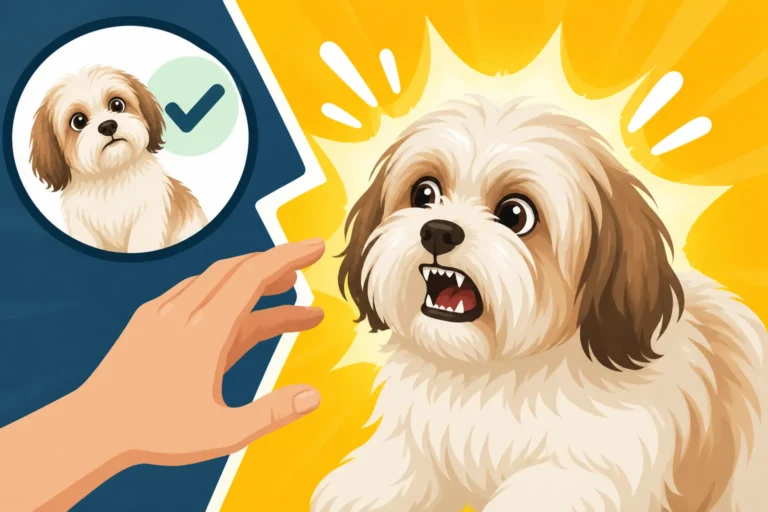
It can be quite startling and concerning when your sweet, affectionate Havanese suddenly acts possessive over their food bowl. You might wonder if this behavior, often called resource guarding, is normal or a sign of deeper issues. This comprehensive guide will delve into why a Havanese might guard its food, how to prevent it from developing, and practical strategies to manage it safely.
Understanding Resource Guarding in Havanese
Resource guarding, at its heart, is an instinctive behavior that can manifest in any dog breed, including our beloved Havanese. It's when a dog perceives a valuable item – be it food, toys, or even a favorite resting spot – as something that needs protection from others. While Havanese are known for their charming, outgoing, and relatively biddable personalities, it's crucial to understand that no dog is immune to exhibiting this primal urge. This isn't a reflection of them being "bad" dogs, but rather an expression of their inherent canine nature under certain circumstances. It's unsettling, yes, but it's manageable.
Many Havanese owners are surprised to see their seemingly gentle companion suddenly growl or snap over a piece of kibble. This breed, deeply attached to their families, often seems too sweet for such a display. However, the intensity of their attachment can sometimes translate into guarding if they feel threatened, especially when it comes to high-value resources. It's not about being aggressive for aggression's sake; it's about protecting what they believe is theirs in that moment. Recognizing this distinction is the first step toward addressing the behavior effectively and empathetically.
What Does Food Guarding Look Like?
Food guarding isn't always a dramatic, tooth-baring display. It can start subtly and escalate over time if not addressed. Early signs might be easy to miss, particularly in a small, fluffy Havanese where expressions can sometimes be obscured by their long hair.
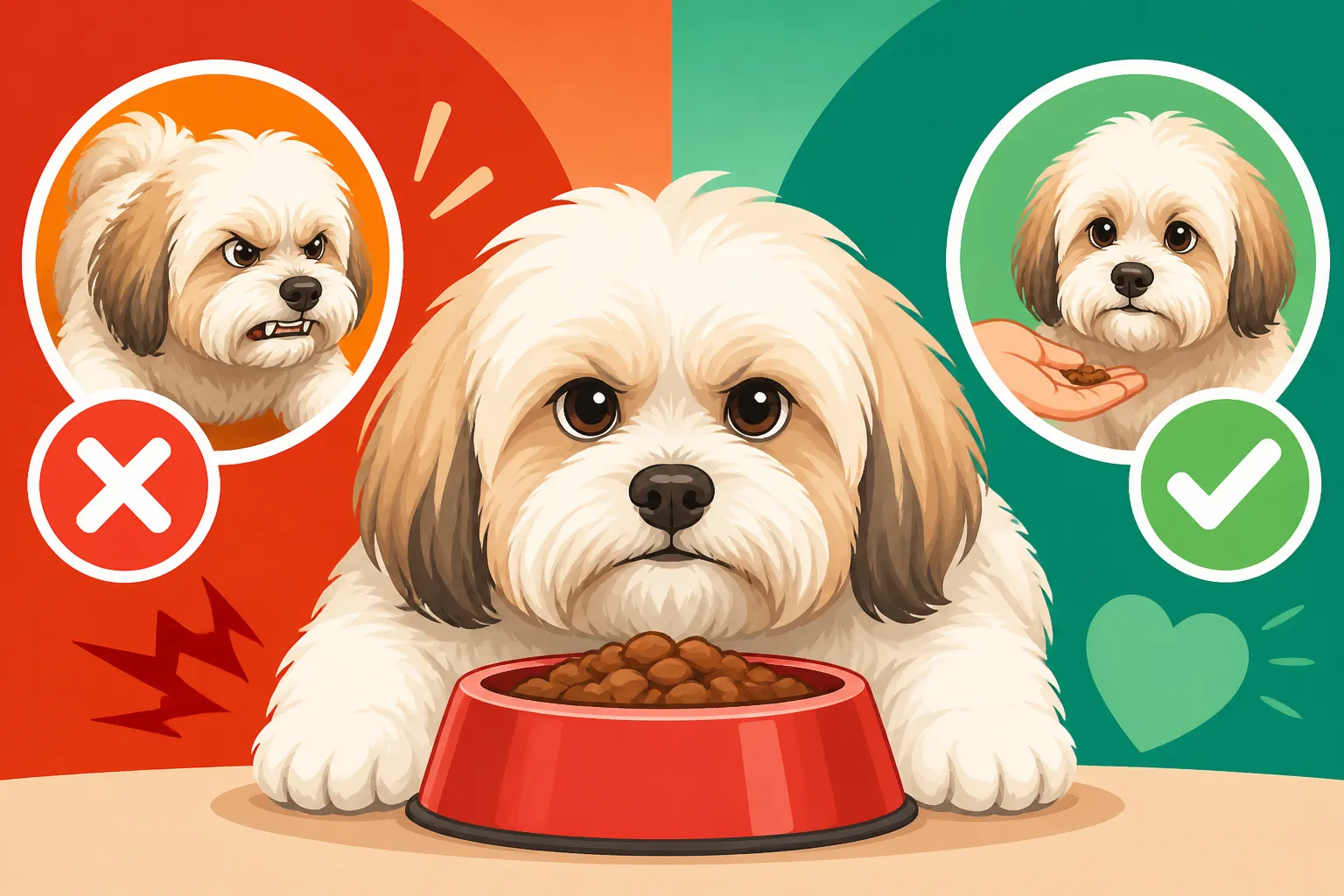
One of the most common signs is your Havanese tensing up or freezing over their bowl as you approach. They might lower their head over the food, eating more rapidly than usual, almost as if trying to gulp it down before you can take it. You might notice their ears flatten slightly or their tail stiffen. These are all signals that they are feeling anxious about your presence near their perceived resource. If ignored, these subtle cues can progress to more overt warnings.
More advanced signs of food guarding include growling, a low rumble from deep in their chest, or snapping in the air as a warning shot. They might even lunge at you or bite if you persist in approaching or attempting to remove their food. Some Havanese will physically block their bowl with their body, turning their back to you or pushing the bowl away. It's a clear communication: "This is mine, stay away." It's important to respect these warnings and not challenge your Havanese directly, as this can escalate the situation and potentially lead to a bite.
Why Does It Happen?
Understanding the root cause of food guarding is essential for effective intervention. It's rarely about malice and almost always about anxiety, fear, or an ingrained instinct. Our Havanese, despite their pampered lives, still carry genetic blueprints from their wild ancestors.
At its core, resource guarding is an instinct for survival. In a natural environment, resources like food are scarce, and an animal's ability to protect its meal directly impacts its ability to survive and thrive. While your Havanese likely has no real fear of starvation, this instinct can still be triggered. Dogs don't always differentiate between a perceived threat and a real one; if they feel even a slight hint of competition or vulnerability, that guarding instinct can kick in. This is why even a well-fed Havanese can exhibit this behavior.
Past experiences can also play a significant role. If your Havanese came from a situation where they had to compete for food with littermates or other dogs, or if they were ever deprived of food, they might develop guarding behaviors. This is particularly true for rescue dogs who might have experienced neglect or had to fend for themselves. Even subtle experiences in puppyhood, like constantly having their bowl removed by well-meaning but misguided owners, can teach a dog that they need to guard their food because it might disappear.
Anxiety and stress are often underlying factors. A Havanese that is generally anxious or insecure might be more prone to guarding, as they are constantly on alert for potential threats. A sudden change in routine, the introduction of a new pet, or even general household chaos can contribute to a dog feeling insecure and thus more likely to guard its valuable items. It's a way for them to try and exert control in a world that feels unpredictable.
Preventing Food Guarding from the Start
The best approach to food guarding is prevention, especially if you're bringing home a Havanese puppy. Establishing positive associations around food from day one can significantly reduce the likelihood of this behavior ever developing. Consistency and patience are key, helping your Havanese feel secure and trusting during meal times. This early work can save a lot of stress down the line.
Remember, Havanese are intelligent and eager to please, making them excellent candidates for positive reinforcement training. They thrive on praise and tasty rewards, which you can leverage to build solid foundations. The First Year With a Havanese Puppy will be filled with opportunities to build these good habits.
Positive Reinforcement and Early Training
One of the most effective prevention strategies is to make your presence near the food bowl a positive experience. Instead of taking things away, you're always adding to the value. This technique is often called "creating a gravy train." As your Havanese puppy eats, periodically walk by and drop an even better treat into their bowl – something really high-value like a tiny piece of cooked chicken or cheese. This teaches them that your approach means good things happen, not that their food is in jeopardy. Do this regularly during every meal for weeks, even months.
Hand-feeding is another fantastic way to build trust and prevent guarding. For the first few days or even weeks with a new puppy, feed a portion of their meal directly from your hand. This reinforces that you are the provider of good things and that your hands are associated with nourishment, not removal. You can also mix this with putting some food in the bowl, then offering some by hand, then putting more in the bowl. Online training resources like BAXTER & Bella offer comprehensive puppy programs that often cover these foundational exercises, guiding you through the process step-by-step.
Teaching a solid "leave it" and "trade" command is invaluable. "Leave it" teaches your Havanese to disengage from an item, while "trade" teaches them to willingly give up an item for something better. Start with low-value items and gradually increase the difficulty. For instance, if your Havanese has a toy, offer a high-value treat (found easily on Amazon) in exchange. When they drop the toy to take the treat, praise them lavishly, and then immediately give the toy back. This teaches them that giving something up doesn't mean losing it forever, but rather that good things come from cooperation.
Creating a Safe Eating Environment
The environment where your Havanese eats can significantly impact their sense of security. Providing a calm, private space for meals can reduce any perceived need to guard. Think of it from their perspective: if they're constantly worried about someone (human or other pet) approaching their meal, they're more likely to feel defensive.
Designate a specific, quiet spot where your Havanese can eat undisturbed. This could be a corner of the kitchen, their crate, or a separate room away from foot traffic or other pets. If you have multiple pets, always feed them in separate areas to eliminate competition. Even if they seem to get along, the presence of another animal can trigger guarding instincts in subtle ways. This simple step often resolves many nascent guarding issues.
Avoid interrupting your Havanese while they are eating. While the "gravy train" method involves approaching to add, it's about making it a positive interaction, not a disturbance. If you need to walk past their bowl, do so calmly and casually, without hovering or making direct eye contact. Children should be taught never to bother a dog while it's eating. This rule is paramount for safety and for fostering a sense of security in your Havanese. Remember that their meals are a time for peace and quiet, not for interaction or play.
Managing Existing Food Guarding Behavior
If your Havanese is already showing signs of food guarding, don't despair. It's a challenge, but with consistent, patient, and methodical training, you can manage and often reduce the behavior. The key is to avoid confrontation and instead, change your dog's emotional response to your presence near their food. This isn't a quick fix; it requires dedication and a commitment to understanding your dog's signals.
Always prioritize safety. If your Havanese has escalated to snapping or biting, it's vital to implement management strategies immediately to prevent further incidents. You might even consider seeking professional help right away to ensure you're taking the correct steps for your specific situation.
Desensitization and Counter-Conditioning
This method aims to gradually change your Havanese's negative association with your presence near their food into a positive one. It needs to be done slowly, starting at a distance where your dog shows no signs of guarding, and gradually getting closer.
- Identify the Trigger Threshold: Start by placing your Havanese's food bowl down. Then, stand at a distance where your dog is comfortable and eats without any signs of guarding (no stiffening, no gulping). This might be across the room or even in another room.
- Positive Association at a Distance: From this comfortable distance, gently toss a high-value treat (like a small piece of cheese or meat) towards the bowl. Do this several times during the meal. The goal is for your Havanese to associate your presence (even at a distance) with better food appearing.
- Gradual Approach: Over several days or weeks, very slowly decrease the distance. Move one step closer, toss the treat, and observe your Havanese's reaction. If they show any sign of guarding, you've moved too quickly. Retreat to the previous comfortable distance and repeat until they are relaxed.
- Repeat and Generalize: Continue this process until you can stand right next to the bowl, drop treats in, and your Havanese happily eats, anticipating your generous additions. Remember, always add, never take away during this process. This method takes time and consistent daily practice, but it builds a strong positive association.
Prevention vs. Management for Food Guarding
| Prevention (Ideal for Puppies) | Management (For Existing Behavior) |
|---|---|
| Focus: Proactive trust-building | Focus: Reactive behavior modification & safety |
| Strategy: Hand-feeding, "gravy train" | Strategy: Desensitization & counter-conditioning |
| Core Tool: Positive reinforcement | Core Tool: High-value treats, structured approach |
| Environment: Calm, undisturbed eating area | Environment: Strict feeding protocols, isolated meal times |
| Key Goal: Prevent guarding from ever starting | Key Goal: Reduce guarding intensity, ensure safety, foster positive associations |
| Timeframe: Ongoing from day one | Timeframe: Slow, consistent work, potentially with professional guidance |
Safety First: Managing the Environment
While you're working on desensitization and counter-conditioning, it's crucial to implement immediate management strategies to prevent any guarding incidents. Safety for both your Havanese and family members is paramount.
First and foremost, feed your Havanese in a secure, isolated location where no one will disturb them. This could be a separate room with the door closed, or their crate if they are comfortable eating in it. This eliminates the opportunity for guarding to occur and removes the pressure from your dog. Make sure children understand that they should never approach your Havanese while it's eating, regardless of how gentle the dog usually is. This is a non-negotiable rule in any household with a resource guarder.
Consider using an elevated food bowl or a slow-feeder bowl. While this won't directly stop guarding, some dogs feel less vulnerable eating from a raised bowl, and a slow-feeder can help reduce the frantic gulping that sometimes accompanies guarding. If your Havanese guards specific high-value treats or toys, only offer these when you can supervise closely, or in their designated safe space. You might also want to explore interactive puzzle toys that dispense food slowly, available from retailers like Amazon, as these can engage their minds and make mealtime a positive, non-confrontational experience, away from the traditional bowl.
When to Seek Professional Help
While prevention and management techniques are highly effective, there are times when seeking professional guidance is not just recommended, but essential. Food guarding, especially when it involves growling, snapping, or biting, can be a serious safety concern, and it's always better to err on the side of caution.
If you find that the guarding behavior in your Havanese is persistent, severe, or escalating despite your best efforts, it's time to call in a professional. This means if your Havanese is consistently growling or snapping, or if they have ever made contact with their teeth, you need expert intervention. A certified professional dog trainer or a veterinary behaviorist has the knowledge and experience to assess the specific triggers and intensity of your dog's guarding behavior and develop a tailored, safe, and effective training plan. They can also help rule out any underlying medical conditions that might be contributing to changes in behavior. Whether a Havanese Needs a Professional Trainer is a question many owners face, and for resource guarding, the answer is often yes.
A professional will guide you through advanced counter-conditioning and desensitization protocols, ensuring you're executing them correctly and safely. They can also help identify any subtle body language cues you might be missing and provide strategies to manage the environment even more effectively. Don't feel ashamed or embarrassed to seek help; it shows you're a responsible pet owner committed to your Havanese's well-being and the safety of everyone in your home. Remember, your goal is to help your Havanese feel secure and to live a happy, stress-free life, and sometimes that requires a little extra expertise.
Disclaimer
This article is for general informational purposes only and does not constitute professional advice. Laws, prices and regulations vary by location and change over time. Consult a qualified professional for guidance on your specific situation.