Whether a Havanese Guards Its Owner’s Lap
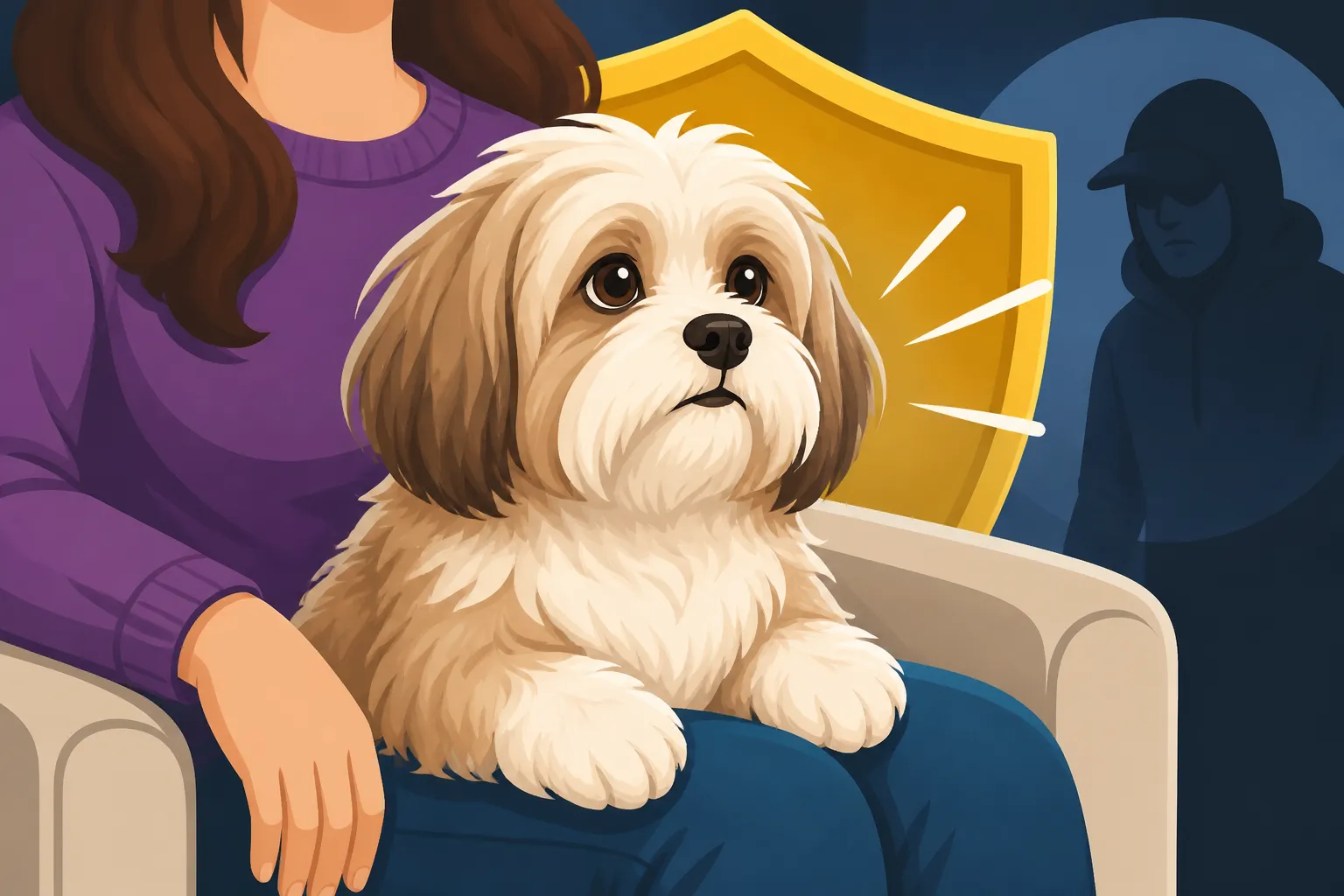
It can be incredibly disheartening, and frankly, a bit confusing, when your sweet, affectionate Havanese suddenly starts acting protective or even aggressive when you're just sitting there, trying to enjoy their company on your lap. This isn't just a quirky habit; it's a specific behavior known as resource guarding, and when it's your lap that's being guarded, it can make social interactions in your own home incredibly tense. This guide will delve into why your Havanese might be guarding your lap, how to recognize the signs, and, most importantly, provide practical, empathetic strategies to help manage and ultimately resolve this challenging behavior, restoring peace and comfort to your cuddly moments.
Understanding Resource Guarding in Havanese
Resource guarding, at its heart, is a perfectly natural canine instinct. In the wild, animals guard valuable resources—food, mates, safe dens—to survive. For our domesticated companions, those "resources" can be anything they perceive as high-value, from a favorite squeaky toy to a prime sleeping spot, or, in this case, your comforting presence on your lap. It’s not a sign of a "bad" dog, but rather a dog feeling insecure about losing something important to them.
What is Resource Guarding?
Resource guarding manifests as a set of behaviors designed to deter perceived threats from approaching a valued item or, in this unique scenario, a person's lap. Imagine your Havanese is snuggled on your lap, enjoying the warmth and attention. If another family member, a visitor, or even another pet approaches, your Havanese might stiffen, give a hard stare, growl, or even snap. Their message is clear: "This is my spot with my person, and you need to back off." It's a spectrum, from subtle warnings to overt aggression, and it's driven by fear or anxiety about losing access to that resource. It’s important to understand that this isn’t about dominance; it’s about perceived scarcity and a lack of confidence that the resource will remain theirs.
Why a Havanese Might Guard a Lap
A Havanese is bred to be a companion dog, known for their affectionate nature and strong bond with their human families. They thrive on companionship and often develop a very deep attachment to one primary caregiver. This intense desire for connection can sometimes tip into insecurity, making them overly possessive of their favorite human. Factors that might contribute to this behavior in a Havanese include:
- Breed Predisposition for Clinginess: Havanese were literally bred to be "Velcro dogs," rarely leaving their owner's side. This intense attachment, while endearing, can sometimes lead to anxiety when that bond is perceived to be threatened. They often follow you into every room, reinforcing this closeness. Why a Havanese Follows You Into Every Room touches on this strong bond.
- Insecurity or Anxiety: A Havanese that is generally anxious or insecure might be more prone to guarding. If they worry about being left alone, or if they've had past experiences where they felt neglected or had to compete for attention, they might cling even harder to a secure resource like your lap. The Havanese That Cannot Be Left Alone delves into their need for companionship.
- Lack of Early Socialization: If a Havanese puppy wasn't properly socialized to various people, places, and other animals during their critical developmental period, they might grow up to be more fearful or uncertain in new situations. This lack of confidence can then manifest as guarding behaviors, as they try to control their environment. Whether an Undersocialized Havanese Recovers highlights the lasting impact of early experiences.
- Past Experiences: Perhaps they were once in a home where they had to compete aggressively for attention or resources. Even subtle past experiences can shape their current behavior.
- Perceived Threat: Sometimes, a Havanese might interpret an innocent approach from another person or pet as a direct threat to their cozy lap spot. They aren't trying to be "bad"; they are simply reacting to what they perceive as danger to their valued resource.
Is "Lap Guarding" Different from Other Resource Guarding?
While the underlying instinct is the same, guarding a lap can feel very different from guarding a toy or food bowl. With an object, you can often remove the object or redirect your dog. But when the "resource" is you, it complicates things significantly.
Here's why lap guarding stands out:
- The Resource is Immovable: You can't just pick up your lap and move it away from your dog to prevent guarding. You are the resource, which means you're directly involved in the interaction.
- Emotional Stakes are Higher: For many owners, it's deeply upsetting when their beloved pet growls at a child approaching for a hug, or snaps at a partner who tries to sit next to them. This can create tension and sadness, affecting the human-animal bond.
- Social Implications: Lap guarding can severely impact household harmony. If your Havanese guards your lap from children, it poses a safety risk. A Havanese in a House With Children discusses how to manage interactions. If they guard from other pets, it can lead to fights or stress for the other animals. A Havanese Meeting the Dog You Already Have offers advice on introductions.
- It's often a "Comfort" Resource: Unlike a prized bone, a lap is often associated with comfort, security, and affection. When this resource is guarded, it means the dog is feeling uncomfortable and insecure about keeping that comfort. This distinguishes it from simply guarding a high-value chew toy, which is more about possession of an item.
Understanding these nuances is crucial for developing an effective strategy. It's not just about stopping a behavior; it's about addressing the underlying insecurity and fear your Havanese is experiencing.
Recognizing the Signs of Lap Guarding Behavior
Identifying resource guarding early is key to managing it effectively. Often, dogs give subtle warnings long before they resort to a snap or bite. Learning to read these cues can help you de-escalate situations and prevent them from escalating to more serious displays of aggression. Remember, your Havanese isn't being "naughty"; they are communicating their discomfort and fear.
Subtle Cues and Escalation
Resource guarding, including lap guarding, typically follows a ladder of aggression, starting with very subtle signals and escalating if those signals are ignored or if the dog feels increasingly threatened.
Here’s what to look for:
- Stiffening Body Posture: Your Havanese might suddenly become very rigid on your lap. Their muscles will tense, and they might stop relaxing. This is often one of the first signs they're feeling uneasy.
- Hard Stare or Whale Eye: A direct, unblinking stare at the approaching person or animal, or showing the whites of their eyes (whale eye), indicates tension and a potential warning. They're telling the approaching party, "Don't come any closer."
- Low Growl or Snarl: This is a clear auditory warning. It's their way of saying, "I'm serious, back off." While it can be alarming, it's actually a good thing because your dog is communicating before resorting to more intense actions. Punishing a growl can teach a dog to skip this warning and go straight to a bite.
- Lip Lick or Yawn (in context): Sometimes, these can be displacement behaviors, indicating stress or anxiety, especially if there's no obvious reason for them to be licking their lips or yawning (e.g., they just ate, or it's not naptime).
- Lifting a Lip, Showing Teeth: This is an unmistakable escalation from a growl. It's a direct threat display.
- Nipping or Snapping: A quick, open-mouthed lunge that doesn't make full contact, or makes light contact without injury. This is a clear "stay away" signal.
- Biting: This is the highest rung on the ladder and means your dog felt their earlier warnings were ignored, or they were in such distress that they felt they had no other option.
It's crucial to acknowledge all these signals. Acknowledging a growl with a calm redirection can prevent a snap. Ignoring subtle cues forces your dog to escalate their communication.
When Does it Typically Occur?
Lap guarding isn't usually a constant behavior; it's triggered by specific circumstances. Pinpointing these triggers is essential for developing a management plan.
Common scenarios include:
- When Someone Approaches You: This is the most classic scenario. Your Havanese is comfortable on your lap, and a child runs over, your partner tries to sit on the couch, or a friend comes to greet you. Your Havanese perceives this as an intruder attempting to take their prized spot.
- When You Shift Position: Sometimes, even a slight movement that suggests you might get up or adjust your lap-sitting position can trigger anxiety in your Havanese, making them guard you more intensely as if to say, "Don't leave! Don't let anyone else in!"
- When Another Pet Tries to Join: If you have multiple dogs or even a cat, your Havanese might guard your lap from them. The presence of another animal trying to get close to you can activate their possessive instincts. A Havanese Meeting the Dog You Already Have is helpful here.
- In New or Unfamiliar Settings: If your Havanese is generally insecure, they might be more prone to guarding in an environment where they don't feel completely safe, such as a friend's house or a busy cafe. Their lap becomes their safe haven, and they guard it fiercely.
Keeping a journal of when and where the guarding behavior occurs can help you identify patterns and anticipate situations, allowing you to intervene before your Havanese feels the need to guard.
Who Does Your Havanese Guard Against?
The targets of lap guarding can vary, and identifying them can offer clues about your dog's underlying insecurities.
Consider these possibilities:
- Specific Family Members: Your Havanese might guard you from one particular person in the household, perhaps a spouse, a child, or even a grandparent. This could be due to a perceived rivalry, an uncomfortable past interaction with that person, or simply that person's body language is interpreted as threatening by the dog. A Havanese in a House With Children offers important considerations if children are involved.
- Other Pets: It's common for a Havanese to guard its person from other dogs or cats in the home. They may view other pets as direct competitors for your attention and affection.
- Strangers/Visitors: Some Havanese, especially those who are more reserved or undersocialized, might only guard against people they don't know well. For these dogs, your lap is a safe fortress against the perceived unpredictability of strangers.
- Everyone Except You: In some severe cases, a Havanese might even snap at you if you try to move them off your lap, or if they are guarding the general area around your lap, making it difficult for you to shift. This indicates a deeply ingrained insecurity that requires careful, professional intervention.
Understanding who the guarding is directed at helps you tailor your approach. For instance, if it's always directed at children, specific safety protocols and training methods will be required. If it's another dog, managing interactions between the pets becomes paramount.
| Sign of Resource Guarding | Description | What Your Havanese Might Be Saying | Severity (Low to High) |
|---|---|---|---|
| Stiffening Body | Tensing up, freezing in place | "I'm uncomfortable, don't push it." | Low |
| Hard Stare/Whale Eye | Direct, unblinking eye contact; whites of eyes visible | "I'm watching you. Keep your distance." | Low-Medium |
| Low Growl/Snarl | Audible warning, rumbling sound | "I really mean it. Back off!" | Medium |
| Lip Lift/Teeth Bare | Showing incisors and canines | "This is your last warning before I act." | Medium-High |
| Snap/Nip | Quick, open-mouthed lunge without full bite | "I'm serious. Get away now!" | High |
| Bite | Intentional contact causing injury | "My warnings were ignored, I had to defend." | Very High |
Practical Strategies to Address Lap Guarding
Addressing lap guarding requires a multi-faceted approach, combining careful management of situations, specific training techniques, and sometimes, the wisdom of a professional. The goal isn't to punish your Havanese for growling, but to change their emotional response so they no longer feel the need to guard.
Management Techniques
Management is about preventing the problem from happening in the first place, thus preventing your Havanese from practicing the unwanted behavior. It buys you time to work on training.
- Establish a "No Laps When Others Are Near" Rule: This can be tough to enforce, but if lap guarding is severe, it's critical for safety. If visitors or children are present, your Havanese should not be on your lap. Instead, provide them with a comfy, designated bed or mat on the floor near you, perhaps with a high-value chew toy they can enjoy independently. This teaches them that wonderful things happen off the lap too.
- Use Physical Barriers: For situations where guarding is predictable, use baby gates or a sturdy playpen to create a safe distance between your Havanese and the "threat." This is particularly useful in homes with young children where safety is paramount. You can find reliable dog gates on platforms like Amazon that help manage space effectively.
- Leash Management: In controlled environments, a leash can be used to gently guide your Havanese away from your lap if an approach is imminent, redirecting them to their designated safe spot before guarding behavior can begin.
- Create a "Lap Alternative": Teach your Havanese to love another specific spot, like a dog bed or a cozy blanket next to you on the couch. Reward them heavily for settling in this spot, especially when others are around. Make it even more appealing than your lap in certain situations.
- Avoid Triggers: If you know a certain person or situation triggers the guarding, avoid putting your Havanese in that position until you've made significant progress with training. For example, don't let them on your lap when friends are visiting if that consistently leads to guarding.
Counter-Conditioning and Desensitization
These are the core training techniques for changing your Havanese's emotional response to perceived threats.
- Desensitization (Gradual Exposure): Start by identifying the threshold at which your Havanese begins to show subtle signs of guarding. This might be when a specific person is 10 feet away.
- Have the "trigger" person stand far enough away that your Havanese notices them but does not react with guarding behavior.
- As soon as your Havanese looks at the person (without guarding), immediately give them a high-value treat while they are on your lap. The goal is to create a positive association.
- The person should then move away.
- Repeat this many times, very gradually decreasing the distance over days or weeks, always ensuring your Havanese remains relaxed and focused on the treat, not the approaching person. If your Havanese shows any tension, you've gone too fast; increase the distance again.
- Counter-Conditioning (Changing the Emotion): This involves changing your dog's negative emotional response to a positive one. Instead of seeing the approaching person as a threat, your Havanese learns to associate their presence with something wonderful happening.
- When your Havanese is on your lap and the "trigger" person approaches, before your dog starts to guard, have the person toss a very high-value treat (like a piece of cooked chicken or cheese) past your dog, onto the floor.
- Your Havanese will likely get off your lap to get the treat.
- Repeat this process. The goal is for your Havanese to learn that the approach of the "threat" person predicts delicious treats and the opportunity to comfortably leave the lap for a moment, rather than needing to defend it.
- Over time, they'll anticipate the treat and be happy to disengage from your lap.
- "My Mat" or "Place" Training: Teach your Havanese a strong "place" command, where they go to a specific mat or bed and stay there. Reward heavily for compliance. This gives you a tool to proactively move your Havanese off your lap and into a safe, rewarded spot when you anticipate a trigger. Using an online training program like BAXTER & Bella can be incredibly helpful for structured training like "place" work, offering step-by-step guidance and support.
- Teaching a "Off" Cue: Practice getting your Havanese off your lap with a clear cue, always followed by a reward. Start when there are no distractions, then gradually introduce distractions. This empowers you to remove them from the lap without force or conflict.
Remember, consistency is paramount. Everyone in the household needs to be on board with these strategies.
Seeking Professional Help
While these strategies are effective, resource guarding can be complex and, if mishandled, can worsen or lead to bites.
- When to Call a Professional: If your Havanese growls, snaps, or bites regularly, if the behavior is escalating, or if you feel unsafe or overwhelmed, it's time to bring in a professional. Do not try to solve severe guarding issues on your own, especially if children are involved.
- Types of Professionals: Look for a Certified Professional Dog Trainer (CPDT-KA), a Certified Applied Animal Behaviorist (CAAB), or a Veterinary Behaviorist (DACVB). These professionals have specialized knowledge and can provide a tailored behavior modification plan. Avoid trainers who advocate for punishment-based methods, as these can suppress the warnings (growls) without addressing the underlying fear, potentially leading to a dog who bites without warning.
- What a Professional Can Offer: They can accurately assess the root cause of the guarding, develop a safe and effective training plan, and provide hands-on coaching. They can also help identify subtle stressors you might be missing and refine your technique. Whether a Havanese Needs a Professional Trainer offers more guidance on this topic.
It's a journey, not a sprint, but with patience, consistency, and the right approach, you can help your Havanese feel more secure and less compelled to guard their cherished lap time.
Creating a Secure and Confident Havanese
Ultimately, resolving lap guarding isn't just about stopping a specific behavior; it's about building a more secure and confident Havanese overall. When your dog feels safe, understood, and trusted, they are far less likely to resort to guarding. This takes a holistic approach to their well-being, focusing on positive relationships and a stimulating environment.
Building Trust and Positive Associations
A strong, positive relationship with your Havanese is the foundation for addressing any behavioral challenge. They need to trust that you will meet their needs and keep them safe, and that good things happen even when you’re not directly interacting with them.
- Consistent Positive Reinforcement: This means rewarding desired behaviors and ignoring (or redirecting) unwanted ones. When your Havanese is calm near your lap, or chooses to lie in their designated bed while guests are present, shower them with praise and treats. Never punish them for growling, as this teaches them not to warn you, making bites more likely. Instead, acknowledge the warning and calmly create distance. Think about what a Havanese will work for; often, it's high-value treats or enthusiastic praise. Whether a Havanese Works for Food or Praise explores this.
- Predictable Routines: Dogs thrive on predictability. Consistent feeding times, walk schedules, and training sessions help create a sense of security and reduce anxiety. When they know what to expect, they feel more in control of their environment.
- Hand-Feeding and Exchange Games: If your Havanese guards food or toys, practice hand-feeding them their meals (or portions of it) to build a positive association with hands near their resources. Play "trade" games where you offer a high-value treat in exchange for a toy they are holding, then immediately give the toy back. This teaches them that giving something up means getting something even better in return, and that you are not going to take their things permanently.
- Short, Fun Training Sessions: Incorporate regular, short training sessions (5-10 minutes, a few times a day) using positive reinforcement. This builds your dog's confidence, strengthens your bond, and gives them mental exercise. Havanese are smart and often enjoy learning tricks. Whether Clicker Training Suits a Havanese can be a great tool for clear communication during these sessions, and Whether Short Sessions Suit a Havanese emphasizes why brevity is key for this breed.
Socialization and Exposure
Continued, positive socialization throughout your Havanese's life is crucial, even for adult dogs who might have missed out on early experiences. The goal is to help them feel comfortable and secure around a variety of people, animals, and environments.
- Controlled, Positive Introductions: When introducing your Havanese to new people or other pets, always do so in a controlled, positive manner. Have new people offer treats and speak softly. Supervise all interactions, especially if other dogs are involved. Don't force interactions; let your Havanese approach when they feel ready.
- Neutral Territory Walks: Take your Havanese on walks in different neighborhoods, parks, or even pet-friendly stores (if appropriate for their temperament and vaccination status). Exposure to new sights, sounds, and smells helps them build confidence in various environments.
- "People-Watching" Sessions: Sit on a bench at a distance from a busy park or outdoor cafe with your Havanese. Reward them for calm behavior as people pass by. The goal is for them to observe without feeling overwhelmed or threatened. This is about exposure, not necessarily interaction.
- Puppy Classes or Adult Training Classes: Group classes can be an excellent way for your Havanese to socialize in a structured, supervised environment. They learn to focus on you around distractions and interact appropriately with other dogs. Online programs like BAXTER & Bella also provide structured content for continued learning and confidence-building at home.
Enriching Your Havanese's Environment
A bored or under-stimulated Havanese is more likely to develop behavioral issues, including anxiety that can lead to guarding. Mental and physical enrichment helps meet their natural needs and keeps them happily engaged.
- Puzzle Toys and Food Dispensing Toys: These are fantastic for mental stimulation. Instead of just eating from a bowl, your Havanese can work for their food, which is incredibly satisfying for them. There are many options available on Amazon, from simple treat balls to more complex interactive puzzles. Whether a Havanese Enjoys Puzzle Toys confirms their aptitude for these.
- Interactive Play: Engage in games like fetch, tug-of-war (with clear "drop it" rules), or hide-and-seek. These games provide physical exercise and mental engagement, reinforcing your bond.
- Scent Work: Havanese have keen noses. Hide treats around the house and encourage them to sniff them out. This is a low-impact, highly enriching activity that taps into their natural instincts.
- A "Safe Zone": Ensure your Havanese has a comfortable, quiet den or crate where they can retreat when they need alone time. This should be their sanctuary, not a place for punishment. They should always have access to fresh water and comfortable bedding there.
- Appropriate Exercise: While Havanese aren't marathon runners, they still need daily walks and opportunities for play to burn off energy. A tired dog is often a well-behaved dog. Consistent exercise contributes to their overall emotional balance, making them less prone to stress and guarding behaviors. How Many Hours a Havanese Can Be Left Alone touches on the broader needs of these companion dogs.
By proactively building confidence, trust, and providing adequate mental and physical stimulation, you can transform a Havanese who guards its owner's lap into a secure, well-adjusted companion who is happy to share your affection with others.
Disclaimer
This article is for general informational purposes only and does not constitute professional advice. Laws, prices and regulations vary by location and change over time. Consult a qualified professional for guidance on your specific situation.