Whether a Havanese’s Ears Should Fold
Havanese ear shape and folding explains typical drop ears, puppy growth changes, and why long hair makes ears look uneven.
Is this the right one for you?
Origins and temperament, size and coat, what living with one is actually like, and how it compares to the breeds people weigh against it.

Havanese ear shape and folding explains typical drop ears, puppy growth changes, and why long hair makes ears look uneven.

Havanese tail carriage explained by mood and coat, detailing normal arches and when sudden changes require veterinary attention.
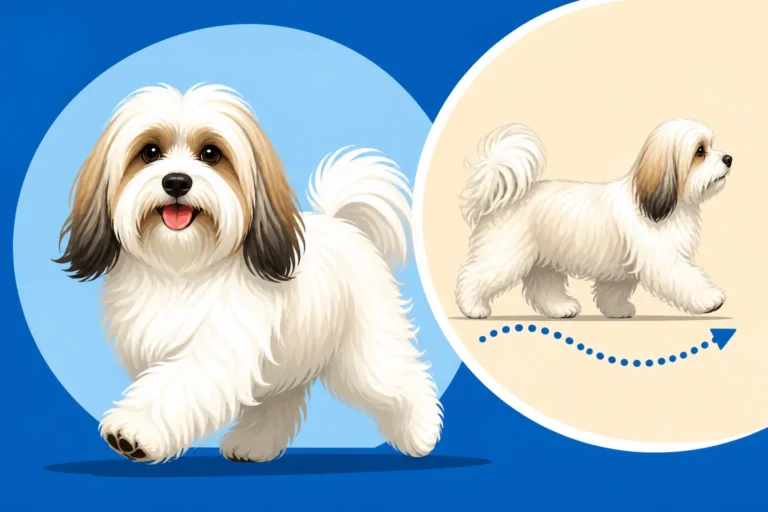
Havanese movement characteristics, ordinary stride variations, and signs of limping or stiffness requiring veterinary attention are explained.

Havanese leg proportions and structural differences explain why front and back legs can look uneven in photos.
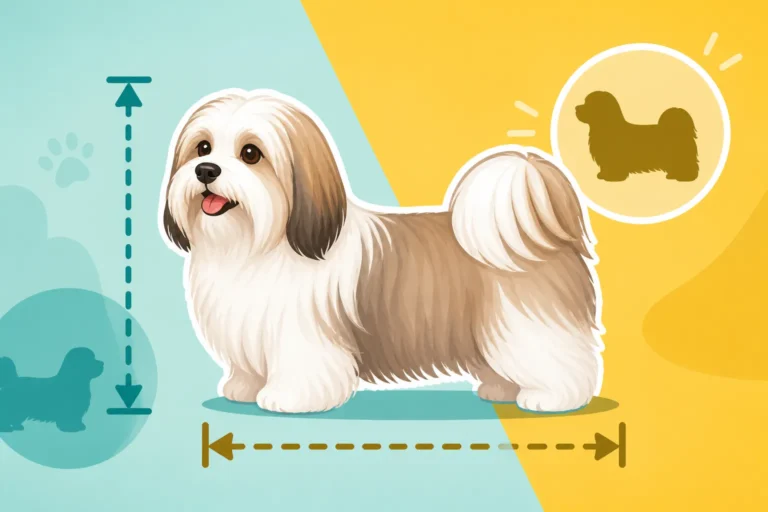
Havanese body proportions and correct measuring methods explain why this small dog is slightly longer than tall.

Havanese size variations, breed standards, and health risks associated with unusually tiny dogs determine puppy well-being.

The teacup Havanese is an unofficial marketing term for undersized dogs, masking serious health issues and unethical breeding practices.

Parent weights and genetics strongly influence a Havanese adult size, but standard weight ranges span seven to thirteen pounds.
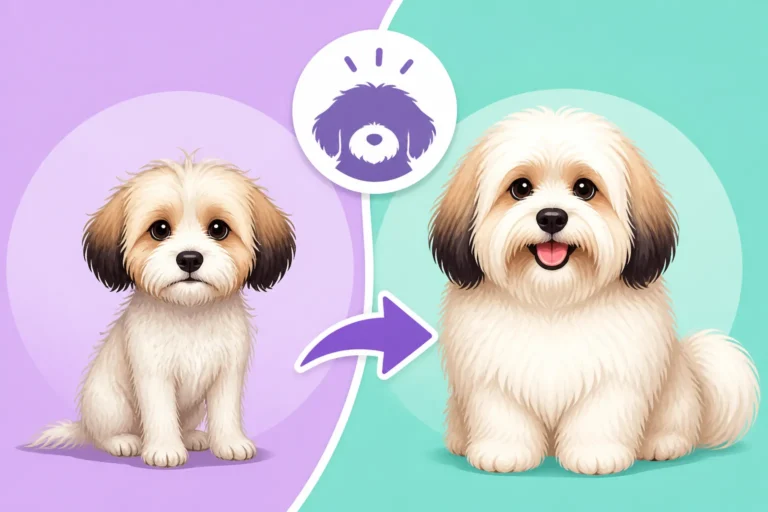
Havanese physical development after one year includes muscle growth, skeletal maturation, and chest widening up to two years.

Havanese puppy growth stages explain the exact timeline for reaching adult height and weight by twelve months of age.