How Common Liver Shunts Are in Havanese
It's incredibly worrying when you hear about specific health conditions that can affect the breeds we love, and for Havanese owners, the mention of a liver shunt can certainly raise an eyebrow. This guide aims to demystify what a liver shunt is, discuss how common it might be in our beloved Havanese, and equip you with the knowledge to understand this condition better, should it ever become a concern for your furry family member.
Understanding What a Liver Shunt Actually Is
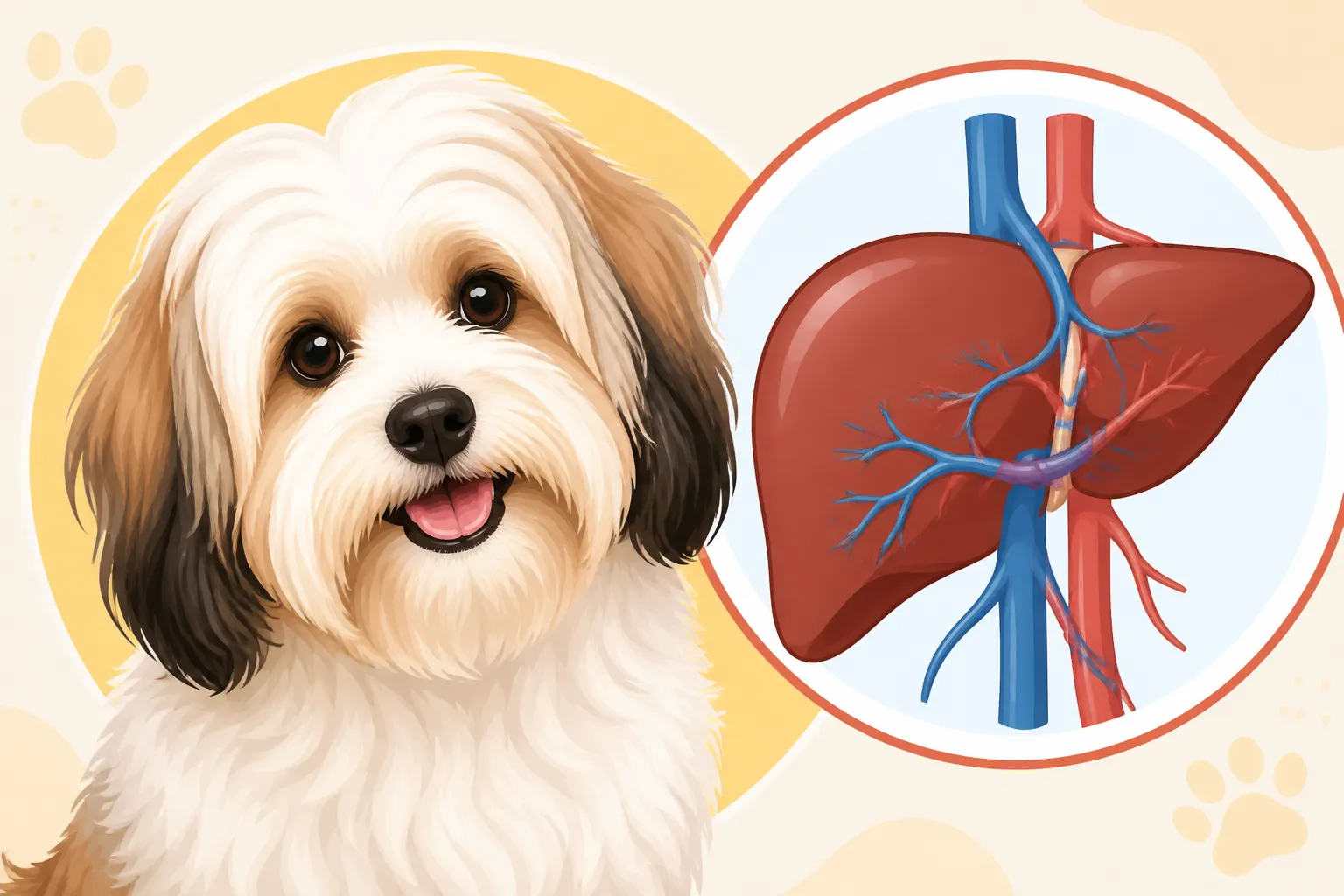
Before we dive into how common they are, let's get a solid grasp on what a liver shunt, formally known as a portosystemic shunt (PSS), actually is. It sounds complicated, but at its heart, it's a plumbing issue in your dog's internal system.
The Basic Plumbing Problem
Imagine your dog's digestive system. After food is processed, nutrients (and toxins) are absorbed into the bloodstream. This blood is supposed to travel directly to the liver through a special vessel called the portal vein. The liver acts like the body's super-filter, cleaning out toxins and processing nutrients before sending the cleansed blood on to the rest of the body. In a dog with a liver shunt, there's an abnormal blood vessel that bypasses the liver. Instead of going through the liver for filtration, the blood shunts around it, sending unfiltered blood—full of toxins like ammonia—directly into the general circulation.
This is a congenital condition, meaning a Havanese is born with it. It's not something they develop later in life due to diet or environment. Think of it like a detour that was accidentally built into the road system from the start, preventing traffic from reaching the main processing plant. This detour sends all the raw materials, good and bad, straight to the city without being sorted or cleaned. This foundational understanding is key to grasping what a congenital liver shunt does to a Havanese.
Why It's a Concern for Your Havanese
When toxins aren't properly filtered by the liver, they accumulate in the bloodstream and can wreak havoc on various organs, especially the brain. This can lead to a range of symptoms, from subtle to severe, impacting your Havanese's growth, energy levels, and neurological function. Because the liver isn't receiving its full blood supply, it often doesn't develop to its normal size and can't perform its many vital functions adequately.
The liver is also crucial for metabolizing medications and producing proteins essential for blood clotting and nutrient storage. With a shunt, all these processes are compromised. This makes it a serious condition that requires prompt diagnosis and management to ensure your Havanese can live a comfortable, healthy life. It’s a lot for a small dog’s system to handle.
The Prevalence of Liver Shunts in Havanese
Now for the big question: how common are these liver shunts specifically in Havanese? It’s a reasonable concern, especially when you’re looking into a breed's health profile. While it's not the most widespread ailment, the Havanese breed does have a known predisposition to congenital portosystemic shunts.
Is Your Havanese at Higher Risk?
The Havanese is one of several breeds that are genetically predisposed to developing congenital liver shunts. Other breeds commonly cited include Yorkshire Terriers, Maltese, Cairn Terriers, Irish Wolfhounds, and Golden Retrievers, among others. For our Havanese, this means that while it’s not an epidemic, it’s a condition that responsible breeders and owners should be aware of.
It's not that every Havanese carries the gene or will develop a shunt, but the statistical likelihood is higher for them compared to a generic mixed-breed dog. This genetic component is why careful breeding practices are so important. Breeders who are truly committed to the health of their lines will perform health tests on their breeding stock, and sometimes even on puppies, to screen for issues like this. If you’re ever wondering about a breeder’s practices, asking whether a Havanese breeder should bile acid test their puppies is a perfectly valid and important question.
What the Statistics (and Breeders) Tell Us
Gathering exact prevalence statistics for specific breeds can be challenging, as comprehensive national registries don't always exist for every single condition. However, veterinary specialists and breed clubs recognize the Havanese as a breed "at risk." Some estimates place the incidence rate higher in predisposed breeds like the Havanese than in the general dog population, with reports suggesting it could affect a notable percentage of individuals in certain lines if not carefully managed through breeding.
Breed clubs and health foundations for Havanese actively promote screening protocols. They understand that while the condition may not be 'common' in the sense that most Havanese will have it, it's common enough within the breed to warrant serious attention. The key takeaway is awareness: it's not a rare, obscure condition for Havanese, but rather one that's on the radar for those invested in the breed's health. Therefore, if you're ever purchasing a puppy, inquire about parental health screenings and what the breeder knows about their lines concerning shunts. A good breeder will be transparent and proactive.
Recognizing the Signs and Getting a Diagnosis
Knowing that Havanese can be prone to liver shunts, the next logical step is understanding what to look for and how veterinarians diagnose it. The signs can sometimes be subtle, especially in the early stages, making early detection crucial.
Subtle Clues That Might Signal a Shunt
The signs a Havanese puppy has a shunt can vary greatly depending on the severity of the shunt and the level of toxins accumulating in their system. Often, the earliest signs are seen in puppies or young dogs, typically before they reach six months of age. Owners might notice:
- Failure to Thrive: A puppy with a shunt might be noticeably smaller than its littermates, failing to gain weight at the expected rate. Whether a Havanese puppy with a shunt is small is a common observation.
- Poor Appetite or Pickiness: They might be reluctant to eat or show very picky eating habits.
- Gastrointestinal Upset: Intermittent vomiting or diarrhea, sometimes appearing after meals, is another potential indicator.
- Neurological Symptoms: This is where things can get particularly concerning. Because toxins affect the brain, you might see disorientation, aimless wandering, circling, pressing their head against a wall (head pressing), or even seizures. These symptoms often worsen after eating a protein-rich meal, as protein digestion produces more ammonia.
- Increased Thirst and Urination: Due to kidney compensatory mechanisms trying to flush out toxins.
- Behavioral Changes: A usually playful puppy might seem unusually lethargic or depressed.
It’s important to remember that these signs can also point to other health issues, so don't jump to conclusions, but do take them seriously and consult your veterinarian. Early intervention truly makes a difference.
The Diagnostic Journey for a Havanese Liver Shunt
If your vet suspects a liver shunt based on your Havanese's symptoms and a physical exam, they'll recommend a series of diagnostic tests.
-
Blood Tests:
- Complete Blood Count (CBC) and Chemistry Panel: These can reveal abnormalities consistent with a shunt, such as low blood urea nitrogen (BUN), low albumin, and sometimes elevated liver enzymes.
- Bile Acid Stimulation Test: This is often the go-to screening test. It involves taking a blood sample after a 12-hour fast, feeding a small meal, and then taking another blood sample two hours later. The liver normally processes bile acids, so abnormally high levels before or after eating can strongly indicate a shunt. It helps answer whether a bile acid test belongs on a Havanese puppy for screening. What a bile acid test costs on a Havanese puppy is a consideration, but it's often the most accessible and informative initial step.
- Ammonia Levels: Elevated ammonia in the blood is a strong indicator, though this test needs to be handled carefully to ensure accuracy.
-
Imaging:
- Ultrasound: A veterinary radiologist can often visualize the abnormal vessel bypassing the liver. This non-invasive test is crucial for confirming the presence of a shunt and determining if it's intrahepatic (inside the liver) or extrahepatic (outside the liver), which impacts surgical planning.
- CT Angiography (CTA): For definitive diagnosis and detailed surgical planning, a CT angiogram is often recommended. This involves injecting a contrast dye and taking detailed 3D images of the blood vessels, providing a roadmap for surgeons.
- Portography: This is a more invasive procedure, usually done during surgery, where dye is injected directly into a vein to visualize the portal system and shunt.
Diagnosing a liver shunt can be a multi-step process, requiring specialized equipment and expertise. However, a thorough diagnostic workup is essential for determining the best course of action for your Havanese.
Management and Prognosis for Havanese with Shunts
Receiving a diagnosis of a liver shunt can be overwhelming, but it's important to know that there are effective management strategies available, offering your Havanese a good quality of life. The approach usually depends on the type of shunt and its severity.
Medical vs. Surgical Approaches
There are generally two main paths for managing a Havanese with a liver shunt: medical management or surgical correction.
Medical Management: This approach focuses on minimizing the toxins in the blood and supporting liver function. It's often used as a temporary measure before surgery, or as the sole treatment for dogs who are not surgical candidates, or whose shunts are too complex to operate on. Key components include:
- Dietary Modification: A low-protein, highly digestible diet is crucial. Protein produces ammonia as it breaks down, so reducing protein intake can significantly lower toxin levels. Specific prescription diets are available from brands like Royal Canin (Hepatic) or Hill's Prescription Diet (l/d) that are formulated for liver support.
- Medications:
- Lactulose: This syrup helps to reduce ammonia absorption from the intestines by trapping it in the gut and promoting its excretion.
- Antibiotics: Certain antibiotics (like Metronidazole) can reduce the number of ammonia-producing bacteria in the gut.
- Supplements: Liver-supportive supplements, such as S-adenosylmethionine (SAMe) and milk thistle, may be recommended to aid liver health.
Medical management can control symptoms, but it doesn't fix the underlying bypass vessel. For many Havanese, especially those with severe shunts, it’s a stop-gap measure.
Surgical Correction: For most congenital extrahepatic shunts (the most common type in Havanese), surgery is the preferred treatment, offering the best long-term prognosis. The goal of surgery is to gradually close off the abnormal blood vessel, redirecting blood flow back through the liver. This is typically done using:
- Ameroid Constrictors: These devices are placed around the shunt vessel. They contain a casein material that slowly swells over several weeks, gradually closing the shunt. This slow closure allows the liver time to adapt to the increased blood flow.
- Cellophane Bands: Similar to Ameroid constrictors, cellophane bands are wrapped around the vessel and cause scar tissue to form, slowly occluding the shunt.
- Ligation: In some rare cases, a small shunt might be completely tied off (ligated) immediately, but this carries a higher risk of complications if the liver can't handle the sudden increase in blood flow.
The question of whether a Havanese shunt can be repaired surgically is generally yes, especially for extrahepatic shunts. However, it's a specialized and delicate procedure, often performed by a board-certified veterinary surgeon. What shunt surgery costs a Havanese owner can be substantial, underscoring the importance of having funds set aside or considering pet insurance like Healthy Paws to help with unexpected veterinary expenses.
Living a Full Life with a Managed Shunt
The prognosis for Havanese after successful surgical correction of a liver shunt is generally excellent. Many dogs go on to live normal, happy lives with no further symptoms or need for medication. They often experience a dramatic improvement in health, energy, and cognitive function. However, consistent follow-up with your vet is crucial to monitor liver function and ensure the shunt has closed completely. This might involve repeat bile acid tests and blood work.
Even with successful surgery, a small percentage of dogs may experience residual issues or develop complications, though this is less common. For those managed medically, careful adherence to diet and medication regimens is key to controlling symptoms. These dogs may still have a good quality of life, but require lifelong management and regular veterinary check-ups to monitor their condition and adjust treatment as needed.
Living with a dog diagnosed with a liver shunt requires dedication, but with the right veterinary care and your commitment, your Havanese can still enjoy many wonderful years by your side. Remember, having pet insurance like Healthy Paws can provide immense peace of mind when facing complex and potentially expensive treatments for conditions like this. It's definitely something to consider for a breed known to have certain predispositions.
| Condition | Description | Common Symptoms in Havanese | Diagnostic Tests | Treatment Options |
|---|---|---|---|---|
| Liver Shunt | Abnormal blood vessel bypasses the liver, preventing toxins from being filtered. | Small size, poor growth, vomiting, diarrhea, lethargy, neurological signs (head pressing, circling, seizures), increased thirst/urination. | Bile Acid Test, Blood Chemistry, Ultrasound, CT Angiography, Portography. | Medical management (diet, medications), Surgical correction (Ameroid constrictor, cellophane band, ligation). |
| Other Congenital Issues | (For comparison, briefly) Other conditions Havanese can be born with, like patellar luxation or Legg-Calve-Perthes disease. | Limping, skipping, pain, altered gait. | Physical Exam, X-rays. | Physiotherapy, pain management, surgery. |
As you can see, the diagnostic journey for a liver shunt is quite specific and detailed. It’s not just a guessing game; there are clear steps to confirm the presence of this condition and plan for its treatment. When you're considering the potential long-term care, it really helps to have prepared for the financial aspect; setting money aside for a Havanese's vet bills or having a good insurance plan can ease a lot of stress during these times.
Remember, if your Havanese shows any of the concerning signs mentioned above, don't hesitate to reach out to your veterinarian. Early detection and intervention are always the best approach to ensure our furry companions remain as healthy and happy as possible. Understanding the health challenges that can arise with our beloved Havanese is part of being a responsible owner, and knowing about conditions like liver shunts helps us advocate for their best care. We want them to thrive for all of the fourteen to sixteen years a Havanese lives.
Disclaimer
This article is intended for informational purposes only and does not constitute veterinary advice. Always consult with a qualified veterinarian for any health concerns or before making any decisions about your pet's medical care.