Living With a Deaf Havanese
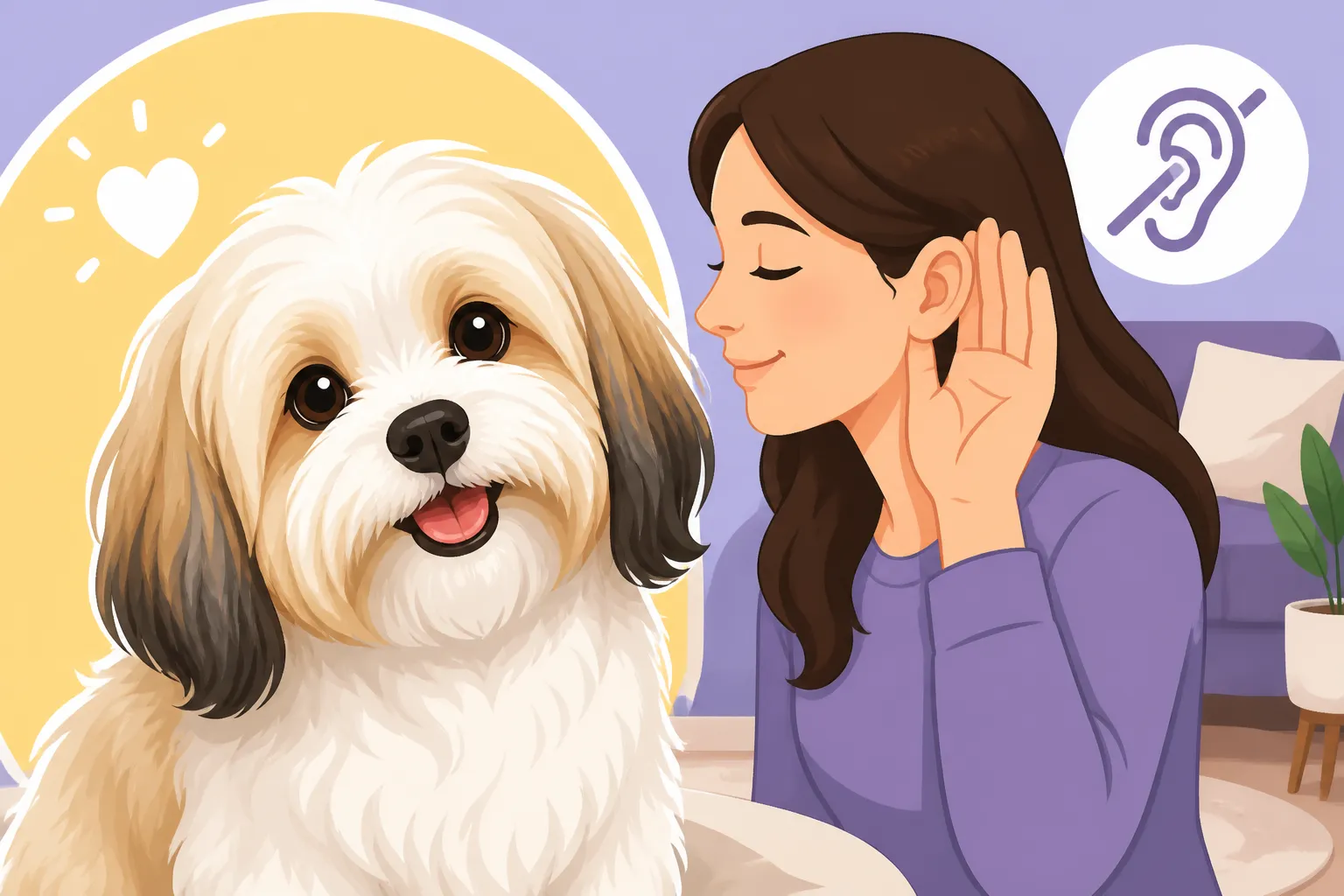
Discovering your beloved Havanese has hearing loss, or even complete deafness, can feel like a punch to the gut. It brings a whole new layer of challenges to daily life, from communication hurdles to safety concerns that can keep you up at night. This guide is here to walk you through navigating life with a deaf Havanese, offering practical advice and heartfelt support to help you and your furry companion thrive together.
Understanding Deafness in Havanese
When your Havanese isn't responding to their name, or seems oblivious to the doorbell, it’s natural to feel a pang of worry. Hearing loss isn't always obvious at first glance, especially in a breed as attentive and visually-oriented as the Havanese. Unraveling the type and cause of their deafness is the first step toward understanding how best to support them.
Congenital Versus Acquired Deafness
Deafness in Havanese, like in many breeds, can manifest in two primary ways: congenital, meaning your puppy was born deaf, or acquired, meaning they lost their hearing later in life. Congenital deafness is often genetic, with certain pigment-related genes being linked to hearing loss. For instance, dogs with piebald or merle patterns might be more predisposed, though Havanese generally don't carry these specific genes often linked to deafness. In Havanese, congenital deafness can sometimes be associated with a lack of pigment in certain structures of the inner ear. If you're pondering Whether a Havanese Can Be Born Deaf, the answer is yes, and it often becomes apparent in puppyhood.
Acquired deafness, on the other hand, can creep up over time or happen suddenly due to a variety of factors. Older Havanese might experience age-related hearing loss, much like humans do. Other common causes include chronic ear infections that damage the ear canal and eardrum, exposure to certain ototoxic medications, trauma to the head, or even tumors. Sometimes, a severe blockage from wax or foreign objects can temporarily mimic deafness, which is why a thorough veterinary examination is always crucial. Knowing the difference between congenital and acquired deafness helps your vet tailor management strategies and can offer insights into potential underlying health issues.
Recognizing Subtle Signs of Hearing Loss
It’s easy to dismiss a lack of response as selective hearing, especially with a clever Havanese who sometimes pretends not to hear you when it suits them! However, a truly deaf Havanese will exhibit more consistent signs. You might notice they don't startle at loud noises, don't wake up to sounds, or fail to respond when called from another room. How Early Deafness Shows in a Havanese can include a puppy that sleeps through noisy household activity, doesn't react to squeaky toys, or seems unusually quiet compared to its littermates.
Other subtle indicators can include your Havanese barking excessively (because they can't hear themselves) or being more prone to anxiety when approached from behind. They might seem disoriented in new environments or rely heavily on visual cues from you. If you suspect hearing loss, observe your Havanese closely in different situations. Try making a loud noise when they're not looking at you – dropping keys, clapping loudly – and watch for any reaction. Remember, a deaf Havanese can still feel vibrations, so they might react to a stomp on the floor, which can sometimes be confused with hearing.
Initial Steps After a Diagnosis
Receiving a diagnosis of deafness for your Havanese can be overwhelming. It's a lot to process, and you might feel a mix of sadness, confusion, and determination. But the most important thing is to take a deep breath and embark on a clear path forward, starting with confirming the diagnosis and consulting with specialists.
Confirming Diagnosis with BAER Testing
While your suspicions might be strong, a definitive diagnosis of deafness in a Havanese is best achieved through a Brainstem Auditory Evoked Response (BAER) test. This is the gold standard for assessing hearing in dogs, and it’s non-invasive. During a BAER test, small electrodes are placed on your Havanese’s head, and sounds (clicks) are delivered through headphones into each ear. The electrodes measure the electrical activity in the brainstem in response to these sounds. If no electrical activity is recorded, it indicates a lack of hearing in that ear. This test can determine if your Havanese is deaf in one ear (unilateral) or both ears (bilateral), and it can distinguish between different degrees of hearing loss.
It's particularly important for breeders to consider Whether a Havanese Litter Should Be BAER Tested, especially if there's any history of deafness in the lines, as early detection allows for better placement of puppies into homes equipped to handle their special needs. The BAER test is usually performed by a veterinary neurologist or at a specialist veterinary hospital. It gives you concrete information, which is invaluable for moving forward with confidence.
Consulting Veterinary Specialists
After a BAER test confirms deafness, your primary veterinarian will likely recommend consulting with other specialists. A veterinary neurologist can interpret the BAER test results in detail, discuss the potential causes, and offer insights into any related neurological conditions. If acquired deafness is suspected, an internal medicine specialist might be brought in to investigate underlying systemic diseases or medication side effects. For cases linked to chronic ear issues, a veterinary dermatologist or otologist could be essential.
These specialists will help rule out treatable causes of hearing loss, such as chronic infections or polyps, and guide you on the best long-term care strategy. They can also provide advice on pain management if the deafness is a result of a painful condition. Don't be afraid to ask plenty of questions during these consultations. You’re advocating for your Havanese, and understanding all your options, including how pet insurance like Healthy Paws might assist with specialist visits, is crucial for comprehensive care.
Communication Strategies and Training
One of the biggest worries for owners of a deaf Havanese is how to communicate effectively. The good news is that Havanese are incredibly intelligent and observant dogs, and they adapt beautifully to alternative communication methods. It just takes a little creativity and consistency on your part.
Mastering Hand Signals
Hand signals will become your primary language with your deaf Havanese. It’s like learning a new language together, and it can actually strengthen your bond. Start with basic commands that you would normally teach any puppy: "sit," "stay," "come," "down," and "good dog." Consistency is key. Always use the same hand signal for the same command, making sure your movements are clear and distinct. For instance, an open palm could mean "stay," while tapping your leg could signal "come."
You'll quickly find that Whether a Deaf Havanese Learns Hand Signals is not a question of if, but how quickly. These clever dogs pick up visual cues remarkably fast. Reward heavily with treats and praise (a thumbs-up, a big smile) when they respond correctly. Practice in various environments, starting with quiet, distraction-free spaces and gradually introducing more stimuli. You can even develop unique hand signals for specific people or objects, or for abstract concepts like "wait" before going out the door. Think of it as developing your own secret language with your furry best friend.
Using Vibrations and Visual Cues
Beyond hand signals, incorporating vibrations and other visual cues can significantly enhance communication and safety. A vibrating collar, for instance, can be a fantastic tool to get your Havanese's attention from a distance, especially outdoors or when they're sleeping. These collars deliver a gentle vibration, not a shock, and should always be introduced positively, associating the vibration with a treat or a known command like "come." This way, the vibration becomes a cue, not a punishment.
Another simple but effective visual cue is flashing lights. You can use a flashlight to get your Havanese’s attention in a dark room, or even just flicking house lights on and off. Some owners find that stomping a foot gently on the floor works well to create a vibration that alerts their Havanese. Always remember to approach your deaf Havanese from the front or side, so they can see you coming and aren't startled. A gentle tap on the shoulder is also an effective way to get their attention without alarming them. The more varied your visual and tactile cues, the richer your communication will be.
| Command | Example Hand Signal | Description |
|---|---|---|
| Sit | Raise hand straight up from waist, palm open. | Start with dog standing, lure head up with treat, bring hand up. As rear lowers, give signal. |
| Stay | Open palm held facing dog, arm extended. | After "sit," give signal, step back, then immediately return and reward. Gradually increase distance and duration. |
| Come | Wide sweeping arm motion towards your body. | Bend down, tap leg, sweep arm. Reward enthusiastically when dog approaches. Can combine with vibrating collar. |
| Down | Hand sweeps down from dog's nose to the floor. | Lure dog from "sit" position by moving treat from nose to floor, then along floor away from them. Give signal as they lie down. |
| Good Dog! | Thumbs up, enthusiastic facial expression. | This is your positive reinforcement! Always pair with a tasty treat. |
| Look at Me | Tap nose, then point to your eyes, or hold treat to eyes. | Get eye contact, then reward. Crucial for getting attention before other commands. |
| Wait | Hand held flat, palm down, horizontal to ground. | Useful before opening doors, putting down food bowls. Helps prevent darting and reinforces impulse control. |
| No/Stop | Firm, sharp clap or an "X" shape with arms. | Use sparingly for truly undesirable behaviors. Redirect immediately to a positive alternative. |
Ensuring Safety for Your Deaf Havanese
Safety becomes paramount when you have a deaf Havanese. They can't hear approaching dangers like cars, other animals, or even people, making them vulnerable in ways a hearing dog isn't. Proactive measures are essential to keep your furry friend secure, both inside your home and when out and about.
Securing the Home Environment
Your home should be a sanctuary for your deaf Havanese, free from unexpected scares or hazards. The first rule of thumb is to always ensure your Havanese can see you before you touch them. This prevents startling them, which can lead to defensive reactions. You might consider placing small bells on family members' shoes or even on other pets to create a subtle vibration or visual cue that helps your Havanese detect movement around them.
Another vital consideration is preventing access to dangerous areas. Many Havanese love to climb and jump, but Keeping a Havanese Off Furniture It Should Not Jump From is particularly important for deaf dogs who might not hear you approaching to spot them before a fall. Secure fences around your yard are a must, as a deaf Havanese won't hear if a gate is accidentally left open or if they wander too far. Some owners even install baby gates to restrict access to certain rooms, especially if they have young children or other pets who might unintentionally startle the deaf dog. Having a consistent routine and designated safe spaces where your Havanese can rest undisturbed also contributes greatly to their sense of security.
Outdoor Safety Measures
Taking a deaf Havanese outside requires a heightened level of vigilance. They should never be off-leash in an unfenced area, even if they have excellent recall hand signals. The risk of them not hearing an approaching vehicle, bicycle, or another dog is simply too great. Always use a secure harness – whether a Havanese needs a harness is definitely a yes for deaf dogs – as it provides better control than a collar, reducing pressure on the neck and making it harder for them to slip out.
Consider carrying a small, powerful flashlight during evening walks to get their attention if needed. A brightly colored vest or collar can also increase their visibility, signaling to others that your Havanese might have special needs. When meeting other dogs or people, proactively inform them that your Havanese cannot hear. This helps prevent unexpected interactions that could startle your dog. A tag stating "I AM DEAF" on their collar, in addition to their regular ID, is a smart safety measure. It's also wise to check with your insurance provider, like Healthy Paws, about coverage for accidents that might occur if a deaf dog were to get lost or injured, providing an extra layer of peace of mind.
Daily Life and Enrichment
Living with a deaf Havanese isn't just about managing challenges; it's about embracing their unique way of experiencing the world and ensuring they lead a full, joyful life. They might not hear, but their other senses are often heightened, allowing them to engage with their environment in rich and meaningful ways.
Adapting Playtime and Exercise
Playtime is crucial for any Havanese, deaf or hearing. You just need to adapt how you initiate and engage in it. Instead of calling their name, use a visual cue like a waving hand or a gentle tap to get their attention before starting a game. Toys that provide strong visual stimulation or tactile feedback are excellent. Think about brightly colored balls, toys with interesting textures, or even puzzle toys that require problem-solving. While a deaf Havanese won't enjoy a squeaky toy in the traditional sense, some still love the act of ripping and shaking them!
Fetch can still be a fantastic game; just make sure your Havanese sees the ball leave your hand. Agility courses, with their reliance on hand signals and body language, can be incredibly rewarding for deaf dogs, building confidence and providing mental stimulation. Many deaf Havanese also excel at scent work or nose games, as their sense of smell is typically unaffected and provides a wonderful outlet for their natural instincts. Remember, What a Havanese Needs Beyond a Walk includes plenty of mental enrichment, which is even more vital for a deaf dog to keep their brilliant minds engaged.
Maintaining a Consistent Routine
Dogs thrive on routine, and for a deaf Havanese, consistency is not just comforting but absolutely essential. A predictable schedule helps them understand what to expect throughout their day, reducing anxiety and improving their overall sense of security. They learn that after breakfast comes a potty break, then playtime, then a nap. Without auditory cues, they rely heavily on the sequence of events and visual cues from their environment.
Try to keep meal times, walk times, and bedtime consistent. If you need to deviate, make sure you prepare them with clear visual signals or by gently guiding them to the next activity. For instance, before a walk, always show them the leash and harness. Before bed, lead them to their crate or sleeping area with a consistent hand signal. A stable routine also helps in housetraining, as they learn the appropriate times and places to relieve themselves based on the pattern of their day. This predictability gives them a framework to navigate their world confidently, even without the benefit of sound.
Socialization and Public Interactions
Socializing a deaf Havanese is a critical part of their development and well-being. They need positive interactions with other dogs and people to be well-adjusted, but it requires a careful approach to ensure safety and prevent misunderstandings.
Introducing to Other Dogs and People
When introducing your deaf Havanese to new dogs, always do it on-leash in a controlled environment. Explain to the other dog's owner that your Havanese is deaf, so they understand why your dog might not react to barks or growls. Allow the dogs to sniff each other naturally, closely monitoring body language. Many deaf dogs learn to pick up on the visual cues and vibrations of other dogs, and can interact beautifully. Supervised playdates with calm, well-socialized dogs can be incredibly beneficial.
Introducing them to new people also requires a gentle touch. Ask people to approach slowly, from the front, and offer a hand for sniffing before petting. This gives your Havanese time to see them and assess the situation, reducing the chance of being startled. Teach your Havanese a "friendly" hand signal they can use when meeting new people, like a wagging tail or a gentle nose bump, which can help signal their approachability. This careful socialization helps them build confidence in a world that can often feel unpredictable without sound.
Building Confidence in New Environments
New places, with all their unfamiliar sights and smells, can be exciting but also potentially overwhelming for a deaf Havanese. Without the reassurance of familiar sounds, they rely heavily on your calm demeanor and consistent guidance. Start by introducing them to new environments gradually, beginning with short visits to quiet places like a friend's backyard or a less crowded park.
Walk through these new spaces with confidence, using your regular hand signals and plenty of positive reinforcement. Let your Havanese explore at their own pace, sniffing and observing. Your presence and calm energy will be their anchor. Gradually increase the duration and the level of stimulation in these environments. Public places like pet-friendly stores can be great for exposure, as long as you can manage the visual distractions and keep your Havanese safe on their leash and harness. Remember that every successful outing builds on the last, helping your deaf Havanese understand that the world is a safe and exciting place to explore.
Emotional Aspects and Owner Support
Caring for a deaf Havanese is a unique journey that comes with its own set of emotional ups and downs. It's okay to feel overwhelmed sometimes, but it’s also incredibly rewarding to witness their resilience and watch them thrive. Understanding these emotional aspects and finding support for yourself is just as important as caring for your dog.
Coping with the Challenges
It's completely normal to feel a range of emotions when living with a deaf Havanese. There might be moments of frustration when communication breaks down, or sadness when you realize they can't experience certain joys of sound. You might worry constantly about their safety, or feel a pang of guilt about what they're missing. These feelings are valid, and it’s important not to suppress them. Give yourself grace and acknowledge that you’re doing your best in a unique situation.
The challenges can range from practical concerns, like ensuring they wake up without being startled, to the emotional weight of their vulnerability. However, it's truly amazing to see how adaptable and intuitive Havanese are. They often compensate for their lack of hearing with heightened senses of sight and smell, becoming incredibly attuned to your body language and facial expressions. Focus on these strengths, and celebrate every small victory in communication and adaptation. This shift in perspective can turn perceived challenges into opportunities for deeper connection.
Finding Support Networks
You are not alone in this journey. There are numerous resources and communities dedicated to owners of deaf dogs. Online forums, social media groups, and local deaf dog meet-ups can provide invaluable support, advice, and a sense of camaraderie. Connecting with others who understand your specific challenges can be incredibly validating and empowering. They can share practical tips you might not have considered, from the best vibrating collars to unique training games.
Your veterinarian and veterinary specialists are also a crucial part of your support network. Don't hesitate to reach out to them with concerns or questions. They can offer medical advice, behavioral guidance, and connect you with local resources. Sometimes, just knowing that you have a team of professionals and fellow dog lovers in your corner can make all the difference. Remember, the bond you share with your deaf Havanese is extraordinary, built on trust, patience, and a unique language of love.
Disclaimer
Please remember that the information provided in this guide is intended for informational purposes only and does not constitute professional veterinary advice. Always consult with a qualified veterinarian or specialist for any health concerns or before making any decisions about your Havanese's care. Individual situations may vary, and a professional can provide tailored guidance for your specific pet.