Whether Anesthesia Is Riskier on a Small Havanese
It’s a truly frightening thought, isn't it? The moment your vet mentions a procedure that requires anesthesia for your beloved, tiny Havanese. You instantly start picturing all the "what ifs," especially with such a small dog. Many Havanese parents worry their little fluffball is simply too delicate for something as serious as general anesthesia. This guide is here to walk you through why those concerns are valid and, more importantly, what steps modern veterinary medicine takes to make anesthesia as safe as possible for your precious companion.
Understanding the Unique Challenges of Anesthesia for Small Dogs
When it comes to anesthesia, pint-sized pups like our Havanese aren't just scaled-down versions of larger breeds. Their physiology presents some distinct challenges that veterinarians are keenly aware of and meticulously plan for. It's not about being "too small" but about requiring a specialized, highly attentive approach.
Body Temperature Regulation in Miniature Breeds
One of the biggest concerns with small dogs under anesthesia is their ability, or rather, inability, to regulate their body temperature. Think about it: a Havanese has a much larger surface area-to-volume ratio compared to a Golden Retriever. This means they lose heat to the environment much faster. The operating room itself, the cold surgical table, and the effects of anesthetic drugs can all contribute to a rapid drop in body temperature, a condition known as hypothermia.
Hypothermia isn't just about your Havanese feeling chilly; it can have serious physiological consequences. It slows down metabolism, affecting how drugs are processed and eliminated, prolonging recovery. It can also impact heart function, blood clotting, and even immune response. This is why a good veterinary team will go to great lengths to keep your Havanese warm. This might involve heated blankets, warm air circulating blankets (like a Bair Hugger), warm intravenous fluids, and even insulating wraps during and after the procedure. It’s a constant battle, but one that experienced staff are vigilant about winning.
Dosage Sensitivity and Drug Metabolism
Administering anesthetic drugs to a tiny Havanese requires incredibly precise calculations. A dose that might be perfectly safe for a 70-pound Labrador could be lethal for a 7-pound Havanese if not adjusted with extreme accuracy. Small breeds metabolize drugs differently, and their smaller body mass means even slight errors in dosage can have significant impacts.
Vets use advanced scales to weigh small dogs down to fractions of a pound and calculate drug dosages to the milligram. They also often employ a "balanced anesthesia" protocol, using multiple drugs at lower doses, rather than one powerful agent, to achieve the desired level of sedation and pain control. This approach minimizes the side effects of any single drug and allows for a smoother induction and recovery. Furthermore, some Havanese might have underlying conditions, such as The Liver Shunt a Havanese Puppy Shows Before Six Months, which can significantly impact how they process medications, making careful drug selection and monitoring even more critical. If you notice your Havanese puppy seems unusually small or sickly, it's always worth discussing these possibilities with your vet, especially if anesthesia is on the horizon.
Hypoglycemia Risks in Small Breeds
Another unique vulnerability for small breeds like the Havanese is the risk of hypoglycemia, or low blood sugar. Because they have fewer reserves of glycogen (stored sugar) in their liver and a higher metabolic rate, small dogs can deplete their blood sugar levels much faster than larger dogs, especially if they are fasted for too long before surgery. Traditionally, animals are fasted for a period before anesthesia to prevent aspiration of stomach contents, but this has to be carefully balanced for tiny dogs.
Veterinarians are typically very clear about fasting instructions for Havanese: often, it's a shorter fasting window than for larger dogs. They might also monitor blood glucose levels before, during, and after the procedure. In some cases, a small amount of honey or Karo syrup might be given before a procedure, or intravenous fluids containing dextrose (a form of sugar) might be administered to prevent blood sugar from dropping to dangerous levels. It's a delicate dance to ensure safety on all fronts.
Common Procedures Requiring Anesthesia for Havanese
While the idea of anesthesia can be daunting, it's important to remember that it's a necessary part of many routine and life-saving veterinary procedures. For your Havanese, several common scenarios necessitate general anesthesia, and understanding them can help you prepare.
The Indispensable Dental Cleaning
If you own a Havanese, you've likely heard about their dental challenges. Dental Crowding in a Havanese Mouth is a common issue for toy breeds, leading to plaque, tartar buildup, gum disease, and ultimately, tooth loss and systemic health problems. A professional dental cleaning, which involves scaling below the gum line and polishing, can only be done effectively and safely under general anesthesia. It's a procedure that, while carrying anesthetic risk, significantly contributes to The Fourteen to Sixteen Years a Havanese Lives by preventing pain and infection that can spread to the heart, kidneys, and liver.
Many owners understandably hesitate, thinking a non-anesthetic dental is a safer alternative. However, these procedures are purely cosmetic, only cleaning the visible tooth surface, and can be stressful and even painful for a dog. They don't address the critical areas beneath the gum line where periodontal disease truly takes hold. For a Havanese, an anesthetic dental is not a luxury; it’s a vital health measure that your vet might recommend as early as The Age a Havanese Needs Its First Dental. The benefits of preventing severe dental disease far outweigh the carefully managed risks of anesthesia.
Spay/Neuter and Routine Surgeries
Like all dogs, Havanese puppies undergo spay or neuter surgeries, typically between six months and a year of age. These procedures are fundamental for population control and preventing various health issues, from mammary cancer and pyometra in females to testicular cancer and prostate problems in males. While considered routine, they are still major surgeries requiring general anesthesia.
Beyond spay/neuter, your Havanese might need anesthesia for other common minor surgical procedures, such as removing small skin lumps or biopsies. Each of these requires a similar level of anesthetic planning and monitoring, regardless of how "simple" the procedure might seem. The same careful attention to temperature, dosage, and monitoring applies to ensure their safety.
Addressing Orthopedic Issues
Unfortunately, toy breeds like the Havanese can be predisposed to certain orthopedic conditions that require surgical intervention, meaning anesthesia. The most common is The Kneecaps a Havanese Slips, also known as patellar luxation. Depending on Which Patella Grade Needs Surgery in a Havanese, your vet might recommend corrective surgery to prevent pain and arthritis.
Another condition, though less common, is Legg-Calvé-Perthes disease, a degenerative hip condition that can require What Femoral Head Surgery Costs a Havanese Owner for relief. In such cases, the anesthetic protocol will be tailored to the individual dog, considering their age, overall health, and the specific demands of the surgery. Post-operative care, which might include Whether a Havanese Needs Physiotherapy After Surgery, also plays a significant role in their long-term recovery and well-being.
Mitigating Anesthesia Risks: What Your Vet Does (and What You Can Do)
The good news is that veterinary medicine has advanced dramatically, making anesthesia for small dogs much safer than it once was. A dedicated and skilled veterinary team will implement multiple layers of safety protocols. As a Havanese owner, you also have a vital role to play.
Pre-Anesthetic Screening and Bloodwork
Before any anesthetic procedure, a thorough pre-anesthetic screening is non-negotiable. This isn't just a quick check-up; it's a deep dive into your Havanese's health status. It includes a complete physical examination, listening carefully to their heart and lungs, and often, blood tests. Whether a Havanese Needs a Yearly Blood Panel can give a great baseline, but specific pre-surgical bloodwork goes further.
This bloodwork typically includes:
- Complete Blood Count (CBC): To check for anemia, infection, and clotting ability.
- Chemistry Panel: To assess organ function, especially the liver and kidneys, which are crucial for metabolizing and excreting anesthetic drugs. It also checks blood glucose levels, which, as we discussed, are vital for small dogs.
- Urinalysis: Sometimes included to provide further information on kidney function.
For older Havanese or those with a history of heart issues, additional diagnostics like What a Cardiac Exam Costs on a Havanese or even an What an Echocardiogram Costs on a Havanese might be recommended if Whether a Havanese Develops a Heart Murmur is detected. These tests help the vet tailor the anesthetic protocol to minimize risks based on your dog's specific health profile. Never skip these steps; they are your Havanese's best defense against anesthetic complications.
Intensive Monitoring During the Procedure
During the actual procedure, your Havanese won't just be "put to sleep" and left alone. A dedicated veterinary technician or assistant will be monitoring them constantly, often from the moment anesthetic induction begins until they are fully awake and stable. This isn't just observing; it's a comprehensive, real-time assessment of vital signs using advanced equipment.
Typical monitoring includes:
- Electrocardiogram (ECG): To continuously track heart rate and rhythm, detecting any arrhythmias.
- Pulse Oximetry: Measures the oxygen saturation in the blood, ensuring adequate oxygen delivery to tissues.
- Capnography: Measures carbon dioxide levels in exhaled breath, indicating how well your Havanese is breathing and gas exchange in the lungs.
- Blood Pressure: Monitored to ensure blood flow to vital organs is maintained. Anesthetic drugs can lower blood pressure, which needs to be corrected promptly.
- Temperature Monitoring: A rectal thermometer provides continuous readings, allowing the team to adjust warming measures as needed.
- Respiration Rate: Manually observed and often tracked by the capnograph.
The veterinary team will also physically assess your Havanese’s reflexes, eye position, and gum color, correlating these with the electronic readings. This constant vigilance allows for immediate adjustments to anesthetic depth or intervention if any parameters fall outside the safe range.
Post-Anesthetic Care and Recovery at Home
The period immediately following anesthesia is just as critical as the procedure itself, especially for small dogs. Your Havanese will be moved to a quiet, warm recovery area where monitoring continues. They’ll be kept warm and comfortable as the anesthetic drugs wear off. Your vet or vet tech will watch for signs of pain, nausea, or prolonged grogginess.
Once your Havanese is ready to go home, you’ll receive detailed instructions for their care. This usually includes:
- Keeping them warm: Provide a cozy, quiet space away from drafts.
- Restricting activity: No jumping, running, or strenuous play.
- Offering small, bland meals: To prevent an upset stomach as their system recovers.
- Administering medications: Pain relief is usually prescribed, and it’s crucial to give it as directed.
- Monitoring incision sites: If applicable, check for redness, swelling, or discharge.
It's common for Havanese to be a little subdued, groggy, or even slightly nauseous for the first 24-48 hours. Don't hesitate to call your vet if you have any concerns or if your Havanese isn't recovering as expected. Their comfort and safety remain the top priority.
Choosing the Right Veterinary Care for Anesthetic Procedures
The choice of veterinary clinic and practitioner can significantly impact the safety of anesthesia for your Havanese. Not all clinics offer the same level of equipment, staffing, or protocols. Being an informed client is your best defense.
Essential Questions to Ask Your Veterinarian
Don't be shy about asking questions when your Havanese needs anesthesia. A good veterinary team will welcome your inquiries and happily explain their procedures. Here are some key questions:
- What pre-anesthetic testing do you recommend, and why? Understand the purpose of each test.
- Who will be monitoring my Havanese during anesthesia, and what parameters will they track? Look for comprehensive monitoring (ECG, pulse oximetry, blood pressure, capnography, temperature).
- What warming measures do you use for small dogs? Ensure they have active warming devices.
- What pain management will my Havanese receive before, during, and after the procedure? Pain control is crucial for a smooth recovery.
- What happens if there's an emergency? Understand their emergency protocols and equipment.
- Do you have an intravenous catheter placed for all anesthetic procedures? This is standard for safety, allowing for immediate medication administration and fluid support.
Asking these questions demonstrates your commitment to your Havanese's safety and helps you gauge the clinic's standard of care.
Understanding Different Anesthetic Protocols
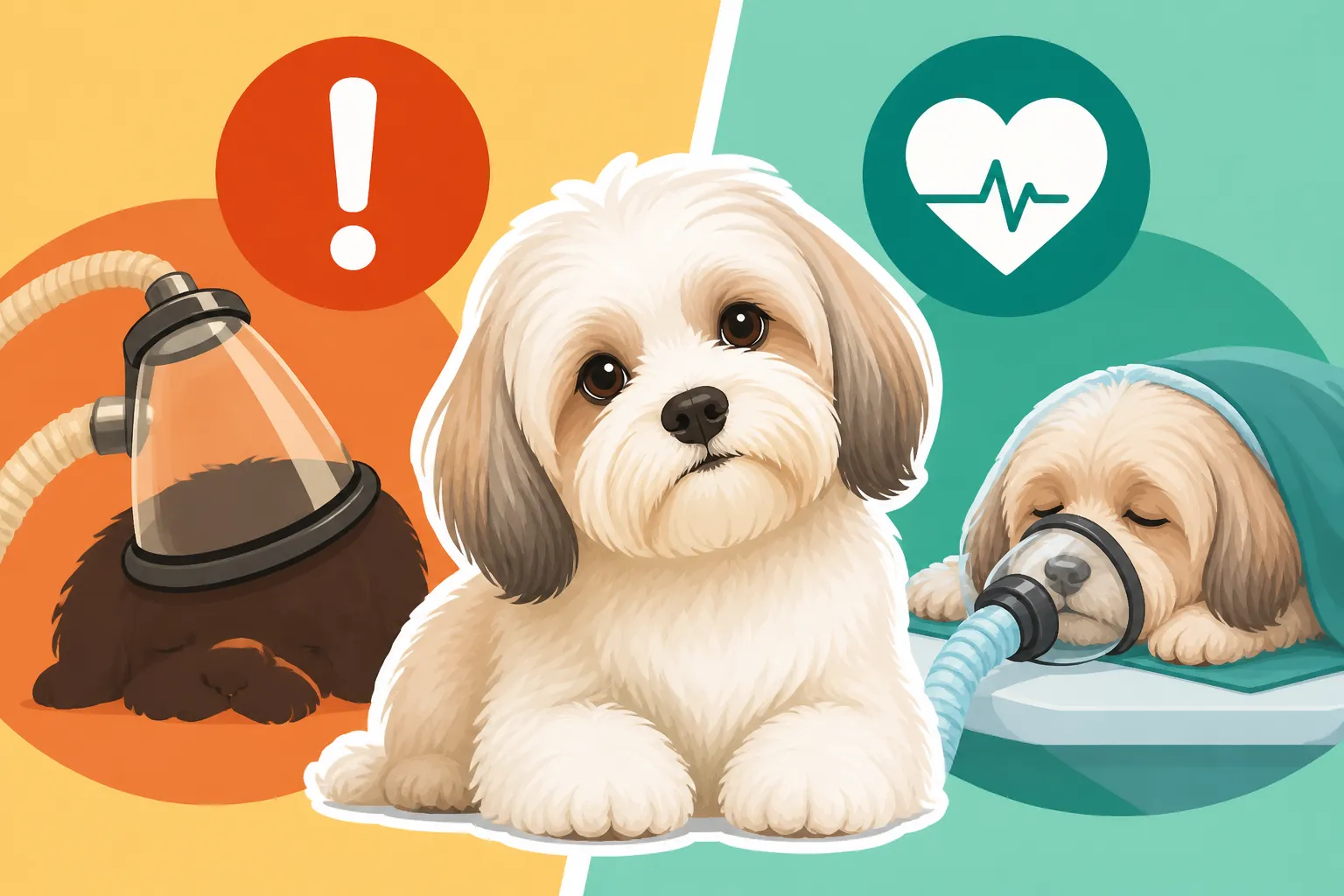
Modern veterinary anesthesia often utilizes a "balanced anesthesia" approach. This means using a combination of drugs—sedatives, analgesics (painkillers), and inhalant anesthetics—to achieve the desired effect. This allows veterinarians to use lower doses of each drug, minimizing side effects and improving safety, especially for a sensitive system like a Havanese.
For instance, your vet might use an injectable sedative to help your Havanese relax before anesthesia, then intubate them (place a breathing tube) and maintain anesthesia with an inhalant gas like isoflurane or sevoflurane, which are quickly reversible. They’ll also administer pain medication specific to the procedure. This tailored approach is crucial for dogs of all sizes, but particularly for small breeds where every drug choice has a magnified impact.
The Role of Pet Insurance in Anesthetic Procedures
While we never want to think about complications, they can occasionally arise, and getting your Havanese the best care can be costly. This is where pet insurance, like plans offered by Healthy Paws, can be a real lifeline. Insurance doesn't prevent risks, of course, but it can significantly reduce the financial stress if your Havanese needs advanced monitoring, specialist consultations, or extended post-operative care due to an unforeseen complication during or after anesthesia.
Many Healthy Paws policies cover unexpected illnesses and accidents, which would include complications arising from a necessary medical procedure. Knowing that you have that financial buffer can allow you to make decisions based purely on what's best for your Havanese's health, rather than being constrained by budget. Investing in a good pet insurance plan early, especially for a breed with predispositions to conditions that may require surgery later in life, can offer immense peace of mind. Discussing your options with providers like Healthy Paws is a smart move for any Havanese owner.
| Anesthetic Risk for Havanese | Mitigation Strategy (Vet Actions) | Owner Actions |
|---|---|---|
| Hypothermia (Low Body Temp) | Heated surgical tables, warm IV fluids, Bair Hugger blankets, blankets during recovery. | Keep dog warm and quiet at home, provide cozy bed. |
| Dosage Sensitivity | Precise weight measurement, balanced anesthesia (multi-drug protocol), drug selection based on health profile. | Provide accurate weight, disclose all health history and medications. |
| Hypoglycemia (Low Blood Sugar) | Shorter fasting times, blood glucose monitoring, dextrose in IV fluids if needed. | Follow fasting instructions exactly, ensure no accidental food intake. |
| Cardiovascular Issues | Pre-anesthetic ECG, blood pressure monitoring, echocardiogram if murmur present. | Disclose history of heart murmurs, arrange recommended cardiac workups. |
| Respiratory Depression | Pulse oximetry, capnography, intubation, ventilator support if needed. | Ensure dog is calm before vet visit, avoid heavy exercise before procedure. |
| Pain | Multi-modal pain management (pre-emptive, during, post-op), local blocks. | Administer all prescribed pain medication at home, observe for discomfort. |
| Organ Dysfunction | Comprehensive pre-anesthetic bloodwork (liver/kidney function). | Ensure bloodwork is done, provide complete medical history. |
Ultimately, anesthesia for a small Havanese isn't inherently "riskier" if all the proper protocols are in place and followed meticulously. It requires extra vigilance and specialized care, but with modern veterinary advancements and a dedicated team, your little companion can safely undergo necessary procedures and return home to you, tail wagging.
Disclaimer
The information provided in this article is for general informational purposes only and is not intended as a substitute for professional veterinary advice. Always consult with a qualified veterinarian for any health concerns or before making any decisions related to your Havanese's health and treatment.