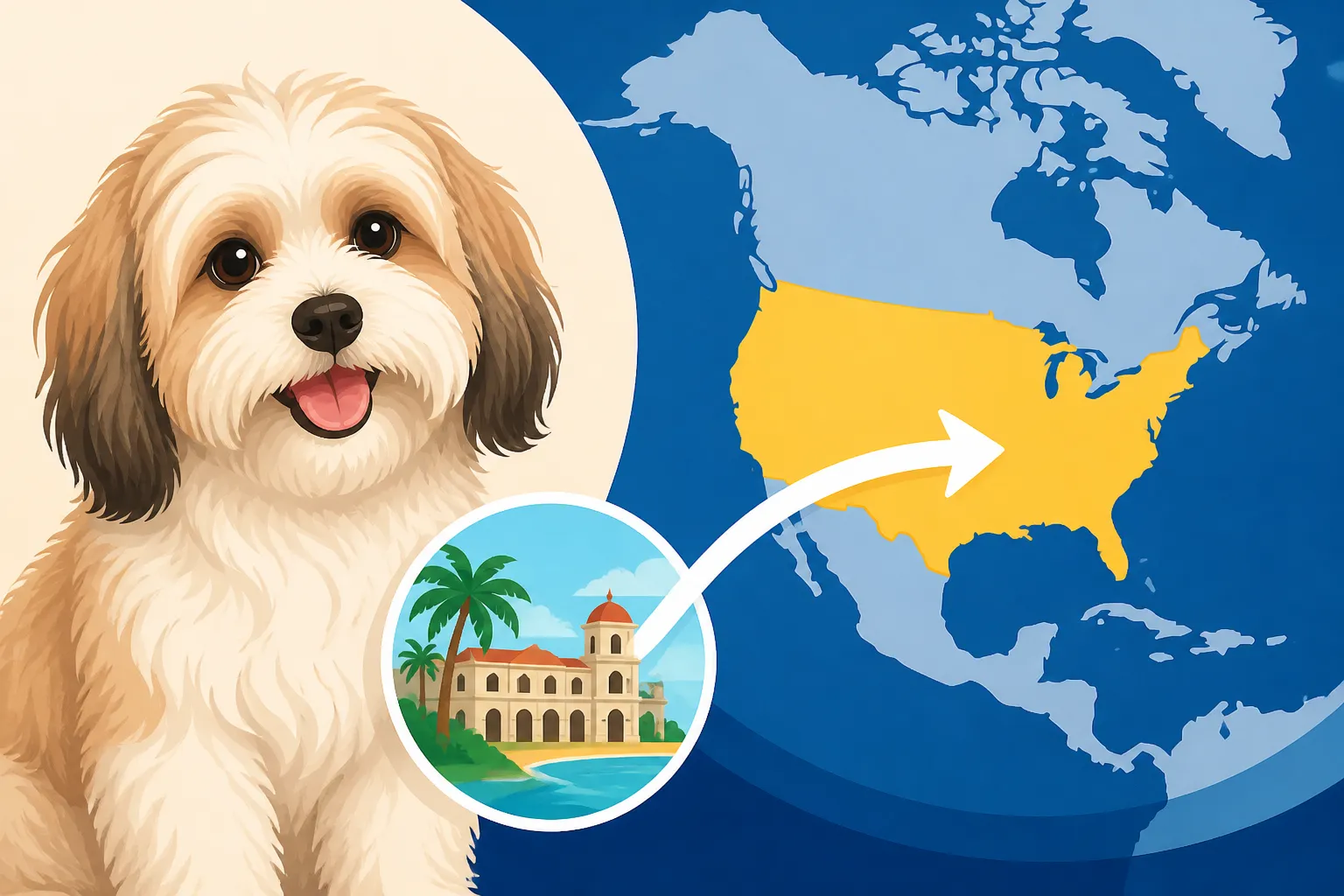
How Many Havanese Reached the United States
It’s a heartbreaking reality that sometimes, in times of crisis, beloved pets are among the hardest things to safeguard and transport. For Havanese lovers, the story of how our charming "Velcro dogs" made their way to American shores from their native Cuba is one steeped in both sorrow and incredible dedication. Many people wonder just how many of these precious little dogs actually survived the Cuban Revolution and managed to find new homes in the United States, ultimately becoming the foundation for the thriving breed we cherish today. This guide will take you through that compelling journey, from political upheaval to passionate preservation.
The Exodus and the Scarcity of Surviving Havanese
The Havanese breed, a true gem and the national dog of Cuba, found itself in a precarious position with the onset of the Cuban Revolution in the late 1950s. Before the revolution, the Havanese were a treasured companion of Cuban aristocracy and wealthy families, often seen as a status symbol and a beloved member of the household. They were often referred to as the "Havana Silk Dog" due to their luxurious, flowing coats, a testament to their pampered lives.
When Fidel Castro’s communist regime took power in 1959, the lives of these families, and their dogs, were irrevocably changed. Many aristocratic and affluent Cuban families fled the island, seeking refuge and a new start, primarily in the United States. In the chaotic scramble to leave, often with very little time or opportunity to plan, bringing family pets was an immense challenge. Imagine the emotional turmoil: having to quickly decide what few possessions could accompany you, knowing you might never return. For many, simply getting their human family members to safety was the primary, all-consuming focus. The logistical nightmares of international travel with pets – paperwork, quarantines, the sheer cost, and the emotional toll on the animals themselves – were often insurmountable obstacles.
Some families, out of sheer love and determination, did manage to bring their Havanese with them. These dogs were often smuggled, hidden, or brought through arduous journeys, a testament to the deep bond between the Cuban people and their canine companions. However, these instances were the exception, not the rule. The vast majority of Havanese were left behind on the island, some perishing, others blending into the general street dog population, their purebred lineage slowly diluted. The breed was on the brink of extinction. It's a sobering thought, isn't it? That a breed so full of life and joy could come so close to vanishing. The initial trickle of Havanese arriving in the US was not a planned emigration; it was a desperate flight, and the numbers were incredibly, tragically small.
Dorothy Goodale’s Tireless Quest to Rebuild the Breed
Against this backdrop of near extinction, a remarkable story of dedication unfolded, primarily thanks to one woman: Dorothy Goodale. In the early 1970s, many years after the initial wave of Cuban refugees, Dorothy Goodale and her husband, Burt, embarked on a mission that would save the Havanese breed in the United States. They had fallen in love with these charming dogs and realized that while a few Havanese had made it to American soil, their numbers were critically low, and their existence largely unknown outside of the Cuban exile community.
Dorothy Goodale understood that for the breed to survive and thrive, she needed to locate as many purebred Havanese descendants as possible. This was no easy task. It involved placing advertisements in newspapers, tirelessly following leads, and often knocking on doors in Cuban-American communities, particularly in Florida. She sought out families who had brought their dogs with them during the exodus or those who knew of others who had. These were not established breeders she was contacting; these were families who had cherished their pets through immense hardship, often unaware of the historical significance their individual dog held for the future of the entire breed.
Her efforts were akin to a genealogical detective, painstakingly tracking down these canine refugees. Each dog she found was a triumph, a tiny beacon of hope for the Havanese breed. Many of these dogs were living as beloved family pets, having perhaps never met another Havanese in their new homeland. Goodale’s passion was to bring these scattered lineages together, not just to breed them, but to establish a robust and healthy foundation for generations to come. This dedicated pursuit over several years became the cornerstone of the Havanese breed's re-establishment, ensuring that the legacy of The Havanese Is the Only Breed Cuba Ever Produced would continue.
The Founding Stock: A Handful of Paws That Started It All
The outcome of Dorothy Goodale's relentless search was both inspiring and stark: she managed to identify a very small number of Havanese dogs in the United States that could be confirmed as purebred and formed the genetic basis for the American Havanese population. While various accounts might differ slightly on exact figures, the widely accepted number of primary foundational dogs is incredibly small, often cited as around 11 to 12 individuals.
Think about that for a moment. An entire breed, known for its vibrance and diverse personalities, descends from a group of dogs that could fit into a single small van. This incredibly narrow genetic bottleneck means that every single Havanese you encounter in the United States today, and indeed much of the world, can trace its ancestry back to these few brave canine immigrants. Whether Every American Havanese Shares a Few Ancestors is not just a rhetorical question; it's a genetic fact born from this unique history.
This small gene pool presented significant challenges and required incredibly careful breeding strategies. When a population shrinks to such a degree, the risk of genetic issues can become pronounced. The goal for early breeders was not just to increase numbers, but to meticulously plan pairings to maximize genetic diversity within the existing limited stock, aiming to avoid concentrating undesirable traits while preserving the beloved Havanese characteristics. It was a delicate balance of careful record-keeping, health screening, and a deep understanding of canine genetics. Breeders understood they were stewards of a precious heritage.
Establishing the Breed and Beyond: A Legacy of Preservation
From those initial dozen or so Havanese, the breed began its slow, deliberate climb back from the brink. Dorothy Goodale and other dedicated enthusiasts formed the Havanese Club of America, establishing a breed standard to guide future breeding efforts and ensure the unique characteristics of the Havanese were preserved. This included defining everything from their distinctive silky double coat to their lively "springy gait" and their innate intelligence.
The focus shifted from simply finding Havanese to thoughtfully breeding them, emphasizing health, temperament, and adherence to the breed standard. This was not about mass production; it was about quality and the careful expansion of a limited gene pool. Each litter was a step forward, and each puppy a testament to the dedication of those early pioneers.
| Era/Event | Approximate Number of Havanese Arriving in US | Key Impact |
|---|---|---|
| Pre-1959 Cuban Aristocracy | Undetermined (High on island) | Flourishing in Cuba, but no established breed in US |
| Post-1959 Cuban Revolution | Very few (Estimated dozens at most) | Smuggled or brought by refugees; scattered, unrecorded |
| 1970s Dorothy Goodale Quest | ~11-12 Foundational Dogs | Identified and acquired to form the official American breeding stock |
| Early Breeding Programs | Gradually increasing | Careful expansion, focus on health, temperament, and breed type |
| AKC Recognition (1990s) | Growing | Increased popularity, broader awareness, but still a relatively rare breed |
| Today | Thousands registered annually | Thriving, beloved companion breed across the US and worldwide |
The journey from a handful of refugee dogs to a recognized and cherished breed by organizations like the American Kennel Club (AKC) in the early 1990s is a remarkable testament to human passion and the resilience of the Havanese spirit. While the breed's initial population in the US was incredibly small, the rigorous and ethical breeding practices employed by its early advocates ensured that the Havanese not only survived but flourished. Today, the Havanese stands as a vibrant and beloved companion, a living legacy of those few courageous dogs and the people who fought so hard to save them. The breed continues to thrive, but its unique history serves as a constant reminder of the importance of responsible breeding and the preciousness of every single dog in its lineage.
Disclaimer
This article is for general informational purposes only and does not constitute professional advice. Laws, prices and regulations vary by location and change over time. Consult a qualified professional for guidance on your specific situation.