Dorothy Goodale and the Rebuilding of the Havanese
The story of the Havanese breed is one of remarkable resilience, a tale of survival against incredible odds that almost saw this charming Cuban native vanish forever. For anyone who cherishes their fluffy companion today, it's hard to imagine a time when the Havanese was on the brink of extinction. This guide will delve into the extraordinary efforts of Dorothy Goodale, whose unwavering dedication single-handedly saved the Havanese and set the stage for the beloved breed we know today.
The Brink of Extinction: The Havanese Post-Revolution
The Havanese, with its distinct silky coat and vivacious personality, had a long and cherished history in Cuba, particularly among the aristocracy and well-to-do families. They were more than just pets; they were living treasures, symbols of status, and constant companions in a vibrant, social culture. However, political upheaval dramatically altered their fate, pushing them to the very edge of disappearing from the world.
A World Turned Upside Down in Cuba
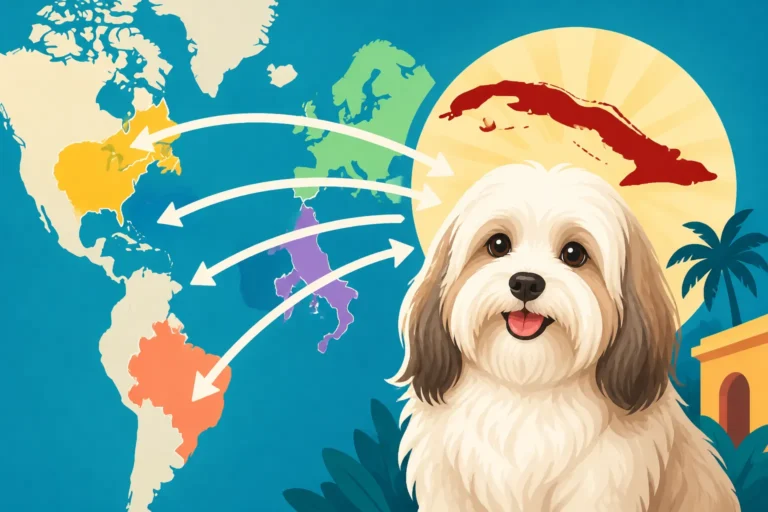
The Cuban Revolution, which culminated in the late 1950s, brought profound changes to the island nation. Society was restructured, and many affluent families, fearing for their lives and livelihoods, fled Cuba, often with little more than the clothes on their backs. Amidst this chaos, the fate of their beloved Havanese dogs hung in the balance. Many were left behind, others were abandoned, and only a fortunate few managed to escape with their human companions. It was a harrowing time, and the breed, once a symbol of leisurely Cuban life, suddenly faced an uncertain future in a rapidly changing world. The cultural fabric that had sustained the Havanese for centuries was torn apart.
The dogs that remained on the island faced incredibly difficult circumstances. Without the dedicated care and selective breeding of their former owners, the purebred Havanese population dwindled rapidly. Cross-breeding with local street dogs became common, further diluting the distinct characteristics that made the Havanese unique. It's truly heartbreaking to think of a breed that had such a rich heritage, The Havanese Is the Only Breed Cuba Ever Produced, facing such a dramatic decline. The very essence of the breed was at risk of being lost forever, not just in terms of numbers, but also in its genetic purity and defining traits.
The Few Who Fled with Their Canine Companions
In the midst of the mass exodus from Cuba, a small number of families, despite the incredible risks and difficulties, managed to bring their Havanese dogs with them. These were not easy journeys; travel was often fraught with danger, and the welfare of pets was understandably not a primary concern for authorities. Yet, the deep bond between these families and their dogs meant that these precious Havanese were often considered family members, worth every extra effort and sacrifice. They became literal refugees, carrying the hopes of an entire breed on their small, often trembling paws.
These dogs, though few in number, became the critical lifeline for the entire breed. Without them, the Havanese would almost certainly have vanished. How Many Havanese Reached the United States is a question with a truly sobering answer, as the numbers were incredibly small – a mere handful of individuals from which an entire population would eventually descend. These foundational dogs, scattered across different American households, held the last vestiges of the original Cuban Havanese genetics, unknowingly carrying the torch for future generations. Their existence, against all odds, proved to be the spark needed for the breed's eventual rebirth.
Scattered and Unrecognized in the New World
Once these refugee families settled in their new homes, primarily in the United States, their Havanese dogs were, for the most part, simply beloved family pets. They weren't part of any recognized breed registry, nor were they actively sought after by breeders or enthusiasts. The concept of "the Havanese" as a distinct breed was largely unknown outside of the Cuban-American community. They existed in quiet anonymity, their unique heritage understood by only a few. This lack of recognition meant there was no organized effort to preserve or propagate the breed, leaving its future entirely dependent on chance encounters and individual passion.
Imagine having one of these rare treasures in your home, completely unaware that your pet represented a vanishing legacy. The challenges were immense: without a formal breed club, shared knowledge, or a registry, there was no way to track bloodlines, ensure genetic diversity, or even properly identify true Havanese from similar-looking small dogs. This period truly highlights The Refugee Dogs Every American Havanese Descends From, underscoring the incredibly narrow genetic bottleneck the breed faced. It was a precarious situation, and if not for the intervention of a dedicated individual, these beautiful dogs might have remained charming, but ultimately unacknowledged, footnotes in canine history.
Dorothy Goodale: A Passion Ignites
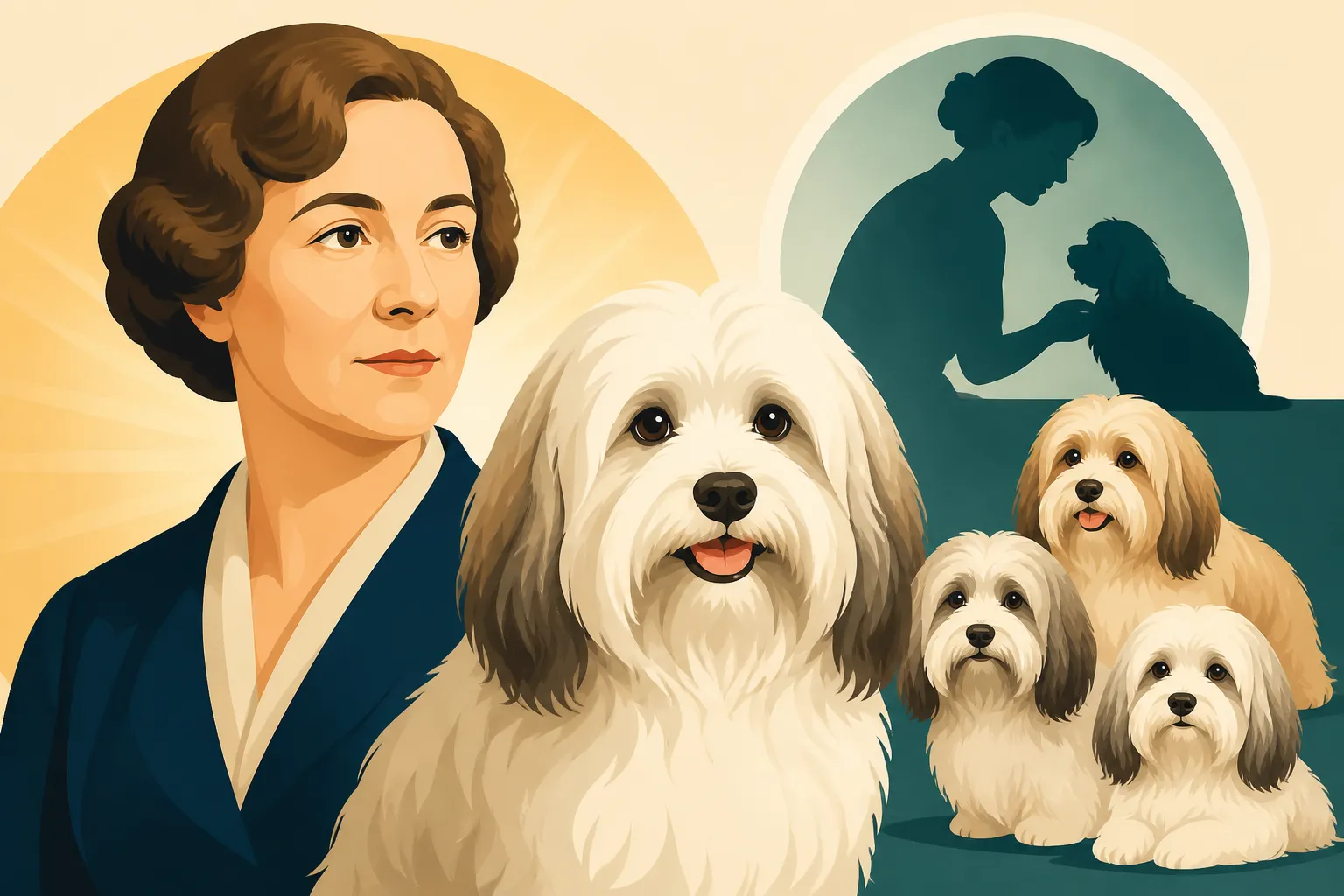
Amidst this backdrop of quiet near-extinction, a woman named Dorothy Goodale entered the scene. Her story is one of serendipity, a deep love for dogs, and an unyielding determination that would ultimately redefine the destiny of the Havanese breed. She wasn't born into Cuban aristocracy, nor was she initially an expert in rare dog breeds; she was simply someone who fell deeply in love with a charming little dog.
Discovering the Charm of the Havanese
Dorothy Goodale first encountered the Havanese not through a grand search, but through a fortunate accident of circumstance. She had a keen interest in purebred dogs, but it was the unique appeal of this particular small, long-haired companion that captured her heart. These were not dogs she'd seen in mainstream dog shows or widely advertised. Her initial encounters might have been with a friend's pet or a chance sighting that sparked her curiosity. She saw in them not just pretty faces, but intelligent, affectionate, and resilient spirits.
What truly set the Havanese apart for Dorothy was their captivating personality. They possessed an undeniable zest for life, a playful intelligence, and a deeply loyal nature that made them exceptional companions. She was drawn to their elegant movement, their expressive eyes, and that unmistakable silky coat that whispered of their exotic origins. This initial attraction wasn't just aesthetic; it was a profound connection to a breed that seemed to possess a magical quality. She wasn't just looking for a pet; she was looking for something special, and in the Havanese, she found it. This deep personal appreciation was the vital first step in saving the breed.
The Realization of Their Rarity
As Dorothy Goodale delved deeper into the world of these enchanting dogs, she began to realize the shocking truth: the Havanese were incredibly rare. It wasn't just that they weren't well-known; they were almost non-existent in the organized dog world. Attempts to find more of them, to understand their lineage, or to connect with other owners proved incredibly difficult. This wasn't like researching a popular breed where information and breeders were readily available; it was like searching for a ghost. Her initial joy in discovering the breed soon mixed with a profound sense of alarm.
She understood that this wasn't just a matter of obscure lineage; it was a crisis. The sheer scarcity of these dogs meant they were teetering on the edge of permanent disappearance. How the Havanese Nearly Died Out After 1959 became a stark reality she confronted. She recognized that if no one stepped forward to actively preserve them, these beautiful animals, with their rich history and delightful temperament, would become nothing more than a memory. This realization transformed her personal interest into a serious mission, a commitment to ensure the survival of this unique breed. The weight of this responsibility rested heavily on her shoulders, but it also fueled her determination.
The Vision for a Future
With the stark reality of the Havanese's precarious situation firmly in mind, Dorothy Goodale didn't just lament their potential loss; she formulated a bold vision for their future. Her goal was not simply to find more Havanese, but to actively rebuild the breed, to ensure its genetic health, its proper recognition, and its enduring presence for generations to come. This was a monumental undertaking, requiring not just passion, but also meticulous planning, extensive outreach, and an incredible amount of perseverance. She understood that this wouldn't be a quick fix but a long-term commitment.
Her vision encompassed several key pillars: identifying and acquiring as many purebred Havanese as possible, establishing a formal breed standard, creating a registry to track their lineage, and ultimately, gaining recognition from major kennel clubs. She envisioned a world where Havanese dogs were not just cherished pets in a few homes, but a thriving, well-managed breed enjoyed by many. She knew this would mean convincing others of the breed's worth and coordinating efforts across various individuals who might hold pieces of the Havanese puzzle. It was a daunting task, but Dorothy Goodale was undeterred by the immense challenges that lay ahead.
The Search for Survivors: Goodale's Quest
Once her vision crystallized, Dorothy Goodale embarked on what can only be described as a canine archaeological expedition. Her quest was to find the scattered remnants of the Havanese breed, to piece together the living puzzle that would form the foundation of its future. This was a deeply personal and often challenging journey, requiring immense dedication and a keen eye for detail.
Reaching Out to the Cuban-American Community
Dorothy Goodale quickly understood that the most likely place to find surviving Havanese was within the Cuban-American communities, especially in Florida. These were the families who had fled Cuba and brought their beloved pets with them, clinging to them as tangible links to their past lives. However, simply knowing where to look was only the first step. She needed to gain their trust, explain her mission, and convince them to participate in her ambitious endeavor. This often meant navigating cultural sensitivities and a community still reeling from the trauma of displacement.
Her approach was empathetic and respectful. She placed advertisements, contacted community leaders, and networked tirelessly, patiently explaining her goal: to preserve a piece of Cuban heritage that these dogs represented. She emphasized that she wasn't looking to take their beloved pets away but to identify them, understand their lineage, and ensure the continuation of their unique breed. It was a slow, painstaking process of building relationships, one family and one Havanese at a time. The response, while initially cautious, eventually yielded results, as families began to understand the significance of their pets to a broader historical and genetic legacy.
The Challenges of Finding Purebreds
Even within the Cuban-American community, identifying truly purebred Havanese was a significant hurdle. Without formal pedigrees or established breed standards, it was difficult to differentiate between genuine Havanese and dogs that might have been cross-bred over the years. Many families simply called their beloved companion a "Havanese" or "Havana Silk Dog" without any formal documentation to back it up. This meant Dorothy had to develop a discerning eye and rely on her growing knowledge of the breed's physical characteristics and temperament. It was a true detective mission, involving careful observation, detailed questioning, and a touch of intuition.
She meticulously examined each potential Havanese, looking for specific traits: the unique texture of their coat, the characteristic ear set, the springy gait, and their distinctive temperament. It was a process of elimination, often requiring multiple visits and consultations. What Papers Prove About a Havanese wasn't a question that could be easily answered in this context, as formal papers simply didn't exist for many of these dogs. She had to become the authority, the one who could discern the authentic Havanese from the charming look-alikes. This painstaking effort ensured that the foundation stock would be as true to the original Cuban Havanese as possible, a critical step for the breed's long-term integrity.
Establishing a Foundation Stock
After months, and possibly years, of dedicated searching, Dorothy Goodale managed to identify and acquire a small number of Havanese dogs that she believed represented the truest examples of the breed. This select group, a mere handful of individuals, would become the foundation stock for the modern Havanese. It was a fragile beginning, a true genetic bottleneck from which all future Havanese in North America would descend. This meant that every single dog in this group held immense genetic value and responsibility.
The challenge wasn't just finding them; it was carefully managing their breeding to ensure genetic health and diversity, albeit within a very limited pool. This small group of dogs, The Refugee Dogs Every American Havanese Descends From, were the literal progenitors of a revived breed. Their health, temperaments, and physical characteristics would shape the Havanese for decades to come. Dorothy Goodale understood the gravity of this responsibility, ensuring that each breeding decision was made with the utmost care and foresight, prioritizing the long-term well-being of the breed above all else. This initial group was the seed from which an entire forest would eventually grow.
Establishing a Standard: Defining the Modern Havanese
With a small but precious foundation stock in hand, the next monumental task was to establish a clear and concise breed standard. Without a definitive description of what a Havanese should look like and how it should behave, the breed risked becoming an inconsistent mix of traits, losing its unique identity. This standard would be the blueprint for all future breeding and judging.
Documenting Characteristics and Temperament
Dorothy Goodale, along with a growing number of early enthusiasts, began the painstaking process of documenting the physical characteristics and temperament that defined the Havanese. This wasn't just about personal preference; it was about carefully observing the foundational dogs, consulting with their former Cuban owners where possible, and understanding the historical context of the breed. They looked at everything: the shape of the head, the set of the ears, the texture and length of the coat, the color variations, the tail carriage, and, crucially, the way the dog moved.
Beyond physical appearance, temperament was equally vital. The Havanese was known as a cheerful, intelligent, and affectionate companion, often described as a "velcro dog" due to its desire to be close to its human family. These behavioral traits were integral to the breed's identity and needed to be preserved. They outlined characteristics like their trainability – Why the Havanese Learns Tricks Faster Than Most Toys – and their suitability as family pets. This comprehensive documentation became the foundation of the official breed standard, a written guide that would ensure consistency and preserve the essence of the Havanese for generations.
The Importance of Health Screening
From the very beginning of the rebuilding effort, Dorothy Goodale understood that health was paramount. It wasn't enough to simply propagate the breed; the new generations needed to be healthy and robust. Given the extremely narrow genetic base, the potential for inherited health issues was a serious concern. This foresight led to an early emphasis on health screening for all breeding dogs, a practice that was not always common in the dog world at the time. This commitment to health was a testament to her dedication to the long-term well-being of the Havanese.
Breeders were encouraged, and eventually required, to screen their dogs for known or suspected genetic conditions common in toy breeds. This included evaluations for eye diseases, patellar luxation (slipping kneecaps), and cardiac issues. While the understanding of canine genetics has advanced significantly, those early efforts laid the groundwork for responsible breeding. Whether a Havanese Breeder Should Show CHIC Numbers became an important question for prospective puppy buyers, highlighting the value of comprehensive health testing. It ensured that puppies born into the revived breed had the best possible start, reducing the burden of preventable health problems for future owners.
The Role of Early Breed Clubs
To formalize these efforts and provide a cohesive structure for the breed's future, the formation of breed clubs was essential. These organizations would serve as central hubs for information, support, and governance for the nascent Havanese community. Dorothy Goodale was instrumental in founding and leading these early clubs, bringing together the disparate individuals who shared her passion. These clubs were not just social gatherings; they were working groups dedicated to the monumental task of breed reconstruction.
The breed clubs took on critical responsibilities: maintaining a registry of purebred Havanese, developing and refining the breed standard, educating breeders on best practices, and promoting the breed to the wider public. They also organized events like specialty shows, allowing enthusiasts to showcase their dogs and celebrate their shared love for the Havanese. These clubs were the driving force behind the breed's journey toward official recognition, eventually leading to milestones like The Year the AKC Recognized the Havanese. They fostered a sense of community and collective purpose, ensuring that Dorothy Goodale's vision could be carried forward by many dedicated hands.
Building a Community: The Havanese Club of America
The successful revival of a breed is never a one-person job. It requires a dedicated community, united by a shared passion and a common goal. Dorothy Goodale understood this implicitly, and a significant part of her legacy lies in her ability to galvanize and guide the formation of the Havanese Club of America (HCA), an organization that remains vital to the breed today.
Fostering a Network of Enthusiasts
From the sparse beginnings of a few scattered Havanese owners, Dorothy Goodale worked tirelessly to create a cohesive network of enthusiasts. This involved extensive correspondence, phone calls, and, as the community grew, organized meetings and events. She brought together people from various backgrounds, all united by their admiration for this unique Cuban dog. Many of these early enthusiasts were Cuban-Americans who cherished the breed as a link to their heritage, alongside American dog lovers who were captivated by its charm.
This burgeoning network was crucial for information sharing. Breeders could discuss lineage, health concerns, and best practices. Owners could share their experiences and seek advice. This sense of camaraderie was invaluable, especially during a time when the breed was still relatively unknown and resources were scarce. It provided a support system, allowing individuals to feel part of something larger than themselves. Through the HCA, Dorothy helped to lay the social and collaborative foundation for the breed's continued growth, ensuring that knowledge and passion could flow freely amongst those dedicated to the Havanese.
Educating New Owners and Breeders
A critical aspect of rebuilding the Havanese breed was education. As the breed slowly gained traction and more people became interested, there was a great need to inform both prospective owners and new breeders about the breed's unique needs, characteristics, and history. Dorothy Goodale and the HCA took on this responsibility with earnestness, creating resources and offering guidance to ensure the breed was understood and properly cared for. This wasn't just about selling puppies; it was about ensuring responsible ownership and breeding.
Educational efforts covered everything from proper grooming techniques for their distinctive silky coats – The Silky Double Coat a Havanese Grows to the Floor – to understanding their active and intelligent personalities, emphasizing their need for mental stimulation and companionship. For breeders, the focus was on ethics, genetic diversity, and health screening protocols. They stressed the importance of selecting breeding pairs carefully to maintain the breed standard and minimize inherited health issues. This commitment to education prevented common pitfalls and fostered a knowledgeable community dedicated to the Havanese's welfare.
Promoting Responsible Breeding Practices
The Havanese Club of America, under Dorothy Goodale's influence, became a strong advocate for responsible breeding practices. Given the narrow genetic pool from which the modern Havanese originated, vigilance against inbreeding and the propagation of genetic diseases was absolutely essential. This meant establishing clear guidelines and encouraging transparency among breeders. It wasn't about rapid proliferation, but careful, thoughtful expansion.
The club promoted health certifications and ethical breeding standards, advising on topics like proper temperament assessment and the importance of finding reputable homes for puppies. They discouraged practices that could compromise the breed's integrity, such as breeding too frequently or without proper health clearances. Whether an Untested Havanese Litter Is Worth Buying was a question the HCA indirectly answered through its strong emphasis on health testing. This proactive approach safeguarded the future of the Havanese, ensuring that its popularity would not come at the expense of its health or quality, a testament to Goodale's long-term vision for the breed. If an owner needed to provide their Havanese with high-quality supplies, they could look to resources like Chewy for a wide selection of appropriate food, grooming tools, and enrichment toys.
Preserving the Legacy: Challenges and Triumphs
The journey from near-extinction to widespread popularity was not without its bumps. Even after the initial success of finding foundation dogs and establishing a club, significant challenges remained in ensuring the long-term health and vitality of the Havanese breed. Dorothy Goodale's work continued to guide efforts in navigating these complexities.
Navigating a Narrow Gene Pool
One of the most persistent challenges for the Havanese breed, stemming directly from its small foundational stock, has been navigating a narrow gene pool. This means that all modern Havanese in North America trace their ancestry back to a very limited number of dogs. While these dogs were carefully selected for health and type, a small gene pool inherently carries risks, primarily a higher likelihood of inherited genetic conditions and a potential lack of genetic vigor. Whether the Havanese Gene Pool Is Narrow is a question that continues to concern dedicated breeders and health-conscious owners.
Breeders, guided by the HCA's principles, have had to work diligently to manage this. This involves extensive research into pedigrees, careful selection of breeding pairs to avoid excessive inbreeding, and a commitment to health testing to identify and ideally eliminate carriers of undesirable traits. It's a delicate balance, trying to preserve the defining characteristics of the breed while simultaneously striving to broaden genetic diversity as much as responsibly possible. It's a continuous, thoughtful effort that requires deep understanding of genetics and a long-term perspective.
The Importance of Diverse Bloodlines
To counteract the effects of a limited gene pool, the concept of diversifying bloodlines became a crucial strategy. This isn't about introducing other breeds, but about carefully seeking out Havanese from different lineages, sometimes even from European countries, where the foundational stock might have had slightly different origins or been managed with different breeding strategies. The goal is to bring in fresh genetic material while staying true to the established breed standard. This could involve importing dogs or semen from outside the primary North American lines.
These efforts are vital for enhancing genetic health and maintaining the vitality of the breed over time. A healthy gene pool is a resilient one, better able to withstand environmental pressures and resist the proliferation of specific genetic diseases. It helps to ensure that Havanese puppies, whether they grow up to be What an Adult Havanese Weighs or a slightly smaller individual, have the best possible chance at a long, healthy life. Responsible breeders tirelessly study pedigrees, aiming to introduce compatible, unrelated lines where appropriate, all while preserving the beloved Havanese type that Dorothy Goodale worked so hard to establish.
The Havanese in the Show Ring and Beyond
As the Havanese breed grew in numbers and recognition, its presence in the show ring became a significant triumph. Winning accolades in conformation events not only validated the efforts of breeders in maintaining the breed standard but also brought increased visibility and popularity to the Havanese. These elegant dogs, with their flowing coats and spirited gait, captured the hearts of judges and spectators alike, demonstrating their true beauty and adherence to the vision of their founders.
Beyond the glitz of the show ring, the Havanese has also triumphed in its role as a beloved family companion, excelling in various canine activities. They are intelligent and eager to please, making them fantastic candidates for obedience, rally, and even agility. Many Havanese also become cherished therapy dogs, bringing joy and comfort to people in hospitals and nursing homes. This versatility showcases the well-rounded temperament and adaptability that Dorothy Goodale sought to preserve. Whether curled on a lap or dazzling in an arena, the Havanese today is a testament to the perseverance and dedication that brought it back from the brink. You can find excellent quality toys for all these activities, from tug ropes to puzzle feeders, at retailers like Chewy.
The Lasting Impact of Dorothy Goodale
Dorothy Goodale's journey with the Havanese was more than just a hobby; it was a profound commitment that shaped the destiny of an entire breed. Her vision and tireless efforts laid the groundwork for the Havanese we know and love today, ensuring that its unique charm would not be lost to history. Her impact reverberates through every Havanese pedigree, every happy wagging tail, and every joyful family photo.
A Breed Reborn Through Dedication
Without Dorothy Goodale's unwavering dedication, it is highly probable that the Havanese breed, as a distinct and recognized entity, would no longer exist. She didn't just stumble upon a few dogs; she actively sought them out, researched their history, and then meticulously organized the efforts required for their survival and growth. This was a monumental task that demanded countless hours, significant personal expense, and an incredible depth of commitment. She became the guardian angel of the Havanese, ensuring their legacy would continue.
Her work involved a rare combination of passion, foresight, and practical execution. She had the vision to see the potential in a handful of scattered dogs and the drive to make that potential a reality. From establishing the first lines of communication among owners to spearheading the formation of the Havanese Club of America, her fingerprints are on every aspect of the breed's rebirth. The vibrant Havanese population thriving today is a direct result of her singular, extraordinary dedication, truly making her the mother of the modern Havanese.
Her Enduring Influence on the Havanese Community
Dorothy Goodale's influence extends far beyond the initial rescue and rebuilding phase; her principles and philosophies continue to guide the Havanese community. The emphasis on health testing, careful breeding practices, and the preservation of the breed's unique temperament and physical characteristics are all direct legacies of her work. She instilled a strong sense of responsibility within the nascent Havanese community, teaching them the importance of being stewards of this precious breed.
Even today, responsible Havanese breeders and owners uphold the standards she helped to establish. Her emphasis on integrity and ethical practices set a high bar for everyone involved with the breed. Discussions about Whether a Havanese From a Small Gene Pool Is Riskier or the best practices for new owners often hark back to the foundational principles she championed. Her spirit of dedication, careful planning, and deep love for the Havanese remains a guiding light, shaping how the breed is managed, promoted, and cherished by countless enthusiasts worldwide. Any Havanese owner looking for the best products to care for their beloved pet, from specialized grooming tools to breed-appropriate kibble, will find a wealth of options on platforms like Chewy, a testament to how far the breed's community has grown and how specialized their care has become.
The Joy Her Work Brought to Families
Perhaps the most profound and heartwarming impact of Dorothy Goodale's work is the immense joy that Havanese dogs bring to countless families around the globe. Because of her efforts, thousands of people have been able to experience the unique companionship of this delightful breed. The Havanese, once on the verge of disappearing, now lights up homes with its playful antics, loving nature, and unwavering devotion. From being a quiet presence in a few refugee homes, they have become cherished family members for many.
Think of the senior couple whose Havanese is a constant source of comfort, the child who giggles at their puppy's playful pounces, or the individual who finds solace in their dog's quiet presence. These are the everyday triumphs that underscore the true value of Dorothy Goodale's incredible undertaking. Every Havanese that graces a home today is a living testament to her vision and perseverance. Her legacy is not just in kennel club registrations or show ring ribbons, but in the countless moments of happiness, companionship, and unconditional love that these wonderful dogs provide. For anyone wondering Whether a Havanese Suits a First Time Owner, the answer is often a resounding yes, thanks in no small part to the stable and beloved breed Goodale helped create.
Disclaimer
This article is for general informational purposes only and does not constitute professional advice. Laws, prices and regulations vary by location and change over time. Consult a qualified professional for guidance on your specific situation.