Signs a Havanese Has Separation Anxiety
Havanese separation anxiety signs include persistent barking, howling, and distress when left alone without human companionship.
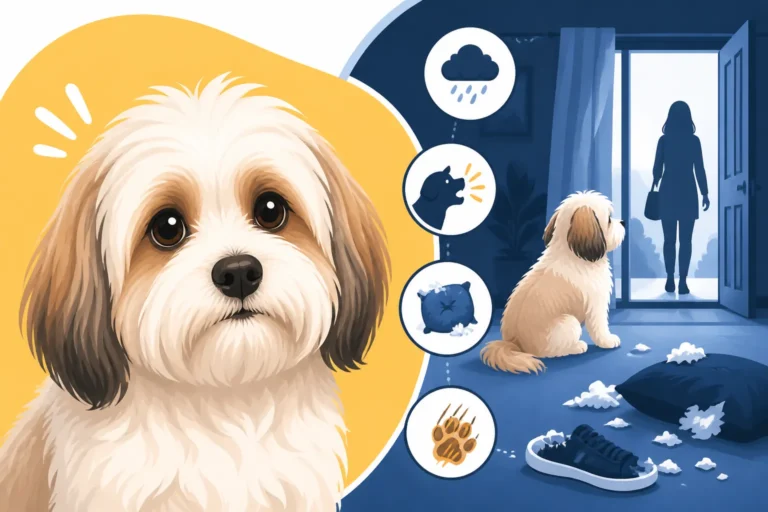
Havanese separation anxiety signs include persistent barking, howling, and distress when left alone without human companionship.
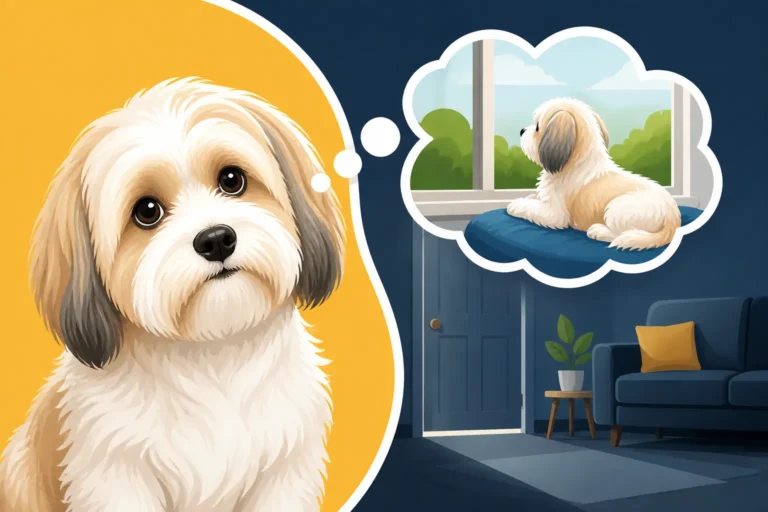
Havanese separation anxiety explained through their Cuban history as companion lap dogs and velcro shadows who need training for alone time.

Havanese dog breed history and emotional sensitivity explain why these pets bond closely with one specific family member.

Havanese therapy dog requirements include stable temperament, obedience training, and specific roles in hospitals and nursing homes.

Havanese dog obedience and rally training methods utilize positive reinforcement to match the smart and sensitive toy breed.
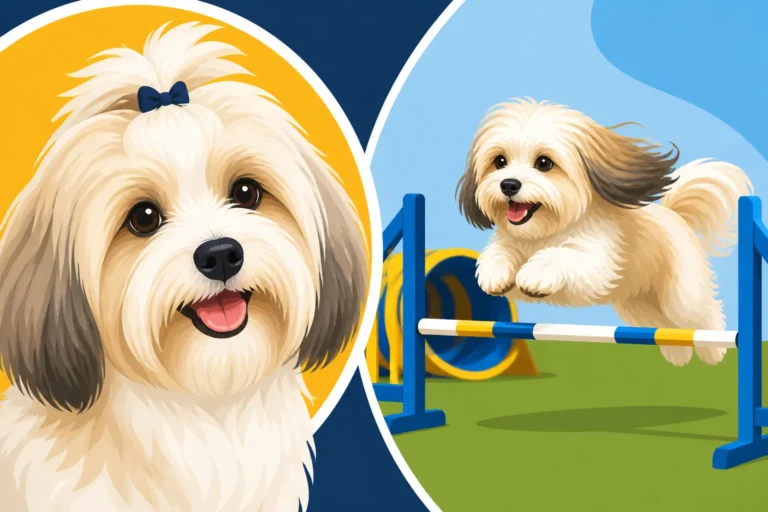
Havanese agility potential, including innate intelligence, physical attributes, and training foundations, helps these dogs thrive in dynamic sports.

Havanese trick titles, levels, and training methods help owners earn official distinctions for smart, playful Cuban dogs.

Optimal training durations for a Havanese, explaining their unique learning style, intelligence, and short attention spans.

Havanese training motivators including food and human interaction explain why these dogs learn tricks and excel in sports.

The Havanese learns tricks faster than other toy breeds because Cuban history and circus dog heritage shaped their high intelligence and trainability.