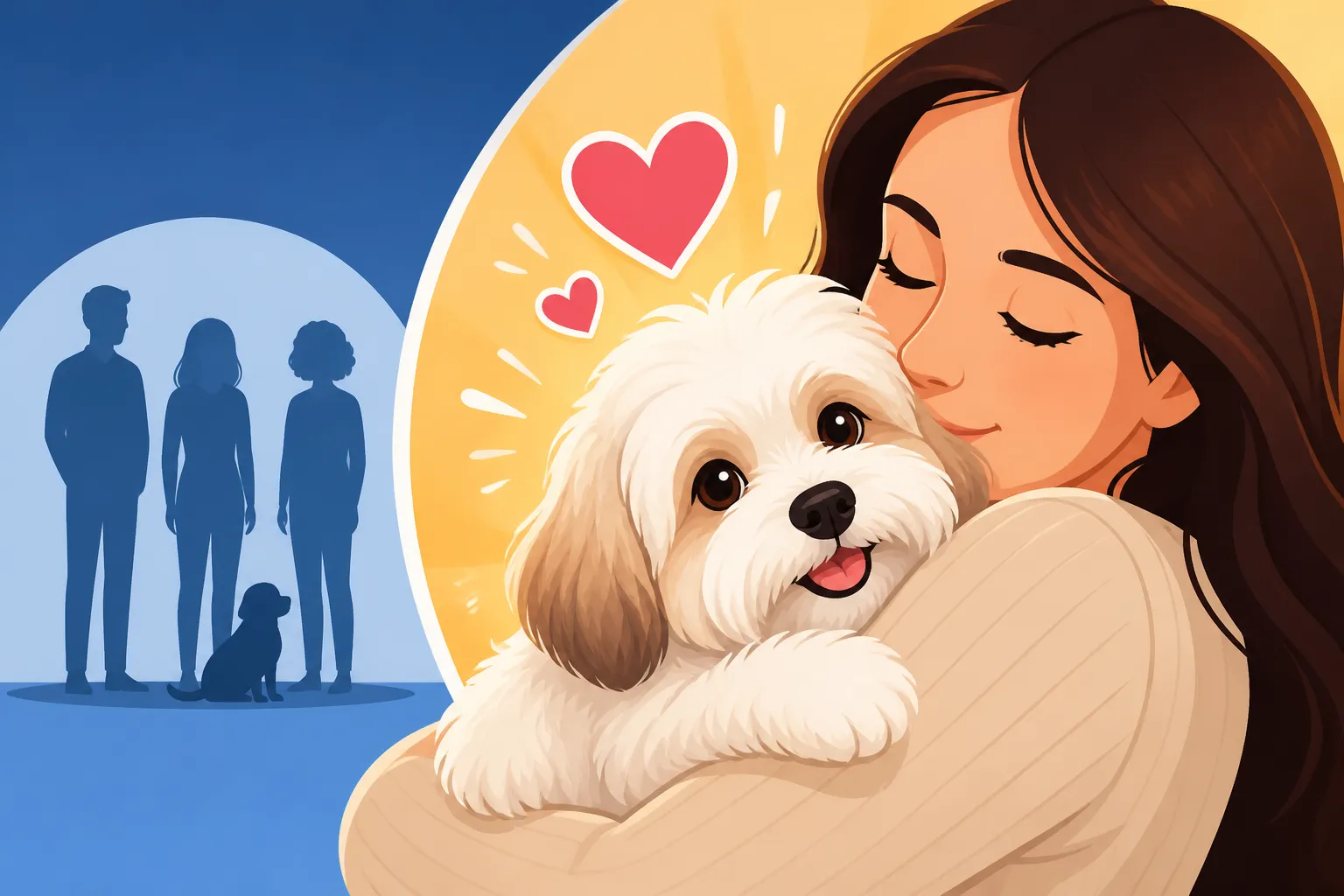
Why a Havanese Sticks to One Person
It's a common, if sometimes frustrating, experience for Havanese owners: you bring this fluffy, loving creature into your home, expecting shared affection, only to find them glued to one specific family member like a shadow. This guide dives deep into why your Havanese might be playing favorites and offers practical ways to encourage a more balanced bond with everyone in the household, ensuring everyone feels the love.
The "Velcro Dog" Nature of Havanese
Havanese are renowned for their affectionate and devoted personalities, often earning them the nickname "Velcro dogs." This isn't just a cute quirk; it's deeply ingrained in their history and temperament. While this intense loyalty is one of their most charming traits, it can sometimes manifest as a strong preference for a single individual in the household, leaving others feeling a bit sidelined. Understanding this fundamental aspect of their breed can help us navigate their bonding behaviors.
Breed History and Purpose: Companionship Above All Else
To truly understand why your Havanese might be a one-person dog, we need to look back at their origins. The Havanese breed was developed in Cuba, primarily as companions for the aristocracy and wealthy merchant families. They weren't bred for hunting, guarding, or herding; their entire purpose was to be a loving, entertaining, and constant presence by their human's side. This historical role meant they thrived on close human interaction and formed deep, singular attachments within the family unit. They were lap dogs, parlor dogs, and constant shadows, accustomed to being the center of their human's world. This historical precedent means that a Havanese's instinct to bond closely, sometimes exclusively, with one person is not a flaw, but a hallmark of their very nature. They are literally bred for this kind of intense devotion.
Inherent Affectionate Traits: Why They Crave Closeness
Beyond their historical purpose, Havanese possess an inherent drive for affection and closeness. They are sensitive, intelligent dogs who genuinely thrive on companionship. This isn't a breed that's content to be an outdoor dog or one that merely tolerates human presence; they actively seek it out. They love to cuddle, sit on laps, and be involved in whatever their favored human is doing. This intense desire for connection often leads them to identify one person who provides the most consistent source of comfort, security, and attention. It’s not that they dislike other family members, but rather that their deepest need for intimacy is met most profoundly by their chosen individual. Think of it like a child picking their favorite blanket or comfort toy – it's the one that feels "just right."
Sensitivity and Emotional Intelligence: How They Pick Their Person
Havanese are surprisingly emotionally intelligent and highly sensitive to human moods and energy. They can often pick up on subtle cues, and this sensitivity plays a significant role in whom they choose as their primary person. Sometimes, the person who is calmest, most consistent, or who offers the most reassuring presence becomes their anchor. They might gravitate towards the person who spends the most time at home, or the one whose routine is most predictable. They're like little furry sponges, absorbing the emotional landscape of the household and seeking out the individual who makes them feel safest and most secure. This isn't always about who gives the most treats; it's often about who provides the most emotional stability and understanding in their eyes. You might find your Havanese knows exactly when you're feeling down and will offer a comforting nudge, often reserving this special sensitivity for their chosen human.
Understanding Early Experiences and Socialization
Just like with people, a Havanese's early experiences play a crucial role in shaping their social behaviors and who they decide to bond with most strongly. What happens during their puppyhood, and how they're introduced to and interact with different family members, can significantly influence whether they become a truly "family dog" or a dedicated "one-person dog." It’s not just about their breed, but about the unique blueprint of their individual lives.
The Impact of Puppyhood: First Bonds Formed
The period from eight to sixteen weeks is critical for a Havanese puppy's development and socialization. During this time, the bonds they form are incredibly strong and foundational. If one person is consistently the primary caregiver – responsible for feeding, potty breaks, play, and comfort – the puppy will naturally form its strongest attachment to that individual. This isn't necessarily a bad thing, but it sets the stage for who the Havanese will perceive as their most important person. Think about a baby: the person who is always there, always tending to their needs, becomes their primary attachment figure. For a Havanese puppy, this bond is equally powerful. It’s a deep, primal connection that shapes their understanding of security and belonging. This early phase is often when the groundwork for a "velcro" bond is laid. For more on this critical period, you might want to read The First Year With a Havanese Puppy.
Selective Bonding in Multi-Person Households: Why One Person Often Gets Picked
In a household with multiple people, a Havanese often displays a fascinating selectivity. Even if everyone interacts with the puppy, the Havanese might still "choose" one individual as their special person. This choice isn't arbitrary; it's often influenced by a combination of factors. It could be the person who has the calmest energy, the one who initiates play most frequently, or perhaps the one who just seems to understand them best. Dogs are incredibly perceptive, and a Havanese will quickly learn who responds most readily to their cues, who gives the best belly rubs, or who provides the most consistent sense of safety. They often become attuned to that person's schedule, their scent, and even their footsteps. It can be frustrating for other family members, but it's often a testament to the Havanese's deep capacity for connection. Sometimes, it feels like they’re saying, “You get me, human.”
Lack of Exposure to Other People: How This Can Reinforce One-Person Focus
If a Havanese puppy, especially during its critical socialization window, has limited positive exposure to other family members or people outside the immediate household, it can exacerbate the tendency to bond with just one person. If the primary caregiver is always the one walking, feeding, and playing, the Havanese might not learn to generalize its affection and trust to others. This isn't about the Havanese being unfriendly; it's simply a lack of opportunity to build those broader relationships. A well-socialized Havanese should ideally be comfortable and affectionate with many people, but if their world is too small, their circle of trust might remain tightly drawn around one individual. This is why exposing your Havanese to a variety of people, sounds, and experiences in a positive way is so crucial in puppyhood. When you're thinking about training resources, look for programs like those offered by BAXTER & Bella, which often emphasize involving the whole family and provide structured ways to introduce your puppy to a wider world, helping prevent this over-reliance on a single person.
Owner Behavior and Reinforcement
As much as we love to think our Havanese chooses us purely out of boundless adoration, our own behaviors, often unintentionally, play a huge role in shaping their bonding patterns. The routines we establish, the way we distribute care, and even the subtle signals we send can reinforce a Havanese's tendency to latch onto one particular person. It's a two-way street, and understanding our influence is key to fostering more balanced relationships within the family.
Unintentional Reinforcement: How We Contribute to the Bond
It's natural to want to spoil our Havanese with attention, but sometimes, our loving gestures can inadvertently strengthen their "one-person dog" tendencies. If one person is always the one to pick them up, offer treats, initiate cuddles, or respond to every whine, the Havanese learns that this person is the source of all good things. Imagine coming home from work, and only one family member ever greets you enthusiastically. Naturally, you'd gravitate towards them! The same applies to your Havanese. This unintentional reinforcement isn't malicious; it's simply a pattern that forms over time. For example, if your Havanese follows you into every room, as discussed in Why a Havanese Follows You Into Every Room, and you consistently respond with pets or soft words, you are reinforcing that 'shadow' behavior. Breaking this cycle requires conscious effort from everyone in the household.
Daily Routines and Primary Caregiver: Who Feeds, Walks, Plays Most
The person who consistently handles the core daily routines often becomes the Havanese's primary attachment figure. This includes who feeds them, takes them out for potty breaks, handles their grooming, and leads their exercise. If one person is the "go-to" for all these essential needs, the Havanese naturally views them as the most important provider of resources and security. It's not just about love; it's about survival and comfort. If Dad always fills the food bowl and Mom always does the evening walk, the Havanese will associate those vital activities with those specific individuals. This division of labor, while practical for busy households, can inadvertently solidify a one-person bond. Even if you work from home and your partner is away, finding ways for your partner to engage in these care tasks when they are present can make a difference.
Communication and Consistency: How Different Family Members Interact
Havanese thrive on consistency and clear communication. If different family members have vastly different ways of interacting with the dog – one is playful and boisterous, another is calm and gentle, and a third is inconsistent – the Havanese might gravitate towards the person whose communication style they find easiest to understand or most comforting. A Havanese can get confused or stressed by unpredictable interactions. If one person always uses the same cues for tricks or has a consistent tone of voice, the dog will feel more secure and responsive to them. Encouraging all family members to use similar commands and to interact with the Havanese in a predictable, positive manner can help the dog feel more connected to everyone. This is especially true with training; if only one person trains the dog, that bond deepens significantly.
Strategies to Promote Broader Family Bonding
While a Havanese's natural inclination might be to pick a favorite, there are many proactive steps you can take to encourage them to spread their affection and form strong bonds with every member of the household. It requires patience, consistency, and a concerted effort from everyone, but the reward is a happier, more well-adjusted Havanese who sees everyone as part of their beloved family.
Distributing Care Tasks: Everyone Gets a Turn
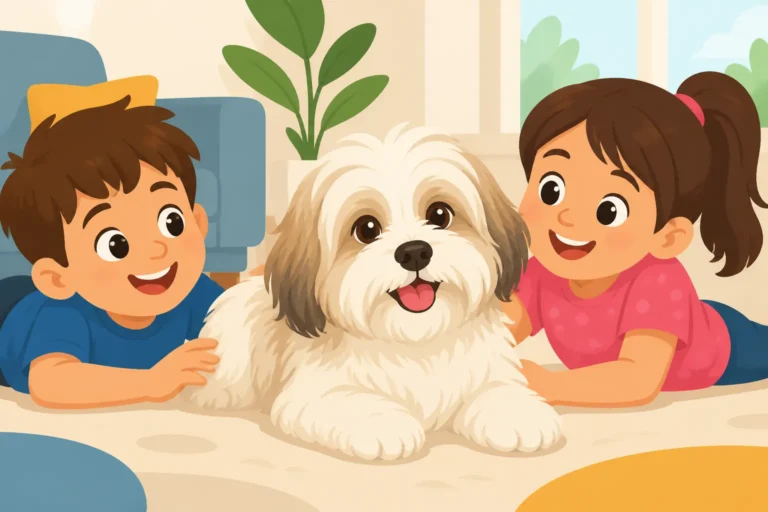
One of the most effective ways to encourage broader bonding is to ensure that all family members participate in the Havanese's daily care tasks. This means sharing responsibilities like feeding, taking them out for potty breaks, brushing, and even simple things like refilling their water bowl. When the Havanese associates positive experiences and the fulfillment of basic needs with multiple people, they begin to see everyone as a valuable part of their world. For example, one person can do the morning feed, another the evening feed, and different family members can take turns with walks. Even small children can be involved in supervised ways, like holding the leash on a short walk or tossing a favorite toy.
Here's a sample task distribution plan that could help:
| Task / Responsibility | Monday | Tuesday | Wednesday | Thursday | Friday | Saturday | Sunday |
|---|---|---|---|---|---|---|---|
| Morning Potty | Person A | Person B | Person C | Person A | Person B | Person C | Person A |
| Morning Feeding | Person B | Person C | Person A | Person B | Person C | Person A | Person B |
| Mid-day Walk/Play | Person C | Person A | Person B | Person C | Person A | Person B | Person C |
| Evening Potty | Person A | Person B | Person C | Person A | Person B | Person C | Person A |
| Evening Feeding | Person B | Person C | Person A | Person B | Person C | Person A | Person B |
| Brushing/Grooming | Person C | Person A | Person B | Person C | Person A | Person B | Person C |
| Training Session | Person A | Person B | Person C | Person A | Person B | Person C | Person A |
Note: Adjust 'Person A, B, C' to actual family members. The goal is rotation and consistency.
Scheduled Interaction and Playtime: Dedicated Time for Each Person
Beyond routine care, dedicate specific, positive interaction times for each family member with the Havanese. This means setting aside 10-15 minutes where one person gives the Havanese their undivided attention. This could be a focused play session with a favorite squeaky toy, a gentle grooming session, or just quiet cuddle time on the couch. The key is for each interaction to be positive and engaging. If your Havanese loves to play fetch, have different family members initiate those games. If they love a good chew, have various family members offer a long-lasting chew stick. You might find a good selection of enrichment toys and dental chews on Amazon that can be used for these dedicated playtimes. These intentional moments build individual connections and show the Havanese that everyone is a source of joy and comfort.
Positive Reinforcement from All: Treats, Praise, Affection
Havanese are highly motivated by positive reinforcement, and this can be leveraged to strengthen bonds across the family. Encourage everyone to reward the Havanese with high-value treats, enthusiastic praise, and gentle affection whenever the dog chooses to interact with them, even briefly. Did your Havanese walk past your teenager and then come back for a sniff? That’s an opportunity for a small treat and "good boy/girl!" If they settle near someone who isn't their primary person, a quiet, loving stroke can reinforce that behavior. Make sure treats aren't just coming from the "favorite" person. This consistent positive feedback helps the Havanese associate all family members with pleasant experiences, making them more likely to seek out interaction from everyone.
Involving Other Family Members in Training: Shared Activities
Training isn't just about teaching commands; it's a powerful bonding tool. When all family members participate in training sessions, the Havanese learns to respect and respond to everyone. Start with basic commands like "sit," "stay," or "come," and ensure everyone uses the same cues and rewards. Short, fun training sessions can be a wonderful way to build confidence and rapport. If you're using an online program, like the excellent resources from BAXTER & Bella, make it a family activity. Their structured lessons are perfect for involving multiple family members, ensuring everyone is on the same page with commands and reinforcement. This creates a shared language and a shared sense of accomplishment, reinforcing that everyone is part of their learning journey. It also helps with teaching important manners, like waiting for permission before jumping on someone, which can be useful when you have a very enthusiastic Havanese.
Addressing Challenges and Managing Expectations
Even with the best intentions and consistent effort, it's important to approach Havanese bonding with realistic expectations. Their inherent nature often means a strong primary bond will always exist, and sometimes, this bond can lead to specific behavioral challenges. Understanding these realities and knowing when to seek professional guidance is crucial for a harmonious household.
The Reality of a Havanese's Primary Bond: It Might Always Be There
Let's be real: your Havanese might always have a "favorite" person. It's perfectly normal for dogs, just like people, to have stronger affinities for some individuals over others. The goal isn't necessarily to eliminate that primary bond, but rather to broaden their affections so that everyone feels loved and appreciated, and the Havanese is comfortable and responsive to all family members. You might not turn your one-person Havanese into a "everyone's equally my favorite" dog overnight, or even ever. But you can absolutely help them build positive, loving, and respectful relationships with everyone in the home. The main thing is to prevent the primary bond from becoming problematic, like leading to anxiety when the favorite person leaves, as explored in The Havanese That Cannot Be Left Alone.
Dealing with Jealousy and Resource Guarding of the "Person"
In some cases, a Havanese's strong bond with one person can spill over into problematic behaviors like jealousy or resource guarding of that individual. This might manifest as growling or snapping at other family members who approach the "favorite" person, particularly when they're on their lap or receiving attention. This isn't cute; it's a serious behavioral issue that needs to be addressed promptly and carefully. It's often rooted in insecurity and a fear of losing access to their most valued resource (their person).
If you see signs of guarding – like a stiff body, low growls, staring, or even a snap when another family member tries to get close to the "favorite" person – it's crucial not to punish the Havanese, as this can escalate the behavior. Instead, manage the environment by creating clear boundaries and seeking professional help immediately. The favored person should avoid inadvertently reinforcing the guarding by, for example, immediately picking up the Havanese or pushing away the other family member. The goal is to teach the Havanese that other family members are not a threat and that positive things happen when they share their person's attention. This involves controlled exercises where other family members approach, give a high-value treat, and then retreat, gradually changing the dog's association.
When to Seek Professional Help: If Behavior Becomes Problematic
If your Havanese's one-person tendencies are causing significant stress, leading to aggressive behaviors, or making it difficult for other family members to interact with the dog, it's definitely time to bring in a professional. A certified professional dog trainer or a veterinary behaviorist can assess the specific dynamics in your home and provide tailored strategies. They can help identify triggers, implement behavior modification plans, and ensure everyone is using consistent techniques. Sometimes, what seems like simple "pickiness" can be an underlying anxiety or insecurity that requires expert intervention. Don't hesitate to reach out if you feel overwhelmed or if the behaviors are escalating beyond what you can comfortably manage on your own. Resources from organizations specializing in positive reinforcement training can offer guidance, or a reputable local trainer can provide hands-on assistance. They can also help you understand specific breed tendencies, like Whether a Havanese Bonds to One Person Only, and how to manage them.
Disclaimer
This article is for general informational purposes only and does not constitute professional advice. Laws, prices and regulations vary by location and change over time. Consult a qualified professional for guidance on your specific situation.