What a Havanese Will Work For
Oh, the joy and sometimes the utter bewilderment of trying to figure out what truly makes your Havanese tick when it comes to training! It can feel like a guessing game, especially when one day a treat is gold and the next they just sniff at it dismissively. This guide is all about peeling back the layers to understand the diverse motivators that drive our little Cuban charmers, helping you unlock their full training potential and build an even stronger bond.
The Havanese Drive to Please: More Than Just a Treat
It’s a common misconception that all dogs are purely driven by food, and while food is certainly a powerful tool, it overlooks a huge part of what makes our Havanese companions so special. These little dogs were bred for centuries to be companions, lapdogs, and entertainers for Cuban aristocracy. They thrived on human interaction and being a focal point, and that inherent desire to connect and please their people is deeply woven into their DNA.
Understanding Their Companion Nature
Think about the history of the Havanese. They weren't bred to herd sheep, track game, or guard property. Their job was, quite simply, to be loved and to return that love in abundance. This historical role means they are intrinsically motivated by connection. When your Havanese looks up at you with those soulful eyes, tail wagging, they’re not just looking for a handout; they're often seeking approval, a shared moment, and affirmation of their place in your world. This desire for connection makes them incredibly attuned to your mood and responses, which you can absolutely leverage in training. They want to work with you, not just for you. This is a huge reason why they often excel in various dog sports and activities.
The Joy of Partnership: Building a Bond That Makes Them Want to Work With You
Training with a Havanese shouldn't feel like a chore or a battle of wills. Instead, view it as a partnership, a collaborative dance where you're both working towards a common goal. When your Havanese understands that engaging with you brings positive experiences – whether that’s a tasty treat, a fun game, or a snuggle on the couch – they become eager participants. Building this positive reinforcement history strengthens your bond exponentially. It creates a feedback loop where their effort is rewarded, and your praise reinforces their desire to try again. This mutual understanding and respect are what turn a simple training session into a rewarding interaction for both of you. It's truly amazing to see Why the Havanese Learns Tricks Faster Than Most Toys once they realize it's a game you're playing together.
Why They Shine in Performance: Their Innate Desire to Entertain and Be the Center of Attention
If you've ever seen a Havanese perform tricks, whether it's for a family gathering or in an actual competitive setting, you'll notice their flair for the dramatic and their clear enjoyment of being the star. This isn't just a coincidence; it's a manifestation of their historical role. They love an audience, and they revel in the positive attention that comes with performing. This "circus dog brain" as some affectionately call it, is a huge asset in training. Their desire to entertain, combined with their intelligence, makes them highly trainable. For them, a successful trick isn’t just about the reward; it’s about the applause, the laughter, and the adoration they receive from their humans. This makes them fantastic candidates if you're thinking Whether a Havanese Can Earn Trick Titles.
Food: The Obvious, But Nuanced Motivator
Yes, food is undeniably a powerful motivator for most dogs, and Havanese are no exception. However, simply tossing any old kibble won't always cut it, especially when you're asking for something new or challenging. The type of food, its value, and how you present it can make all the difference.
High-Value vs. Low-Value Treats: What Really Gets Their Attention
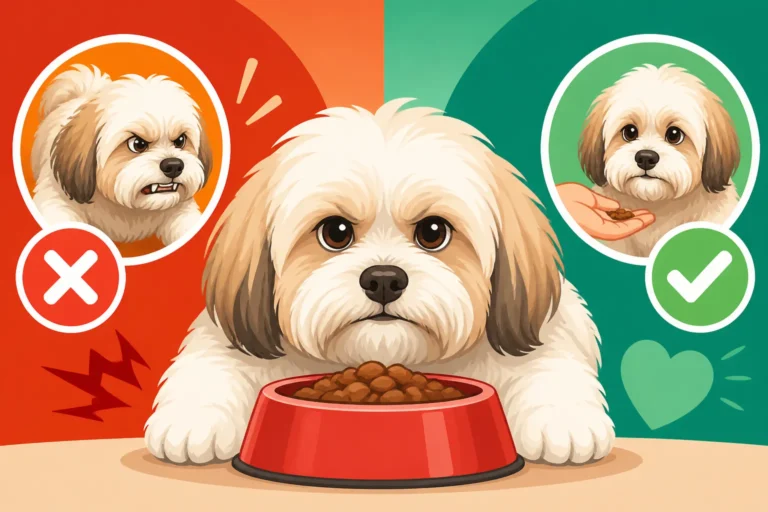
Not all treats are created equal in the eyes of a Havanese. What constitutes a "high-value" treat can vary from dog to dog, but generally, it's something they absolutely adore and don't get very often. Think tiny pieces of cooked chicken, cheese, or even freeze-dried liver. These are the gold standards for complex tasks, distracting environments, or when you're trying to overcome a difficult hurdle. Low-value treats might be their regular kibble or a common biscuit. These are fine for behaviors they already know well or for simple reinforcement in a calm setting.
The trick is to use high-value treats sparingly, keeping them special. If every reward is prime rib, then prime rib quickly loses its luster! For everyday training, I always keep a pouch of small, semi-moist treats on hand, perhaps a mix of something like Zuke's Mini Naturals and a few pieces of boiled chicken. You'll quickly learn what your Havanese considers the ultimate reward. Some owners even invest in a good treat pouch (you can find plenty of options on Amazon) to make sure those high-value rewards are always ready and accessible.
Using Meal Portions as Rewards: When and How to Incorporate Their Regular Food
This is a fantastic strategy to make your Havanese work for their daily sustenance, turning mealtime into a series of mini-training sessions. Instead of just putting down a bowl, use portions of their kibble to reward behaviors like "sit," "stay," "down," or even walking nicely on a leash. This elevates the value of their regular food and reinforces good manners throughout the day without adding extra calories from commercial treats.
For a Havanese, who can be prone to putting on weight if not carefully managed (especially if you're asking Feeding a Havanese That Weighs Twelve Pounds), this approach is incredibly practical. You can also use puzzle toys or slow feeders filled with their kibble. These make them "work" for their food by engaging their minds, which can be just as rewarding as a quick treat. It turns feeding into an enriching activity rather than just a passive handout.
The Power of Novelty: Keeping Treat Rewards Exciting
Even the most delicious treat can become boring if it's the only thing your Havanese ever gets. The power of novelty is real! Keep a rotation of different types of treats, flavors, and textures. Don't be afraid to experiment to see what truly excites your dog. One week it might be tiny bits of apple, the next it could be a sliver of bell pepper (check first what human foods are safe for dogs, of course!).
Sometimes, a sudden switch to something completely new will reinvigorate a training session that's gone stale. This element of surprise keeps them engaged and attentive, always wondering what delightful morsel might come next. Remember, the goal is not just to feed them, but to make the act of receiving the reward exciting and unpredictable in a good way.
Play and Toys: Tapping into Their Inner Circus Dog
Beyond food, play and toys can be incredibly powerful motivators, especially for a breed like the Havanese with its playful spirit and The Circus Dog Brain Inside a Havanese. The key is to understand what kind of play resonates most with your individual dog.
Favorite Toys as Training Tools: Turning Playtime Into Reward Time
If your Havanese has a favorite squeaky toy, a plush critter, or a small tug rope, you already have a fantastic training reward. After they successfully complete a command, instead of just a treat, offer a quick, enthusiastic play session with their cherished toy. This could be a short game of tug, a quick retrieve, or simply letting them "win" the toy for a few seconds of happy shaking.
The energy and excitement you bring to this play reward are just as important as the toy itself. Make it fun, make it engaging, and make it clear that this play is a direct result of their good work. This is particularly effective for active Havanese who have a strong prey drive for certain types of toys. Using toys as rewards can also be a great way to bond and provide mental stimulation.
The Thrill of the Chase: Using Movement and Interactive Play
Havanese often have a mischievous, chasing instinct, especially when they're puppies. You can harness this "thrill of the chase" in your training. Instead of just handing over a toy, toss it a short distance for them to fetch, or engage them in a brief game of chase in a safe, enclosed area. For many Havanese, the act of running, pouncing, and "catching" something is incredibly satisfying.
Interactive toys, like flirt poles or even just a piece of fabric tied to a stick, can activate this instinct and make for highly engaging reward sessions. Just be mindful of their small joints and avoid excessive jumping or twisting, particularly with young puppies. These types of rewards tap into their natural canine behaviors and can be deeply satisfying for them.
Building Toy Drive: For Havanese Who Aren't Naturally Toy-Motivated
Not every Havanese is born a toy fanatic, and that’s perfectly okay! You can often build a toy drive through careful introduction and enthusiastic play. Start with a variety of soft, quiet toys and present them with excitement, moving them in enticing ways. Don't just leave toys lying around; make them special by bringing them out only for play sessions.
Keep play sessions short, sweet, and always end when your Havanese is still eager for more. This leaves them wanting to interact with the toy next time. You can also combine toys with food rewards initially – a treat and a quick game. Over time, many Havanese will develop a genuine love for playing, turning toys into a valuable part of your reward system. Remember, the goal is to make the toy itself associated with fun and positive interaction, a concept that is often explored in positive reinforcement programs like those offered by BAXTER & Bella.
Affection and Praise: The Heart of the Havanese
For a breed so deeply bonded with humans, affection and praise are not just secondary; they are primary motivators that can often outweigh even the tastiest treat. A Havanese thrives on being loved and appreciated.
The Right Kind of Praise: Verbal Cues and Tone That Resonate
Think about how you talk to your Havanese when they've done something wonderful. Is it a calm, approving "Good dog," or a high-pitched, exuberant "YES! You are the best puppy ever!"? For many Havanese, especially those with that innate desire to please, an enthusiastic, happy verbal praise is a powerful reinforcer. They pick up on your tone and excitement.
Make your praise specific and immediate. As soon as their paw touches the ground in a perfect "stay," immediately say "YES!" or "Good!" with a big smile. Over time, these verbal markers become just as meaningful as a treat. This can be especially useful when you are teaching them Teaching a Havanese Tricks It Will Perform All Day – the audience's reaction is half the reward!
Physical Affection as a Reward: Petting, Scratches, and Cuddles
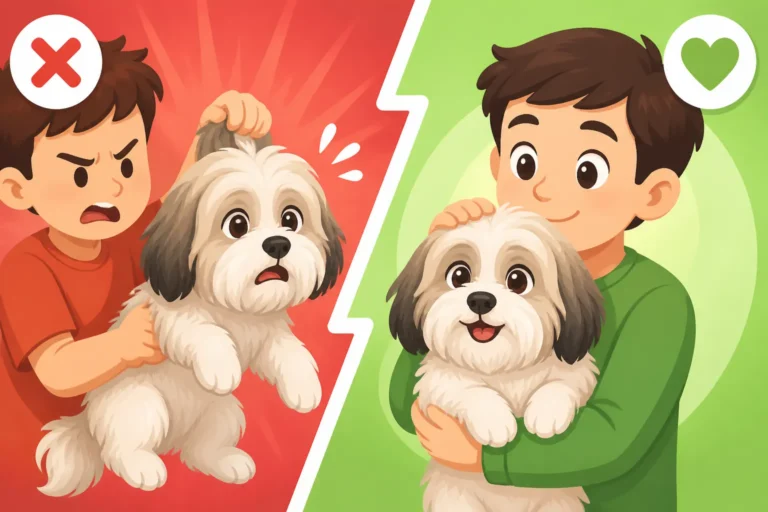
Beyond verbal praise, physical affection is often pure gold for a Havanese. A gentle ear rub, a scratch behind the shoulders, or even a quick cuddle can be a fantastic reward for a job well done. Pay attention to where your Havanese loves to be touched – some might melt for belly rubs, others prefer a chin scratch.
Again, timing is crucial. Deliver the affection immediately after the desired behavior. This reinforces the connection between their action and the pleasant physical sensation. For a Havanese who thrives on close contact and being held, a brief moment in your lap can be a highly motivating reward, making them feel secure and cherished. This intimate connection is why Whether a Havanese Bonds to One Person Only is often a concern for new owners.
Combining Praise and Treats: Enhancing the Reward Experience
While affection and praise are powerful on their own, combining them with other rewards, especially in the early stages of learning, creates a super-charged reinforcement. When your Havanese performs a new behavior correctly, offer a high-value treat simultaneously with enthusiastic verbal praise and a quick, happy pet.
This layering of rewards helps to build a strong association, teaching them that their actions lead to multiple good things. Eventually, you can start to fade out the food rewards for known behaviors, relying more on your praise and affection. This is what Whether a Havanese Works for Food or Praise truly comes down to – often, it's a mix of both, tailored to the individual dog and the specific training context.
Environmental Rewards: What They Really Want
Sometimes, the best reward isn't something you give them, but something you allow them to do or access. These are known as environmental rewards, and they leverage your Havanese's natural desires and daily routines.
Access to Preferred Activities: The "Grandma's Law" of Training
"Grandma's Law" (also known as the Premack Principle) states that a more probable behavior can reinforce a less probable one. In plain English: if you do X (less desirable), you get to do Y (more desirable). For a Havanese, this could look like:
- "Sit before going out for a walk."
- "Down before getting your meal."
- "Wait patiently while I open the door, then you can greet the visitor."
These are powerful, real-life motivators because they directly relate to things your Havanese already wants to do. You're not adding extra treats or toys; you're simply structuring their day to reward good behavior with desired activities. This method is incredibly effective for integrating training into everyday life. You'll be amazed at how quickly they pick up on the cues when the reward is something they genuinely desire, like heading out for What a Havanese Needs Beyond a Walk.
The Reward of Exploration: Using Walks and New Places
For many Havanese, the outside world is a wonderland of smells, sights, and sounds. A walk isn't just exercise; it's an adventure. You can use access to new environments or exciting walks as a reward. For example, if your Havanese struggles with leash manners, practicing a few good "heels" in a quiet area could earn them the privilege of exploring a new park or sniffing around a particularly interesting patch of grass.
Even a short trip to a novel location – perhaps a pet-friendly store or a friend’s backyard – can be a huge reward. The mental stimulation of exploring new territory is incredibly enriching and acts as a powerful incentive for desired behaviors. Just make sure the new environment is safe and not overwhelming for your Havanese.
A Place on the Couch: Earning Privileges Through Good Behavior
Many Havanese love to be close to their people, often seeking out laps, couches, and beds. You can turn these coveted spots into rewards for good behavior. For instance, if your Havanese typically jumps on guests, teach them to "sit" or "go to their mat" when someone arrives. Once the guest is settled, and your Havanese has remained calm, you can invite them up onto the couch for some cuddle time.
This teaches them that calm, polite behavior earns them the privileges they desire most. It's about setting clear boundaries and reinforcing the idea that good things come to those who wait and behave appropriately. This can be especially important for maintaining a harmonious household, whether you're living in a quiet apartment or a bustling family home.
The Art of Combining Motivators: Keeping Them Engaged
The most effective training isn't about finding one perfect motivator; it's about understanding and strategically using a variety of them. A diverse reward system keeps your Havanese guessing, engaged, and eager to participate.
Rotating Rewards for Engagement: Preventing Boredom and Predictability
Imagine if every time you went to work, you got the exact same praise, the exact same bonus, and the exact same lunch. You'd probably get bored pretty quickly, right? Dogs are similar. If training always involves the same treat, the same verbal praise, and the same play, it can lose its sparkle.
The key is to rotate your rewards. One session might focus heavily on high-value food. The next might use a favorite tug toy. Another could involve a special walk to the park. By keeping them guessing, you maintain their enthusiasm and prevent them from becoming complacent. This also helps you figure out How Long a Havanese Will Train For before they lose interest. Keeping a mix of options makes them more resilient to distractions and more eager to perform, because they never know what amazing thing they might earn next!
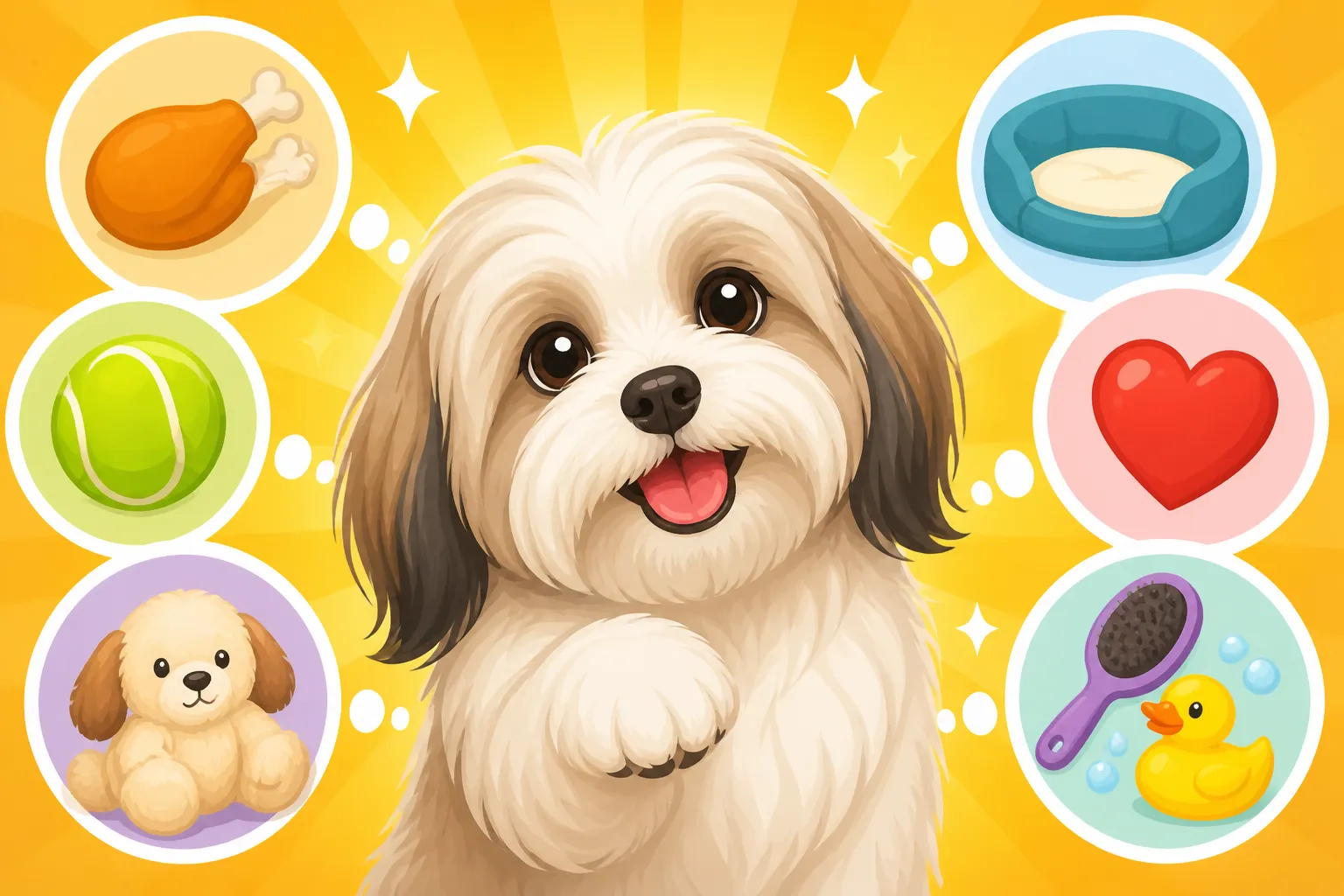
| Motivator Type | Examples for Havanese | Best Used For | Pros | Cons |
|---|---|---|---|---|
| Food | Cooked chicken, cheese, kibble, special treats | New behaviors, high distraction, quick rewards | High immediate impact, easy to deliver, measurable | Can lead to weight gain, loses value if overused, can cause begging |
| Play/Toys | Tug, fetch, squeaky toys, flirt pole | Energy release, strong bond building, advanced tricks | Highly engaging, builds drive, natural outlet for energy | May not motivate all Havanese, requires handler participation, can be distracting |
| Affection/Praise | Enthusiastic "Good dog!", ear scratches, cuddles | Reinforcing known behaviors, low distraction, bond building | Strengthens relationship, always available, no calories | Some Havanese prefer less physical touch, can be vague if not clear |
| Environmental | Access to yard, walks, couch, car rides | Everyday manners, proofing, life skills | Highly relevant, integrates training into daily life, very powerful | Not always immediate, requires planning, may not work for all tasks |
Phasing Out Food Rewards: Transitioning to Life Rewards
While food is excellent for initially teaching a behavior, you don't want your Havanese to only work for food. The goal is to gradually transition to less tangible, but equally rewarding, forms of reinforcement like praise, affection, and environmental privileges. This is crucial for creating a dog that responds reliably even when you don't have a treat in your hand.
Start by varying the frequency of food rewards for behaviors they know well. Sometimes they get a treat, sometimes just praise and a happy pat. Then, introduce a variable schedule, where they don't know when the treat will come, but they know it might. This keeps them motivated. Eventually, for well-established commands, you can rely mostly on verbal praise and the opportunity to do something they enjoy, like continuing their walk or getting to jump on the sofa. This makes them much more polite companions in the long run.
Individual Preferences: Tailoring Motivation to Your Havanese
Ultimately, the most important lesson is that every Havanese is an individual. What motivates one might not motivate another. Your Havanese might be a total foodie, while your neighbor's Havanese lives for a game of fetch. It's up to you to become a detective, observing your dog and experimenting with different types of rewards to see what truly makes their tail wag and their eyes sparkle.
Pay attention to their body language, their eagerness, and their focus. If they're losing interest, try switching up the reward. What a Havanese will work for is a dynamic, evolving discovery. By understanding their unique motivations and consistently using positive reinforcement, you'll not only have a well-trained dog but a deeply connected and happy companion who genuinely enjoys working with you. This personalization is key to successful training, especially if you're a Whether a Havanese Suits a First Time Owner. It's about finding out What a Havanese Needs Every Day to thrive, and that includes varied and meaningful rewards.
Disclaimer
This article is for general informational purposes only and does not constitute professional advice. Laws, prices and regulations vary by location and change over time. Consult a qualified professional for guidance on your specific situation.