What a Havanese Needs Every Day
It's easy to feel a little overwhelmed when you first bring home a Havanese puppy, or even an adult rescue. Their luxurious coats look like a full-time job, and their vibrant personalities suggest they need constant entertainment. You might be wondering, "What exactly does my Havanese need every single day to be happy and healthy?" This guide is here to break down the daily rhythms and essential care that will not only keep your beloved companion thriving but also help you establish a confident, consistent routine.
Daily Grooming Rituals: Beyond Just a Pretty Face
Oh, that glorious Havanese coat! It's one of their most defining features, a cascade of soft, silky hair that can reach the floor if left untrimmed. But with great beauty comes great responsibility, and daily grooming isn't just about aesthetics; it's a vital part of their health and comfort. Neglecting it even for a day or two can lead to painful matting, skin issues, and a very unhappy pup.
The Essential Daily Brush-Out for That Silky Coat
Let's be real: that long, flowing Havanese coat doesn't stay tangle-free by magic. Even if your Havanese is in a shorter "puppy cut," daily attention is still non-negotiable, though perhaps slightly less intensive. The Havanese has a double coat, and that soft undercoat, combined with their fine, silky topcoat, loves to intertwine and form mats, especially in areas of friction like behind the ears, in the armpits, and around the collar. If you skip a day, those little tangles can quickly become tight, painful knots that pull on their skin and can even restrict movement.
Imagine trying to walk around with your hair constantly pulling at your scalp – that's what a matted coat feels like to your Havanese. A proper daily brush-out involves using the right tools: a good quality pin brush (without plastic tips that can scratch the skin) and a metal comb. You'll want to "line brush," which means parting the hair and brushing in sections, working your way up from the skin outwards. This ensures you're getting through all the layers and not just skimming the top. This daily ritual, even if it only takes How Long Brushing a Havanese Takes Daily, is also a wonderful bonding opportunity. Your Havanese will learn to relax and enjoy the attention, associating it with positive feelings, especially if you start this routine early in puppyhood.
Keeping Eyes, Ears, and Paws Pristine
Beyond the full body brush, there are a few key areas that require specific daily (or near-daily) attention. Their expressive eyes, often framed by lovely long hair, can sometimes produce tear stains. While not always a health concern, these dark streaks can harbor yeast and bacteria if left unchecked, leading to irritation or even infection. Gently wiping around their eyes with a damp, soft cloth or a pet-safe tear stain wipe each morning can make a huge difference in preventing build-up and keeping the area clean and dry. Keeping a Havanese's Face Clean and Dry is truly essential to their comfort.
Then there are those adorable floppy ears. Havanese have hair that grows inside their ear canals, which can trap moisture, dirt, and wax, creating a perfect breeding ground for ear infections. A quick check of their ears daily for any redness, odor, or excessive debris is a good habit. While you don't necessarily need to deep clean them every day, a gentle wipe of the outer ear flap and around the entrance to the canal with a pet-specific ear cleaner and cotton ball is often beneficial. Their little paws, too, require a quick once-over. Hair grows between their pads and can collect debris, track dirt, or even become matted. Keeping this hair trimmed short helps prevent slipping on hard floors and keeps them cleaner. After walks, especially in wet weather, quickly wiping their paws not only keeps your house cleaner but also helps prevent skin irritation between their delicate toes.
Dental Care: A Little Each Day Goes a Long Way
This is one area where many Havanese owners, myself included, have felt a pang of guilt. It's so easy to overlook, but daily dental care is incredibly important for these small breeds. Havanese are prone to dental issues, including plaque and tartar buildup, which can lead to gum disease, tooth loss, and even impact their overall health if bacteria enter the bloodstream. A tiny mouth means crowded teeth, and that just makes them more susceptible.
Ideally, your Havanese's teeth should be brushed daily with a dog-specific toothbrush and enzymatic toothpaste. Seriously, just like us! If you can manage it, even a minute or two of gentle brushing can make a significant difference. Start slow, make it a positive experience with praise and treats. If daily brushing feels like an uphill battle, try to aim for every other day, and supplement with dental chews designed to help scrape away plaque. You can find many options on sites like Chewy or Amazon. However, remember that dental chews are supplements to brushing, not replacements. Regular professional dental cleanings at the vet will still be necessary, but daily home care can extend the time between those cleanings and save your Havanese a lot of discomfort and you potentially higher vet bills. You might be surprised at Whether a Havanese Needs Its Teeth Brushed Daily – the answer is a resounding yes!
Nutritional Foundations: Fueling Their Zest for Life
What you put into your Havanese's body directly impacts their energy levels, coat health, and overall longevity. Getting their daily diet right is a cornerstone of responsible ownership, and it’s about more than just filling a bowl.
Crafting the Perfect Meal Schedule
Havanese, like most small breeds, benefit from a consistent meal schedule. Free-feeding, where food is left out all day, can lead to overeating and makes potty training more difficult. For adult Havanese, two meals a day – one in the morning and one in the evening – is generally ideal. This helps regulate their digestion and blood sugar levels, preventing that "hangry" feeling or sudden energy dips. Puppies, on the other hand, will need more frequent meals, typically three or four times a day, gradually reducing as they get older.
The exact amount of food your Havanese needs will depend on their age, weight, activity level, and the specific food you're feeding. Always check the guidelines on the food packaging and adjust as necessary based on your dog's condition. A good rule of thumb is that you should be able to feel their ribs easily without seeing them prominently, and they should have a discernible waist when viewed from above. An overweight Havanese is at higher risk for joint issues and other health problems, so Keeping a Havanese From Getting Heavy is important. Discuss any dietary changes or concerns with your veterinarian to ensure your Havanese is getting appropriate nutrition for their individual needs.
Choosing the Right Food for Your Havanese
With so many dog food options out there, choosing the "best" one can feel like a minefield. The most important thing is to select a high-quality, nutritionally complete and balanced diet appropriate for their life stage (puppy, adult, senior) and size. Look for foods where a named meat source (like chicken, beef, or salmon) is the first ingredient. While grain-free diets have been popular, recent veterinary advice suggests caution, and grains can be a perfectly healthy part of a dog's diet unless a specific allergy is confirmed.
Some Havanese owners opt for fresh food diets from companies like Ollie, which deliver pre-portioned, human-grade meals. Others stick to premium kibble available from stores like Chewy. Regardless of your choice, be wary of marketing fads and always prioritize ingredients and nutritional value. If your Havanese is a picky eater, which some can be, you might need to experiment a bit, but resist the urge to constantly switch foods or add too many human scraps, which can upset their sensitive stomachs. A consistent, good-quality diet will lay the groundwork for a long, healthy life. You can read more about How Much an Adult Havanese Eats Daily to ensure you're feeding the right amount.
Hydration and Healthy Treats
Fresh, clean water should always be available to your Havanese, 24/7. Dehydration can lead to serious health problems, and these little dogs can get thirsty quickly, especially after a burst of play or on a warm day. Consider having multiple water bowls around the house, and always bring water when you're out and about.
Treats play a vital role in training and bonding, but they should be given in moderation. Too many treats, especially calorie-dense ones, can quickly lead to weight gain. Opt for small, healthy training treats, or even use a portion of their daily kibble for training sessions. Fruits and vegetables like small pieces of apple (without seeds), carrot, or green beans can make excellent low-calorie, healthy snacks. Always avoid foods toxic to dogs, such as chocolate, grapes, raisins, onions, and xylitol. A good variety of healthy treats can be found on Amazon.
Exercise and Mental Stimulation: More Than Just a Walk in the Park
While Havanese might be small, they are not couch potatoes. They were historically companion dogs, but they also had to be agile and intelligent to entertain their families. Meeting their daily exercise and mental stimulation needs is crucial for preventing boredom, destructive behaviors, and keeping them physically fit.
Meeting Their Moderate Exercise Needs
Your Havanese needs daily physical activity to burn off energy, maintain a healthy weight, and keep their joints supple. While they won't require miles of intense running, they do thrive on regular walks. Aim for at least two short-to-moderate walks per day, perhaps 15-30 minutes each, depending on their age and stamina. These walks aren't just for potty breaks; they're an opportunity for your Havanese to explore the world through scent, see new sights, and interact with their environment.
Beyond structured walks, indoor play is also valuable. A game of fetch down a hallway, chasing a flirt pole, or even just some enthusiastic zoomies around the living room count towards their daily activity. Remember, even though they're small, they can get surprisingly tired, especially in warmer weather, so always be mindful of overheating. How Far a Havanese Should Walk Daily can vary, but consistency is key.
Engaging Their Clever Minds Daily
Physical exercise is only half the battle; Havanese are intelligent little dogs who thrive on mental challenges. A bored Havanese is often a mischievous Havanese! Daily mental stimulation can come in many forms. Puzzle toys, where they have to figure out how to get a treat, are excellent for this. Teaching them new tricks, even simple ones like "sit," "stay," or "paw," not only engages their brains but also strengthens your bond. They love to learn, and they truly enjoy showing off.
Regular training sessions, even just 5-10 minutes a day, keep their minds sharp. Rotate their toys to keep things fresh and interesting. Hide-and-seek with a favorite toy or even with you can be a fun game that taps into their natural curiosity. Consider enrolling in a puppy class or obedience class – not just for training, but for the mental engagement and structured socialization it provides. These dogs really do have a "circus dog brain" that loves to figure things out!
Socialization and Playtime
Havanese are inherently social creatures. They thrive on interaction with their human family and often enjoy playing with other well-mannered dogs. Daily playtime, whether it's with you, another family member, or a canine friend, is essential for their emotional well-being. This helps them burn energy, practice good social skills, and reinforces their place in your "pack."
If your Havanese is an only dog, you'll need to be their primary playmate. Tug-of-war, fetch, or just a good romp in a secure yard can be immensely satisfying for them. For dogs that enjoy the company of others, carefully supervised playdates with vaccinated, friendly dogs can be a great addition to their routine. Remember, however, that due to their small size, care must be taken to ensure they are playing with dogs of appropriate temperament and size to prevent accidental injury.
Potty Breaks and Hygiene: A Consistent Routine is Key
One of the most talked-about challenges for Havanese owners, especially in colder climates, is housetraining. These little dogs can be particular about where and when they do their business. Establishing a consistent daily potty routine is paramount to success and to maintaining a clean home.
Establishing a Reliable Potty Schedule
Consistency is king when it comes to potty training your Havanese. Puppies, especially, need frequent trips outside – after waking up, after eating, after playing, and before bed. For an adult Havanese, generally 3-5 potty breaks a day should suffice, but this can vary based on their age, size, and health. The key is to take them out regularly, ideally at roughly the same times each day. This helps them learn the routine and signals to their bladder and bowels when it's time to go.
Even if you have a yard, always accompany your Havanese outside, especially at first. This allows you to praise and reward them immediately when they "go," reinforcing the desired behavior. If your Havanese refuses to go out in the rain or cold, a common Havanese quirk, consider a small doggy raincoat or even a designated covered area outside. Housetraining a Havanese in a Cold Climate can be a challenge, but with patience and consistency, it's absolutely achievable. Avoid punishing accidents; instead, clean them thoroughly and go back to basics with the routine.
Cleanliness Around the House
Despite your best efforts, accidents can happen, especially with puppies or older Havanese. Having the right cleaning supplies on hand is part of daily preparedness. Enzymatic cleaners are a must for thoroughly removing pet odors and stains, discouraging your Havanese from revisiting the same spot. A quick clean-up after any mishap is vital to prevent lingering smells and reinforce that the house is not a bathroom.
Beyond accidents, Havanese, with their long coats, can track in dirt, leaves, or even snow. A quick wipe of their paws after coming inside, as mentioned earlier, can significantly reduce the amount of grime brought into your home. Regularly vacuuming or sweeping floors, especially in areas where your Havanese spends a lot of time, helps keep their living environment clean and also reduces any loose hair or dander, though Havanese are known for shedding minimally.
Dealing with Accidents Gracefully
It's going to happen. You'll have an accident. Maybe your Havanese was holding it for too long, maybe you missed a cue, or maybe they just got too excited. The most important thing is how you react. Never scold or punish your Havanese for an accident, especially if it's after the fact. They won't connect your anger to the pee on the rug; they'll just learn to fear you or hide their accidents, making the problem worse.
Instead, if you catch them in the act, calmly interrupt them (e.g., a clap or a gentle "outside!"), and immediately take them to their designated potty spot. Praise them profusely if they finish there. If you find an accident, simply clean it up with your enzymatic cleaner and move on. Re-evaluate your potty schedule and try to be even more diligent for the next few days. Remember, consistency, patience, and positive reinforcement are your best friends in housetraining.
Affection and Attention: The Heart of the Havanese Bond
Havanese were bred for centuries to be companions. It's literally in their DNA to be with you, to interact, and to soak up every bit of affection you can give. Neglecting their emotional needs can lead to anxiety, undesirable behaviors, and a generally unhappy dog.
Quality Time and Connection
More than just food and water, your Havanese needs you. They thrive on companionship and want to be involved in your daily life. This doesn't mean you need to be constantly playing with them, but rather that they benefit from being in your presence. Whether you're working, watching TV, or doing chores, having your Havanese nearby, perhaps curled up at your feet or on a dog bed in the same room, is incredibly important to them. They are truly "Velcro dogs" who love to follow you from room to room. Why a Havanese Follows You Into Every Room is a testament to their deep bond with their people.
Daily cuddling, gentle petting, and simply acknowledging their presence helps reinforce your bond. Even short bursts of focused attention, like a quick belly rub or a few minutes of quiet lap time, can fill their emotional cup. This consistent affection builds trust and security, making them feel loved and an integral part of your family. Without this, some Havanese can develop separation anxiety, leading to destructive behaviors or excessive barking when left alone.
Recognizing and Responding to Their Cues
Learning to "read" your Havanese's body language and vocalizations is a daily practice. Are they nudging your hand for pets? Bringing you a toy for play? Pacing by the door because they need to go out? Or perhaps they're displaying subtle signs of discomfort or anxiety, like licking their lips, yawning, or turning their head away.
Responding appropriately to their cues helps them feel understood and builds a stronger line of communication between you. If they're restless, maybe they need a walk or some mental engagement. If they're seeking comfort, offer it. This isn't about letting your dog run the household, but about being an attentive and responsive caregiver who understands their needs. This level of attunement is what makes the Havanese-human bond so special and enduring.
Why a Havanese Follows You Into Every Room
Have you ever noticed your Havanese is your shadow? You go to the kitchen, they follow. You head to the bathroom, they're right there, perhaps even trying to sneak under the door. This isn't just a quirky habit; it's deeply ingrained in their nature as companion dogs. They were literally bred to be by their human's side, observing, comforting, and entertaining. This intense desire for proximity means they need to feel connected to you throughout the day.
This shadowing behavior is a testament to their loyalty and their need for companionship. They want to be part of whatever you're doing, no matter how mundane. It’s their way of staying engaged and feeling secure. While it might occasionally be a tripping hazard, try to appreciate it as a loving expression of their devotion. This constant presence means that if your routine involves long hours away from home, you'll need to consider how to meet their high need for companionship, perhaps with a dog walker or a trusted pet sitter. The article The Havanese That Cannot Be Left Alone goes into this in more detail.
Health Check-Ins: Small Observations, Big Impact
As a Havanese owner, you become attuned to your dog's normal behaviors and physical state. Daily health check-ins aren't about being paranoid, but about being proactive. Catching subtle changes early can make a world of difference in preventing minor issues from becoming major problems.
Quick Visual and Tactile Checks
Each day, take a few moments to give your Havanese a quick once-over. This can easily be incorporated into your daily grooming session. Run your hands over their body, feeling for any new lumps, bumps, or tender spots. Check their skin for redness, flakiness, or parasites like fleas or ticks, especially if they've been outside. Look at their eyes: are they bright and clear, or red, watery, or discharge-filled? Check their nose: is it moist (but not runny) and free from cracks?
Take a peek inside their mouth, too. Do their gums look pink and healthy, or are they pale or inflamed? Are there any broken teeth or excessive tartar buildup? Lift their ears and sniff: a healthy ear should be clean and odorless. Any strong, yeasty, or foul smell could indicate an infection. By doing these quick checks daily, you'll become very familiar with what's normal for your Havanese, making it much easier to spot when something is amiss.
Monitoring Eating, Drinking, and Elimination Habits
Your Havanese's daily intake and output are excellent indicators of their overall health. Pay attention to their appetite – are they eating their meals with their usual enthusiasm, or are they turning up their nose? A sudden change in appetite can be a red flag. Similarly, monitor their water intake. Is your Havanese drinking significantly more or less than usual? Increased thirst can sometimes indicate underlying health conditions like diabetes or kidney issues.
Equally important are their elimination habits. When they go outside, observe their urine and stool. Is their urine clear and free of unusual color or odor? Are their bowel movements well-formed and consistent? Diarrhea, constipation, or straining to urinate or defecate are all reasons to pay closer attention and potentially contact your vet. Keeping a mental note (or even a quick log) of these daily patterns can provide valuable information to your veterinarian if you ever need to seek medical advice.
Environmental Safety and Comfort
Your Havanese's daily environment also plays a huge role in their well-being. Ensuring their space is safe and comfortable is a daily consideration. This means checking for potential hazards like toxic plants, exposed electrical cords, or small objects they could swallow. Make sure their crate or dog bed is clean and cozy, providing them with a secure den where they can retreat and rest undisturbed.
Consider the temperature in your home. Havanese, with their long coats, can overheat in very warm weather, while in colder climates, they might appreciate a cozy sweater or a warm blanket. Their little feet can also be sensitive to hot pavement or icy sidewalks, so check the ground before walks. Providing a safe, stimulating, and comfortable environment helps your Havanese feel secure and allows them to relax and thrive. For example, some owners like to ensure their Havanese has Steps to the Bed Cost a Havanese Owner for safe access, especially if they are prone to joint issues.
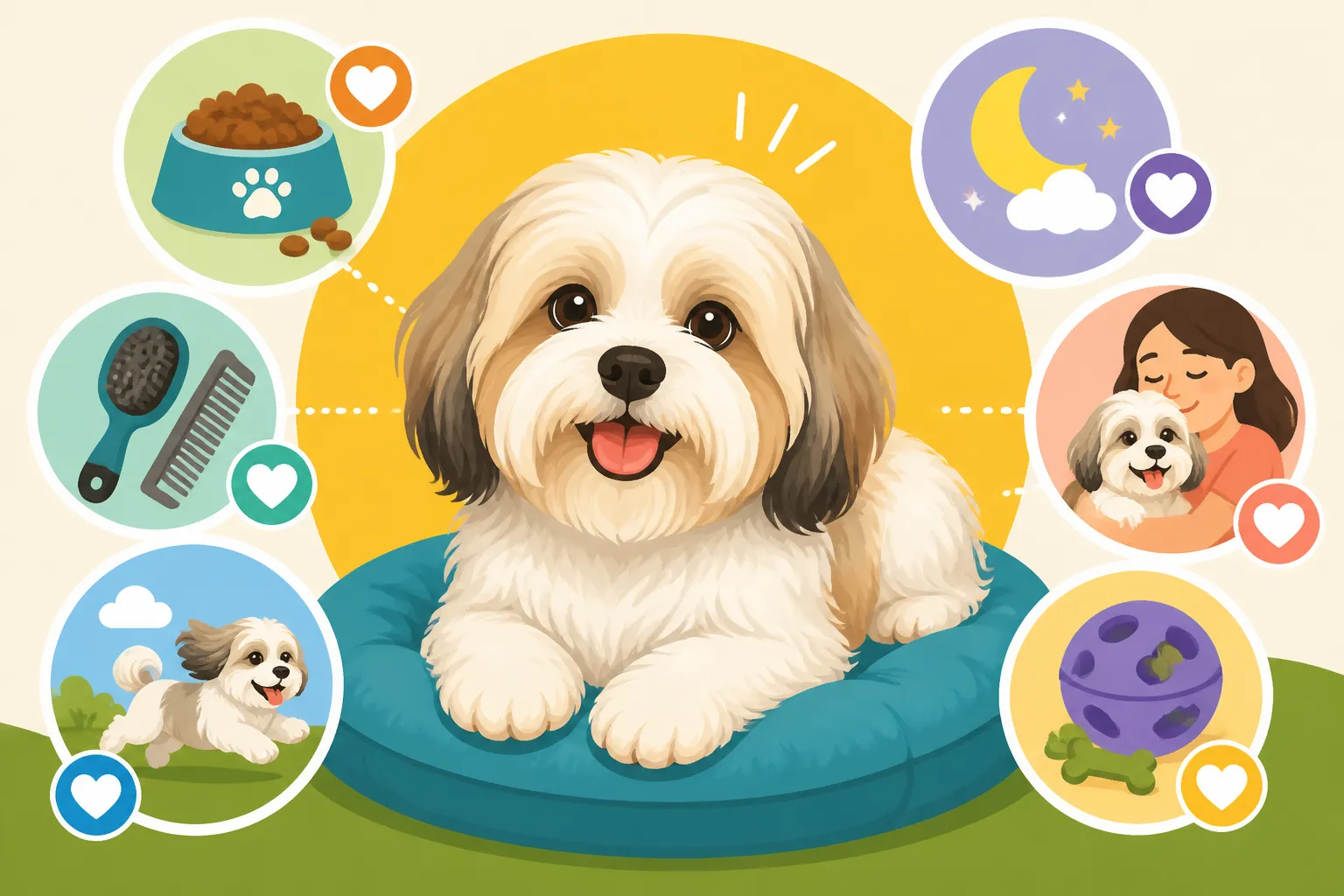
Daily Havanese Needs at a Glance
To make it a little easier to visualize, here's a quick summary of those daily essentials:
| Category | Daily Tasks | Key Benefit |
|---|---|---|
| Grooming | Full body brush-out, eye wipe, ear check, paw check, teeth brushing | Prevents mats, maintains hygiene, prevents infections, ensures comfort |
| Nutrition | Two portioned meals, fresh water always available, healthy treats in moderation | Maintains energy, healthy weight, supports overall health |
| Exercise & Mental | 2+ walks, indoor play, puzzle toys, short training sessions | Burns energy, prevents boredom, keeps mind sharp, strengthens bond |
| Potty Routine | Consistent trips outside (3-5+), prompt cleanup of accidents | Successful housetraining, prevents discomfort |
| Affection & Bonding | Quality time, cuddles, responsive interaction, inclusion in daily activities | Builds trust, reduces anxiety, fulfills companionship needs |
| Health Checks | Visual/tactile body scan, monitor eating/drinking/elimination | Early detection of health issues, proactive care |
Taking care of a Havanese truly is a daily commitment, but it's one that rewards you with boundless love, laughter, and an incredible bond.
Disclaimer
This article is for general informational purposes only and does not constitute professional advice. Laws, prices and regulations vary by location and change over time. Consult a qualified professional for guidance on your specific situation.