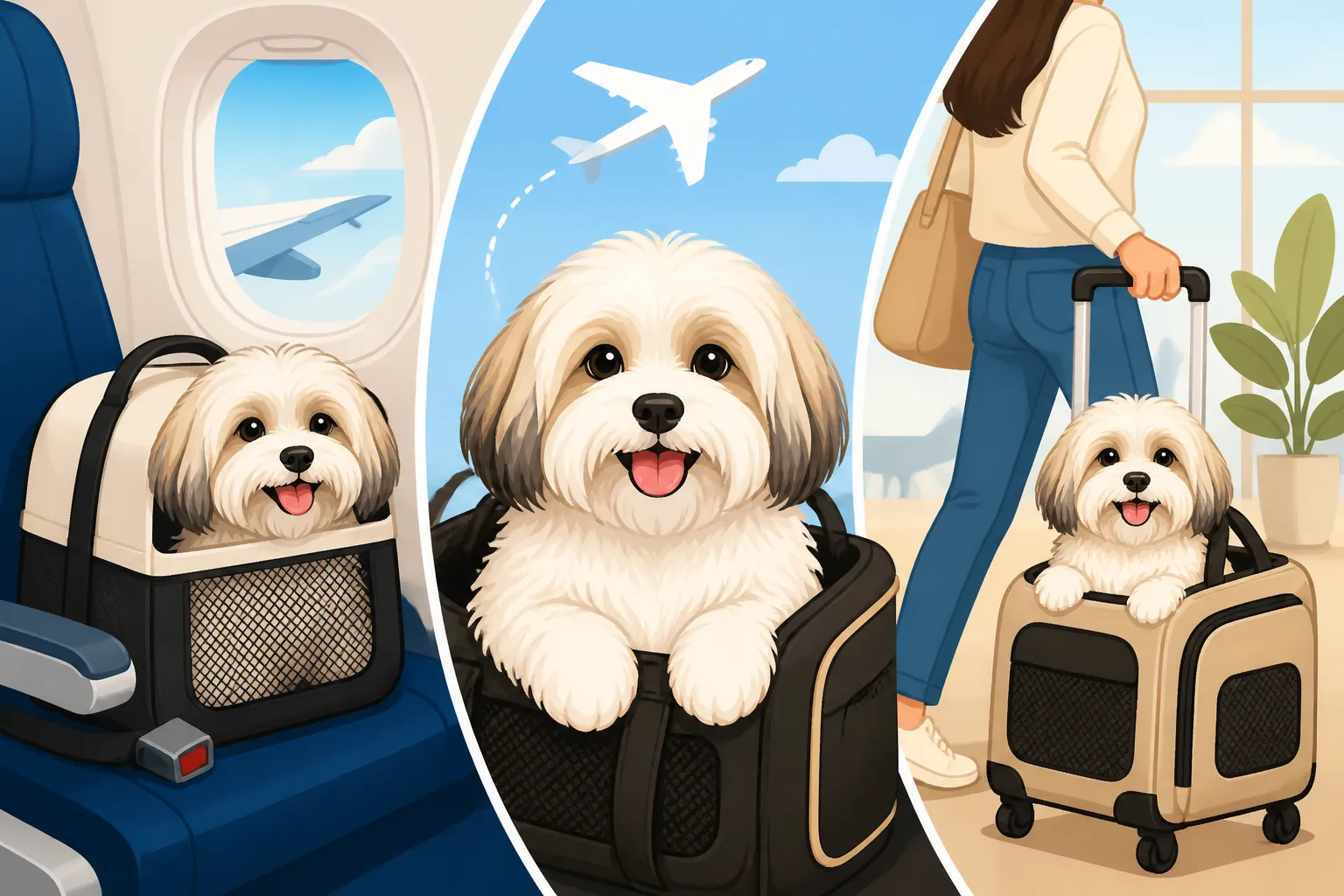
Flying, Carrying and Traveling With a Havanese
Traveling with your beloved Havanese can feel like a daunting task, can't it? You adore their company, but the thought of navigating airports, long car rides, or strange new places with your little shadow in tow often brings up a whole host of worries: Will they be safe? Will they be stressed? Will you even be allowed to bring them? This comprehensive guide is here to alleviate those anxieties, walking you through everything you need to know about flying, carrying, and generally traveling with your Havanese, ensuring both of you have a smooth, enjoyable journey.
Understanding the Challenges of Traveling with a Havanese
Bringing your Havanese along for an adventure sounds wonderful in theory, but the reality is that traveling with a small dog presents a unique set of challenges that need careful consideration. These aren't just minor inconveniences; they can genuinely impact your furry friend's well-being and your peace of mind.
The Stress on a Small Dog
Our Havanese companions are known for their delightful, affectionate personalities, but they're also highly sensitive creatures. This means that changes in routine, new environments, and prolonged confinement can be incredibly stressful for them. Imagine being tiny, surrounded by giants, and suddenly thrust into a chaotic, noisy airport or a rumbling vehicle for hours on end. It's a lot to process!
Small breeds, by their very nature, are more susceptible to motion sickness than larger dogs. That adorable little tongue flicking out could be a sign of nausea, not just curiosity. The symptoms might range from drooling and lethargy to full-blown vomiting, which is unpleasant for everyone involved. Beyond the physical, there's the emotional toll. Havanese thrive on companionship and routine, so being separated from you or experiencing unfamiliar sights and sounds without their usual comforts can lead to significant anxiety. They might whine, pant excessively, or even have accidents, all signs that they're feeling overwhelmed. It's crucial to remember that their world is often centered around us, and any disruption to that bond, even temporary, can be upsetting. They truly are the definition of a companion dog, and that deep attachment means they notice and react to every change.
Navigating Airline Regulations for Small Breeds
The world of airline travel is a minefield of rules and regulations, and it seems to get more complicated when you add a pet into the mix. For small breeds like the Havanese, the primary consideration is often whether they can fly in the cabin with you or if they'll be relegated to cargo. Most airlines have strict size and weight limits for pets allowed in the cabin, typically requiring them to fit comfortably in a carrier that can slide under the seat in front of you. This means your Havanese, even if they're a bit on the larger side of the breed standard (perhaps closer to 12-14 pounds), might be pushing the limits. Each airline has its own specific carrier dimensions, and it's not a "one size fits all" situation.
Beyond the physical constraints, there's a mountain of paperwork. You'll likely need a health certificate issued by a licensed veterinarian within a specific timeframe (usually 10 days) of your travel date, confirming your Havanese is healthy enough to fly and free of contagious diseases. Proof of up-to-date vaccinations, especially rabies, is almost always required. Some airlines might also ask for proof of microchipping. Failing to meet even one of these requirements can lead to your Havanese being denied boarding, leaving you stranded and stressed. It feels like an obstacle course designed specifically to deter pet owners, but with careful planning, it's navigable.
Preparing for Road Trips and Other Adventures
While road trips offer more flexibility than air travel, they come with their own set of safety concerns and logistical hurdles. The open road might seem liberating, but an unsecured Havanese in a car can be a serious hazard. In a sudden stop or accident, they can become a projectile, causing injury to themselves or passengers. Even a minor swerve can send them tumbling. Moreover, a curious Havanese exploring the car can distract the driver, increasing the risk of an accident. You wouldn't think such a small dog could cause so much trouble, but their desire to be close to you can be a safety issue.
Many people enjoy letting their dogs ride with their heads out the window, but for a Havanese, this poses significant risks. Debris, insects, or even another car's exhaust fumes can cause eye injuries, ear infections, or respiratory problems. The wind itself can be damaging to their delicate eyes and ears. Planning your route to include regular stops for potty breaks and stretching is essential, especially for a dog with a smaller bladder and shorter legs. You also need to consider temperature control within the vehicle. A car can heat up incredibly fast, even on a mild day, turning into a death trap for a small dog if left unattended. On the flip side, extreme cold can also be dangerous, especially for Havanese with shorter clips who might need a sweater. You'll also want to make sure you have enough food and water. If your Havanese eats fresh food, like that from Ollie, ensuring it stays cool on a long journey will be important.
Flying with Your Havanese in the Cabin
For many Havanese owners, flying with their little companion in the cabin is the preferred and often only acceptable option. It keeps them close, minimizes stress, and allows you to monitor their well-being throughout the journey. But don't be fooled; "in-cabin" doesn't mean "no hassle." There's still a lot to consider before you even book your ticket.
Choosing the Right Airline and Carrier
This is where your research really pays off. Not all airlines are created equal when it comes to pet travel. Some are notoriously more pet-friendly than others, offering clear guidelines and a smoother booking process. It's not uncommon for airlines to limit the number of pets allowed in the cabin per flight, so booking well in advance is crucial, sometimes even before you book your own seat! You'll need to dig deep into each airline's specific pet policy, checking their exact carrier dimensions. These measurements vary, and a carrier that fits under a seat on one airline might be too tall or wide for another. You might even find that certain planes have smaller under-seat spaces than others, so double-check the aircraft type for your specific flight.
When it comes to the carrier itself, don't just grab the first one you see. Look for soft-sided carriers that offer good ventilation, a leak-proof bottom (just in case!), and enough room for your Havanese to stand up, turn around, and lie down comfortably. Brands like Sherpa and SturdiBag are often recommended because they're designed with airline regulations in mind and offer features that prioritize your pet's comfort and safety. Before your trip, get your Havanese accustomed to their carrier. Leave it open at home, put treats and toys inside, and make it a cozy, positive space. Take them on short drives in it. The more familiar and comfortable they are with it, the less stressful the actual travel day will be. You want them to view it as their safe den, not a scary prison.
Essential Pre-Flight Preparations
Once you've nailed down your airline and carrier, it's time to tackle the preparations. A visit to your veterinarian is non-negotiable. They'll perform a thorough check-up to ensure your Havanese is healthy enough for travel and provide the necessary health certificate, usually within 10 days of your flight. Make sure all vaccinations, especially rabies, are up-to-date and that you have physical proof of these. Many international destinations will require a rabies titer test, which means drawing blood and sending it to a lab, and this can take weeks or even months to process.
Beyond health, ensure your Havanese is microchipped and that your contact information is current. Attach clear ID tags to their collar with your cell number and even your destination contact details. On the day of travel, consider adjusting their feeding schedule. A lighter meal several hours before the flight is generally a good idea to minimize the risk of an upset stomach or accidents in the carrier. Also, give your Havanese plenty of exercise before heading to the airport. A tired dog is a calmer dog, and a good run or a long walk can help them relax during the flight. Just be mindful not to over-exert them; you want them tired, not exhausted and stressed.
Managing the Airport and Flight Experience
The airport itself can be a whirlwind of sensory overload. Loud announcements, bustling crowds, and strange smells are enough to make anyone anxious, let alone a small Havanese. When going through security, you'll typically need to remove your Havanese from their carrier and carry them through the metal detector while the carrier goes through the X-ray machine. This can be a moment of stress, so keep your Havanese securely held or in a well-fitting harness and leash. Be aware of designated pet relief areas, which many airports now provide both pre- and post-security. These can be lifesavers for last-minute potty breaks.
Once on the plane, place the carrier under the seat in front of you. While it's tempting to want to pull them out for a cuddle, resist the urge. Most airlines strictly prohibit removing your pet from their carrier during the flight. To help your Havanese stay calm, you can slip a comfort item like a small, familiar blanket or a favorite chew toy into the carrier. Some owners find that calming treats or pheromone sprays can help, but always consult your vet before giving any sedatives, as these can sometimes have adverse effects at altitude. Your vet can advise whether medication is appropriate for your specific Havanese. Remember, the goal is a peaceful journey for everyone, and sometimes a little quiet comfort is all your Havanese needs. This is where having a good understanding of The Havanese That Cannot Be Left Alone can really help manage expectations and strategies for their comfort.
Road Tripping Safely and Happily with Your Havanese
There’s something wonderfully spontaneous and freeing about hitting the open road with your Havanese. No strict airline rules, no luggage limits (within reason!), and the ability to stop whenever and wherever you please. However, this freedom comes with the responsibility of ensuring your Havanese is safe, comfortable, and happy for the entire journey.
Securing Your Havanese in the Car
Safety is paramount when traveling by car. An unrestrained Havanese, as charming as they are, is a huge risk. They could be seriously injured in a sudden stop or collision, and even worse, they could injure other passengers. Imagine your furry friend becoming a 10-pound projectile in an emergency; it’s a terrifying thought. Beyond accident risks, an unsecured Havanese can be a major distraction to the driver, jumping on laps, barking at passing cars, or trying to get into the front seat.
There are several excellent options for securing your Havanese. A crash-tested dog car seat provides a booster effect, allowing them to look out the window safely while keeping them contained. These often buckle into the car's seatbelt system. Another popular choice is a travel crate or carrier, securely strapped into the back seat or cargo area. Make sure it's well-ventilated and offers enough space for your Havanese to stand and turn around. For dogs that prefer to be closer to you, a properly fitted safety harness that attaches to a seatbelt is a good compromise. Brands like Kurgo and Sleepypod offer crash-tested options that prioritize safety. While the sight of a Havanese with their head out the window looks fun, it's actually quite dangerous due to debris, wind damage to eyes and ears, and the risk of jumping out. It’s better to keep them safely inside.
Packing for the Canine Traveler
Think of packing for your Havanese like packing for a small child – you need to anticipate every need and then some. A well-stocked bag for your dog makes all the difference for a stress-free trip. First and foremost, their food and water. Don't forget their usual bowls! Sticking to their regular diet is crucial to avoid upset stomachs, especially with the stress of travel. If your Havanese eats a specialized fresh food diet, like those offered by Ollie, make sure you have a cooler to keep it fresh. Don't forget an ample supply of water; tap water in different areas can sometimes upset a dog's stomach, so bringing bottled water or filtered water from home is a good idea. You can find excellent travel bowls and collapsible containers from retailers like Chewy.
Medications, if your Havanese is on any, are another priority. Pack them in clearly labeled containers with dosage instructions, and always bring extra in case of delays. A basic pet first-aid kit is also a smart addition, including items like antiseptic wipes, bandages, paw balm, and tweezers for splinters or ticks. Familiar toys and a favorite blanket can provide comfort and a sense of normalcy in unfamiliar surroundings. And, of course, don't forget plenty of waste bags for potty breaks, as well as an old towel or wet wipes for muddy paws or unexpected messes. Planning ahead for these small details can prevent big headaches on the road.
Planning Pet-Friendly Stops and Accommodations
The beauty of a road trip is the ability to choose your stops, but when traveling with a Havanese, those stops need to be pet-friendly. Researching hotels, motels, and even campsites that welcome dogs before you leave is essential. Websites and apps like BringFido or GoPetFriendly can be invaluable resources, listing pet policies, fees, and even reviews from other pet owners. Don't just assume "pet-friendly" means free; many establishments charge a nightly pet fee, and some have restrictions on breed size or the number of pets. It's always best to call ahead and confirm.
During your drive, plan for regular stops, ideally every 2-3 hours, to allow your Havanese to stretch their legs, relieve themselves, and get some fresh air. Look for rest stops with designated pet areas or parks where they can safely run on a leash. Local dog parks can be a great way for your Havanese to burn off some energy if they are well-socialized and have all their vaccinations. Just be mindful of the other dogs and remember that not all interactions are positive. Always supervise closely. When you arrive at your accommodation, make sure your Havanese settles in comfortably. Provide their bed, water, and perhaps a long-lasting chew to help them decompress after the journey. Remember, they are often creatures of habit, and disruptions to their usual routine can be stressful, so maintaining some semblance of normalcy, especially with their feeding schedule, is very helpful.
Alternative Travel Options and Considerations
Sometimes flying or driving isn't the best, or even possible, way to travel with your Havanese. Thankfully, there are other modes of transport and situations where leaving them behind with trusted care might be the kindest option. Understanding all your choices can help you make the best decision for your unique situation and your furry friend's temperament.
Train and Bus Travel
Train travel can be a more relaxed experience than flying for some small dogs, as it often involves fewer intense noises and less confinement under a seat. In the United States, Amtrak allows small dogs and cats up to 20 pounds (including the carrier) on most routes shorter than seven hours. Your Havanese would need to be in an approved carrier that fits under the seat, much like airline travel. The rules are quite specific, including a limited number of pets per train, so booking far in advance is critical. For many, this is a much less stressful alternative to flying, offering a gentler transition and more stable environment.
Bus travel, on the other hand, is generally much more restrictive. Major intercity bus lines like Greyhound typically do not allow pets on board, with the exception of service animals. This means that for a pleasure trip, bus travel is usually not an option for your Havanese. Always double-check the specific company's policies, as they can change, but generally, trains offer a better chance for in-cabin pet travel than buses do. The slower pace and ability to move around a bit more (within limits) on a train might just suit your Havanese's sensitive nature better than the confines of an airplane or a long, bumpy bus ride.
Pet Sitters and Boarding Facilities
There are times when traveling with your Havanese, no matter how well-prepared you are, simply isn't feasible or in their best interest. Extended international trips with quarantine requirements, very long flights, or destinations that aren't pet-friendly are all good reasons to consider alternative care. Leaving your Havanese at home with a trusted pet sitter who can come to your house can be an excellent option. This allows your dog to stay in their familiar environment, maintain their routine, and receive one-on-one attention. A good pet sitter can provide updates and photos, giving you peace of mind. Many Havanese, being so bonded to their families, can struggle with separation anxiety, and a consistent routine at home can mitigate this. You might want to consider The Havanese That Cannot Be Left Alone article for more insight into managing their alone time.
Reputable boarding facilities are another option, particularly those that offer private kennels or specialized small dog areas. When choosing a boarding kennel, look for clean facilities, attentive staff, and plenty of opportunities for exercise and socialization (if appropriate for your dog). Always do a tour beforehand, ask about their emergency protocols, and read reviews. Ensure they are comfortable administering any medications your Havanese might need. It's a good idea to do a trial overnight stay before a longer trip to see how your Havanese adjusts. Sometimes, the best travel plan for your Havanese is to keep them safely and happily at home, surrounded by familiar comforts, under the care of someone they trust.
International Travel Considerations
Taking your Havanese across international borders introduces a whole new level of complexity. Each country has its own unique import regulations, and these can be incredibly strict and varied. For example, countries like the UK, Australia, and New Zealand have rigorous quarantine laws designed to protect their native ecosystems from diseases. These quarantines can last anywhere from a few days to several months, which is a significant commitment and often very stressful for a pet. Even countries without mandatory quarantine might require extensive preparation.
You might need specific health certifications from government-approved vets, rabies titer tests (which measure the level of rabies antibodies in your dog's blood and can take weeks to process), specific parasite treatments, and microchip requirements that adhere to international standards. The entire process can take months of planning and coordination, so it's vital to start your research well in advance. Websites for the Department of Agriculture or equivalent government agencies in your destination country are the best places to find the most up-to-date information. Missing even one small detail can result in your Havanese being denied entry or placed in a lengthy, expensive quarantine. For complex international travel, consulting a professional pet relocation service can be a wise investment to navigate the labyrinth of regulations.
Health and Safety On the Go
Just like us, our Havanese can experience a range of health issues when traveling. Being proactive about their health and having a plan for emergencies can make all the difference between a minor hiccup and a major crisis. Ensuring their well-being is key to a truly enjoyable trip for both of you.
Preventing and Managing Motion Sickness
Motion sickness is a common problem for dogs, especially small breeds like Havanese, and it can quickly turn a fun outing into a miserable experience. The signs can be subtle at first: excessive drooling, licking lips, restlessness, or yawning. These can quickly escalate to whining, lethargy, anxiety, and ultimately, vomiting. Understanding motion sickness is important for any owner.
The best approach is often prevention and gradual acclimatization. Start by taking your Havanese on very short car rides, perhaps just around the block, and gradually increase the duration. Make these trips positive experiences with treats and praise. Ensure they are facing forward and can see out the window if possible, as this can sometimes help with equilibrium. Avoid feeding them a large meal right before travel. For dogs prone to severe motion sickness, your vet can prescribe anti-nausea medications that can be given before travel. There are also over-the-counter remedies and natural supplements, but always discuss these with your vet first to ensure they are safe and appropriate for your Havanese. A familiar blanket or a special calming chew can also help provide comfort and distraction.
Emergency Preparedness and Pet Insurance
No one wants to think about emergencies while on vacation, but being prepared can save your Havanese's life. Before you leave, research and note down the contact information for emergency veterinary clinics at your destination. Knowing where to go in an unfamiliar city can save precious time in a crisis. Keep your Havanese's vet records, including vaccination history and any current medications, easily accessible in a digital format (on your phone) and a physical copy. This information is critical if you need to visit a new vet.
This is also where pet insurance really shines. Unexpected accidents or illnesses can lead to incredibly expensive vet bills, especially if you're out of town and dealing with emergency fees. Pet insurance, such as Healthy Paws, can help cover these costs, providing financial peace of mind. Familiarize yourself with your policy's coverage, especially for emergencies and out-of-network vets. Some policies might have clauses for pre-existing conditions or certain breed-specific issues like The Kneecaps a Havanese Slips or The Heart Murmur an Older Havanese Develops, so it's good to know what's covered. Having insurance means you can focus on getting your Havanese the best care without stressing about the financial burden, which is an invaluable asset when traveling.
Protecting Your Havanese from Environmental Hazards
Different environments present different risks. If you're traveling to a warm climate, heatstroke is a significant concern for Havanese. Their double coats, while beautiful, can make them prone to overheating. Always ensure they have access to fresh water and shade, and avoid strenuous exercise during the hottest parts of the day. Never leave your Havanese in a parked car, even for a few minutes, as temperatures can rise rapidly and be fatal. On the flip side, if you're heading to a cold destination, your Havanese might need a protective layer. A smaller Havanese, especially one with a shorter coat, can get cold quickly. Whether a Havanese Needs a Coat in Winter is a question many owners face, and it's important to consider their comfort.
Pest control is another crucial aspect. Traveling to areas with different climates or wildlife can expose your Havanese to new parasites. Ensure their flea, tick, and heartworm prevention is up-to-date before you go. If you're hiking, check them thoroughly for ticks afterward. Be aware of local plant life that might be toxic, and always supervise your Havanese in unfamiliar outdoor spaces. Keeping them hydrated and comfortable by trimming their paw hair can also help them navigate varied terrains. By being mindful of the environment, you can prevent many common travel-related health issues.
Making Travel a Positive Experience for Your Havanese
Ultimately, the goal is for travel to be an enjoyable bonding experience for both you and your Havanese, not just a means to an end. With a little foresight and a lot of patience, you can help your furry friend become a confident and happy travel companion.
Socialization and Desensitization to New Environments
The key to a well-adjusted travel dog starts long before the actual trip. Early and consistent socialization is vital for a Havanese puppy. Expose them to a variety of sights, sounds, people, and other dogs in a positive and controlled manner. This helps them build confidence and resilience when faced with new situations. For older Havanese, desensitization can involve gradually introducing them to elements of travel, like the car or the carrier. Start with short, positive experiences. If your Havanese is hesitant about the car, begin by simply sitting in the parked car with them, offering treats and praise. Slowly progress to short drives, making each one a positive experience.
The more comfortable your Havanese is with novel stimuli, the less likely they are to be overwhelmed by the chaos of an airport or a new hotel room. Use positive reinforcement to reward calm behavior in new environments. Attend local dog-friendly events or places where they can experience crowds and different noises in a controlled setting. Remember, a well-socialized Havanese is generally a happier, more confident Havanese, and this translates directly to better travel behavior. You're building their "coping toolkit" for the world.
Maintaining Routine and Comfort
Havanese thrive on routine. While travel inevitably disrupts some aspects of their daily life, striving to maintain as much normalcy as possible will greatly reduce their stress. Bring along familiar items like their favorite bed, blanket, or a selection of their beloved toys. These items carry their scent and provide a comforting sense of home in an unfamiliar place. Even a simple dog mat that you use in various locations can signal "relax time."
Try to stick to their regular feeding and potty schedules as much as you can. If they usually eat at 7 AM and 5 PM, aim for those times, even if it means packing a meal to-go. Regular potty breaks are not just about preventing accidents but also about maintaining a sense of normalcy and routine for them. Provide quiet time and opportunities for rest, especially after a long travel day. Just like children, dogs need downtime to recharge and process new experiences. Don't overschedule their day with constant activity; allow them moments to simply relax and be a dog. This balance of adventure and calm helps them understand that while the location may change, the fundamental comforts of their life remain.
Enjoying the Journey Together
Traveling with your Havanese should be about creating shared memories and strengthening your bond. Focus on the positive aspects of the journey and be present with your dog. Observe their body language and recognize their limits. If they seem overwhelmed or stressed, be prepared to adjust your plans. Maybe that hike you wanted to take is too much, and a leisurely stroll is more appropriate. Perhaps they'd prefer quiet time in the hotel room rather than a bustling cafe. Understanding How Much Exercise a Havanese Needs is key to planning activities that suit them.
Remember that your Havanese is an extension of your family, and their comfort and happiness are important. Take photos, enjoy the moments, and cherish the unique experiences that traveling with a dog brings. You'll likely discover new places and perspectives you wouldn't have otherwise. Whether it's a cross-country adventure or a weekend getaway, the memories you make with your Havanese by your side will be priceless. And don't forget to continue their regular care routines, even on the road. Making sure you're still doing How Often a Havanese's Teeth Need Scaling at home, for instance, means fewer worries later on.
| Aspect of Travel | Flying in Cabin | Road Trip |
|---|---|---|
| Cost | Often higher (pet fee per flight, health certificates) | Variable (gas, pet-friendly accommodation fees) |
| Stress for Havanese | Moderate to High (airport noise, confined carrier, pressure changes) | Low to Moderate (familiar vehicle, more frequent breaks) |
| Owner Control | Limited (airline rules, security procedures) | High (flexible schedule, chosen stops, environment control) |
| Convenience | Can be quick for long distances, but highly structured | Slower for long distances, but very flexible |
| Preparation Time | Extensive (vet visits, airline research, booking) | Moderate (packing, pet-friendly route planning) |
| Health Risks | Pressure changes, potential stress-induced illness | Motion sickness, overheating, outdoor hazards |
| Gear Needed | Airline-approved carrier, leash, collar, health documents | Car restraint (seat, crate), food, water, bowls, first-aid |
Disclaimer
The information provided in this article is for general informational purposes only and does not constitute professional veterinary advice. Always consult with a qualified veterinarian regarding your Havanese's health and specific travel needs. Travel regulations and airline policies can change frequently, so it is essential to verify all requirements directly with airlines and relevant authorities before making travel arrangements.