Whether a Deep Bowl Wets a Havanese’s Beard
As Havanese parents, we adore their fluffy faces and expressive eyes, but one common frustration almost every owner faces is the perpetually wet, often stained, and sometimes even smelly beard. It’s not just an aesthetic issue; a constantly damp beard can lead to skin irritation and an uphill battle with grooming. This guide is here to walk you through exactly why standard deep bowls are often the culprit behind this damp dilemma and, more importantly, what practical steps and alternative solutions you can implement to keep your Havanese's adorable muzzle clean, dry, and healthy.
The Wet Beard Predicament: Why it's a Havanese Thing
If you've ever found yourself wiping your Havanese's chin multiple times a day, or noticed that distinct damp-dog smell emanating from their face, you're not alone. The Havanese breed, with its luxurious, flowing coat, is particularly prone to this issue, and it's something many first-time owners are surprised by. It seems like a minor detail, but a persistently wet beard can become a significant source of discomfort for your furry friend and a daily chore for you.
The Anatomy of a Havanese Beard: It's Not Just Hair, It's a Feature!
The Havanese is known for its beautiful, soft double coat, and nowhere is it more prominent than around their expressive face. Unlike some breeds with shorter muzzles or coarser hair, the Havanese boasts a long, silky beard and mustache that frames their adorable features. This isn't just a stylistic flourish; it’s part of their charm and breed standard, meant to grow long and often merge with the hair on their chest. However, this very characteristic, while lovely to behold, also makes them uniquely susceptible to picking up moisture and food particles. When they dip their snout into a water bowl or munch on their kibble, that long, absorbent hair acts like a sponge, soaking up everything it touches. The Silky Double Coat a Havanese Grows to the Floor really highlights how their coat is a defining feature, and understanding its texture helps explain why it holds onto moisture so readily.
The Unintended Consequences: Beyond Just Wetness – Staining, Odor, and Potential Skin Issues
A wet beard is more than just inconvenient; it can lead to a host of other problems. The most common and visible issue is staining. Minerals in water, pigments from food, and even natural yeast and bacteria that thrive in damp environments can all contribute to unsightly reddish-brown discoloration around the muzzle. This staining can be incredibly stubborn to remove, often requiring specialized products and persistent effort.
Beyond aesthetics, there's the odor. That damp, sometimes slightly yeasty smell from a constantly wet beard can be quite noticeable and, frankly, unpleasant. It's a sign that bacteria or yeast might be taking hold. And if left unchecked, persistent dampness can irritate the delicate skin underneath the hair. This irritation can manifest as redness, itching, or even lead to bacterial or yeast infections, requiring veterinary intervention. It's a constant battle to Keeping a Havanese's Face Clean and Dry to prevent these issues from escalating.
Deep Bowls: A Design Flaw for the Havanese Face
Many of us just grab whatever dog bowl looks appealing or is readily available, not realizing that the design can have a profound impact on our Havanese's daily cleanliness and comfort. Standard deep bowls, while perfectly fine for many breeds, pose a particular challenge for our long-bearded companions.
How Standard Bowls Aggravate the Problem: Explaining the Mechanics of a Havanese Dipping Its Entire Muzzle
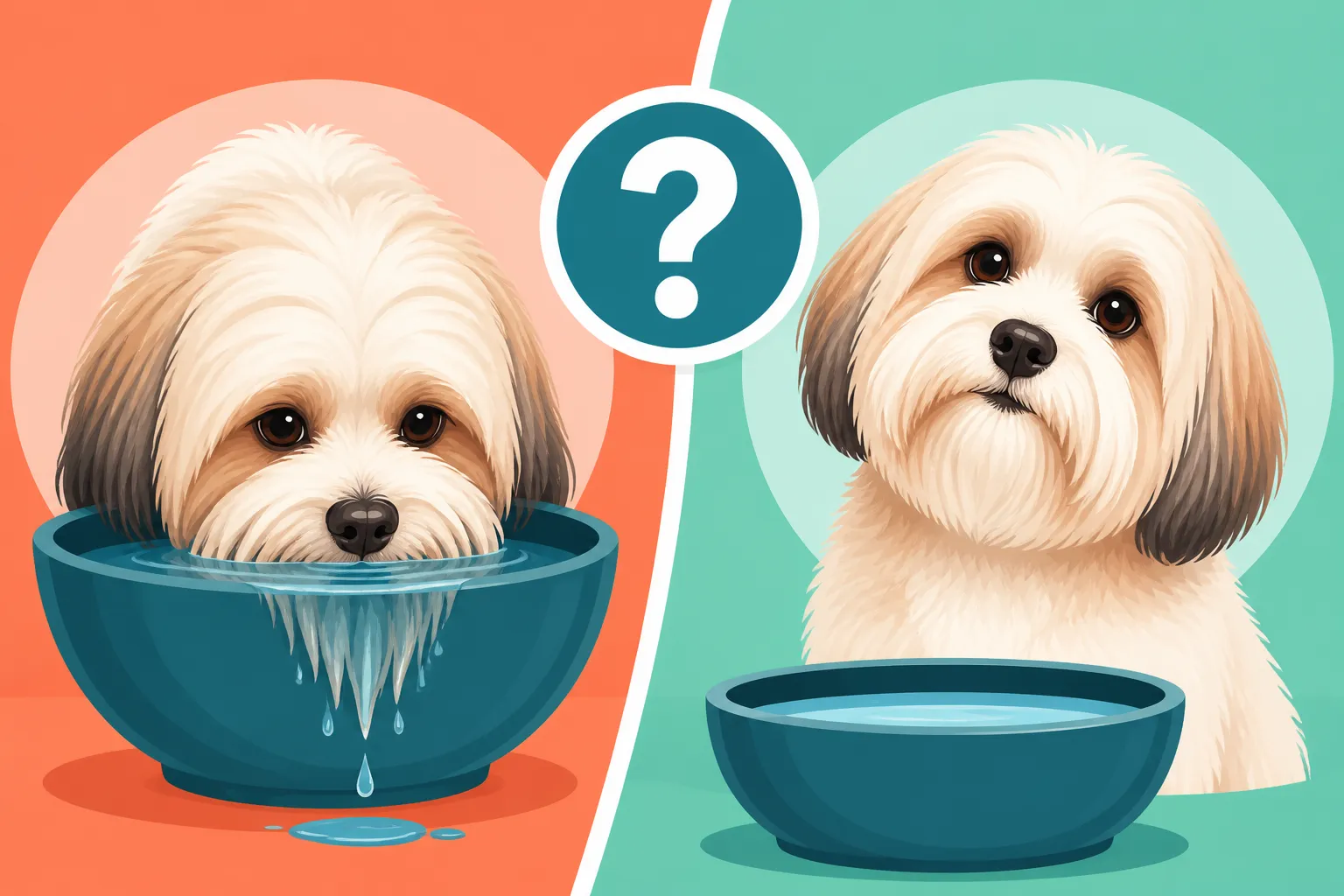
Imagine trying to drink from a deep glass when you have a long, flowing scarf wrapped around your neck and chin. You'd inevitably get the scarf wet. It's much the same for a Havanese. When they lean down to drink from a standard deep water bowl, their entire muzzle, including the substantial beard and mustache hair, plunges right into the water. There's no way for them to just get their tongue wet without soaking a significant portion of their facial hair. The same goes for food bowls, especially if they're particularly deep or wide, allowing the beard to drag through the meal.
This isn't a problem unique to Havanese, of course; other long-coated breeds face similar challenges. But with the Havanese's playful nature and tendency to be a bit "full immersion" when it comes to hydration, a deep bowl guarantees a dripping, soaking wet beard after every single sip. You might find them shaking their head vigorously afterward, spraying water everywhere, or rubbing their wet face on your carpets, furniture, or even your leg!
The Messy Aftermath: Water Drips, Food Particles Stuck in Wet Fur, and the Cycle of Grime
The immediate consequence of a deep bowl is the water mess around the bowl itself. Puddles become a norm, and you might find yourself constantly mopping or laying down towels. More importantly, that wet beard quickly becomes a magnet for everything else. As your Havanese moves from the water bowl to their food bowl, or simply around the house, dirt, dust, and food particles adhere to the damp fur. If they've just eaten, any remnants of kibble, wet food, or treats can become thoroughly embedded in the wet beard, drying into crusty, uncomfortable clumps.
This creates a cycle of grime. The beard gets wet, picks up debris, dries stiff and dirty, then gets wet again, reactivating the old mess and adding to it. This constant dampness and accumulation of foreign matter are the perfect breeding ground for bacteria and yeast, leading to the staining and odor mentioned earlier. It’s a frustrating scenario that makes you wonder if Whether a Havanese's Beard Stains is an inevitable part of ownership. It doesn't have to be!
Smart Bowl Solutions for a Drier, Cleaner Havanese Beard
Thankfully, you don't have to resign yourself to a perpetually soggy-faced Havanese or a life of constant wiping. There are many clever product innovations and simple changes you can make to your feeding and watering setup that will dramatically improve the situation.
Specialized Water Bowls: The "No-Splash" and "Slopper Stopper" Designs
The market has responded to the needs of long-coated and messy drinkers with some ingenious bowl designs. These are specifically crafted to limit how much of your dog's face can access the water at once.
- Slow Feeder/Anti-Splash Water Bowls: These bowls often feature a floating disc or a raised center with a small opening. The disc sinks slightly when pressed by the dog's tongue, allowing only a small amount of water to surface. This design prevents large gulps, minimizes splashing, and, crucially for a Havanese, keeps the bulk of their beard out of the water. You can find many effective options from brands that focus on pet accessories, available on platforms like Chewy or Amazon. Look for ones made of durable, easy-to-clean materials.
- Narrow Bowls: Some bowls are designed with a smaller diameter opening at the top, gradually widening towards the base. This forces your Havanese to insert their muzzle more carefully, naturally pushing the beard hair away from the water surface.
These types of bowls can be a game-changer, reducing the frequency of wet beard incidents significantly. It might take your Havanese a day or two to get used to the new design, but most adapt quickly, realizing that they can still get plenty of water without soaking themselves.
Elevated Bowls: Better Posture, Less Dipping
While often recommended for larger breeds to aid digestion and prevent neck strain, elevated bowls can also offer a subtle benefit for Havanese with beard woes. By raising the food and water to a more comfortable height, your Havanese doesn't have to bend their neck as far down. This can result in less of their facial hair dipping into the bowls. It won't solve the problem entirely, especially with water, but combined with other solutions, it can contribute to a drier beard. Just make sure the height is appropriate for your Havanese – you want it to be at a comfortable standing height, not too high or too low. Platforms like Amazon offer a wide variety of adjustable elevated feeders.
Food Bowl Innovations: Narrow, Shallower Bowls, or Even Lick Mats for Wet Food
When it comes to food, the principles are similar: minimize contact between the beard and the meal.
- Shallow, Narrow Bowls: Opt for bowls that are wide enough for their nose but shallow enough that their beard doesn't drag through the food. Ceramic or stainless steel bowls are excellent choices because they are easy to clean and sanitize.
- Lick Mats for Wet Food: If your Havanese enjoys wet food, consider using a lick mat. These textured silicone mats spread out a small amount of food, encouraging slower eating and significantly reducing the amount of beard contact. It’s a fantastic enrichment tool and a great way to keep that beard clean during meals. For those who feed fresh food, brands like Ollie often come in textures that spread well on lick mats, keeping mealtime cleaner.
- Snuffle Mats for Kibble: For kibble, a snuffle mat can turn mealtime into a fun foraging game. While not directly preventing a wet beard, it engages their brain and keeps their face mostly out of the food pile.
| Bowl Type | Beard Wetness Impact | Splash Reduction | Ease of Cleaning | Pros | Cons |
|---|---|---|---|---|---|
| Standard Deep Bowl | High | Low | High | Widely available, inexpensive | Soaks beard, messy, can cause staining |
| Floating Disc Water Bowl | Low | High | Medium | Keeps beard dry, reduces splashes | May require adaptation, more parts to clean |
| Narrow Mouth Bowl | Medium | Medium | High | Limits beard immersion, less splashing | Can be awkward for some dogs to use |
| Elevated Feeder | Medium | Medium | High | Improves posture, less beard dipping | Not a complete solution, needs correct height |
| Shallow Food Bowl | Low | N/A | High | Keeps beard out of food | May need to refill more often |
| Lick Mat (Wet Food) | Very Low | N/A | High | Minimizes contact, mentally stimulating | Only suitable for wet/soft food |
Beyond the Bowl: Holistic Beard Care Strategies
While the right bowl makes a huge difference, maintaining a pristine Havanese beard is a multi-faceted effort. It involves regular grooming, diligent cleaning, and even considering aspects of their diet.
Regular Grooming and Trimming: The Importance of Face Trims
Even with the best bowls, a long Havanese beard will always be more prone to getting wet and dirty than a shorter one. This is why regular grooming, especially face trims, is paramount. Many Havanese owners opt for a "puppy cut" or a shorter face trim precisely to manage this issue. A professional groomer can artfully trim the hair around the muzzle, eyes, and chin to keep it neat and minimize its length, reducing its absorbent capacity.
You can also learn to do touch-up trims at home between professional grooming appointments. Using blunt-nosed scissors and a steady hand, you can carefully trim the very ends of the beard hair, especially around the mouth and under the chin. This small change can make a surprising difference. It's a key part of the answer to Whether a Havanese Needs Its Muzzle Trimmed Short for practical reasons, not just aesthetics.
Daily Cleaning Rituals: Wiping the Beard After Every Meal and Drink
This might sound like a lot of work, but it truly is one of the most effective habits you can adopt. After every meal and after your Havanese drinks water, take a moment to gently wipe their beard.
- For Water: A soft, absorbent cloth, a paper towel, or even a specialized drying mitt can quickly soak up excess moisture.
- For Food: A damp cloth (warm water is often best) can help remove any stray food particles before they dry and become crusty. For persistent stains or odors, you might use a pet-safe facial cleanser or tear stain remover, as discussed in Whether a Havanese's Beard Stains. Regular, gentle wiping helps prevent staining from setting in and keeps the area free of bacteria-attracting dampness and food residue.
Diet and Water Quality: How These Can Influence Staining
Believe it or not, what your Havanese eats and drinks can also play a role in beard staining.
- Diet: Some foods, especially those with artificial colors or high iron content, can exacerbate reddish staining. If you're struggling with severe staining despite diligent cleaning, consider discussing your dog's diet with your vet. Switching to a high-quality, natural diet, perhaps even a fresh food option like those offered by Ollie, might make a difference for some dogs, though results vary.
- Water Quality: The mineral content in your tap water can contribute to staining. If your home has hard water (high mineral content), you might notice more prominent reddish or brownish stains. Some owners find success by providing filtered water for their Havanese. It might not eliminate staining entirely, but it can certainly help reduce it. Just as Whether Diet Changes a Havanese's Tear Staining explores, what goes in can sometimes show on the outside.
Combining these bowl solutions with consistent grooming and cleaning routines will provide the most effective defense against the wet, stained beard. It's about creating a holistic approach to care that honors your Havanese's unique features while ensuring their comfort and hygiene. Taking care of their face is just one part of their overall grooming needs, which can be quite significant, as outlined in What a Full Havanese Groom Costs. Ultimately, a happy, healthy Havanese is a clean Havanese, and a dry beard is a big step in that direction.
Disclaimer
This article is for general informational purposes only and does not constitute professional advice. Laws, prices and regulations vary by location and change over time. Consult a qualified professional for guidance on your specific situation.