Whether a Havanese’s Beard Needs Washing After Meals
If you're a Havanese parent, you know the daily struggle: you put down a fresh bowl of kibble or a delicious wet food meal, and within minutes, your sweet pup's pristine beard transforms into a crusty, food-encrusted mess. It’s not just a minor inconvenience; it can be a real battle to keep that gorgeous facial hair clean and healthy, leaving many of us wondering just how diligent we really need to be after every single meal. This guide will walk you through why those adorable beards become such food magnets, the potential issues a dirty beard can cause, and practical steps you can take to keep your Havanese looking, and feeling, their best.
Why Your Havanese's Beard Becomes a Post-Meal Disaster Zone
Let's face it, that luxurious, silky Havanese beard is one of their most charming features. It frames their expressive eyes and gives them that undeniably adorable look. But when it comes to mealtime, those beautiful locks turn into a natural food trap. It’s not just bad luck; it’s a combination of their physical characteristics and eating habits that makes it almost inevitable.
The Anatomy of a Food-Catching Beard
First, consider the Havanese coat itself. It’s a double coat, long and often quite fine, which is great for aesthetics but less so for cleanliness around the mouth. Unlike some breeds with shorter, wiry facial hair that might shed food more easily, the Havanese’s silky strands readily absorb moisture and cling to crumbs and bits of food. Imagine trying to eat soup with a long, flowing scarf – that’s pretty much what your Havanese is doing with their beard. The hair around their muzzle is specifically designed to grow long, often extending past their chin, creating a perfect net for anything that doesn't quite make it into their mouth. This also means that liquids, like water or the gravy from wet food, can wick up the hair, leaving it damp and attracting even more debris. You might notice this especially with water, where after a drink, they look like they've just had a facial dunking, dripping water everywhere and potentially staining the hair.
The Way Havanese Eat and Drink
Havanese, like many small breeds, often aren't the most delicate eaters. They plunge their little muzzles right into the bowl, enthusiastically scooping up their meal. This natural feeding style means their beard hair is directly in the line of fire. Wet food is a particular culprit, as it's sticky and easily smears onto the surrounding hair. Even dry kibble, when chewed, can produce crumbs that stick to a damp or oily beard. Then there's the drinking. Their beautiful, flowing facial hair dips into their water bowl with every sip, not only getting wet but also picking up any dust or stray food particles that might be floating on the surface. This creates a perpetually damp environment around their mouth, which we'll discuss more later. It’s an adorable sight to see them dive in, but it certainly doesn’t lend itself to a clean chin!
The Role of Food Type and Bowl Design
What you feed your Havanese can significantly impact the beard mess. Wet food, as mentioned, is the biggest offender due to its consistency. Raw food diets, while having many benefits, can also be quite messy around the mouth. Even certain types of kibble, if they're particularly crumbly or have a coating, can contribute to the "dirty beard" look. Beyond the food itself, the design of your Havanese's food and water bowls plays a huge role. A wide, shallow bowl might seem convenient, but it allows more of that precious beard hair to trail into the food and water. On the other hand, a bowl that’s too deep can force them to shove their entire face in to reach their meal, leading to even more mess. Finding the right balance in bowl design is a crucial step in managing the post-meal fallout. You might find various options available on sites like Chewy or Amazon.
The Unseen Dangers of a Chronically Dirty Beard
Beyond just looking a bit unkempt, a Havanese’s persistently dirty or damp beard can lead to several uncomfortable and potentially serious health issues. It's not just about aesthetics; it’s about their well-being. Ignored, these issues can cause discomfort, irritation, and even necessitate veterinary intervention.
Skin Irritation and Dermatitis
Think about what happens when food particles, saliva, and moisture are constantly trapped against the skin under that long beard hair. It creates a breeding ground for bacteria and yeast. Over time, this constant dampness and trapped debris can lead to skin irritation, redness, and inflammation, known as dermatitis. Your Havanese might start scratching at their face, rubbing it on furniture, or even developing an unpleasant odor. This irritation is deeply uncomfortable for them and can progress to more severe skin infections if left unchecked. It's similar to how human skin can get irritated if kept damp and dirty, but magnified by the density and length of their coat.
Yeast Infections and Odor
Yeast, particularly Malassezia, thrives in warm, moist, dark environments – exactly what a food-encrusted, perpetually damp Havanese beard provides. You’ll often recognize a yeast infection by a distinct, yeasty or "corn chip" smell emanating from their face. The hair might also take on a reddish-brown stain, especially noticeable on lighter-colored Havanese, which is caused by porphyrin in their saliva mixing with the yeast. This staining often starts around the mouth but can spread if the area isn't kept clean. Beyond the smell and staining, yeast infections are itchy and uncomfortable, causing your dog to rub and scratch, potentially making the irritation worse and leading to secondary bacterial infections. Regular cleaning is key to preventing these persistent issues, which are far more common than many owners realize. Whether a Havanese Gets Yeast in Its Ears is a similar concern, highlighting how moisture and warmth can lead to problems.
Matting and Tangles Around the Muzzle
The combination of food, moisture, and fine Havanese hair is a recipe for mats. Food particles, especially sticky ones, act like glue, binding the hair strands together. If this isn't brushed or washed out promptly, these small tangles can quickly become tight, painful mats that pull on the skin. Mats around the mouth can be particularly problematic because they're in a high-traffic area, constantly being moved as your dog eats, drinks, and plays. Not only are they painful, but they also trap even more moisture and debris against the skin, exacerbating the risks of irritation and infection. These mats can be incredibly difficult to remove without causing your dog distress or requiring a professional groomer to shave the area, which no one wants for their precious pup. This is why consistent grooming is paramount, just as we discuss in Why a Havanese Mats at Eight Months and Not Before.
Essential Post-Meal Beard Care Routine
Given the challenges and potential health risks, it's clear that post-meal beard care for your Havanese isn't just an optional extra; it's a necessary part of their daily routine. But don't worry, it doesn't have to be a major chore every single time. There are effective, realistic strategies you can adopt.
Immediate Wiping and Drying
The simplest and most immediate step you can take after every meal is a quick wipe down. Keep a soft, damp cloth or pet-safe grooming wipes handy near their eating area. After your Havanese finishes eating, gently wipe away any visible food debris from their beard and around their mouth. Follow this up with a dry cloth or even a quick blast from a cool-setting hairdryer (if they tolerate it) to ensure the area is completely dry. This is especially important for dogs with lighter coats where staining is more evident. Think of it as a quick clean-up after a toddler’s meal – a few seconds can prevent a much bigger mess later. For water, simply patting their beard dry after they drink can make a huge difference in preventing constant dampness. Brands like Chewy offer various pet-safe wipes that are gentle enough for daily use.
Targeted Beard Washing
While a quick wipe is great for daily maintenance, sometimes a more thorough wash of the beard area is needed, especially if your Havanese has had a particularly messy meal, like a wet food feast. You don't necessarily need to give them a full bath every day, but a targeted wash of just their face can be incredibly beneficial.
Here’s a simple process:
- Gather Supplies: You'll need a small basin of warm water, a gentle, tearless dog shampoo specifically designed for facial areas (or their regular shampoo if it's tearless), and a few soft towels.
- Wet the Beard: Gently wet just the beard area with warm water, either by cupping water in your hand or using a damp cloth. Be careful not to get water in their eyes or ears.
- Apply Shampoo: Apply a tiny amount of shampoo to your fingers and gently lather it into the beard hair, focusing on the soiled areas.
- Rinse Thoroughly: This is the most crucial step. Use clean, warm water and a fresh cloth or a gentle stream of water from a handheld shower attachment (again, avoiding eyes and ears) to rinse all the shampoo out. Residue can cause more irritation.
- Dry Completely: Pat the area dry with a towel, then use a cool-setting hairdryer or a force dryer designed for dogs to ensure the beard is bone dry. Leaving any dampness will counteract your efforts and can lead to skin issues.
Consider doing a targeted beard wash every few days, or as needed based on how messy your Havanese gets. It’s part of Keeping a Havanese's Face Clean and Dry.
Brushing Out Debris
Once the beard is dry, a quick brush through is essential. Use a fine-toothed comb or a small slicker brush (like those found on Amazon for small breeds) to gently comb out any remaining food particles or tangles. This also helps to prevent mats from forming and keeps the hair silky. Pay close attention to the hair right around their mouth and under their chin. If you encounter any small knots, use a detangling spray designed for dogs to help loosen them before gently combing them out. Consistency is key here; a few seconds of brushing after each wash can save you from a major matting session later. This ties into the general advice for How Often a Havanese Must Be Brushed.
Long-Term Strategies and Preventative Measures
Beyond the immediate post-meal cleanup, there are several long-term strategies you can implement to minimize beard mess and keep your Havanese's facial hair in top condition. These approaches tackle the problem at its source and create a more manageable routine for you both.
Choosing the Right Food and Bowls
This is perhaps one of the most impactful changes you can make.
- Food Consistency: If your Havanese is prone to extremely messy eating with wet food, consider if a slightly firmer wet food, or even a different brand, might reduce the cling factor. Some owners find that feeding a high-quality kibble, perhaps slightly dampened just before serving, can be less messy than very saucy wet foods. Brands like Ollie offer fresh food options that might be less prone to sticking compared to some traditional wet foods.
- Specialized Bowls: Invest in a "Havanese-friendly" bowl. These often have a narrower opening, sometimes called a "spaniel bowl" or "anti-splash bowl," which allows your dog's muzzle to fit in but keeps the long beard hair out of the food and water. Raised bowls can also help with posture and reduce how much their beard dangles into the bowl. Experimentation might be needed to find what works best for your individual dog. Many types are available on Chewy or Amazon.
Protective Gear: Snoods and Bands
For some Havanese, especially those with particularly long or dense beards, protective gear can be a lifesaver during meal times.
- Snoods: A snood is a soft, fabric tube that slips over your dog’s head and ears, effectively holding their beard and ear hair back and out of the food bowl. They come in various sizes and materials and can be a fantastic way to keep the beard completely clean during meals. Your Havanese might need a little time to get used to wearing one, but most adapt quickly, especially when they associate it with getting food.
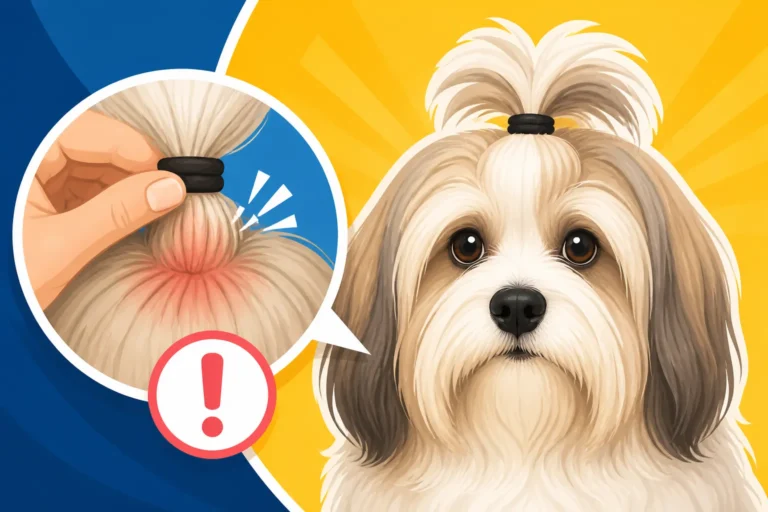
- Topknots and Bands: If your Havanese sports a topknot to keep hair out of their eyes, a small elastic band can also be used to gather a very long beard and tuck it up or back temporarily during meals. Just be sure to use dog-specific elastics that won’t pull or damage their delicate hair, and remove it immediately after eating to prevent discomfort or skin irritation. Whether a Havanese Needs a Bow or a Band covers similar grooming choices.
Regular Professional Grooming and Health Checks
Even with diligent home care, regular visits to a professional groomer are essential. They can provide a thorough bath, trim the hair around your Havanese's muzzle to a more manageable length (without sacrificing their signature look), and spot any emerging skin or ear issues. Discuss your beard-cleaning struggles with your groomer; they often have tips, tricks, and product recommendations tailored to your dog's specific coat type and eating habits.
Furthermore, annual vet check-ups are crucial. If, despite your best efforts, your Havanese continues to suffer from persistent skin irritation or infections around their beard, it's vital to consult your veterinarian. They can rule out underlying allergies, food sensitivities, or other health issues that might be contributing to the problem. Sometimes, what looks like just a messy beard could be a symptom of a deeper issue requiring medical attention. What a Havanese Needs Every Day includes consistent health oversight, and The Dental Work Every Havanese Needs by Six reminds us that good oral hygiene also impacts the health of their facial area.
Managing Expectations and Embracing the Havanese Charm
It's important to be realistic: your Havanese will likely never have a perfectly pristine beard 24/7. Their charming long hair and enthusiastic eating habits mean a certain level of mess is part of the package. The goal isn't sterile perfection, but rather consistent cleanliness that prevents discomfort and health problems.
It’s about finding a routine that works for both you and your Havanese. Some days you might manage a full wash and dry; other days, a quick wipe and brush is all you have time for. That's okay. The key is consistency and being proactive rather than reactive. By understanding why their beard gets messy, recognizing the potential health risks, and implementing a practical care routine, you can ensure your Havanese stays healthy, happy, and adorably fluffy. Embracing their unique traits, even the messy ones, is part of the joy of having a Havanese in your life.
| Beard Cleaning Method | Frequency | Effort Level | Key Benefits | Potential Drawbacks |
|---|---|---|---|---|
| Immediate Wipe | After every meal/drink | Low | Prevents immediate staining, removes large debris | May not remove all residue, leaves some dampness |
| Targeted Wash | As needed (e.g., daily with wet food, every few days with kibble) | Medium | Thorough cleaning, reduces odors and yeast buildup | Requires specific products, drying time |
| Full Bath | Every 1-3 weeks (breed standard) | High | Comprehensive clean for entire coat, overall hygiene | Time-consuming, not practical for daily beard cleaning |
| Snood Use | During every meal/drink | Low (once dog is used to it) | Keeps beard entirely out of food/water | Dog needs to tolerate wearing it |
| Trimming | Every 4-8 weeks (groomer) | Medium (professional) | Reduces surface area for mess, easier to clean | Changes aesthetic, requires regular upkeep |
The Puppy Cut Most Havanese Owners End Up Choosing can also drastically reduce the amount of beard hair getting into their food. Feeding a Havanese That Weighs Twelve Pounds and Whether a Havanese Is a Picky Eater are related topics that might impact how messy meal times become. Ultimately, the more consistent you are with these small steps, the easier it becomes, and the happier your Havanese will be with a clean, comfortable face.
Disclaimer
This article is for general informational purposes only and does not constitute professional advice. Laws, prices and regulations vary by location and change over time. Consult a qualified professional for guidance on your specific situation.