Whether a Havanese Enjoys a Bath
For many Havanese owners, the thought of bath time can conjure images of wrestling matches, slippery escapes, and a soaking wet bathroom. It’s a common frustration, especially with a breed renowned for its glorious, high-maintenance coat. This guide aims to help you understand why your Havanese might resist the tub and, more importantly, how to transform what can be a dreaded chore into a calmer, perhaps even enjoyable, experience for both of you.
Understanding the Havanese Perspective on Bath Time
It's easy to assume our dogs should just get over bath time, but for a Havanese, it’s not always so simple. Their reactions often stem from a mix of sensory overload, past negative experiences, or simply a lack of proper introduction. Understanding their point of view is the first step towards making bath time less stressful.
Why Your Havanese Might Dread the Tub
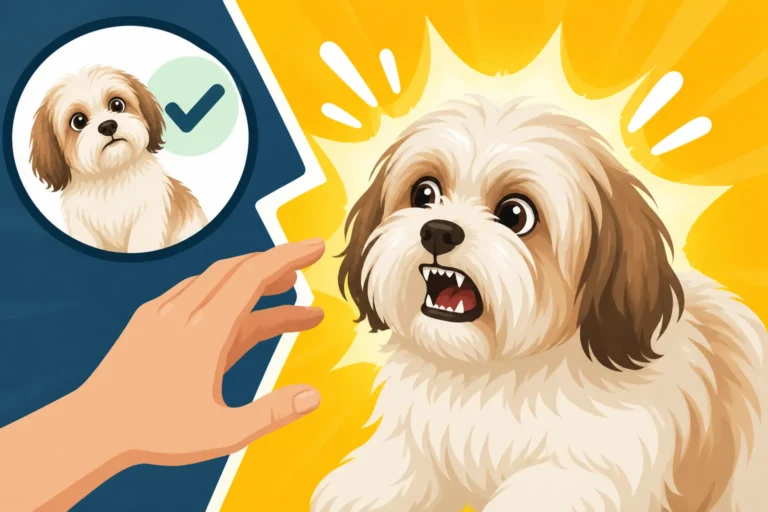
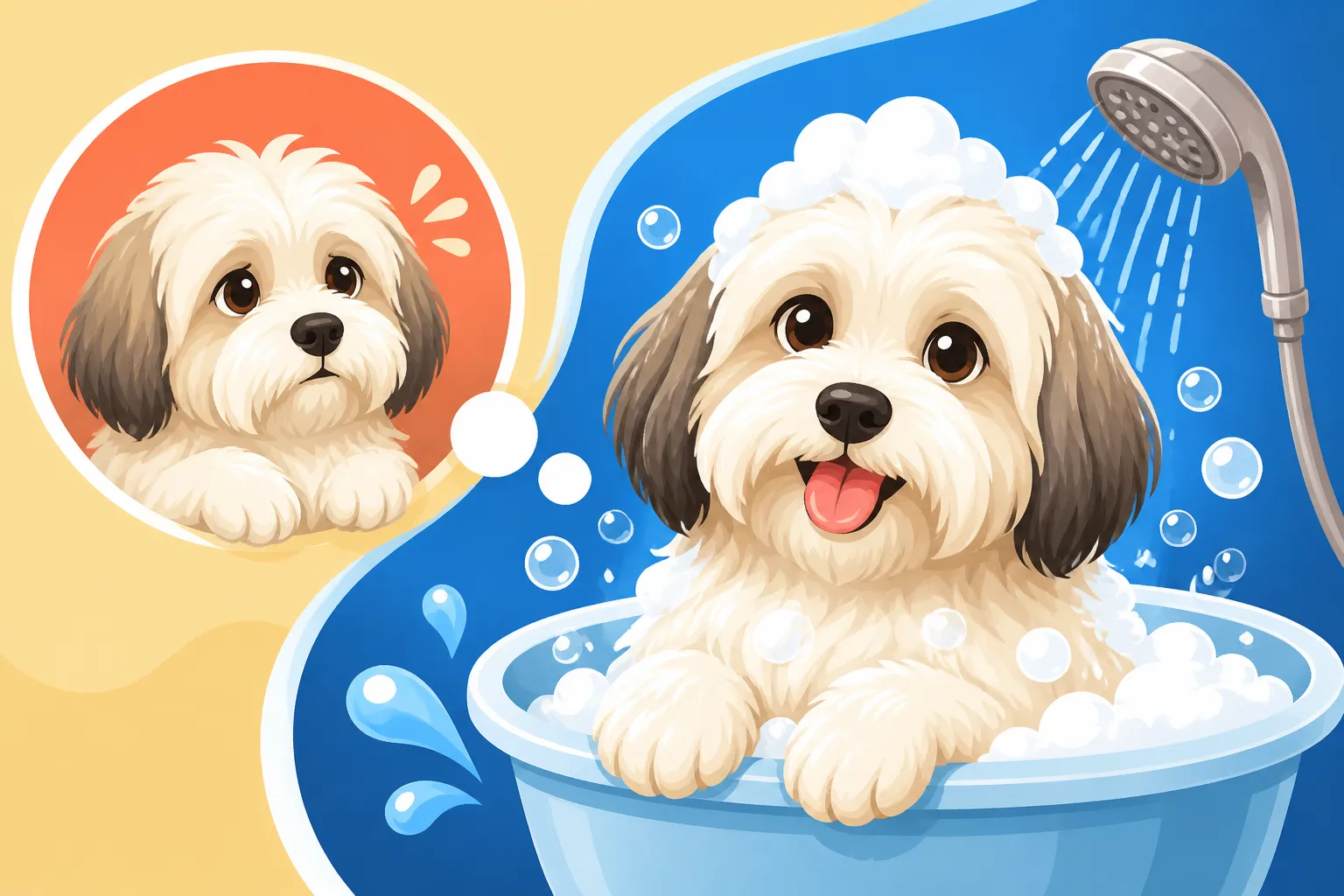
Think about it from your Havanese’s perspective. Suddenly, they're lifted, placed in a strange, often slippery, porcelain tub, and then subjected to loud running water, unfamiliar smells from shampoos, and being wet all over. Their sensitive ears might be bothered by the sound of the faucet or the blow dryer, and the sensation of water on their skin can be alarming if they aren't used to it. Add to that the loss of control and the feeling of being vulnerable, and it's no wonder many Havanese aren't thrilled about it. Their natural instincts don't typically involve standing under a waterfall or submerging themselves in a puddle.
Sometimes, their apprehension can also be linked to early experiences. Perhaps a first bath was rushed, or they slipped and got scared. It doesn’t take much for a small, intelligent dog like a Havanese to form a lasting negative association. These dogs are intelligent and perceptive, and they remember perceived traumas, even small ones. They also thrive on routine and predictability, and an un-fun, unpredictable bath can throw them off.
The Importance of Early and Positive Exposure
The best defense against a bath-averse Havanese is a good offense: start early and make it overwhelmingly positive. When your Havanese is a puppy, every new experience is an opportunity to build a positive association. This includes gentle introductions to water, the sound of the dryer, and the feel of a brush. Think of it as desensitization and counter-conditioning. You want to pair something they might find unpleasant (like water or grooming tools) with something they absolutely love, like high-value treats or praise.
Many comprehensive puppy training programs, such as those found through platforms like BAXTER & Bella, often include modules on cooperative care and grooming desensitization. These resources emphasize starting with short, positive sessions and gradually increasing exposure, helping your Havanese learn that grooming is a normal, non-threatening part of life, often associated with rewards. This isn't just about making baths easier; it's about building trust and resilience in your pup. Consistency is key here; don't wait until their coat is matted to introduce a bath.
Creating a Zen-Like Bathing Sanctuary
Preparing the environment and gathering the right tools can make an enormous difference in how smoothly bath time goes. It's about setting the stage for success, reducing potential stressors, and ensuring you have everything at hand so you don't have to leave your Havanese unattended, even for a second.
Choosing the Right Location and Temperature
Where you bathe your Havanese matters. A kitchen sink, a laundry room sink, or a small utility tub can be ideal for smaller dogs, as it's easier on your back than bending over a full-sized tub. If you must use a regular bathtub, consider placing a non-slip mat at the bottom to give your Havanese secure footing. Slipping can be incredibly frightening for a dog and reinforce negative associations with the tub. The last thing you want is for your Havanese to panic and try to scramble out.
Always ensure the water temperature is comfortably lukewarm – not hot, not cold. Test it on your inner wrist, just as you would for a baby. The room itself should also be warm enough to prevent your Havanese from getting chilled during and after the bath, especially before they are fully dry. A drafty bathroom can make the whole experience unpleasant and make them shiver, which isn't conducive to a calm bath.
Essential Tools for a Smoother Bath Time
Having all your supplies ready before you bring your Havanese into the bathing area is crucial. You don't want to be scrambling for shampoo while your wet pup is looking for an escape route. Here's a quick rundown of what you'll need:
- Non-slip mat: For the tub or sink. Absolutely essential.
- Havanese-specific shampoo and conditioner: Choose gentle, tearless formulas designed for dogs. Given their long, flowing coats, a good conditioner is vital to prevent tangles and maintain the coat's softness. You can find a wide array of options, including hypoallergenic choices, on platforms like Amazon.
- Cotton balls: To gently place in their ears to prevent water from getting in, which can lead to ear infections. See Whether a Havanese Struggles With Ear Cleaning for more on ear care.
- Soft washcloth: For cleaning their face gently.
- Towel(s): Have several absorbent towels ready for the initial drying.
- High-velocity dog dryer (optional but recommended): This can significantly cut down drying time and prevent matting.
- Brushes and combs: A slicker brush and a metal comb are indispensable for line-brushing before and after the bath. For more on this, check out Which Brush Suits a Havanese.
- High-value treats: Crucial for positive reinforcement!
- Grooming arm/leash: If using a grooming table, a grooming arm with a noose can help keep your Havanese safely in place, especially during drying.
| Item | Purpose | Why it's Important for Havanese |
|---|---|---|
| Non-slip Mat | Prevents slipping in the tub/sink | Boosts confidence, prevents injury and fear of falling |
| Dog Shampoo/Conditioner | Cleans and conditions coat | Maintains silky coat, prevents dryness and matting |
| Cotton Balls | Protects ears from water | Prevents ear infections, especially important for floppy-eared breeds |
| Soft Washcloth | Gentle face cleaning | Avoids getting water/shampoo in eyes or nose |
| Absorbent Towels | Initial towel dry | Removes excess water, starts drying process |
| High-Velocity Dryer | Thorough and quick drying | Essential for preventing mats in thick Havanese coats |
| Slicker Brush & Comb | Detangling before & after bath | Ensures coat is knot-free, aids drying, prevents matting |
| High-Value Treats | Positive reinforcement | Creates positive associations, rewards calm behavior |
Pre-Bath Prep: The Foundation of a Good Bath
Before even a drop of water touches your Havanese, thorough preparation is key. First and foremost, brush out their coat completely. I mean, completely. A Havanese with even small mats will only have those mats tighten into an impenetrable felt when wet, making them incredibly difficult, painful, and potentially impossible to remove without shaving. Spend extra time getting every tangle out, especially behind the ears, in the armpits, and around their tail and legs. If you need a refresher on brushing, read How Long Brushing a Havanese Takes Daily.
Once brushed, gather all your tools and treats. Place cotton balls gently in your Havanese's ears, making sure they aren't pushed too deep. A light collar or harness (one that can get wet without issue) can give you something to hold onto gently if your Havanese is a squirmer, ensuring their safety and preventing escapes. Finally, take your Havanese for a potty break. A full bladder or bowel will only add to their discomfort during the bath.
The Step-by-Step Guide to a Happier Havanese Bath
Now that you're prepared, let's walk through the bathing process itself. The goal here is efficiency, gentleness, and making it as pleasant as possible for your Havanese. Remember, slow and steady wins the race.
Gentle Wetting and Lathering
Gently place your Havanese into the tub or sink, talking to them in a calm, reassuring voice. Give them a treat for simply being there. Use a handheld sprayer, if you have one, to wet their coat thoroughly. If not, a cup works just fine for pouring water. Start from their neck and work your way down, avoiding their face initially. Keep the water pressure low and the stream gentle. Be mindful of their sensitive belly and paw pads.
Once they are thoroughly wet, apply a good quality dog shampoo. Lather gently, focusing on massaging the shampoo into their coat and down to their skin. Pay special attention to areas that tend to get dirtier or smellier, like their armpits and paws. Avoid vigorous scrubbing, which can tangle their delicate hair. Remember to keep shampoo and water out of their eyes and nose. For their face, use the damp washcloth with a tiny dab of tearless shampoo, wiping gently around their muzzle and forehead. Keeping a Havanese's Face Clean and Dry can offer more tips on facial hygiene.
Thorough Rinsing: The Most Crucial Step
This is perhaps the most important part of the bath for a Havanese. Their thick double coat can hold onto shampoo residue, which will irritate their skin, cause itching, and attract dirt faster, leading to quicker matting. Rinse, rinse, and rinse again! Run your fingers through their coat as you rinse to ensure all traces of shampoo are gone. Continue rinsing until the water runs clear and you can feel that their coat is "squeaky" clean, not slippery.
After rinsing the shampoo, apply a dog conditioner. This is vital for a Havanese coat, as it helps to detangle, prevent static, and keep the hair soft and manageable. Work the conditioner through their entire coat, paying extra attention to the ends. Let it sit for a minute or two as per the product instructions, then rinse it out just as thoroughly as the shampoo. Any conditioner left behind can also cause skin irritation or make the coat feel greasy and heavy.
Drying Without Damage or Dread
Once rinsing is complete, gently squeeze excess water from their coat. Then, wrap them in a super-absorbent towel and give them a good, but gentle, cuddle and rubdown. Avoid harsh rubbing, which can cause tangles. After the initial towel dry, it's time for the real drying process.
For a Havanese, air drying is generally not recommended as it almost guarantees matting and can lead to skin issues. A high-velocity dog dryer is the most efficient and effective tool. If you don't have one, a human blow dryer on a cool or low-heat setting can work, but be extremely careful not to overheat their skin. Always keep the dryer moving and never point it directly at one spot for too long. Introduce the dryer slowly, starting on a low setting and rewarding your Havanese for calm behavior. Many Havanese are initially afraid of the noise and sensation, so gradual desensitization is key. While drying, use your slicker brush and comb to line-brush their coat until it's completely dry and tangle-free. This technique is essential for preventing mats. For more on this critical step, read Drying a Havanese Properly and Whether a Force Dryer Is Worth It for a Havanese.
Making Bath Time a Treat, Not a Trauma
The bath itself is just one part of the equation. What happens before, during, and immediately after can significantly shape your Havanese's perception of the entire experience. Positive reinforcement, consistency, and knowing when to seek help are all vital.
Positive Reinforcement and Rewards
Every step of the bath should be accompanied by praise and rewards. From stepping into the tub, to tolerating the water, to standing still for brushing and drying – reward good behavior generously with high-value treats, verbal praise, and gentle strokes. You want your Havanese to associate bath time not with fear or discomfort, but with positive things happening. Keep the atmosphere light and cheerful, even if you’re feeling stressed. Your Havanese picks up on your emotions.
If your Havanese is particularly anxious, break the process down into even smaller steps. Maybe one day you just get them in the tub and give treats. The next day, add a little water to their paws. Gradually build up their tolerance, always ending on a positive note. This gentle approach helps them understand that it's not a scary ordeal. Consider training techniques found in comprehensive online puppy programs, which often provide structured approaches to making grooming a positive experience.
Consistency is Key: Establishing a Routine
Regular baths are not just good for your Havanese's hygiene and coat health; they also help establish a routine. A predictable routine can reduce anxiety, as your Havanese learns what to expect. Most Havanese need a bath every 1-3 weeks, depending on their activity level and coat length. For more on this, check out How Often a Havanese Should Be Bathed.
By keeping a consistent schedule, your Havanese will eventually integrate bath time into their normal life. It won't be a random, alarming event, but a familiar part of their grooming cycle. This consistency, combined with positive reinforcement, is powerful. Think of it like a child learning to brush their teeth; it might be resisted initially, but with routine and encouragement, it becomes second nature.
When to Seek Professional Help or Advice
If, despite all your efforts, bath time remains a terrifying ordeal for your Havanese, or if you're struggling with severe matting, it's perfectly okay to seek professional help. A professional groomer has experience with anxious dogs and may have specialized tools and techniques to make the process smoother. They can also provide valuable tips and demonstrate proper grooming techniques for you to use at home. Sometimes, a neutral party can make all the difference.
For extreme anxiety or aggression related to grooming, consult your veterinarian or a certified professional dog trainer. There might be underlying issues, and they can offer behavior modification strategies, or in rare cases, discuss mild sedation options if the stress is severe and impacts your Havanese's well-being. Never hesitate to ask for help; your Havanese's comfort and safety are paramount.
Disclaimer
This article is for general informational purposes only and does not constitute professional advice. Laws, prices and regulations vary by location and change over time. Consult a qualified professional for guidance on your specific situation.