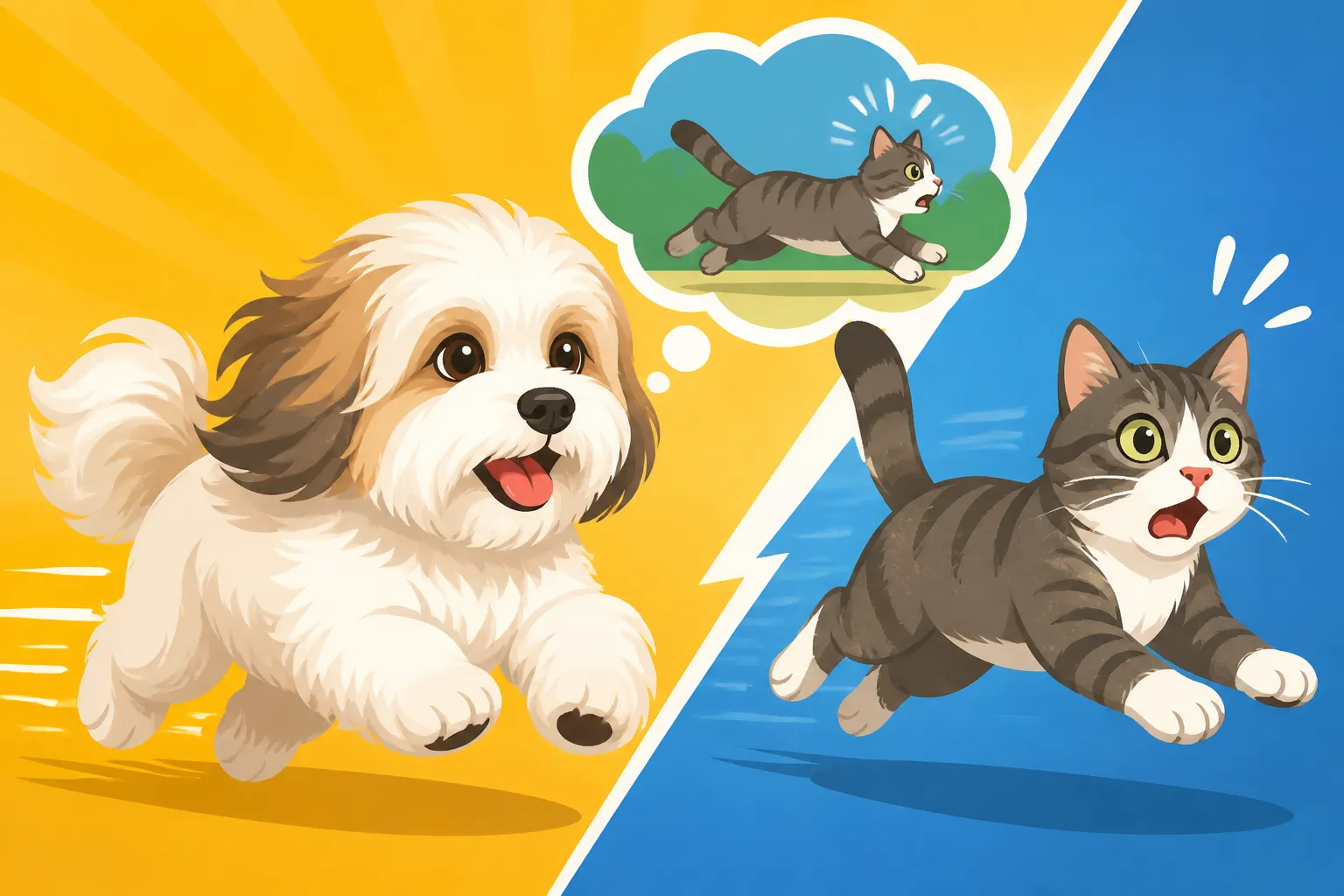
Whether a Havanese Chases Cats
It’s a common scenario that can feel frustrating and chaotic: you've got a sweet, fluffy Havanese, and a sleek, independent cat, and suddenly, your calm household is interrupted by a flurry of fur and a high-pitched chase. Many Havanese owners wonder if their little companion can truly coexist peacefully with a feline friend, or if their dog’s playful (or sometimes not-so-playful) pursuit of the cat is an unavoidable part of multi-pet life. This comprehensive guide will help you understand why your Havanese might be chasing your cat, and provide actionable strategies to foster a harmonious home where both pets can relax and feel safe.
Understanding the Havanese Instinct When it Comes to Cats
Before we dive into training and management, it's crucial to understand the natural inclinations of your Havanese. While often considered companion dogs with a low prey drive, individual personalities and early experiences play a huge role in how they interact with other species, especially cats.
The Havanese Prey Drive (or lack thereof)
Unlike some terrier breeds or sighthounds, Havanese were not historically bred for hunting vermin or chasing game. Their lineage as lapdogs and companions for Cuban aristocracy means their primary purpose was to entertain and be adored. This typically translates to a lower prey drive compared to many other breeds. However, "lower" doesn't mean "non-existent." Even a small, fluffy Havanese can be triggered by a cat's quick movements, a flicking tail, or a sudden dash across the room. For a dog that thrives on interaction and play, a darting cat can look like a fantastic, self-propelled toy, especially if they weren't exposed to cats when they were very young. It's not usually malicious; it's often more about an instinct to play or investigate, which can still be very stressful for a cat.
Think of it this way: your Havanese sees something small, fast, and fuzzy. Their brain, even without a strong hunting background, might just register "fun!" or "what's that?!" This is especially true for younger, more energetic Havanese puppies. They might see the cat as a potential playmate rather than prey. The problem, of course, is that most cats don't appreciate being played with in this manner, and it can quickly escalate into fear and stress for the feline, and potentially a swat or scratch for the Havanese. Understanding this often playful, rather than predatory, motivation can help you approach the situation with the right training mindset.
Early Socialization and Its Impact
The single biggest factor in how your Havanese will interact with cats is their early socialization. A Havanese puppy exposed positively and calmly to cats during their critical socialization period (roughly 3 to 16 weeks of age) is much more likely to accept and even befriend cats later in life. If your Havanese puppy grew up in a household with respectful, cat-savvy adult dogs and well-adjusted cats, they likely learned appropriate boundaries. They'd learn that cats aren't toys and that chasing them is not acceptable behavior.
Conversely, a Havanese who had no early exposure to cats, or worse, had negative experiences (like being chased by a dominant cat or encouraged to chase by previous owners), might have a much harder time. If a Havanese comes from a home where they were never taught proper interaction, or if they were the only pet, a cat can represent something entirely new and exciting, leading to the impulse to chase. This is where the work comes in for adult Havanese; you're essentially back-filling that crucial early learning. It's never too late to teach new habits, but it does require more consistent effort than if the foundation was laid in puppyhood. When considering bringing a Havanese into a multi-pet home, always ask the breeder about their socialization practices. A good breeder will ensure their puppies are exposed to a variety of sights, sounds, and experiences, including other household pets if available and safe. For more on early training, check out The First Year With a Havanese Puppy.
Why Some Havanese Chase (and others don't)
So, why does one Havanese live peacefully with cats, while another makes a daily sport of harassing them? It's a blend of genetics, environment, and individual personality. Some Havanese simply have a higher energy level or a more curious, excitable temperament that translates into a stronger impulse to chase. A Havanese that hasn't had enough mental and physical exercise might also be more prone to creating their own "fun" by chasing the cat. What a Havanese Needs Beyond a Walk can give you ideas for enrichment.
The cat's personality also plays a huge role. A confident, assertive cat that stands its ground or even bats at the Havanese might teach the dog a lesson quickly. A timid, fearful cat that always runs will inadvertently reinforce the chasing behavior, teaching the Havanese that chasing leads to a fun game of pursuit. Even a cat's age can be a factor; an older, less tolerant cat might react differently to a playful Havanese than a young, more resilient feline. Ultimately, a successful multi-pet household isn't just about the Havanese; it's about the dynamic between all the animals and the structure you provide.
Introducing a Havanese to a Cat: The Right Way
If you're bringing a new Havanese into a home with a cat, or a new cat into a home with a Havanese, the introduction process is absolutely critical. Rushing it can set the stage for years of tension. Patience and careful management are your best friends here.
Creating Safe Spaces for Both Pets
Before any face-to-face introductions, establish safe zones for both your Havanese and your cat. Your cat needs high places it can easily escape to – cat trees, shelves, or even just access to furniture that the Havanese can’t jump onto. Consider installing a baby gate across a doorway, placed high enough for the cat to slip underneath or jump over, but low enough to block the Havanese. This gives the cat a sanctuary room where it can eat, sleep, and use its litter box without fear of interruption. Many great options for baby gates are available on platforms like Amazon, offering pressure-mounted solutions that don't require drilling.
For your Havanese, a crate or playpen can serve as a secure, calming space where they can observe the cat from a distance without being able to chase. This is particularly useful in the early stages of introduction. Make these spaces positive: feed meals in their respective safe zones, provide favorite toys, and offer treats. The idea is to associate their safe spaces with comfort and security, not punishment. What a Crate and Playpen Cost a Havanese Owner outlines some of these expenses.
Gradual, Supervised Introductions
The key is to introduce them slowly, giving them positive experiences at each step. Start with scent swapping: exchange blankets or beds so they can get used to each other's smell. Then, move to visual introductions, but with a barrier. A baby gate can work wonders here. Allow them to see each other from a distance, perhaps while you're feeding them treats on opposite sides of the gate. Keep these sessions short and positive.
Once they seem comfortable with visual contact through a barrier, you can try supervised, leash-controlled introductions. Keep your Havanese on a leash, ideally a long line initially, so you can easily interrupt any chasing attempts. This is where positive reinforcement really shines. Have high-value treats ready. Every time your Havanese looks at the cat calmly, or ignores the cat, reward them immediately. If the Havanese starts to fixate or show signs of wanting to chase, gently redirect their attention with a "leave it" command or by calling their name, then reward them for responding. The online training programs from BAXTER & Bella are fantastic for teaching these foundational obedience commands. Never force interaction or scold your Havanese for being curious; instead, praise and reward calm behavior.
Positive Reinforcement for Calm Interactions
Positive reinforcement is crucial for building a peaceful multi-pet household. The goal isn't just to stop the Havanese from chasing; it's to teach them that calm, respectful behavior around the cat leads to good things. Whenever your Havanese is in the same room as the cat and is not chasing, barking, or fixating, shower them with praise and treats. If they lie down calmly while the cat walks by, that's a jackpot moment! The same goes for the cat; if the cat is relaxed in the Havanese's presence, reward them with a treat or gentle petting.
You can also use what's called "differential reinforcement." Only reward your Havanese when they are calm and ignoring the cat, or looking at the cat calmly. If they get excited and start to stare or wiggle, withhold the reward until they settle. This teaches them that calm behavior is what earns them the good stuff. Consistency is key here. Every single positive interaction, no matter how small, helps build a stronger foundation for a harmonious relationship. For more ideas on how to motivate your Havanese in training, consider What a Havanese Will Work For.
What to Do When Your Havanese Already Chases Your Cat
If you're past the introduction phase and your Havanese has already established a habit of chasing your cat, don't despair! It’s entirely possible to modify this behavior, but it will require commitment, consistency, and a multi-faceted approach.
Redirection and Interruption Techniques
When you see your Havanese about to launch into a chase, or even just staring intently at the cat, you need to interrupt and redirect their attention before the chase begins. A sharp, upbeat "Nope!" or a clap can break their focus. Immediately follow this with a positive command they know, like "sit," "stay," or "come," and reward them heavily when they comply. The goal is to redirect their energy towards something acceptable.
Keep engaging toys handy. If your Havanese tends to fixate on the cat, immediately grab a favorite squeaky toy or a tug rope and initiate a game of fetch or tug. This redirects their instinct to chase or play onto an appropriate outlet. Avoid scolding or physical punishment, as this can create fear and anxiety around the cat, potentially making the situation worse. The goal is to make not chasing the cat more rewarding than chasing it. If you're struggling to get your Havanese to focus, resources like the BAXTER & Bella online puppy school can provide structured lessons on obedience and redirection. For example, teaching a reliable "leave it" command is invaluable in these situations.
Environmental Management to Prevent Incidents
While you're working on training, proactive environmental management is crucial to prevent the chasing behavior from becoming further entrenched and to reduce stress for your cat. Every time your Havanese chases the cat, the behavior is reinforced, and the cat's fear grows.
- Physical Barriers: Continue to use baby gates to separate the pets when you can't actively supervise. Ensure your cat has multiple escape routes and high perches that your Havanese cannot reach. Cat trees, shelves, or even just cleared-off countertops can be lifesavers.
- Supervised Play: Only allow your Havanese and cat to be in the same room together when you can give them your full, undivided attention. If you need to leave the room, even for a moment, separate them.
- Leash Management: In the early stages of rehabilitation, keeping your Havanese on a lightweight house line (a light leash without a handle, often just a rope) can be helpful. This allows you to quickly and calmly interrupt chasing attempts without having to physically grab your dog. This is especially useful for a Havanese who tends to ignore you when fixated.
- Enrichment for Your Havanese: Ensure your Havanese is getting enough physical and mental exercise. A bored Havanese is a mischievous Havanese! Regular walks, puzzle toys from Amazon, and training sessions can help channel their energy. A tired Havanese is a good Havanese, and less likely to find mischief with the cat. Whether a Havanese Learns to Fetch and Whether a Havanese Enjoys Puzzle Toys offer more ideas.
Consistency and Patience in Training
Training a Havanese not to chase a cat is not a quick fix; it's a marathon, not a sprint. You need to be incredibly consistent with your approach. Every family member must be on the same page, responding to chasing behavior (or the precursors to it) in the same way, every time. Inconsistency will only confuse your Havanese and prolong the process.
Patience is equally important. There will be setbacks. Your Havanese might have a great day, and then suddenly revert to chasing. Don't get discouraged. Simply go back to basics, reinforce the calm behaviors, and manage the environment more strictly. Celebrate small victories, like a Havanese looking at the cat and then calmly looking away, or a cat walking past your Havanese without a reaction. These little moments build over time into a more peaceful cohabitation. Remember, you're building a new habit and breaking an old one, which takes time and repetition. How Fast a Havanese Learns a New Trick highlights their intelligence, so they can learn this, but you need to guide them.
| Behavior | Effective Response | Ineffective Response |
|---|---|---|
| Havanese calmly observes cat | "Yes!" then treat and praise generously. | Ignoring the calm behavior, only reacting to chasing. |
| Havanese stares, tenses up | Upbeat "Nope!" then immediately redirect to a toy or command, reward compliance. | Letting the stare escalate into a chase before reacting. |
| Havanese starts to chase cat | Sharp sound (clap) to interrupt, then call dog away, separate, or put on leash. | Yelling, chasing the Havanese, or physical punishment. |
| Cat runs from Havanese | Provide escape routes for the cat (high places, separate room). | Expecting the cat to "get used to it" or "defend itself." |
| Both pets are relaxed together | Continue to reward calm interactions, even passively (e.g., quiet presence). | Assuming the problem is solved and letting supervision lapse too soon. |
Seeking Expert Help for Persistent Chasing Behaviors
Sometimes, despite your best efforts, the chasing behavior persists, or perhaps it's causing significant stress for either your Havanese or your cat. This is when it's time to call in a professional. There's no shame in seeking expert guidance; in fact, it's often the most effective and humane way to resolve complex behavioral issues.
Recognizing When You Need a Professional Trainer
You should consider contacting a professional if:
- The chasing is frequent and intense: Your Havanese constantly harasses your cat, and your cat is visibly stressed (hiding, hissing, over-grooming, avoiding food/litter box).
- Aggression is involved: If your Havanese is showing any signs of true aggression (growling, snapping, lunging with intent to harm, not just play) towards your cat, or if your cat is routinely injuring your Havanese out of fear.
- Your efforts aren't working: You've diligently tried the techniques mentioned above for several weeks or months, and you're seeing little to no improvement, or the situation is worsening.
- Your cat's welfare is compromised: If your cat is living in constant fear, unable to relax, or developing stress-related health issues, intervention is crucial.
- You feel overwhelmed or unsure: Behavioral issues can be incredibly frustrating. A professional can provide an objective perspective and a tailored plan.
A good professional can help you identify subtle triggers you might be missing, teach you advanced handling techniques, and provide specific exercises to foster a more positive relationship between your pets. They can also help rule out any underlying medical conditions that might be contributing to your Havanese's behavior. Whether a Havanese Needs a Professional Trainer offers more insights into this decision.
Finding the Right Expert for Multi-Pet Households
When looking for a professional, it's important to find someone with experience in multi-pet households and, ideally, with both dog and cat behavior. Look for certified professional dog trainers (CPDT-KA) or certified applied animal behaviorists (CAAB). Avoid trainers who advocate for harsh punishment, shock collars, or dominance-based methods. These can damage the bond with your Havanese and exacerbate fear and aggression, making the problem worse.
A good trainer will observe your pets in their home environment, ask detailed questions about their history and daily routines, and then develop a positive reinforcement-based training plan specifically for your situation. They should also be able to provide you with resources and support as you implement the plan. Sometimes, a veterinary behaviorist (a veterinarian with specialized training in behavior) might be recommended if there's a strong suspicion of underlying medical issues or if medication might be part of the solution for extreme anxiety or aggression. Remember, the goal is not just to stop the chasing, but to create a peaceful, safe, and happy environment for every member of your furry family.
Disclaimer
This article is for general informational purposes only and does not constitute professional advice. Laws, prices and regulations vary by location and change over time. Consult a qualified professional for guidance on your specific situation.