Drying a Havanese Properly
There's nothing quite like the feeling of a clean Havanese, fresh from a bath. Their silky coat, when properly cared for, is truly a thing of beauty. But for many Havanese parents, the real challenge begins after the shampoo is rinsed away: the drying. If you've ever ended up with a damp, frizzy, or worse, matted pup after a bath, you know the frustration. This comprehensive guide is here to walk you through the proper techniques and tools to ensure your Havanese emerges from their bath impeccably dry, soft, and mat-free every single time.
The Importance of Proper Drying for Havanese Coats
Drying your Havanese isn't just about removing water; it's a critical step in maintaining their unique double coat and overall skin health. Rushing this process or doing it incorrectly can lead to a host of problems that are far more time-consuming and uncomfortable for your pup than the drying itself. Think of it as the foundation for a healthy, beautiful coat.
Preventing Mats and Tangles
This is perhaps the number one reason why proper drying is non-negotiable for a Havanese. Their silky, often abundant double coat is a magnet for mats, especially when wet. Imagine trying to untangle a damp, fine human hair after it's been allowed to air dry in a tangled mess – it’s a nightmare. For a Havanese, it's exponentially worse. As the coat dries naturally, individual hairs shrink and intertwine, forming tight knots and mats close to the skin. These aren't just cosmetic issues; mats pull on the skin, causing pain and discomfort, and can quickly escalate into serious skin problems if left unchecked.
A real-life scenario: Many owners, after a quick towel dry, might let their Havanese run around the house, thinking the air will finish the job. However, even a seemingly dry outer layer can conceal dampness underneath, especially in denser areas like the armpits, behind the ears, or on the belly. Within hours, or even overnight, these damp spots can transform into dense, painful mats that require professional dematting or even shaving. This is why a thorough, section-by-section drying approach is paramount; it separates and straightens the hair as it dries, preventing those dreaded tangles from forming.
Protecting Skin Health
Beyond matting, improper drying poses significant risks to your Havanese's delicate skin. A damp coat creates a warm, moist environment – the perfect breeding ground for bacteria and yeast. This can lead to uncomfortable and often stubborn skin infections, commonly known as hot spots. Hot spots are intensely itchy, red, inflamed lesions that your dog will compulsively lick, chew, and scratch, exacerbating the problem and leading to secondary infections.
Consider a hot, humid summer day. If your Havanese enjoys a swim or a bath, and their coat isn't dried completely, particularly down to the skin, that moisture can become trapped. Underneath their dense fur, the skin can't breathe. This can manifest as an angry, weeping patch of skin that seems to appear almost overnight. The discomfort for your dog is immense, and treating hot spots often involves veterinary visits, antibiotics, and topical creams. Proper drying eliminates this moist environment, allowing the skin to remain healthy and aerated, drastically reducing the risk of such painful issues. It's about more than just aesthetics; it's about their comfort and well-being. Skin Trouble Under a Havanese Coat is a common issue often exacerbated by dampness.
Maintaining Coat Luster and Texture
The Havanese coat is renowned for its soft, silky texture and natural shine. Improper drying can actually compromise these desirable qualities. Air drying, especially without consistent brushing, can leave the coat feeling coarse, dull, and frizzy. The individual hairs, instead of lying smoothly, can become ruffled and lose their natural sheen.
Think of it like this: if you air dry your own hair after a shower without brushing, it often looks messy and lacks shine. When you blow-dry it while brushing, it becomes smooth and lustrous. The same principle applies to your Havanese. Using a dryer with proper technique, alongside careful brushing, helps to straighten and smooth the hair shafts, closing the cuticle and reflecting light beautifully. This enhances the natural luster and maintains that soft, flowing, "silk-like" feel that is characteristic of the breed. It also prevents the static and flyaways that can make a coat look disheveled and lead to more tangles.
Tools of the Trade: What You Need for Effective Havanese Drying
Achieving that perfectly dry, fluffy Havanese coat isn't just about technique; it's also about having the right equipment. Trying to dry a Havanese with inadequate tools is like trying to bake a cake without an oven – you're setting yourself up for frustration and a less-than-ideal outcome. Investing in the proper grooming supplies will make the process much more efficient, comfortable for your dog, and ultimately, successful.
Selecting the Right Towels
Before you even think about a dryer, good towels are your first line of defense against excess water. Standard cotton bath towels are absorbent, but they can sometimes be a bit bulky and not as efficient at wicking away moisture from a Havanese's dense coat. They also can create friction that roughs up the hair and contributes to tangles.
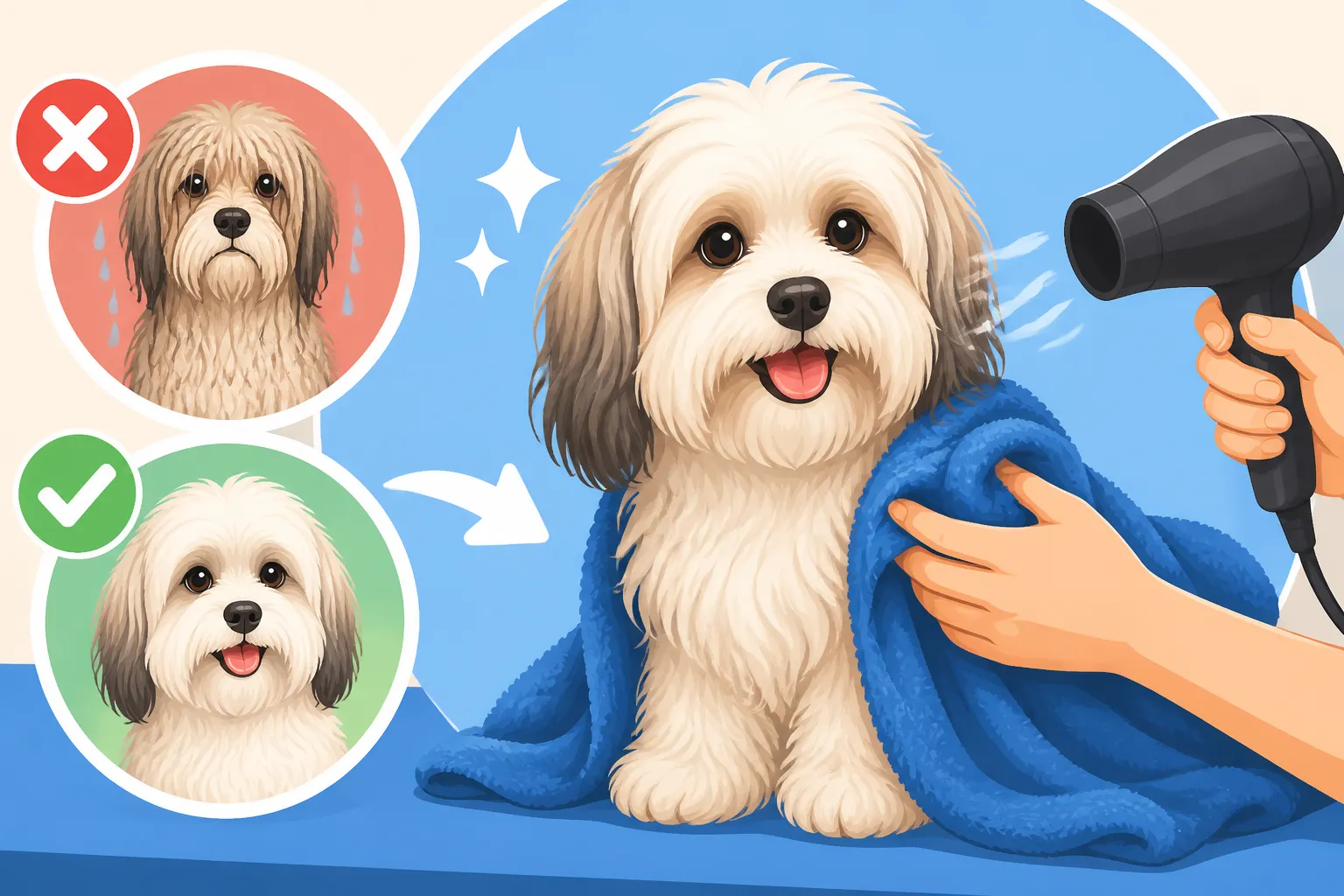
This is where microfiber towels shine. Microfiber is engineered to absorb water much more quickly and effectively than cotton, and its fine fibers are gentler on the coat, reducing friction and minimizing the risk of tangles during the initial soak-up. You'll find these easily on platforms like Chewy or Amazon. Have several on hand, especially for a full bath, as one towel might become saturated quickly. After wrapping your Havanese in a microfiber towel, gently squeeze and pat the coat, rather than rubbing vigorously. Rubbing can create mats instantly, especially on a wet coat. Aim to get as much standing water out as possible before moving on to the blow-drying stage.
Choosing the Best Dryer
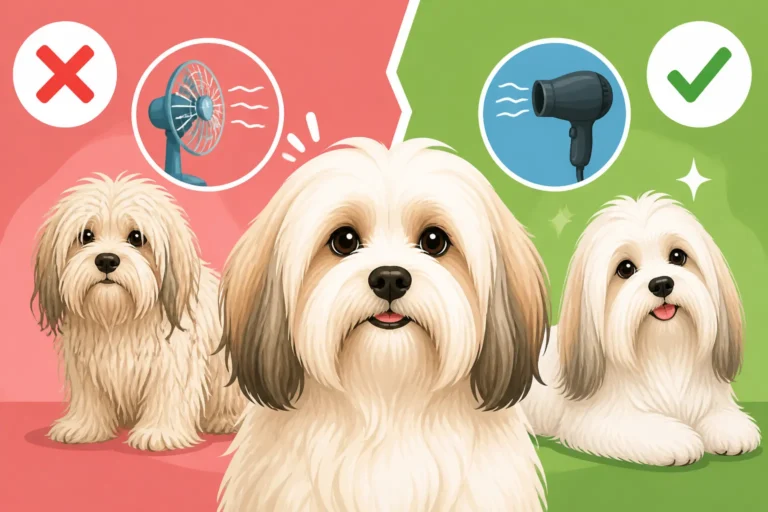
This is arguably the most crucial piece of equipment for drying a Havanese. Forget your human hair dryer; while it might seem convenient, most human dryers get far too hot for a dog's skin and don't have the necessary airflow to penetrate a Havanese's thick double coat effectively. Prolonged exposure to high heat can burn their skin, cause discomfort, and even lead to dehydration.
For a Havanese, a force dryer (also known as a high-velocity dryer or pet blower) is a game-changer. These dryers use a powerful stream of unheated or low-heat air to literally blast water off the coat, separating the hair as they go. This not only speeds up the drying process dramatically but also helps to straighten the coat and prevent matting from the inside out. They come with various nozzles, allowing you to control the airflow. Whether a Force Dryer Is Worth It for a Havanese is a question many ask, and for Havanese owners, the answer is almost always a resounding yes. You can find excellent options on Amazon or specialty pet supply stores. For those who can't manage a force dryer, a good quality stand dryer with adjustable heat settings (always use the cool or low-heat setting) can also work, but it will take much longer and requires constant brushing to separate the coat.
Essential Brushes and Combs
While the dryer does a lot of the heavy lifting, your brushes and combs are indispensable for ensuring a smooth, tangle-free finish. You'll need a few key tools:
- Slicker Brush: This brush has fine, wire bristles that are slightly bent. It's excellent for working through the coat, separating individual hairs, and catching any tangles as you dry. Choose one with flexible pins that are gentle on the skin. You'll be using this extensively during the blow-drying process.
- Pin Brush: With longer, straight pins, often with rubber tips, a pin brush is great for fluffing the coat and getting down to the skin without causing static. It's particularly useful for the finishing stages or for maintaining a long coat between baths.
- Metal Greyhound Comb (or a good quality steel comb): This is your ultimate detangling and checking tool. A good comb will have both wide and fine-toothed sections. You'll use the wide teeth to gently work through larger sections, and the fine teeth to check for any missed tangles, especially in delicate areas like behind the ears, armpits, and around the tail. Always comb after brushing to ensure you haven't missed anything. This comb is crucial for ensuring the coat is truly free of knots.
Using these tools in conjunction with your dryer allows you to "line dry" the coat, ensuring every layer from root to tip is thoroughly dry and straight. Trying to dry a Havanese without consistent brushing and combing during the process is an invitation for mats.
The Step-by-Step Process for Drying Your Havanese
Drying a Havanese isn't a quick sprint; it's a methodical process that, when done correctly, yields a stunning, healthy coat. Rushing through it often means revisiting the same task later to deal with mats or damp spots. Patience and a systematic approach are your best friends here.
Initial Towel Drying
As soon as your Havanese is out of the bath, before they even get a chance to shake water all over your bathroom, grab your super-absorbent microfiber towels. Wrap your pup snugly, gently squeezing and patting the excess water from their coat. The key here is patting and squeezing, not rubbing back and forth. Rubbing creates friction, which is a prime cause of instant matting on a wet Havanese coat. Imagine a wet cotton ball – if you rub it vigorously, it starts to pill and tangle. The same happens to your Havanese's fine hair.
Focus on getting as much water out as possible. You want the coat to be damp, not dripping wet, before you introduce the dryer. Pay extra attention to the legs, belly, and under the ears, as these areas tend to hold a lot of water. If you have a larger Havanese or one with an exceptionally dense coat, you might go through two or three towels in this initial phase. This step is crucial because the less water the dryer has to remove, the faster and less stressful the overall process will be for both of you. You might also want to gently blot the face, but be careful around the eyes and nose. How Often a Havanese Should Be Bathed often determines how frequently you'll perform this vital drying process.
Line Drying Technique with a Force Dryer
This is the core of proper Havanese drying. "Line drying" means you are drying the coat in sections, from the root to the tip, ensuring each layer is completely dry before moving on. This technique is best achieved with a force dryer set to a cool or low-heat setting.
- Set Up: Place your Havanese on a non-slip surface, like a grooming table with a rubber mat, or a bathmat on the floor. Have your slicker brush and metal comb within easy reach. Turn on your force dryer to a moderate setting – you don't want to blast them full-force initially, especially if they're not used to it.
- Start with the Hindquarters: Begin at the back of your dog, perhaps the rump or a hind leg. Use one hand to hold a section of hair up, exposing the skin. With your other hand, direct the nozzle of the force dryer at the skin, pointing the air with the direction of hair growth. As you dry, continuously brush with the dryer using your slicker brush. The force of the air helps to separate the hair, and the brush helps to straighten it and prevent tangles as it dries.
- Work in Small Sections: Move slowly across the body, section by section, ensuring the hair is completely dry from the skin outwards. Imagine painting stripes on your dog, but with air and a brush. Lift the top layers of hair, dry the undercoat, then drop a small amount of the next layer down and dry that. You want to see the skin through the dried hair.
- Pay Attention to Problem Areas: Areas like the armpits, inner thighs, behind the ears, and the base of the tail are notorious for matting because they are dense and often overlooked. Spend extra time here, carefully separating the hair and directing the airflow. For the ears, hold them flat against your hand as you dry the fur, being gentle with the sensitive ear leather.
- Face and Head: For the face, you may want to lower the dryer's power or switch to a lower setting if your Havanese is sensitive. Hold the muzzle gently and dry the fur around the mouth and eyes, always brushing downwards and away from the face. Many Havanese benefit from having a topknot or bow to keep the hair out of their eyes, and this is a good time to ensure that hair is perfectly dry. Whether Hair Should Be Kept Out of a Havanese's Eyes is crucial for comfort and hygiene.
- Legs and Feet: The legs and feet can also be tricky. Dry each leg individually, working around the paw pads and between the toes. You might want to get specific advice on Whether a Havanese's Paw Hair Needs Trimming if you find these areas get matted quickly.
Throughout this process, reassure your Havanese with a calm voice. Offer treats, and take short breaks if they seem stressed. The goal is to make this a positive experience.
Finishing Touches and Checking for Dampness
Once you've worked your way through the entire coat with the force dryer and slicker brush, don't just assume you're done. This final check is crucial.
- Comb Through: Take your metal greyhound comb and systematically comb through every single part of your Havanese's coat. Start with the wide-toothed side, then move to the fine-toothed side. The comb should glide effortlessly through the hair from the skin to the tip. If the comb catches, it means there's either a tangle you missed or a damp spot. Go back with the slicker brush and dryer to resolve it.
- Feel for Dampness: Use your hands to feel deeply into the coat, especially in those common matting zones: armpits, groin, behind the ears, and the base of the tail. Lift the hair and feel the skin. Any coolness or stickiness indicates dampness. If you find damp spots, go back with the dryer and brush until they are completely dry. Leaving even a slightly damp patch is an open invitation for mats to form overnight.
- Fluff and Style: Once you're confident the coat is bone dry and tangle-free, give it a final all-over brush to fluff it up and arrange it to your liking. If your Havanese wears a topknot, this is the time to put it in. A well-dried Havanese coat should feel light, airy, and incredibly soft, with a noticeable sheen. The hair should separate easily and fall back into place without sticking together. This thoroughness is what prevents issues like Whether a Havanese Suddenly Starts Matting days after a bath.
Common Drying Mistakes and How to Avoid Them
Even with the best intentions, it's easy to fall into common traps when drying a Havanese. These mistakes often stem from a lack of understanding about their unique coat type or simply trying to save time. However, a few shortcuts can lead to significant problems down the line, affecting both your Havanese's comfort and the health of their beautiful coat.
Air Drying Pitfalls
One of the biggest mistakes Havanese owners make is allowing their dog to air dry. While it might seem harmless, especially on a warm day, for a Havanese, it's a recipe for disaster. Their dense double coat is not designed to air dry efficiently; the inner layers and undercoat will trap moisture for hours, if not an entire day. As mentioned before, this prolonged dampness creates the ideal environment for matting and skin issues.
A common scenario: A new Havanese owner gives their puppy a bath, pats them with a towel, and then lets them run around the house or yard. They check a few hours later, and the top layer of fur feels dry, so they assume all is well. But beneath that surface, the hair is still damp, clumping together as it slowly dries. By the next morning, what started as a clean puppy can have stubborn, felted mats under their belly, behind their ears, or in their armpits. These mats are painful, difficult to remove, and often necessitate a trip to the groomer for a costly dematting session or even a complete shave-down. Never, ever let your Havanese air dry, even partially. The blow dryer, used correctly, is your ally in maintaining their coat's health.
Overheating and Skin Irritation
While a human hair dryer might seem like a quick fix, it's crucial to understand that their high heat settings are dangerous for a dog's skin. A Havanese has much thinner and more sensitive skin than humans, and they can easily get burns or experience heat stress from excessive or improperly directed hot air. Even pet dryers, if used incorrectly or on too high a heat setting, can cause problems.
Imagine holding your hand under a human hair dryer on its highest setting for several minutes – it quickly becomes uncomfortably hot. Now imagine that on your dog's skin, which is covered by a dense coat, trapping the heat. Symptoms of overheating can range from discomfort and restlessness to panting, excessive licking, and eventually, hot spots. To avoid this, always use a force dryer on a cool or low-heat setting. Keep the nozzle moving constantly, never lingering in one spot, and maintain a safe distance from the skin. Periodically, test the air temperature with your hand near your dog's skin to ensure it's not getting too warm. If your Havanese is panting or tries to escape the dryer, take a break, let them cool down, and re-evaluate your technique and heat setting. Whether a Havanese Overheats in a Long Coat is a real concern, and improper drying can certainly contribute to it.
Skipping Sections and Leaving Damp Spots
In the interest of time, it's tempting to focus on the easily accessible areas of your Havanese's coat and neglect those harder-to-reach spots. However, leaving even a small section damp is almost guaranteed to result in a mat or skin irritation. Areas like the armpits, the groin, behind the ears, the fluffy tail, and even the hair between their paw pads are common culprits. These areas are dense and often have finer, more delicate hair that mats easily.
A classic scenario involves a quick drying session that leaves the belly and armpits slightly damp. By the next day, these overlooked areas have developed tight, painful mats that pull on the skin every time the dog moves. Another issue is wet hair caught in a harness or collar after drying. If you don't remove their collar and really get under there, that damp spot will become a mat. This is why the "line drying" technique is so effective – it forces you to work systematically through every layer and section of the coat. After drying, a final, thorough comb-through with a metal comb is your last defense. If the comb snags anywhere, it's a sign that the area isn't completely dry or tangle-free, and you need to go back with the dryer and brush until it is. Being diligent now saves you a lot of headache (and your dog a lot of discomfort) later. Whether a Havanese Gets Hot Spots Under Its Coat is a direct consequence of leaving these hidden damp areas.
Special Considerations for Different Havanese Coat Types or Situations
While the general principles of drying remain the same, certain factors like age, coat length, or whether the coat is clipped can influence your approach. Understanding these nuances will help you tailor your drying method for the best results and your Havanese's comfort.
Drying a Havanese Puppy's Coat
Havanese puppies, with their soft, fine "baby" coats, can be particularly prone to matting if not dried properly. Their fur is often incredibly delicate and tangles easily. More importantly, puppies are often sensitive to loud noises and strong airflows, so a gentle introduction to the drying process is crucial to build positive associations.
When drying a Havanese puppy, start with the lowest possible setting on your force dryer, or even a quiet stand dryer on a cool setting. Keep the sessions short and positive. Introduce the sound and sensation gradually, pairing it with high-value treats and praise. Focus on gentle brushing with a soft slicker brush as you dry, ensuring you're not pulling on their delicate skin. Because puppies can be squirmy, it helps to have someone else hold them gently or provide distractions while you dry. Their attention span is short, so aim for efficiency and positive reinforcement. Even if you only manage to dry a small section at a time initially, consistency will help them get used to the routine. The goal is not just a dry coat, but also a happy puppy who tolerates grooming, which is a lifelong necessity for a Havanese. The First Year With a Havanese Puppy involves establishing these vital routines.
Managing a Long, Show-Ready Coat
For Havanese owners who maintain a full, floor-length "show" coat, the drying process becomes an art form. The goal isn't just dryness and freedom from mats, but also to maintain the coat's pristine length, texture, and flow. This requires even more meticulous attention to detail and a commitment to line drying.
When dealing with a long coat, extra care must be taken to ensure every single strand is perfectly straight and dry from root to tip. You'll work in even smaller sections, using your slicker brush and metal comb more frequently throughout the drying process to prevent any crimping or waviness. Static electricity can also be a challenge with long coats, so using an anti-static spray or a leave-in conditioner designed for long coats can be helpful before or during drying. Some handlers even use a "wraps" system where sections of hair are wrapped in paper or fabric after drying to protect them from tangles and breakage between baths. The time commitment is significantly higher for a show coat; a thorough drying session can easily take an hour or more, depending on the dog's size and coat density. The Silky Double Coat a Havanese Grows to the Floor needs very careful handling.
Dealing with a Recently Clipped Coat
Even if your Havanese sports a practical "puppy cut" or a shorter clip, proper drying is still essential. While a shorter coat is less prone to extreme matting, it can still develop tangles if left to air dry, especially if the undercoat is still present. More importantly, skin issues like hot spots can still occur if moisture is trapped beneath even a shorter layer of fur.
When drying a clipped Havanese, the process will be much faster, but don't skip the fundamental steps. Towel dry thoroughly, then use your force dryer on a low setting. Continue to brush with a slicker brush or a softer pin brush to ensure all the hair is lifted and separated, allowing air to reach the skin. Pay particular attention to the "feathering" areas that might be left longer, such as the legs, ears, and tail, as these are still vulnerable to tangles. A shorter coat is often easier to inspect for damp spots, so take advantage of that and feel all over your dog's body to confirm complete dryness. While a shorter clip might seem like less work, it doesn't eliminate the need for diligent drying. Whether a Puppy Cut Suits a Havanese for ease of grooming, but not complete freedom from it.
Maintaining Coat Health Between Baths
Proper drying is undoubtedly a cornerstone of Havanese coat care, but the work doesn't stop once your pup is fluffy and dry. The health and beauty of their coat are an ongoing commitment, requiring consistent attention between those full bath and drying sessions. Think of it as daily upkeep that safeguards all the hard work you put into bath time.
Regular Brushing and Spritzing
The Havanese coat, even when short, is designed to grow long and full, making it prone to tangles and mats. Regular, ideally daily, brushing is non-negotiable. This isn't just a quick run-through with a brush; it's a dedicated session of line brushing, getting down to the skin, just like you would during drying. This removes loose hair, prevents small tangles from becoming big mats, and distributes natural oils, which keeps the coat healthy and shiny.
To make brushing more effective and prevent breakage, always use a good quality detangling spray or conditioning mist. Lightly spritz a section of the coat before you brush. This adds moisture, lubricates the hair shaft, and makes it easier for the brush to glide through without snagging. Platforms like Chewy or Amazon offer a wide array of excellent conditioning sprays specifically designed for long-haired dogs. A real-life example: If you neglect daily brushing, those tiny tangles that form from your Havanese running around, rolling on the carpet, or even just sleeping, will quickly combine. A week of missed brushing can easily lead to a pelted mat that cannot be brushed out and requires shaving, as detailed in Whether a Matted Havanese Must Be Shaved. Consistency is truly key here, even if it's just 15-20 minutes a day, especially during the coat change phase. How Long Brushing a Havanese Takes Daily often surprises new owners, but it's vital.
Environmental Factors
The environment your Havanese lives in can significantly impact their coat health and how quickly it might mat. Humidity, dry air, and even allergens can all play a role, making your job of maintaining a beautiful coat either easier or more challenging.
In humid climates, a Havanese coat can absorb moisture from the air, making it more prone to frizz and tangles. You might find you need to brush more frequently or use a heavier conditioning spray to combat this. Conversely, very dry indoor air, especially in winter with heating systems running, can lead to static electricity, which causes hair to fly away and tangle more easily. Using a humidifier in your home can help with this, as can specific anti-static grooming sprays. Allergens in the environment can also cause skin irritation and excessive scratching, which can in turn lead to matting as the dog tries to relieve the itch. Keeping their living environment clean and considering air purifiers might indirectly support coat health by reducing allergens.
Recognizing Signs of Coat or Skin Issues
Even with diligent grooming, issues can sometimes arise. Knowing what to look for can help you address problems quickly before they escalate. Your Havanese's coat and skin are good indicators of their overall health.
Regularly run your hands over your Havanese's body, feeling for any lumps, bumps, or changes in skin texture. Pay attention to any persistent scratching, licking, or chewing, which could indicate an itch or irritation. Look for redness, flakiness, or a greasy feel to the skin. Part the hair in various places to get a good look at the skin underneath. If you notice any unusual odors, patches of hair loss, or inflamed areas, it's time to consult your veterinarian. These could be signs of allergies, fungal infections, parasites, or other underlying health issues. A well-maintained, healthy coat that is regularly brushed and properly dried makes it much easier to spot these potential problems early on. A small mat that you notice during daily brushing is far easier to deal with than a massive pelted area that has been bothering your dog for weeks. Early detection and intervention are crucial for their comfort and health.
Drying Time Comparison: Manual vs. Force Dryer
To illustrate the efficiency difference, here's a comparison table between manual towel drying (with minimal air drying) and using a force dryer, based on typical Havanese coat conditions.
| Factor | Manual Towel Dry (minimal air dry) | Force Dryer (with brushing) |
|---|---|---|
| Drying Time | 2-4 hours (often incomplete) | 30-60 minutes (thorough) |
| Matting Risk | Very High | Low (if done properly) |
| Skin Health Risk | High (hot spots, infections) | Low (if cool/low heat used) |
| Coat Texture | Frizzy, coarse, dull | Silky, smooth, lustrous |
| Effort Required | Moderate (initial towel dry) | High (active brushing/drying) |
| Comfort for Dog | Prolonged dampness, potential mats | Faster, more comfortable |
| Final Result | Often unsatisfactory | Professional finish |
This table clearly shows why investing in a good force dryer and learning the proper technique is a worthwhile endeavor for any Havanese owner. It saves time, prevents discomfort for your dog, and maintains the integrity of their beautiful coat.
Disclaimer
This article is for general informational purposes only and does not constitute professional advice. Laws, prices and regulations vary by location and change over time. Consult a qualified professional for guidance on your specific situation.