Whether a Puppy Cut Suits a Havanese
Many Havanese owners face a constant tug-of-war between the sheer beauty of their dog's flowing coat and the undeniable reality of keeping it mat-free and pristine. It's a daily commitment that can feel overwhelming, especially for active pups or busy households. This guide dives deep into the popular "puppy cut" for Havanese, exploring what it entails, its benefits, potential drawbacks, and whether it’s the perfect solution for your beloved companion and your lifestyle.
Understanding the Havanese Coat – Why Grooming is a Big Deal
The Havanese is renowned for its stunning, luxurious coat, a hallmark of the breed's charm and elegance. But what makes it so distinctive, and why does it require such dedicated care? Understanding the intricacies of this particular coat type is the first step in appreciating why grooming is never just a superficial task for a Havanese owner.
The Natural Beauty and Challenge of a Full Havanese Coat
At its best, a full Havanese coat is a magnificent sight. It's a double coat, meaning it has both a softer undercoat and a silky topcoat, often growing quite long, sometimes even to the floor. This flowing cascade of hair is part of what gives the Havanese its characteristic whimsical appearance. It's meant to be soft to the touch, light, and airy, allowing air to circulate close to the skin. This natural design actually provides a degree of insulation, protecting them from both heat and cold, much like a well-designed textile.
However, this beauty comes with a significant commitment. Maintaining a full, long coat requires consistent and thorough grooming. We're talking about daily brushing and combing, often needing to spend 30 minutes to an hour, depending on the coat's length and condition. Skip a day or two, and you might find yourself battling stubborn tangles and mats that can quickly become uncomfortable for your dog. It's not just about looking good; a matted coat can pull at the skin, cause irritation, and even lead to skin infections if moisture gets trapped underneath. Many owners start with the best intentions for a long coat, only to discover the sheer volume of work involved.
When the Puppy Coat Gives Way to the Adult Coat
One of the most challenging periods for Havanese grooming occurs when your puppy transitions from its soft, fluffy puppy coat to its denser adult coat. This often happens between 8 and 18 months of age, and it's notoriously known as the "uglies" or the "matting stage." Before this, you might have found your puppy's coat relatively easy to manage. Then, seemingly overnight, every brush stroke seems to create more tangles, and tiny knots appear out of nowhere.
This transition occurs because the adult coat hairs are growing in and intertwining with the remaining puppy hairs. These two different textures grab onto each other, creating a perfect storm for matting. It's during this phase that many Havanese owners, feeling utterly defeated by the constant battle against knots, first consider a shorter haircut. It's a completely understandable reaction when faced with a puppy who is uncomfortable during brushing and a coat that feels impossible to maintain. This period truly highlights Why a Havanese Mats at Eight Months and Not Before and can be a make-or-break moment for many a grooming routine.
The Daily Battle Against Mats and Tangles
Life with a Havanese with a full coat is a constant dance around potential matting hazards. A simple roll in the grass can introduce burrs and debris that quickly tangle into knots. A playful romp with another dog can create friction that forms mats in the armpits or behind the ears. Even just wearing a harness can cause matting where the straps rub against the coat. It's an endless cycle, and for many, the joy of the long coat is overshadowed by the stress of its upkeep.
The areas most prone to matting are typically behind the ears, in the armpits, on the belly, and around the sanitary areas and feet. These are high-friction zones where hair gets rubbed, stretched, and pressed together. Preventing mats means meticulously line-brushing every single day, ensuring you get right down to the skin to separate the hairs. This intensive How Long Brushing a Havanese Takes Daily can be a bonding experience for some, but for others, it's a chore that steals precious time and causes frustration for both human and dog. It’s no wonder many seek a more practical solution.
What Exactly Is a "Puppy Cut" for a Havanese?
When you hear "puppy cut," it might conjure images of an actual puppy. And while it certainly gives your adult Havanese a perpetually youthful appearance, it's much more than just a cute aesthetic. It's a practical grooming choice that transforms the maintenance routine.
Defining the Puppy Cut – It's More Than Just "Short"
The term "puppy cut" for a Havanese generally refers to a uniform, shorter length all over the body, usually between 1 to 2 inches (2.5 to 5 cm). The goal is to create a soft, fluffy, and rounded appearance that mimics the look of a younger Havanese puppy, hence the name. Unlike a utility shave that takes the coat down very short, a puppy cut aims to retain some length, body, and the breed's characteristic softness. The hair on the legs, body, tail, and head is all trimmed to a consistent, manageable length, often with the face shaped to enhance that adorable, youthful expression.
This style allows for easier brushing and significantly reduces the likelihood of severe matting. It's a happy medium for many owners who adore the Havanese but struggle with the demands of a full show coat. It allows the dog to still look distinctly Havanese, just a more practical, everyday version. It’s a purposeful choice for comfort and ease, not just a random trim.
The Practical Advantages of a Shorter Clip
The benefits of a puppy cut are numerous and often become immediately apparent after the first trim. The most obvious advantage is the dramatic reduction in grooming time. Instead of daily, lengthy brushing sessions, you might find that a quick brush every few days, or even just a few times a week, is sufficient to keep your Havanese looking neat and tangle-free. This frees up your time and makes the grooming experience less stressful for your dog.
Beyond just the time commitment, a shorter coat stays cleaner. Less hair means less opportunity for dirt, debris, and allergens to cling to the coat. After a walk in wet weather, your Havanese will dry much faster, reducing the chance of skin irritation or that "wet dog" smell. It also makes inspecting for parasites or skin issues much easier, as there's simply less hair to sift through. For dogs prone to tear staining around the eyes or messy beards, a shorter clip around the face and muzzle can significantly improve hygiene and appearance, making daily clean-ups much simpler. Whether a Havanese Needs Its Muzzle Trimmed Short can be a huge relief for owners.
Different Interpretations of the Puppy Cut
While the core idea of a puppy cut is a shorter, uniform style, it's important to know that there isn't one single, universally agreed-upon "puppy cut" length or look. What one groomer calls a puppy cut, another might call a "teddy bear cut" or simply a "utility clip." A teddy bear cut, for instance, often leaves the hair slightly longer on the legs and face, giving an even rounder, more sculpted appearance, like a favorite plush toy. Other owners might prefer a very short body clip (perhaps a half-inch or less) for ultimate low maintenance, while keeping the head and tail slightly longer to maintain the Havanese silhouette.
The key is communication with your groomer. Bringing in a photo of the look you admire can be incredibly helpful. Discuss the specific length you envision for the body, legs, tail, and face. Do you want a topknot left, or trimmed short? Do you want the ears feathered or clipped? A good groomer will listen to your preferences and work with you to achieve a look that suits both your dog and your lifestyle. This flexibility means you can customize the "puppy cut" to be exactly what you need, making it one of the most versatile The Clips a Groomer Offers a Havanese.
Is a Puppy Cut Right for Your Havanese and Your Lifestyle?
Deciding on a puppy cut is a personal choice, influenced by various factors unique to you and your furry family member. It’s about weighing the practical advantages against the aesthetic traditions and considering what truly works best for everyone involved.
Weighing the Pros – Time, Comfort, and Cleanliness
For many Havanese owners, the pros of a puppy cut far outweigh any cons. The biggest draw is undoubtedly the time saved. If you're someone with a busy schedule, a shorter coat dramatically reduces the daily grooming burden, freeing up time for play, training, or simply cuddling on the couch. This reduction in stress benefits both you and your dog, as grooming sessions become quicker and more pleasant. Imagine coming home from work and not having to immediately tackle an hour of brushing!
Beyond time, consider your dog's comfort, especially if they are very active or live in a warmer climate. A shorter coat can help them stay cooler in the summer, preventing overheating during outdoor activities. Whether a Havanese Overheats in a Long Coat is a genuine concern for many. It also allows for greater freedom of movement without long hair getting caught or causing discomfort. For older Havanese, who might struggle to stand for long grooming sessions or have arthritis, a puppy cut can be a blessing, making their lives significantly more comfortable. The added hygiene benefits, especially around the potty areas, are also a huge plus, ensuring a cleaner, happier dog.
Considering the Cons – Aesthetics, Protection, and Coat Texture
While a puppy cut offers many practical advantages, it does come with certain considerations. The most apparent "con" for some is the departure from the breed's traditional, long-coated appearance. If you love the majestic flow of a show-groomed Havanese, a puppy cut fundamentally changes that aesthetic. You'll miss the sweeping tail and the dramatic long hair that often defines the breed's elegance. For those who enjoy presenting their dog in a certain way, this can be a genuine internal debate.
Another point to consider is the natural protection a longer coat provides. A full coat acts as a buffer against both sun and cold. While a Havanese will certainly appreciate feeling cooler in summer with a shorter coat, it's important to remember that they might also be more susceptible to sunburn on very short-clipped areas, especially if they have lighter skin. Similarly, in colder climates, a very short clip might mean your Havanese needs a sweater or coat for outdoor excursions, whereas a longer coat would offer more natural insulation. There's also some debate among breeders and groomers about whether repeated clipping can alter the coat texture over time, potentially making it softer, finer, and ironically, more prone to tangling or matting in some cases, or even causing it to not grow back quite the same. Whether a Clipped Havanese Coat Grows Back the Same is a common question, and while it generally does, the texture can sometimes feel different.
Factors to Consider Before the First Clip
Before you make that first grooming appointment for a puppy cut, take a moment to consider your specific circumstances. First, honestly assess your lifestyle. Are you a busy professional? Do you have young children? Do you travel frequently? If your time is limited, a puppy cut will likely be a huge relief. Next, think about your Havanese's activity level. Does your dog love romping through fields, swimming, or getting into mischief that would quickly ruin a long coat? A shorter coat might be better for their comfort and cleanliness.
Consider your local climate. If you live somewhere with hot, humid summers, a shorter coat can greatly enhance your dog's comfort. Lastly, reflect on your personal commitment to grooming. Are you truly prepared for daily line brushing, or would you prefer a lower-maintenance routine? Don't feel guilty if a puppy cut aligns better with your reality. Ultimately, the goal is a happy, healthy Havanese, and sometimes, that means prioritizing practicality over tradition. If you’re unsure, a conversation with an experienced groomer can provide valuable insights into what cut would best suit your Havanese's coat type and your family's needs.
Maintaining a Havanese with a Puppy Cut
Even with a shorter "puppy cut," regular grooming is still a non-negotiable part of Havanese care. The good news is that it’s significantly less demanding than maintaining a full, flowing coat, but it’s far from a "set it and forget it" situation.
It Still Requires Regular Grooming (Just Less Intense)
Many new Havanese owners mistakenly believe that once their dog gets a puppy cut, they can throw out their brushes and forget about grooming until the next professional appointment. This couldn't be further from the truth! While the frequency and intensity decrease, consistent home care remains vital. You'll still need to brush your Havanese regularly, perhaps every few days or even once a week, depending on how quickly their coat grows and how active they are. This prevents smaller tangles from forming and keeps their coat fluffy and healthy.
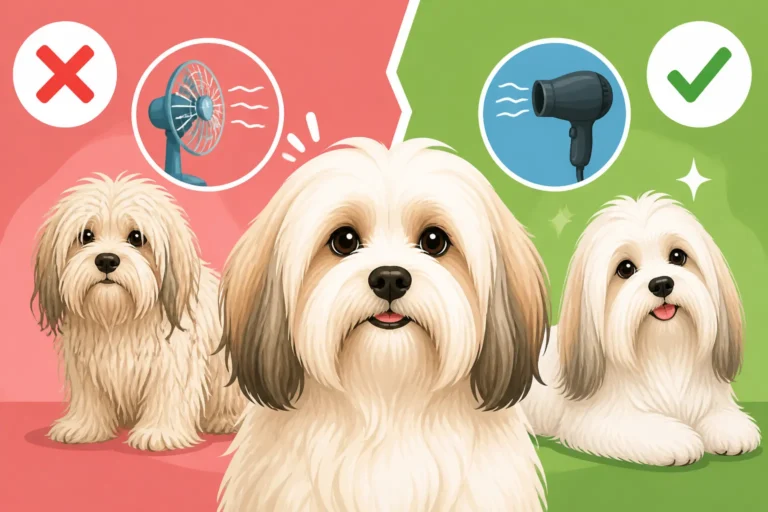
Regular bathing is also important, perhaps every 2-4 weeks, to keep the coat clean and skin healthy. After each bath, ensure you thoroughly dry your Havanese, preferably with a force dryer or a good quality pet dryer, to prevent mats from forming as the hair dries. And, of course, professional trims will be needed every 6 to 10 weeks to maintain the desired length and shape. Think of it as a haircut for yourself – you still wash and brush your hair between salon visits!
Essential Tools for Home Care
Having the right tools at home will make maintaining a puppy cut much easier. Even with a short coat, a good quality slicker brush is indispensable for removing loose hair and light tangles. Pair this with a metal comb for checking your work and addressing any deeper knots that might have formed, especially in those common matting areas like behind the ears. For bathing, a gentle dog shampoo and conditioner designed for sensitive skin or long coats (even if short now, the hair type remains the same) are essential. You can find excellent options for these on sites like Chewy or Amazon.
If you're brave enough to do some at-home touch-ups between professional grooms, a small pair of blunt-nosed grooming scissors can be handy for trimming around the eyes or sanitary areas. Some owners even invest in a small, quiet set of clippers for these tasks, which are also readily available from retailers such as Amazon. However, if you're not comfortable with clippers, leave the major trimming to the professionals. Remember, consistency with these basic tools will keep your Havanese's puppy cut looking its best and prevent any emergencies before the next groomer visit.
Finding the Right Groomer
The relationship you have with your groomer is paramount, especially when maintaining a specific cut like the puppy cut. Not all groomers are equally experienced with Havanese coats, and what one considers a "puppy cut" might differ from another's interpretation. When you first approach a groomer, be very clear about what you want. Bring pictures, describe the length you're looking for (e.g., "about an inch all over"), and discuss any specific areas of concern, such as tear staining or matting hotspots.
A good groomer will listen attentively, ask clarifying questions, and offer professional advice based on your dog's coat type and lifestyle. They should be able to create a consistent look that you love and provide guidance on home maintenance. Don't be afraid to ask for references or look at their portfolio. It’s also wise to discuss the schedule for future appointments; for a puppy cut, typically every 6-10 weeks works well, but your groomer can advise based on your Havanese's individual hair growth rate. A reliable groomer can become a crucial partner in keeping your Havanese looking adorable and feeling comfortable. If you’re interested in understanding the financial commitment, you might want to read What a Full Havanese Groom Costs.
Here’s a quick overview to help you decide:
| Feature | Full Havanese Coat | Puppy Cut Havanese |
|---|---|---|
| Appearance | Traditional, flowing, elegant | Youthful, fluffy, uniform shorter length |
| Maintenance | Daily, intensive line brushing (30-60 mins) | Every few days, quick brush (5-15 mins) |
| Matting Risk | High, especially during coat change & in high-friction areas | Low to moderate, depending on length and consistency of home care |
| Drying Time | Long (can be hours) | Much shorter (minutes to half-hour) |
| Cleanliness | Prone to collecting dirt, debris | Stays cleaner, less prone to collecting foreign matter |
| Comfort | Can be hot in summer, cumbersome for active dogs | Cooler in summer, less restrictive for active dogs |
| Protection | Provides natural insulation from sun/cold | Less natural insulation, may need protection in extremes |
| Groomer Visits | Every 4-6 weeks for baths/tidies | Every 6-10 weeks for full trim/bath |
Disclaimer
This article is for general informational purposes only and does not constitute professional advice. Laws, prices and regulations vary by location and change over time. Consult a qualified professional for guidance on your specific situation.