Whether Air Drying Ruins a Havanese Coat
So, you've just given your sweet Havanese a luxurious bath, and now you're wondering if you can just let that beautiful, flowing coat air dry naturally. It's a perfectly understandable thought – who wouldn't want to save time and effort, and maybe even let their furry friend enjoy a good shake-off in the sunshine? However, for a Havanese, simply letting their coat air dry can unfortunately lead to a host of problems that are both uncomfortable for your dog and a nightmare for you to fix. This guide will delve into the unique characteristics of the Havanese coat and explain why air drying isn't usually the best option, offering practical advice on how to properly care for their distinctive hair to keep it healthy and mat-free.
Understanding the Unique Havanese Coat and Its Needs
Before we dive into the perils of air drying, it's crucial to understand what makes a Havanese coat so special and, frankly, so prone to trouble if not handled correctly. This isn't just a simple fur coat; it's a finely tuned piece of canine apparel that requires specific care.
The Silky Double Coat of a Havanese
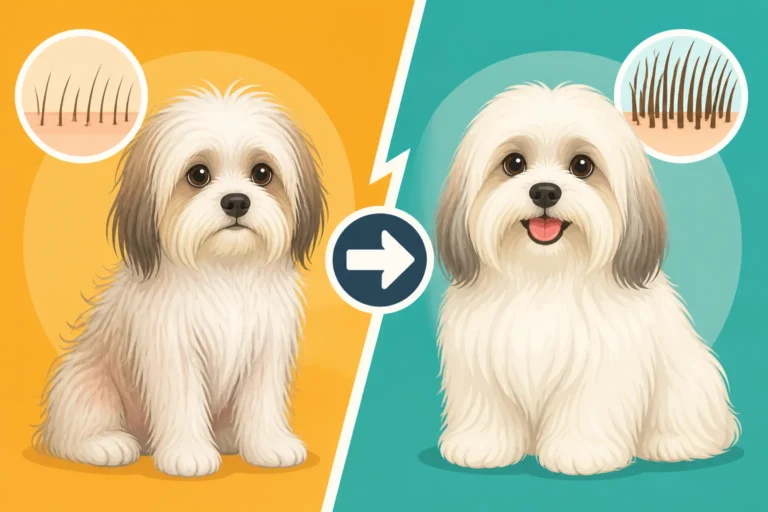
One of the most defining features of our beloved Havanese is their incredible double coat. Unlike some breeds with a coarse outer layer, the Havanese boasts a soft, silky outer coat that can grow quite long, often reaching the floor if left untrimmed. Beneath this flowing topcoat lies a softer, slightly downy undercoat. It’s this combination that provides insulation and protection, but it’s also the root of many grooming challenges. Think of it like human hair that's both fine and abundant – it tangles easily. This luxurious texture, which makes them feel like a cloud when you pet them, is also what makes them a magnet for knots and mats, especially when wet. The Silky Double Coat a Havanese Grows to the Floor elaborates on this beautiful characteristic.
The primary function of this double coat in its natural environment was to protect them from the Cuban sun and provide warmth. However, in a domestic setting, especially after a bath, this same coat acts like a sponge, holding onto moisture for an extended period. This trapped moisture, combined with the dense undercoat, creates a perfect storm for matting.
Why the Havanese Coat Mats So Easily
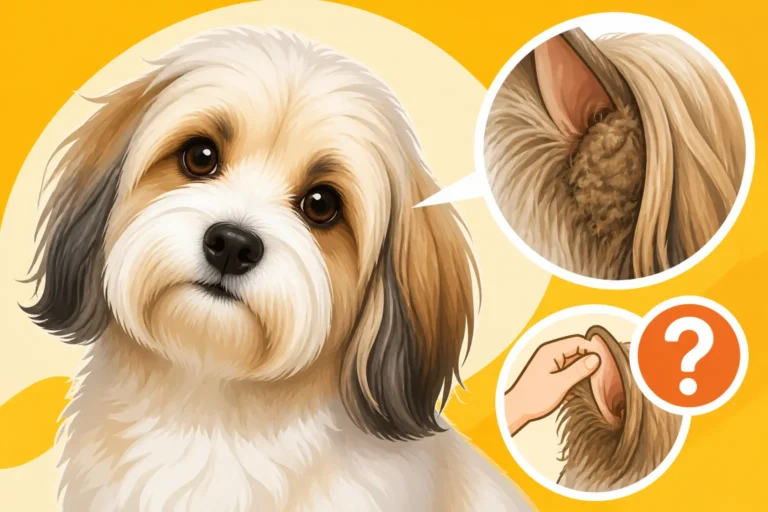
Matting isn't just a cosmetic issue; it's a serious problem that can cause pain and skin irritation for your Havanese. The structure of their coat, with its fine, silky texture and dense undercoat, means that individual hairs tend to cling together and felt when wet or dirty. Imagine trying to comb through a tangled skein of silk thread that's been soaked and left to dry in a heap – that's essentially what happens to a Havanese coat when it's air-dried without proper intervention.
Humidity, friction from movement, and the natural oils in the coat all contribute to mat formation. When the coat is wet, the hairs become even more pliable and prone to knotting. As the moisture slowly evaporates, these knots tighten, forming dense mats that pull on the skin. These mats can start small, perhaps behind the ears or in the armpits, but they can quickly spread and become tight, painful pelts that cover large areas of the body. You might find that Why a Havanese Mats at Eight Months and Not Before offers deeper insight into why matting is such a common struggle for owners of younger Havanese, too.
The Risks of Fully Air Drying a Havanese Coat
So, given the nature of their coat, what actually happens if you decide to just let your Havanese air dry after a bath? Unfortunately, it's almost never a good idea, and the risks far outweigh any perceived convenience.
Severe Matting and Skin Irritation
The most immediate and significant risk of air drying a Havanese is the inevitable formation of severe mats. As mentioned, the wet hair clumps together. If you don't actively and thoroughly brush and separate every strand while it's drying, those clumps will become tight, solid mats. These mats don't just sit on top of the coat; they pull at the skin, causing discomfort, pain, and even bruising. Imagine constantly having your hair tugged at the roots – that’s what your Havanese experiences.
Beyond the physical discomfort of pulling, mats create an ideal breeding ground for bacteria and fungi. Trapped moisture and lack of air circulation under a dense mat can lead to skin infections, hot spots, and general irritation. You might notice your Havanese scratching or chewing at these areas, further exacerbating the problem. Removing these mats often requires professional dematting, which can be painful and time-consuming, or even shaving the dog down entirely, which nobody wants for their beautiful Havanese.
Chilling and Health Concerns
Another often overlooked risk, particularly in cooler climates or for puppies, is the prolonged chilling effect of a wet coat. Havanese are small dogs, and while their double coat provides insulation, a soaking wet coat can draw heat away from their body, leading to a drop in body temperature. This can make them feel uncomfortable and, in more extreme cases, potentially lead to minor ailments like sniffles or general lethargy, especially in older or very young Havanese.
Imagine walking around with wet clothes on for hours; it's simply not pleasant. For a small dog, this can be even more impactful. While generally a robust breed, prolonged dampness is not something a Havanese naturally thrives in after a bath. Keeping them warm and dry is an essential part of their overall well-being.
Odor and Hygiene Issues
A fully air-dried Havanese coat that hasn't been properly brushed and dried can also develop an unpleasant odor. The combination of trapped moisture, natural skin oils, and potentially some bacterial growth in the damp environment of the undercoat can lead to a musty, "wet dog" smell that persists long after the coat appears dry on the surface.
This isn't just about a stinky dog; it's a sign of a coat that isn't truly clean and dry. A properly dried and groomed Havanese should smell fresh and clean. If you're noticing an unpleasant odor, it's often a clear indicator that the drying process was insufficient, or that there's underlying skin irritation that needs attention. Regular and thorough drying is a key part of maintaining good hygiene for your furry companion.
The Limited Scenarios for Partial Air Drying
While full air drying is a big no-no, there are very limited circumstances where a partial air dry, or allowing some natural evaporation, might be considered, but only with very specific precautions. This is not about letting them drip dry, but rather about managing slight dampness.
After a Quick Rinse or Wet Paws
Let's say your Havanese just had a quick rinse after a muddy walk, and only their paws and lower legs are truly wet, or perhaps they splashed in a puddle. In these instances, where only a small portion of their coat is damp, you might get away with towel-drying thoroughly and then letting them air dry the rest of the way. Even then, I’d still recommend a brisk comb-out to ensure no tangles are setting in. The key here is minimal wetness and easy access to every single strand of hair for brushing.
For just damp paws, for example, towel drying until nearly dry, then letting them walk around on a clean, absorbent surface for a short while, could be acceptable. But if any part of their body is truly soaked, such as after a full bath, you need to be prepared for active drying.
During Very Warm, Dry Weather (with extreme caution)
In extremely warm and very low-humidity conditions, some owners might consider allowing their Havanese to partially air dry after substantial towel drying and initial blow-drying. The theory is that the warm, dry air will help evaporate moisture quickly. However, even in these conditions, the risk of matting remains incredibly high.
If you choose this route, you must be constantly brushing and separating the coat as it dries. This means taking your Havanese out into the warm, dry air, vigorously brushing a section, letting it dry a bit, then brushing again. It’s an intensive, hands-on process that requires your full attention, almost as much as a full blow-dry. This is far from a "set it and forget it" method. Remember, the goal is to prevent mats, not just dry the surface. You'll still need to finish with a thorough blow-dry to ensure the undercoat is completely dry.
The Best Way to Dry a Havanese Coat
So, if air drying is largely out, what's the recommended approach to drying your Havanese after a bath? The answer lies in active, thorough drying with the right tools.
The Power of a Force Dryer
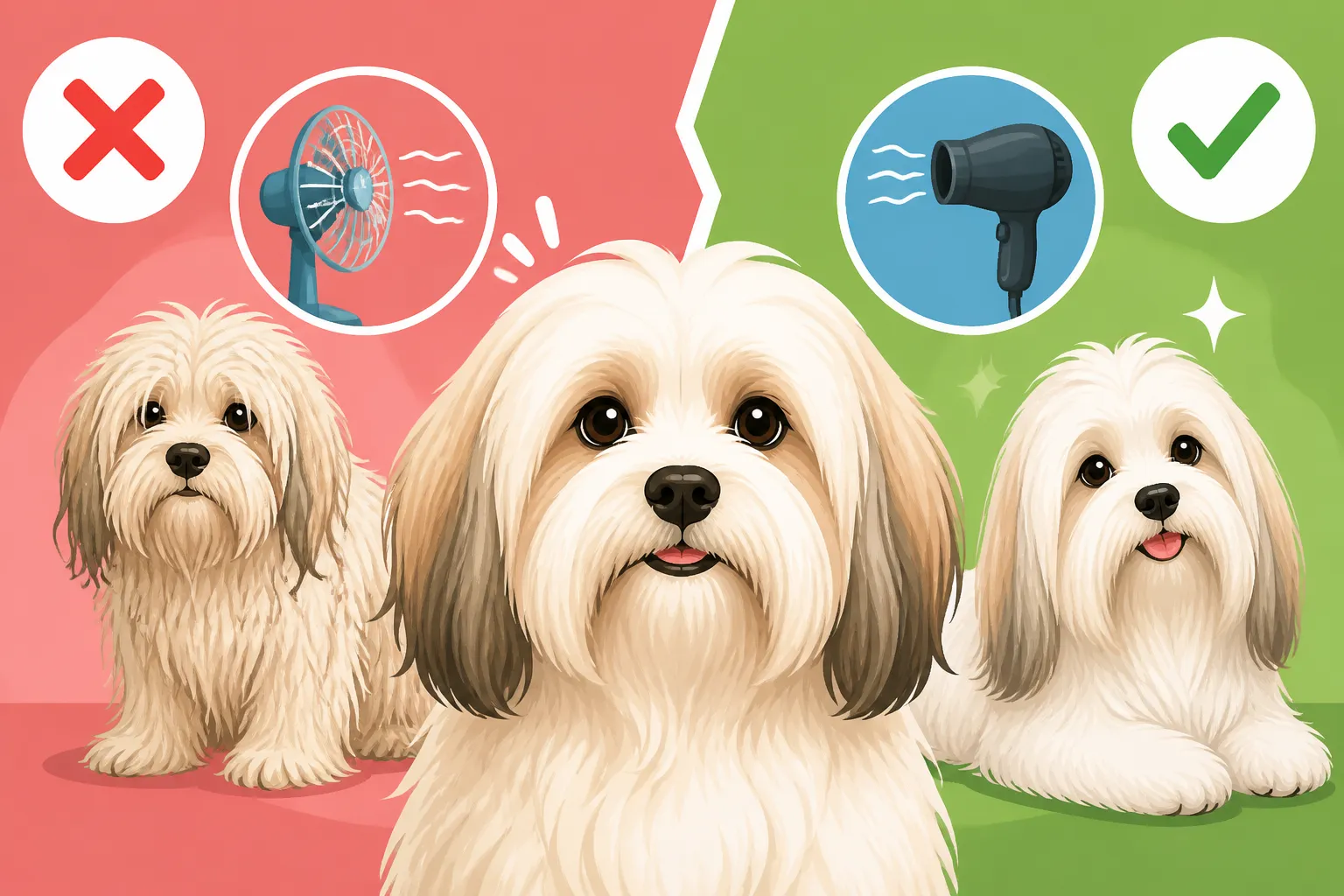
For most Havanese owners, a force dryer (also known as a high-velocity dryer) is an absolute game-changer and, frankly, an essential tool. These aren't like human hairdryers; they blow a high volume of unheated or low-heated air that literally blasts the water out of the coat. This process not only dries the coat incredibly efficiently but also helps to straighten the hair and "fluff" it, preventing mats from forming in the first place. You can find excellent force dryers on sites like Amazon or Chewy, designed specifically for pets.
When using a force dryer, always start on a low setting and keep the nozzle moving. Direct the air against the grain of the hair to lift it and get to the undercoat. Use your free hand to gently separate sections of the coat, ensuring that the air reaches every part. It's a two-handed job that takes practice, but it makes a world of difference. The air pressure helps to blow out loose undercoat, further reducing future matting. Whether a Force Dryer Is Worth It for a Havanese is an article that goes into detail on why this tool is a worthwhile investment.
| Drying Method | Pros | Cons | Best Use Cases |
|---|---|---|---|
| Full Air Dry | None for a Havanese | Guaranteed matting, skin issues, odor, chilling risk | Never |
| Partial Air Dry | Minimal cost for equipment (towels) | High risk of matting, requires constant brushing, prolonged dampness | Very minor dampness on small areas (paws only) |
| Standard Hair Dryer | Readily available, can be used for small touch-ups | Too hot for dog skin, inefficient, can damage coat, still risks mats | Very limited, only cool setting for touch-ups |
| Force Dryer | Fast, prevents matting, promotes coat health, blows out loose hair | Initial cost, can be noisy, learning curve for technique | Full bath drying, weekly grooming, de-shedding |
Essential Brushing During Drying
Whether you're using a force dryer or a human hairdryer on a cool setting (which should be avoided if possible for full drying), constant brushing throughout the drying process is non-negotiable for a Havanese. You should be line brushing, which means working in small sections, from the skin out, ensuring no tangles are missed. A good quality slicker brush and a metal comb are your best friends here. You can find various options at pet supply retailers like Chewy.
Start at the bottom of a leg or the tail, and work your way up the body, always checking your work with the comb. If the comb snags, you've found a tangle that needs to be gently worked out. Never pull. Apply detangling spray if necessary. The goal is to dry the hair straight and separated, so when it's completely dry, your comb can glide through the coat without resistance. Which Brush Suits a Havanese can guide you in choosing the right tools.
Finishing Touches and Regular Maintenance
Once your Havanese is completely dry – and I mean completely dry, right down to the skin – give them one last thorough brush-out with your metal comb. This ensures no small tangles were missed and helps distribute natural oils. Pay special attention to high-friction areas like behind the ears, in the armpits, and around the sanitary area.
Remember, drying is just one part of the grooming routine. A Havanese requires daily or at least every-other-day brushing to prevent mats, regardless of bathing frequency. How Often a Havanese Must Be Brushed emphasizes this daily commitment. Skipping brushing even for a couple of days can lead to a matting disaster, especially if they get damp from dew, rain, or even just humidity. Consistent care is the secret to a beautiful, healthy Havanese coat.
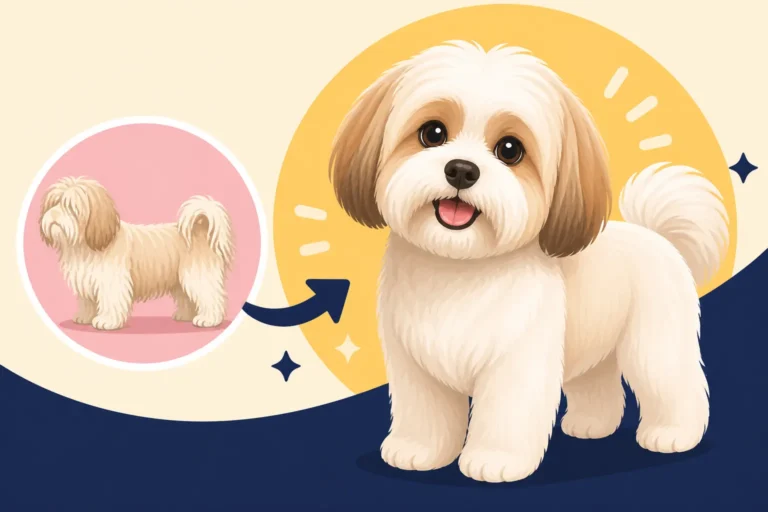
In conclusion, while the idea of letting your Havanese air dry might seem appealing, it’s a gamble that almost always results in a matted, uncomfortable, and potentially unhealthy dog. Investing in a good force dryer, mastering proper brushing techniques, and committing to a consistent grooming schedule are the best ways to ensure your Havanese's coat remains as stunning and silky as it should be.
Disclaimer
This article is for general informational purposes only and does not constitute professional advice. Laws, prices and regulations vary by location and change over time. Consult a qualified professional for guidance on your specific situation.