Whether Cording Suits a Silky Havanese Coat
One of the most appealing things about a Havanese is their gorgeous, flowing coat, but sometimes the sheer volume and texture of that hair can lead owners to consider alternative grooming styles. If you've ever wondered if the striking, corded look you see on some other breeds, or even a few Havanese, could work for your silky-coated companion, you're not alone. This guide dives deep into the realities of cording for a Havanese, especially focusing on whether that beautiful, fine, silky Havanese coat is truly suited for such a commitment.
Understanding the Havanese Coat: Silk vs. Other Textures
Before we even consider cording, it's vital to truly understand the Havanese coat. Many people are drawn to this breed precisely because of its soft, flowing, often luxurious feel. It's truly a defining characteristic.
The Ideal Silky Havanese Coat
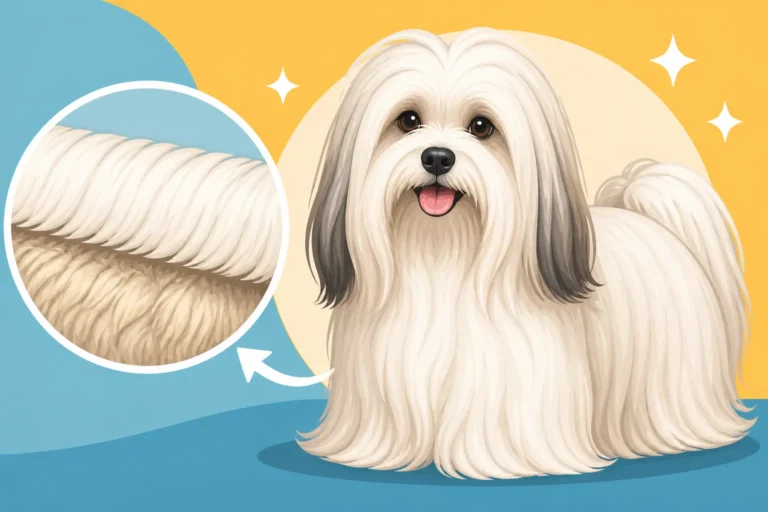
The breed standard describes the Havanese coat as long, soft, and wavy, with a texture that should feel like silk. It's a double coat, which means there's a softer undercoat beneath the longer, outer guard hairs, but even the guard hairs themselves are not coarse or wiry. This silky texture is why so many Havanese owners enjoy brushing their dogs, as the hair is often quite pliable and less prone to breaking if cared for properly. Think of a fine human hair that flows effortlessly, catching the light. That's the Havanese ideal. This type of coat, while stunning, is actually quite delicate compared to some other double-coated breeds. It's designed for elegance and protection, rather than extreme durability or heavy-duty outdoor work.
For new owners, understanding The Silky Double Coat a Havanese Grows to the Floor is often one of the first revelations about the breed. You quickly learn that this isn't a wash-and-wear kind of dog!
Variations in Havanese Coat Texture
While "silky" is the ideal, not every Havanese has exactly the same coat. You might encounter Havanese with coats that are slightly more cottony, coarser, or even a bit more curly. These variations are often due to genetics and can sometimes influence how easily the coat mats or how it behaves with different grooming styles. A cottony coat, for instance, might feel softer and fluffier, but it can be more prone to tangling and matting than a true silky coat. A coarser coat might be more resilient but may not have the same flowing elegance. These differences in texture are important when considering cording, as they directly impact how well the cords might form and maintain their structure. Some breeders specifically aim for the fine, silky texture, while others might produce dogs with a slightly different feel. It’s all part of the charming diversity within the breed, but it does mean a "one-size-fits-all" approach to grooming isn't always best.
What Cording a Havanese Actually Involves
Cording is a specialized grooming technique that, when done correctly, results in ropes or dreadlocks of matted hair. It’s a significant commitment and not something to be undertaken lightly.
The Process of Forming Cords
Cording isn't something that happens overnight; it's a gradual process that can take a long time to achieve. It starts by allowing the coat to grow long and, instead of brushing it out, encouraging the natural matting process. This sounds simple, but it's far from it. The groomer (or owner) must meticulously separate the matting into small, individual sections, forming them into distinct cords. These cords are then maintained by regularly separating them right down to the skin, preventing them from fusing into one large, solid mat. You're essentially guiding the coat to form these specific rope-like structures. This isn't just letting your dog get dirty and tangled; it's an art form that requires careful attention to the size, shape, and separation of each cord. The goal is neat, even cords that hang gracefully, not a matted mess. It's a full-time job that continues for the dog's entire life.
Many people only learn What Cording a Havanese Actually Involves when they start researching unique grooming styles, and they're often surprised by the sheer dedication required.
The Commitment Required for a Corded Coat
Let's be realistic: maintaining a corded coat is a lifestyle, not just a grooming choice. It demands a significant time commitment, often several hours a week, and specific techniques for bathing, drying, and separating the cords. Imagine washing a mop that is still attached to your dog! Drying can take an incredibly long time, as moisture can easily get trapped within the dense cords, leading to skin issues if not thoroughly dried. Furthermore, dirt, debris, and even parasites can become embedded within the cords, requiring vigilant inspection and cleaning. You won't be using your usual slicker brush and comb anymore; specialized tools and knowledge are essential. This isn't a low-maintenance option; in many ways, it's higher maintenance than a long, flowing coat, just in a different way. Owners often need to invest in special shampoos and conditioners that rinse cleanly and don't leave residue, which can be found at places like Chewy or Amazon.
Challenges of Cording a Silky Havanese Coat
While cording is possible for some Havanese, the silky coat type presents unique and significant challenges that often make it an unsuitable choice. It's not just about aesthetics; it's about the dog's comfort and health.
Why Silky Coats Resist Cording
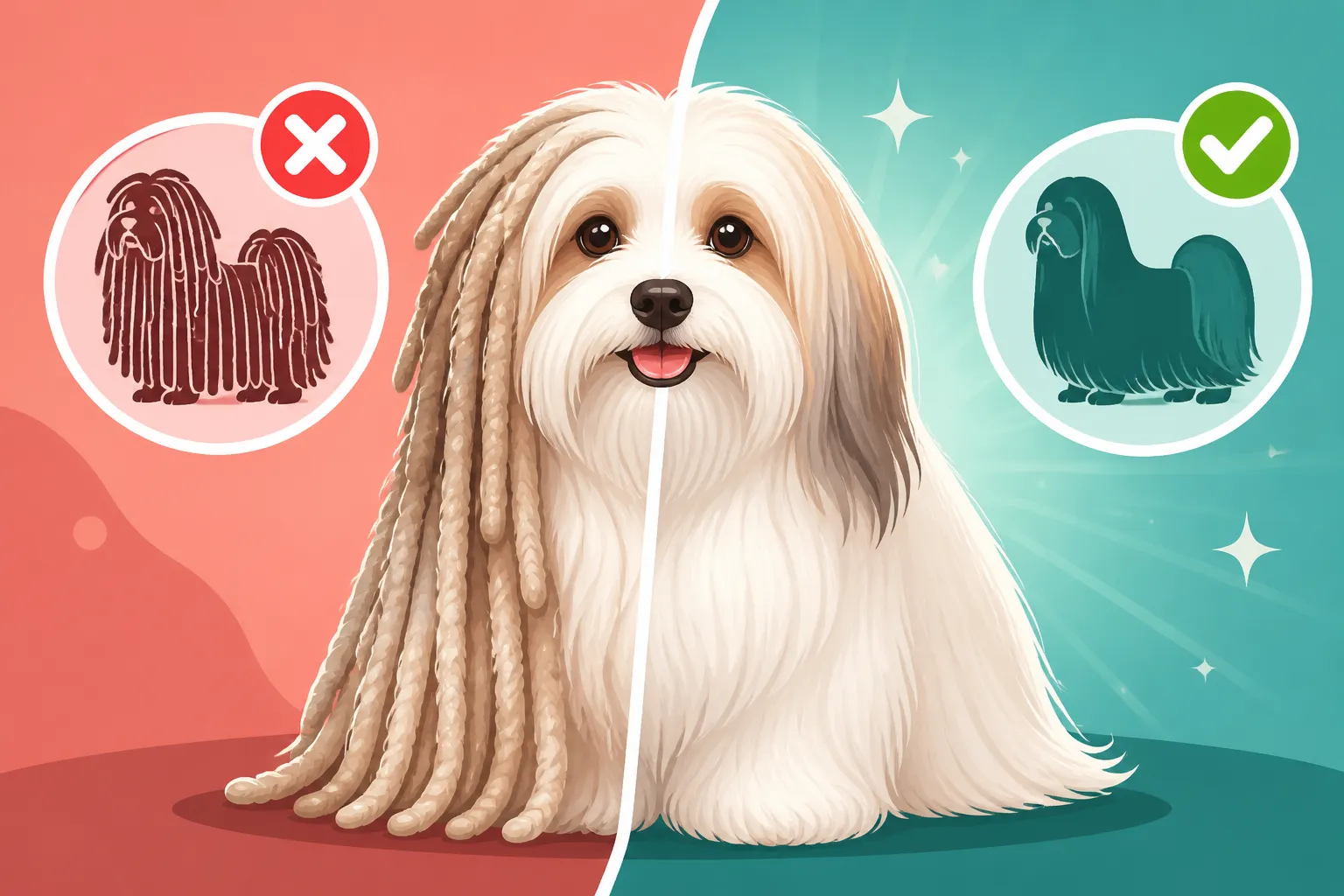
The very characteristic that makes the Havanese coat so appealing – its silkiness – is precisely what makes successful cording so difficult. Silky hair, by its nature, is fine and slippery. It doesn't have the coarse, slightly rough texture that naturally "grabs" and felts together into neat, distinct cords as easily as, say, a Puli or Komondor's coat. Instead, a silky Havanese coat is more likely to form thin, flat, haphazard mats that clump together into a solid pelt rather than separating into elegant, rounded cords. Trying to force a silky coat into cords can lead to a messy, uncomfortable, and unhealthy coat for your dog. It's like trying to make dreadlocks out of fine, straight human hair without special products and a lot of manipulation – it just doesn't want to cooperate naturally. The effort required to get a silky coat to cord properly, if it even can, often results in a look that is far from the desired aesthetic, and can be quite frustrating for both dog and owner.
You might also be interested in Whether a Wiry Coated Havanese Mats More as a comparison point for coat types.
Potential Health and Comfort Issues
Beyond the aesthetic challenge, attempting to cord a silky Havanese coat can lead to genuine welfare concerns for your beloved pet. When the fine, silky hair forms into unmanaged mats instead of distinct cords, it creates a tight, dense barrier against the skin. This can lead to:
- Skin Irritation and Infections: Trapped moisture, dirt, and lack of air circulation under a matted pelt create a perfect breeding ground for bacteria and yeast. This can cause severe skin infections, hot spots, and painful itching.
- Discomfort and Pain: Tight matting pulls on the skin, causing constant discomfort and pain, especially around joints, ears, and sensitive areas. Your dog might be reluctant to move, play, or even be petted because of the pain.
- Overheating: A thick, unventilated coat can prevent proper heat dissipation, leading to overheating, especially in warmer climates or during exercise.
- Difficulty in Detection: Mats can hide skin problems, parasites, lumps, or injuries, making it incredibly difficult for you or your vet to detect and treat issues promptly.
- Hygiene Issues: Cords or mats around the sanitary areas can quickly become soiled with urine and feces, leading to further irritation and infection.
Many owners consider Whether a Corded Havanese Smells and the answer is that without meticulous care, they absolutely can, especially if moisture and dirt are trapped.
The Risk of a "Pelted" Coat
The worst-case scenario when trying to cord a silky Havanese coat is not neat cords, but a "pelted" coat. This happens when the mats become so dense and intertwined that they form a solid, felt-like covering over the dog's entire body. A pelted coat is incredibly painful, restricts movement, and is a serious health hazard. It often requires professional removal by shaving the entire dog down, which can be a traumatic experience for the dog and an expensive one for the owner. A pelted coat is a sign of severe neglect, even if it started with good intentions for cording. For this reason, many professional groomers will refuse to demat a severely matted or pelted dog, insisting on shaving it for the dog's welfare.
| Coat Type/Style | Ease of Cording | Grooming Time | Potential Issues with Silky Coat |
|---|---|---|---|
| Silky, Flowing | Low (not natural) | Moderate daily brushing, weekly bath/dry | Matting if not brushed, tangles |
| Cottony, Wavy | Moderate | High | Faster matting, can still pelt |
| Corded (Ideal) | High | Very High | Requires specific coarse texture |
| Corded (Silky Havanese Attempt) | Very Low | Extremely High | Pelting, skin issues, discomfort |
Alternative Grooming Options for Silky Havanese Coats
If the idea of cording your silky Havanese coat now feels overwhelming or unsuitable, don't worry! There are many wonderful, practical, and beautiful ways to manage their gorgeous hair that will keep them comfortable, healthy, and looking their best.
The Popular Puppy Cut
For many Havanese owners, the "puppy cut" is the ultimate solution. This involves clipping the coat to a shorter, uniform length, usually between an inch and two inches all over the body, while still leaving enough length to appreciate the Havanese look. It’s incredibly practical, reduces matting significantly, and makes bathing and drying a breeze. Your Havanese will still look adorable and fluffy, but without the extreme commitment of a floor-length coat. It allows for easier maintenance at home and reduces the frequency of professional grooming appointments. This is an especially great option for active dogs who love to play outdoors or for owners who simply prefer a more low-maintenance lifestyle. You can discuss different lengths and styles with your groomer, often resulting in a customized look that perfectly suits your dog and your family's needs.
A popular read for many is The Puppy Cut Most Havanese Owners End Up Choosing because it truly simplifies daily care.
Maintaining a Long, Flowing Coat
If you absolutely adore the majestic, floor-length look of a Havanese and your dog has that truly silky coat, it is possible to maintain it. However, this is a serious commitment that requires daily, dedicated grooming. We're talking about line-brushing every single day, often for 30 minutes to an hour, to prevent mats from forming. This involves systematically brushing small sections of the coat from the skin outwards, ensuring no tangles are left behind. Regular bathing, often weekly, with high-quality shampoo and conditioner, is also essential, followed by thorough blow-drying to prevent mats from forming as the coat dries. This approach requires patience, the right tools (a good pin brush, slicker brush, and metal comb are indispensable), and a dog who is cooperative during grooming sessions. It's a labor of love, but the result is undeniably stunning.
Understanding How Long Brushing a Havanese Takes Daily can help you set realistic expectations if you choose this path. Additionally, products from brands like Chewy or Amazon can provide all the necessary brushes, combs, and specialized shampoos to keep a long coat pristine.
Other Practical Clips and Styles
Beyond the puppy cut, there are numerous other practical clips and styles that can suit a silky Havanese coat. You might opt for a slightly longer "teddy bear cut" that gives a plush, rounded appearance, or a sportier clip that keeps the body short but leaves a bit more feathering on the legs and tail. Some owners choose to keep the body quite short but maintain a longer face and topknot, which can be styled with cute bows or bands. The key is to find a style that balances aesthetics with your ability to maintain it and your dog's comfort. Discussing options with a professional groomer who has experience with Havanese is always a good idea. They can offer advice based on your dog's specific coat texture, lifestyle, and your grooming preferences. Remember, the goal is always a happy, healthy dog, regardless of their hairstyle!
For managing the face, especially, you might want to learn Whether a Havanese Needs Its Muzzle Trimmed Short to keep their eyes clear and prevent tear staining. Good quality grooming tools, like clippers and scissors, are readily available on platforms like Amazon. And for those picky eaters, Ollie offers fresh food options that might help in overall health, contributing to a healthy coat from the inside out.
Managing Matting in a Silky Havanese Coat
No matter what length you keep your silky Havanese coat, matting is a constant concern. It’s the Achilles’ heel of their beautiful hair, and knowing how to prevent and manage it is crucial for their well-being.
Preventing Mats in a Silky Coat
Prevention is always better than cure when it comes to mats. For a silky Havanese coat, this means a consistent daily or every-other-day brushing routine. You need to get all the way down to the skin with your brush and comb, not just skim over the top of the coat. Pay special attention to high-friction areas where mats love to form: behind the ears, in the armpits, on the belly, and where harnesses or collars rub. A good quality leave-in conditioner or detangling spray can also be a lifesaver, making the hair more slippery and less prone to tangling. Regular bathing and thorough drying are also crucial; never let a Havanese air dry, as the coat will mat into a felted mess as it dries. Use a powerful dog dryer to ensure every inch of that undercoat is dry. For a comprehensive guide, check out Missing Days of Brushing Costs a Havanese Its Coat.
Dealing with Minor Mats
Even with the best intentions, a minor mat or two can sometimes appear. The trick is to address them immediately, before they become bigger problems. Don't try to pull or rip them out, as this will hurt your dog and break the hair, making it worse. Instead, use a detangling spray generously on the mat, then gently work at it with your fingers, followed by a wide-toothed comb. Start from the very ends of the hair and work your way up towards the skin, loosening small sections at a time. If the mat is stubborn, you might carefully use a mat splitter or a seam ripper (held very carefully, with the blunt side against the skin) to cut through the mat vertically, breaking it into smaller sections you can then comb out. Always remember that patience is key. If your Havanese starts to show signs of discomfort, take a break.
When to Seek Professional Help for Matting
Sometimes, mats can get beyond what you can safely handle at home. If you encounter large, tight mats, or if your dog is in pain when you try to work on them, it’s time to call a professional groomer. A skilled groomer has specialized tools and techniques to either carefully demat a coat or, more often, to safely shave down a severely matted dog without causing injury or undue stress. Be prepared that if the mats are extensive, the groomer's recommendation will likely be a full shave. They prioritize the dog's comfort and safety over preserving the coat length. This is never a judgment; it's simply the safest and kindest option for your Havanese. Remember, Whether a Groomer Refuses a Pelted Havanese is a real possibility, and it's always for the dog's welfare. It's often better to prevent such severe matting from occurring in the first place, or to catch it early enough to avoid drastic measures.
Conclusion
The idea of cording a Havanese can be intriguing, but for the majority of these charming dogs, especially those with the prized silky coat, it's generally not a practical or comfortable option. The fine, soft texture that makes their coat so beautiful simply doesn't lend itself well to forming neat, healthy cords, often leading instead to painful pelting and significant welfare concerns. Instead of trying to force a look that goes against their natural coat type, embrace the versatility of the Havanese's hair. Whether you opt for a practical puppy cut, a stylish teddy bear trim, or commit to the diligent daily care required for a long, flowing show coat, your Havanese will be much happier, healthier, and more comfortable. Focus on consistent, gentle grooming, and your silky Havanese will shine, regardless of their length.
Disclaimer
This article is for general informational purposes only and does not constitute professional advice. Laws, prices and regulations vary by location and change over time. Consult a qualified professional for guidance on your specific situation.