How Often a Havanese Must Be Brushed
That glorious, flowing Havanese coat is truly one of their most charming features, isn't it? It’s what draws so many of us in! But let's be honest, that beautiful hair comes with a reputation for demanding upkeep. Many new Havanese parents, and even some seasoned ones, find themselves staring at a tiny tangle and wondering, "How often am I really supposed to brush this little fluffball before it becomes a felted disaster?" The struggle is real, and the answer isn't always as simple as a quick pass with a brush. This comprehensive guide is here to unravel the mysteries of the Havanese coat and set you on the path to a mat-free, happy pup.
Understanding the Unique Havanese Coat
Before we even talk about how often to brush, we need to talk about what you're brushing. The Havanese coat isn't just "long hair"; it's a wonderfully complex system that's designed for a specific purpose, and understanding its intricacies is the first step to mastering its care.
The Double-Coated Secret
Unlike some breeds that have a single layer of hair, your Havanese sports a luxurious double coat. Think of it like a beautiful, multi-layered shawl. On the outside, you have the longer, silky topcoat, which is typically fine and soft to the touch. This is what gives them that characteristic flowing appearance. Beneath that, close to the skin, lies a softer, often denser undercoat. This undercoat provides insulation, protecting them from both heat and cold in their native Cuban climate.
The challenge arises because these two layers behave differently and grow at different rates. The soft, wispy undercoat can easily shed and get trapped within the longer, silkier outer coat. When this happens, it creates a perfect storm for matting. Imagine trying to comb through a tangled mess where one type of thread is sticking to another in an elaborate knot. If you only brush the top layer, you're not getting to the root of the problem, literally. The undercoat will continue to pack down against the skin, forming dense, painful mats that can hide under the glamorous top layer, often going unnoticed until they become severe.
The Growth and Texture Journey
A Havanese's coat doesn't just magically appear fully formed; it goes through a fascinating transformation, and its texture can vary significantly. When you bring home that adorable puppy, their coat is usually soft, fluffy, and relatively easy to manage. It's often referred to as a "puppy coat," and while it can still tangle, it's generally more forgiving. However, this ease is fleeting.
Around 8 to 18 months of age, your Havanese will enter what's famously known as the "blowing coat" phase. This is when their adult coat starts to fully emerge, and the puppy fluff begins to shed out, making way for the denser, longer adult hair. It’s a bit like a human teenager growing into their adult hair texture. During this period, the shedding puppy coat intertwines with the emerging adult coat, creating an absolute matting nightmare. This is the time when you might find yourself bewildered, wondering why your previously manageable pup is suddenly a mat magnet. This phase requires extra diligence and patience. For more on this, check out When a Havanese Puppy Coat Changes.
Beyond this transitional period, adult Havanese coats can vary in texture. Some dogs have a very fine, silky coat that drapes beautifully, while others might have a slightly coarser, wavier, or even more cottony texture. These variations are often genetic and can influence how prone your dog is to matting. A silkier coat might seem easier, but it can knot just as quickly, if not faster, than a slightly coarser one. Cottony coats, on the other hand, often have more "grip" and can felt together alarmingly fast if neglected. Understanding your individual Havanese's coat type is crucial for tailoring your brushing routine. You might find a deeper dive into this topic useful in Whether a Havanese Coat Is Silky or Wiry. Knowing these nuances helps you anticipate challenges and adjust your approach.
Daily Brushing: The Non-Negotiable Baseline
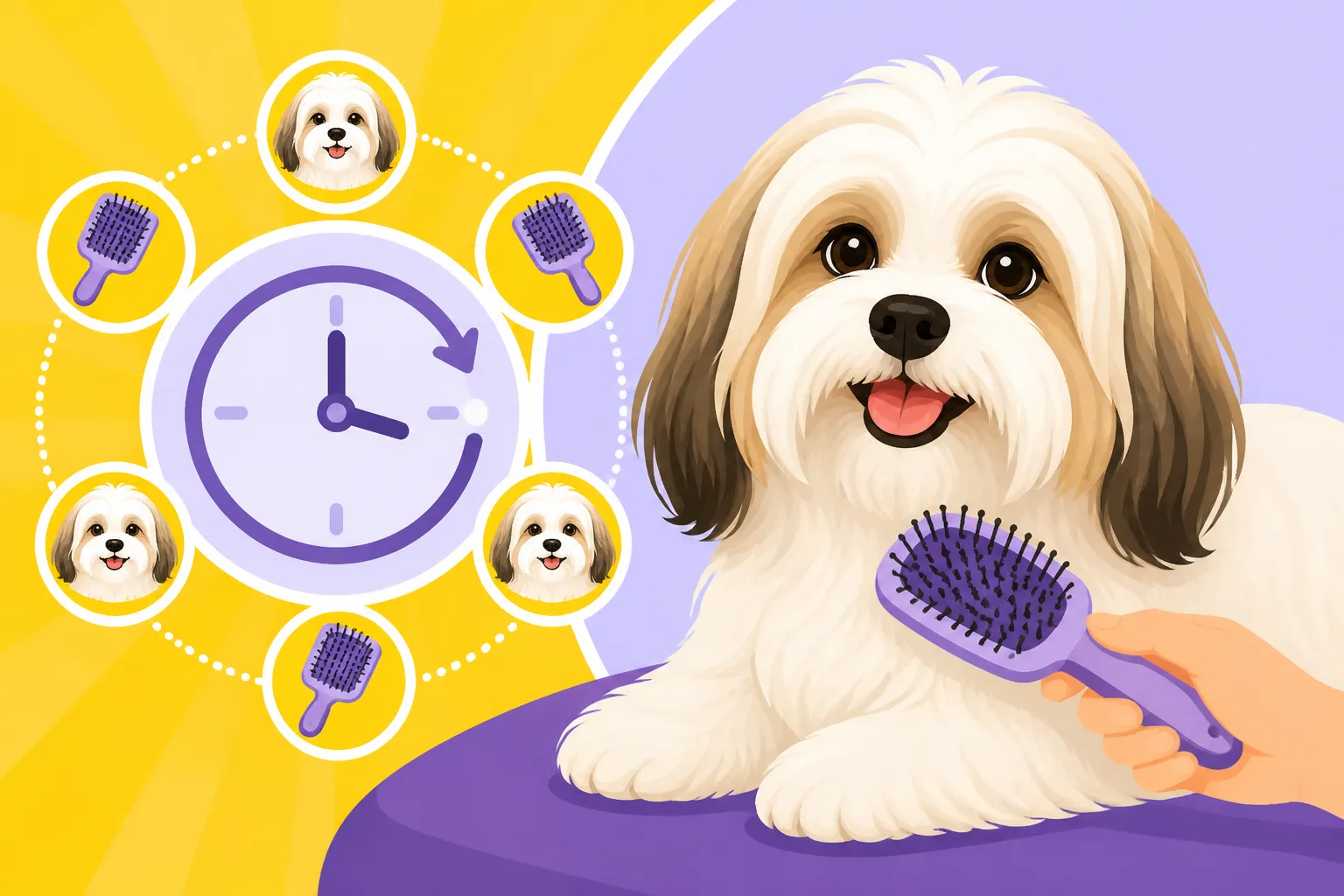
When it comes to Havanese grooming, "daily" isn't just a suggestion; it's practically a mantra. While it might sound like a huge time commitment, consistent daily brushing is actually your best friend, saving you far more time and heartache in the long run than trying to tackle major mats every few days.
Why Daily is the Gold Standard
Imagine trying to detangle your own long, fine hair after several days of not brushing it. Even a few missed days can lead to knots that require significant effort and pain to remove. Now imagine that on a dog who can't tell you where it hurts. For a Havanese, skipping even one day, especially if they've been active or in damp weather, can mean the difference between a minor tangle and a rapidly forming mat. The soft undercoat, which is always shedding to some degree, gets trapped, and the longer outer coat wraps around it, creating a tight, felted knot. These knots, once they start, tend to grow quickly, pulling on the skin and becoming increasingly uncomfortable.
The true beauty of daily brushing lies in its preventative power. It's about catching those tiny, nascent tangles before they have a chance to solidify into full-blown mats. A quick 5-15 minute session each day, done correctly, is usually all it takes. This is often much less time-consuming than trying to spend an hour or more battling serious mats that have developed over several days. Think of it as a small daily investment that pays huge dividends in comfort for your dog and less stress for you. If your Havanese has a particularly dense or cottony coat, or is currently "blowing coat," that daily session might even need to be extended or performed twice a day. The consequences of skipping a day, especially during the challenging blowing coat phase or after a romp in the woods, can be immediate and severe, leading to skin irritation and pain for your cherished companion.
The Line Brushing Technique
Simply running a brush over the top of your Havanese's coat isn't enough. To effectively prevent mats, especially with a double coat, you need to employ a technique called "line brushing." This method ensures you reach all the way down to the skin, where most mats originate, and effectively separate the coat layers.
Here's how you do it:
- Gather Your Tools: You'll need a good quality slicker brush and a sturdy metal comb. Having a detangling spray on hand can also be a lifesaver, especially for stubborn areas. You can find excellent options for these on sites like Chewy or Amazon.
- Section the Coat: The key to line brushing is to work in small, manageable sections. Imagine dividing your dog's body into horizontal "lines." Start at the bottom, usually with a leg or a small section of the belly. Use one hand to hold the upper layers of hair out of the way, exposing a clean "line" of hair right down to the skin.
- Brush from the Skin Out: With your exposed section, use your slicker brush to brush downwards, away from the skin, in short, gentle strokes. Ensure the bristles are actually reaching the skin, not just gliding over the top of the coat. Work through this section until it feels smooth and tangle-free.
- Comb to Confirm: After brushing each section, follow up with your metal comb. Start with the wider teeth, then move to the finer teeth. The comb should glide effortlessly through the hair from skin to tip. If the comb snags, it means there's a tangle you missed. Go back with your slicker brush to gently work it out, then re-comb.
- Work Your Way Up: Once a section is completely tangle-free, drop down a small amount of the hair you were holding back, creating a new "line" just above the one you finished. Repeat the brush-and-comb process. Continue this method across the entire dog, moving from bottom to top on each body part. Pay special attention to areas prone to matting like behind the ears, armpits, inside the legs, and the sanitary areas.
This meticulous approach, though it sounds involved, becomes second nature with practice. It's the only way to truly penetrate the double coat and prevent mats from forming deep within. If you're wondering if you're really getting to the skin, you're on the right track; that's the goal. For a deeper understanding, you might want to read Whether Line Brushing Reaches a Havanese's Skin.
Factors That Increase Brushing Frequency
While daily brushing is your baseline, there are specific situations and life stages that will demand even more attention to your Havanese's coat. Ignoring these can quickly turn a manageable situation into a matted nightmare.
Environmental and Activity Triggers
Your Havanese loves to explore, play, and be part of your life, and these activities, as wonderful as they are, can wreak havoc on their coat. Think of your dog as a walking, fluffy magnet for environmental debris.
A romp through the backyard or a walk in a wooded area can quickly embed leaves, twigs, seeds, and burrs into their fine hair. These foreign objects act like anchors, catching other hairs and initiating tangles that quickly escalate into mats. If your Havanese enjoys rolling in the grass or playing with other dogs, friction and pressure can also create knots, especially in areas like their belly, chest, and behind their legs. It's a real bummer when your cheerful pup comes in looking like a walking bush, but it's part of the deal!
Wet weather is another major culprit. Rain, snow, or even damp grass can cause the Havanese coat to clump and felt together at an alarming rate. When hair is wet, it's more pliable and prone to tangling, and as it dries, those tangles can set into tight mats. Imagine trying to comb wet, tangled human hair without conditioner – it's a mess. For a Havanese, this effect is amplified. A wet romp through the park absolutely necessitates an immediate and thorough brushing session afterwards, often with a good blow-dry if they're soaked through. This is why a Havanese owner might find themselves brushing more frequently during certain seasons. To dive deeper into this specific challenge, take a look at Whether Rain Mats a Havanese. Certain areas are also notorious matting hotspots after activity. These include the armpits, behind the ears (especially if they wear a collar that rubs), and the sanitary areas. Keep an eye on Whether a Havanese Mats in the Armpits for more targeted advice.
Life Stage and Health Considerations
Beyond external factors, your Havanese's age and health can significantly influence how often their coat needs your attention.
The most challenging period for many Havanese owners is when their puppy transitions to an adult coat, typically between 8 and 18 months of age. As mentioned earlier, this "blowing coat" phase is characterized by intense shedding of the softer puppy fur while the adult coat grows in. The two coats intertwine, creating a dense, felt-like mess that can mat almost overnight if not diligently brushed. During these months, you might find that your usual daily brushing isn't enough, and you might need to brush twice a day or extend your sessions significantly. This is a temporary but crucial period where vigilance is paramount to prevent extreme matting. It's truly a test of patience! A more detailed explanation of this phenomenon can be found in Why a Havanese Mats at Eight Months and Not Before.
As your Havanese ages and enters their senior years (typically around 9-10 years old), their grooming needs can shift again. Older dogs might have reduced mobility due to arthritis or other health conditions, making it harder for them to stand or sit comfortably for long grooming sessions. They might also develop thinning patches or coat changes, or simply be less inclined to tolerate brushing. This doesn't mean less brushing; it often means more frequent but shorter and gentler sessions to accommodate their comfort levels. You might need to adjust your approach, using softer brushes or finding a comfortable grooming spot on the floor. For compassionate advice on this stage, consider reading Grooming an Old Havanese That Cannot Stand Long. Additionally, any skin conditions, allergies, or even post-surgical recovery can make the coat more prone to tangles or sensitive to brushing, requiring extra care and potentially a modified routine under veterinary guidance.
When Skipping a Day Becomes a Problem
We've talked about the importance of daily brushing, but let's be realistic: life happens. Sometimes, despite our best intentions, a day or two of brushing gets missed. It's crucial to understand why this can quickly escalate into a serious problem for a Havanese.
The Matting Cascade
A mat isn't just a simple knot; it's a dense, felted clump of hair that has become irreversibly intertwined. It starts innocently enough: a few loose hairs get caught, perhaps some friction from rubbing, and a small tangle forms. However, with the Havanese's double coat, this small tangle acts as a magnet for more shedding undercoat and outer coat hairs. These hairs continue to wrap around each other, tightening the knot, often right down to the skin. The more neglected it is, the larger and denser it becomes, creating a solid mass of felted fur.
The speed at which this can happen is often surprising, even for experienced owners. You might think, "Oh, I'll just skip brushing today, it'll be fine." Then you skip tomorrow, and suddenly, what was a minor tangle is now a formidable mat pulling at your dog's sensitive skin. Mats don't just sit on top of the fur; they pull tightly, causing discomfort, pain, and restricting movement. Imagine having a tight ponytail pulling at your scalp for days, but all over your body. This constant tension can lead to skin irritation, hot spots, bacterial infections, and even hematomas if a mat is pulled too hard. In severe cases, mats can restrict blood flow, impair circulation, and hide parasites or other skin issues. It's not just about aesthetics; it's a serious welfare issue.
The Groomer's Quandary and Your Options
When mats become severe, they pose a significant challenge. If you bring a severely matted Havanese to a professional groomer, they often face a difficult decision. Their priority, and rightly so, is the dog's comfort and safety. Attempting to "demat" a severe, tight mat can be incredibly painful for the dog, requiring excessive pulling, tugging, and hours of uncomfortable work. It can also damage the skin underneath the mat, leading to further complications.
Because of this, many groomers have a policy that dictates a matted dog must be shaved. This isn't because they're being mean or lazy; it's the most humane and often the only safe way to remove the mats without causing undue pain and stress to the dog. Shaving under a mat requires specialized blades and extreme caution, as the skin beneath can be thin, inflamed, or even ulcerated from the mat's constant pulling. For more on this difficult decision, you can look into Whether a Matted Havanese Must Be Shaved. This experience can be traumatic for your Havanese, and it's also costly for you. Groomers often charge extra for matted coats due to the additional time, specialized tools, and risks involved. Beyond the financial cost, there's the emotional toll of seeing your beautiful Havanese shaved down to the skin, which can sometimes affect their coat regrowth and texture. This painful lesson really highlights why preventative, consistent brushing is not just a chore but an act of love and responsible pet ownership.
Establishing a Brushing Routine for Success
The good news is that with the right approach, grooming your Havanese doesn't have to be a battle. By establishing a positive routine early on and using the right tools, you can make brushing a bonding experience rather than a dreaded chore.
Making Brushing a Positive Experience
The foundation of a successful grooming routine is making it a positive and enjoyable experience for your Havanese. This ideally starts when they are a puppy. Puppyhood is a critical window for socialization and conditioning, and introducing brushing early and gently can set them up for a lifetime of comfortable grooming. Start with very short sessions – just a minute or two – even if you only manage to brush a small section. Pair these sessions with lots of praise, gentle petting, and high-value treats. Make it fun, not a punishment. For more on this, check out Getting a Havanese Used to Brushing as a Puppy.
Create a designated "grooming spot" that is comfortable and familiar for your dog. A non-slip surface, like a grooming table with a rubber mat or even a bath mat on the floor, can help them feel secure. Avoid chasing them around the house to brush them, as this teaches them that grooming is something to be avoided. Use a calm, reassuring voice throughout the process. If your Havanese becomes agitated or stressed, take a break. Push too hard, and you risk creating negative associations that will make future grooming even more difficult. Remember, consistency and patience are far more effective than force. Over time, your Havanese will associate brushing with positive reinforcement, treats, and quality time with you. My own Havanese, Luna, actually starts nudging her brush toward me when she wants a good scratch and comb-out!
Tools and Products for Optimal Coat Health
Having the right tools is just as important as having the right technique. Investing in quality grooming supplies will make the process easier for both you and your Havanese.
Here are the essentials:
- Slicker Brush: This is your primary weapon against tangles. Look for one with fine, bent wire bristles that are gentle on the skin but effective at getting through the double coat. Brands like Chris Christensen or Activet are popular choices among Havanese owners, though many good options can be found on Chewy or Amazon.
- Metal Comb: A good quality metal comb with both wide and narrow teeth is indispensable for checking your work and tackling smaller tangles. It's the final test that ensures you've brushed all the way to the skin.
- Detangling Spray/Conditioner: A leave-in detangling spray or a light conditioner can make brushing through dry hair much easier and help prevent breakage. Always spray before brushing, especially in knot-prone areas.
- Blunt-Nosed Scissors: Useful for carefully snipping out small, impossible mats close to the skin, but use extreme caution and only if you know what you’re doing. Never cut straight into a mat; always try to separate it with the scissors first, cutting away from the skin.
- Nail Clippers/Grinder: While not directly for coat care, regular nail trims are part of overall grooming and will make standing for brushing more comfortable.
- Force Dryer (Optional but Recommended): If you bathe your Havanese at home, a force dryer (a high-velocity, cage-free dryer designed for dogs) is invaluable. It helps blast out loose undercoat and straightens the hair, dramatically reducing drying time and preventing mats that form when a damp coat is left to air dry.
Beyond these essentials, consider a good quality dog-specific shampoo and conditioner. Avoid human products, as they can be too harsh for a dog's skin and coat. Products like those from Chris Christensen, Earthbath, or even specific formulas you can find on Ollie can make a difference in coat health and manageability. Remember, while a quick trip to the pet store might offer many choices, prioritizing quality over quantity in your grooming toolkit will pay off in the long run.
The Brushing Frequency Spectrum: A Quick Guide
While "daily" is the golden rule for most Havanese owners, the exact frequency and intensity of your brushing routine might flex slightly depending on your dog's individual coat, lifestyle, and your grooming preferences. It's a spectrum, not a rigid line in the sand.
Different Frequencies for Different Lifestyles
The ideal scenario for a Havanese with a long, flowing coat, or one going through the "blowing coat" phase, is undeniably daily brushing. This commitment ensures that mats are prevented before they even have a chance to set in, keeping your dog comfortable and their coat beautiful. It’s the highest standard of care, reflecting the breed's natural coat demands.
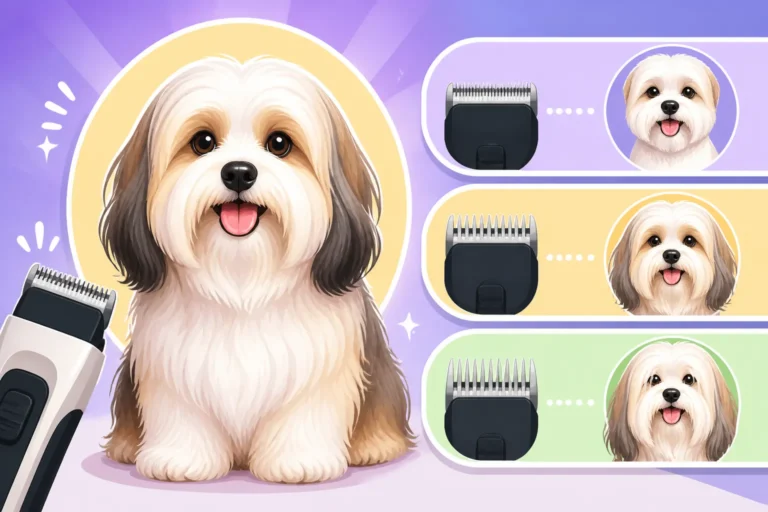
However, not every Havanese lives the show dog life, and many owners opt for a shorter, more manageable clip. If your Havanese sports a "puppy cut" or a shorter kennel clip, you might be able to get away with brushing every other day, or even every two to three days, provided their coat is very short and they aren't engaging in activities that cause excessive tangling. A shorter coat has less length to mat and is generally easier to maintain. This is a common choice for owners who want the Havanese personality without the full-time grooming commitment. For insights into how a shorter clip might benefit your budget and time, consider Whether a Shorter Clip Cuts a Havanese's Bill. Even with a short clip, regular brushing is still important for skin health and to remove any loose hair.
On the other hand, if your Havanese is particularly active, loves outdoor adventures, frequently gets wet, or is in the throes of the "blowing coat" phase, you might even need to brush more than once a day. A quick brush-down after every outdoor excursion, especially if there's dampness or debris, can prevent tiny tangles from becoming major problems. These situations demand extra vigilance to maintain coat health and prevent discomfort. It's all about tuning into your individual dog's needs and adjusting your efforts accordingly.
Practical Brushing Schedule Examples
To help you visualize, here's a table outlining different Havanese coat situations and the recommended brushing frequency. This isn't exhaustive, but it provides a good starting point for tailoring your routine.
| Havanese Type / Situation | Minimum Brushing Frequency | Recommended Tools | Notes |
|---|---|---|---|
| Long, Full Coat (Show or Pet) | Daily | Slicker brush, metal comb, detangling spray | Absolutely essential for preventing mats. Focus on line brushing. May need quick touch-ups after outdoor play. |
| "Blowing Coat" Phase (8-18 months) | Daily (1-2x per day) | Slicker brush, metal comb, detangling spray/conditioner | This is the most critical period. Be extra vigilant; mats form incredibly fast. Short, frequent sessions are best. |
| Puppy Coat (under 8 months) | Daily | Soft slicker brush, puppy comb | Establish positive habits early. Sessions can be shorter. Focus on gentle handling and positive reinforcement. |
| "Puppy Cut" / Short Clip | Every 2-3 days | Soft slicker brush, fine-toothed comb | Still requires regular brushing to prevent tangles and keep skin healthy, but less intensive. Check ears, armpits, and sanitary areas frequently. |
| Active/Outdoor Havanese | Daily + After Activities | Slicker brush, metal comb, detangling spray | Brush immediately after walks/play, especially in muddy or wooded areas. Check for burrs and debris. |
| Senior Havanese (mobility issues) | Daily (shorter sessions) | Softer slicker brush, wider-toothed comb | Adapt to comfort. Shorter, more frequent, and gentle sessions. Consider brushing on the floor. Pay attention to areas they can't reach well. |
| Wet Weather Exposure | Immediately After Drying | Slicker brush, force dryer (if available), comb | Crucial to dry thoroughly and then brush out any tangles that formed while damp. A damp coat mats rapidly as it dries. |
Remember, this is a living document for your Havanese. What works one month might need adjustment the next. Pay close attention to your dog's coat, their activities, and their comfort. With consistent effort and the right approach, you can keep your Havanese's beautiful coat healthy, comfortable, and mat-free, allowing their joyful personality to shine through without any hidden discomfort.
Disclaimer
This article is for general informational purposes only and does not constitute professional advice. Laws, prices and regulations vary by location and change over time. Consult a qualified professional for guidance on your specific situation.