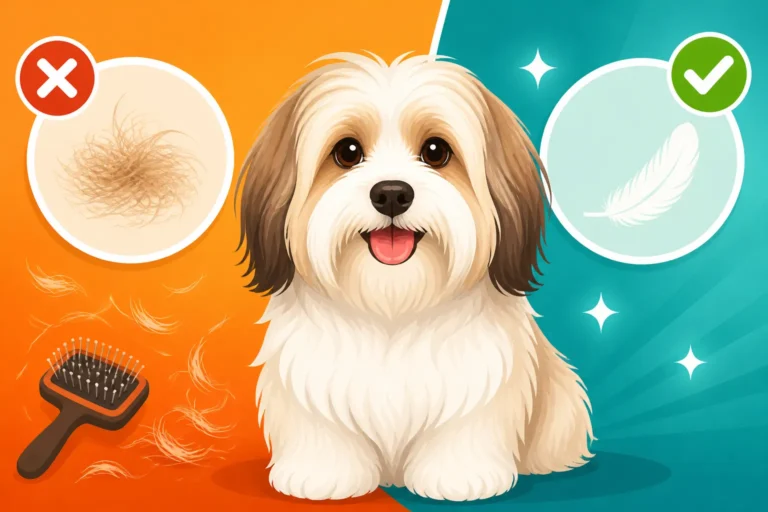
The Puppy Cut Most Havanese Owners End Up Choosing
The daily battle with tangles and mats in your beloved Havanese's flowing coat can sometimes feel like a full-time job, especially when life gets busy. Many Havanese owners eventually find themselves looking for a practical, adorable solution that keeps their furry friend comfortable and looking neat without demanding hours of intensive daily grooming. This comprehensive guide will walk you through everything you need to know about the "puppy cut" – why it's so popular, what it entails, and how it can simplify your life while keeping your Havanese happy and healthy.
Understanding the Havanese Coat and Its Challenges
Before we dive into the ever-popular puppy cut, it’s really important to appreciate what makes the Havanese coat so unique and, let's be honest, sometimes so challenging. These little dogs are renowned for their long, luxurious double coats, often described as silky to the touch. It's a hallmark of the breed, giving them that distinctive, charming appearance. However, this beauty comes with a significant commitment to maintenance.
The Silky Double Coat
A Havanese technically has a double coat, though it’s quite different from what you might imagine with a husky or a shepherd. Their undercoat is soft, and their outer coat is long and silky, often with a slight wave or curl. This combination is what creates such a flowing, ethereal look when properly cared for. Unlike many other double-coated breeds, Havanese don't shed excessively, which is why they're often considered a good choice for people with allergies. However, that hair still has to go somewhere, and that "somewhere" is usually into intricate knots and mats if not routinely brushed. You might be interested to read more about The Silky Double Coat a Havanese Grows to the Floor.
The texture of a Havanese coat can vary quite a bit from one dog to another, even within the same litter. Some might have a very fine, almost cottony texture that mats at the slightest provocation, while others have a coarser, more robust coat that's a bit more forgiving. This individual variation plays a huge role in how often you'll need to brush and how easily mats form. It's not a one-size-fits-all situation, and what works for your friend's Havanese might not be the ideal solution for yours.
The Inevitable Matting Phase
Anyone who has owned a Havanese knows that dreaded "matting phase" around eight to twelve months of age. It feels like overnight your perfectly manageable puppy fluff transforms into a magnet for tangles, becoming dense and seemingly impossible to brush through. This is when the adult coat is starting to come in, intertwining with the softer puppy coat, creating a perfect storm for mat formation. It's a frustrating time, often leading to tears (both yours and sometimes your dog's, unfortunately) and desperate searches for solutions.
This period is often the turning point for many owners who initially intended to keep their Havanese in a long, flowing coat. The sheer volume of brushing required to get through the matting phase can be overwhelming, especially for first-time Havanese parents who might not have anticipated the intensity of the grooming commitment. Even experienced owners find themselves questioning their life choices when facing a particularly stubborn mat behind an ear. Many owners realize that Why a Havanese Mats at Eight Months and Not Before is a crucial stage to understand.
What Exactly Is a Puppy Cut?
So, you're at your wit's end with brushing, or maybe you just want your Havanese to look perpetually like an adorable, fluffy little scamp. That's where the puppy cut comes in! It's one of the most popular and practical grooming styles for Havanese, and for very good reason. It embraces the Havanese's natural cuteness while dramatically reducing the daily grooming burden.
Defining the Puppy Cut Style
A "puppy cut" generally refers to a haircut where the dog's coat is clipped to a uniform, shorter length all over their body. It's not about making them look like a literal puppy (though they often do, which is part of its charm!), but rather a functional style that maintains a soft, fluffy appearance. Typically, the coat length is anywhere from about half an inch to two inches, depending on your preference and your groomer's advice. The goal is to keep enough length for softness and floof, but short enough to prevent mats from forming easily and to make daily brushing a breeze.
The beauty of the puppy cut is its versatility. You can go for a very short, sporty look, or leave it a bit longer for a slightly shaggier, teddy bear effect. Good groomers will discuss your desired length and how it will impact the overall look and maintenance. The face is usually trimmed to highlight those sweet, expressive eyes, often rounded slightly to maintain a soft, puppy-like contour. The tail is generally left a bit longer for balance and to retain some of that Havanese charm.
Common Variations and Lengths
While the core idea of a puppy cut is uniform shortness, there are plenty of ways to customize it. Some owners prefer a very short body with slightly longer legs, creating a more athletic, clean-lined look. Others opt for a consistent, slightly longer length everywhere for that ultimate "teddy bear" vibe. The key is to communicate clearly with your groomer about what you're looking for. Do you want to see the skin? Probably not, so a shorter blade isn't ideal. Do you want it to feel plush but not tangled? Then a medium length might be best.
Consider the practicalities of your dog's lifestyle. If your Havanese loves to romp in muddy fields, a shorter cut on the legs and belly will mean less cleanup. If they spend most of their time indoors and you just want easier brushing, a slightly longer, fluffier cut might be perfect. Talk to your groomer about blade lengths – they can often recommend something specific like a #4 or #5 blade, depending on the desired outcome. This ensures you both have a clear understanding of the "short" you're imagining.
Benefits of the Puppy Cut for Havanese Owners
Deciding to opt for a puppy cut is often a huge relief for Havanese owners. It’s not just about aesthetics; it profoundly impacts the daily care routine and your dog's overall comfort and hygiene. The benefits truly stack up, making it a popular choice across the board.
Reduced Grooming Time and Effort
Let's be real, the number one reason most Havanese owners choose a puppy cut is to reclaim their time and sanity. A long Havanese coat, especially during the adolescent "blowing coat" phase, demands daily, thorough brushing to prevent painful mats. Missing a day or two can lead to significant tangles that take even longer to undo. With a puppy cut, that intense daily brushing usually becomes a quick, once-over job a few times a week. Suddenly, grooming feels less like a chore and more like a pleasant bonding experience. You might even find that learning to do some of the basic trims yourself pays off, as explored in Whether Learning to Groom a Havanese Yourself Pays Off.
Think of the time saved! Instead of spending 30-60 minutes battling knots, you might spend 10-15 minutes every few days. This frees up precious moments for play, training, or simply cuddling on the couch. For busy families or individuals, this reduction in grooming effort can be a game-changer, making Havanese ownership much more manageable and enjoyable. It means less stress for you, and less pulling and tugging for your pup.
Enhanced Comfort and Hygiene for Your Havanese
Beyond saving you time, a puppy cut significantly benefits your Havanese directly. Shorter hair means less chance for debris, burrs, leaves, and mud to get caught in their coat during outdoor adventures. This not only keeps them cleaner but also reduces the risk of skin irritations that can occur when foreign objects are embedded in long hair. Nobody wants a dirty, itchy dog, and a shorter coat makes it easier to spot and address any skin issues that might arise, such as hot spots or dry patches.
Furthermore, shorter hair helps with temperature regulation. While a Havanese's long coat offers some insulation, a very dense, long coat can trap heat in warmer climates or during active play. A puppy cut allows for better airflow, potentially making your Havanese more comfortable in the summer months or during vigorous exercise. It’s a bit like giving them a lighter jacket! Plus, practical areas like around the sanitary region and feet are much easier to keep clean and trimmed, leading to better hygiene and fewer unpleasant surprises. This is particularly relevant when considering Whether a Havanese Overheats in Summer.
Easier Bathing and Drying Process
Bathing a long-haired Havanese can be an epic undertaking. Thoroughly wetting the dense coat, ensuring shampoo penetrates all the way to the skin, rinsing out every last bit of product, and then painstakingly drying each layer of hair takes considerable time and effort. If the coat isn't dried completely and properly, it can lead to matting and skin issues.
With a puppy cut, baths become significantly simpler and quicker. The shorter hair wets faster, shampoos distribute more easily, and rinsing is a breeze. Drying time is drastically reduced, often cutting it down by half or more. This means less time spent wrestling a wet dog, and more confident, happier bath times for everyone involved. It’s particularly helpful for dogs who might not love being groomed, as the whole process is less prolonged and stressful. For maintaining cleanliness and preventing unpleasant odors, this efficiency is invaluable, helping address How Many Weeks Between Baths a Havanese Can Go.
The Downsides and Considerations
While the puppy cut offers undeniable convenience and comfort, it's important to approach the decision with a balanced perspective. There are a few aspects to consider that might give some Havanese owners pause, especially those who appreciate the breed's traditional look.
Loss of the Traditional Breed Look
The most common "downside" cited by Havanese enthusiasts is that a puppy cut departs from the breed's traditional, floor-length coat. The breed standard calls for a long, flowing coat that gives the Havanese its distinctive elegant appearance. For those who enjoy showing their dogs or simply admire the full, magnificent coat, opting for a short puppy cut means sacrificing that classic aesthetic. Your Havanese will no longer look like the dogs you see in show rings or breed books.
It's a personal preference, of course. Many owners find the puppy cut just as adorable, if not more so, for their companion dogs. However, if you have strong feelings about maintaining the breed's iconic look, the puppy cut might feel like a compromise. It's worth noting that once a Havanese's coat is cut short, it will take a significant amount of time to grow back to its full length, potentially over a year, depending on the desired length and individual dog's hair growth rate. This isn't a decision to be made lightly if a long coat is your ultimate goal.
Potential Changes in Coat Texture
One concern that occasionally crops up when clipping a Havanese's coat is the possibility of a change in coat texture. While not always the case, some Havanese owners report that after repeated clipping, the coat can grow back slightly coarser, thicker, or even a bit more cottony than its original silky texture. This is often more noticeable if the dog's coat was already on the finer, softer side to begin with. The outer guard hairs, which contribute to the silky feel, can be replaced by more of the softer undercoat.
This isn't a guarantee, and many Havanese will maintain a lovely texture even with regular puppy cuts. However, it's something to be aware of and discuss with your groomer. Using high-quality shampoos and conditioners, and ensuring the coat is properly cared for between grooms, can help mitigate potential texture changes. Ultimately, for most pet owners, the practical benefits of a puppy cut far outweigh the slight risk of a texture alteration.
Still Requires Regular Grooming Appointments
Even with a puppy cut, your Havanese isn't magically maintenance-free. While daily brushing becomes less intense, regular professional grooming appointments are still absolutely essential to maintain the desired length and shape. Depending on how fast your Havanese's hair grows and how short you keep it, you'll likely need to schedule grooming appointments every 4 to 8 weeks. Skipping these can lead to the coat growing out unevenly, losing its shape, and even starting to tangle again, albeit less severely than a full-length coat.
These regular appointments are a recurring cost, and it's important to budget for them. While you might save on some detangling products or your own time, the frequency of professional grooms is key to keeping the puppy cut looking its best. Think of it as investing in your dog's comfort and your own peace of mind. Keeping up with these appointments will ensure your Havanese always looks tidy and feels great. More detail on the expenses can be found in What a Full Havanese Groom Costs.
Preparing Your Havanese for a Puppy Cut
Deciding on a puppy cut is the first step; getting your Havanese ready for it is the next. Whether you're taking your pup to a professional groomer or attempting some aspects at home, a little preparation can make the experience smoother and less stressful for everyone involved.
Introducing Grooming Tools and Handling Early On
The foundation of a good grooming experience, regardless of the cut, starts early. Even if your Havanese is past puppyhood, it's never too late to work on positive associations with grooming tools and handling. Introduce brushes, combs, and even the sound of clippers (from a distance at first) in a calm, positive manner. Associate these items with treats and praise. Gently touch their paws, ears, and tail frequently, rewarding them for tolerance. This desensitization is crucial, especially for breeds like the Havanese who require extensive grooming throughout their lives. You can find more specific advice in Getting a Havanese Used to Brushing as a Puppy.
Practicing handling at home makes a huge difference when they go to the groomer. If your Havanese is used to having their feet touched, their ears examined, and their body manipulated, they will be far less anxious on the grooming table. This positive early exposure helps prevent them from becoming one of the Havanese who Whether a Havanese Fights a Brush. Remember, a relaxed dog is a safer dog to groom, both for themselves and for the groomer. Patience and consistency are your best friends here.
Communicating Your Desired Look to the Groomer
This is perhaps the most critical step. Don't just tell your groomer, "Give him a puppy cut." As we discussed, a "puppy cut" can mean different things to different people. Bring pictures! Show your groomer exactly what length you're envisioning and how you want the face, ears, and tail to look. Be specific. Do you want it shaved down to a quarter-inch, or do you prefer a fluffier inch? Do you like rounded ears or a slightly longer fringe?
Discuss your Havanese's lifestyle. If they're a muddy adventurer, mention that. If they have sensitive skin, definitely bring that up. A good groomer will ask questions and offer suggestions, but the more information you provide, the better they can tailor the cut to your expectations and your dog's needs. Don't be afraid to ask for a "test cut" on a less visible area if you're unsure, or to ask them to start longer and take more off if needed. It's a partnership to achieve the best result for your precious pup.
Maintaining the Puppy Cut at Home
Even with a short and sweet puppy cut, some at-home maintenance is still necessary to keep your Havanese looking fresh and feeling good between professional grooming appointments. This isn't just about aesthetics; it's about good hygiene and preventing smaller issues from becoming bigger problems.
Essential Grooming Tools for Home Care
You don't need a professional grooming salon setup, but a few key tools will make home maintenance much easier. A good quality slicker brush is indispensable for quickly brushing through the shorter coat, removing loose hair and preventing minor tangles. Follow up with a metal comb, especially around the ears, armpits, and sanitary areas, to ensure you haven't missed any knots. A pair of blunt-nosed grooming scissors can be handy for quick trims around the eyes or sanitary areas if they grow out between professional appointments. An initial investment in tools from a reputable online retailer like Chewy or Amazon can save you hassle down the line.
Nail clippers or a dremel are also crucial for keeping nails at a healthy length, which is important for your Havanese's comfort and gait. And, of course, a good dog-specific shampoo and conditioner will keep their coat clean and healthy during home baths. Opt for gentle, pH-balanced formulas that won't irritate their skin. Having these basic tools on hand means you're prepared to tackle small grooming tasks as they arise, preventing them from escalating before your next professional groom.
Brushing and Bathing Routine for a Puppy Cut
While a puppy cut significantly reduces the frequency and intensity of brushing, it doesn't eliminate it entirely. Aim for a quick brush-through 2-3 times a week with your slicker brush and comb. This helps remove shed hair, stimulates the skin, and keeps the coat fluffy and tangle-free. Pay particular attention to friction points like behind the ears, under the armpits, and where a harness sits, as these areas are still prone to developing small mats. Regular, short brushing sessions are far more effective and less stressful than trying to detangle a neglected coat.
Bathing frequency will depend on your dog's activity level and environment, but generally, a Havanese with a puppy cut can go about 3-4 weeks between baths, possibly longer if they stay relatively clean. Always use lukewarm water and thoroughly rinse all shampoo and conditioner to prevent skin irritation. Follow up with a towel dry, and if your Havanese tolerates it, a cool-setting hairdryer can help fluff up the coat and ensure it's completely dry. Remember, a damp coat is an invitation for matting, even in a puppy cut.
Addressing Tear Stains and Facial Hair
Even with a puppy cut, your Havanese's adorable face needs special attention, especially concerning tear stains. These reddish-brown marks, common in many light-colored breeds, are caused by excess tearing and can accumulate bacteria, leading to irritation and odor. Regularly wiping around your Havanese's eyes with a damp cloth or a gentle, dog-specific tear stain remover is vital. Keeping the hair around their eyes trimmed short also helps, as long hair can wick moisture and promote staining. This is part of Keeping a Havanese's Face Clean and Dry.
Similarly, pay attention to the hair around their mouth and beard area. After eating, food particles and moisture can get trapped, leading to discoloration and potential bacterial growth. Wiping their muzzle after meals can help keep this area clean. Your groomer will typically keep these areas neatly trimmed during appointments, but little touch-ups at home between visits can make a big difference in maintaining overall facial hygiene and comfort for your Havanese.
Finding the Right Groomer for Your Havanese
The success of a puppy cut, and indeed any grooming style, hinges significantly on finding a skilled and compassionate groomer. This isn't just about a good haircut; it's about ensuring your Havanese has a positive and safe experience.
Qualities of a Good Havanese Groomer
When looking for a groomer, you want someone who understands the Havanese coat type and temperament. Havanese are generally sweet but can be sensitive, so a gentle, patient approach is key. Look for a groomer who clearly prioritizes the dog's comfort and safety over speed. They should be able to tell you about their experience with Havanese or similar toy breeds, and demonstrate knowledge about common Havanese health concerns like The Kneecaps a Havanese Slips or Dental Crowding in a Havanese Mouth, as these can impact how they position or handle the dog.
A good groomer will also be excellent at communicating. They should listen to your preferences, offer expert advice, and be transparent about their process. Ask to see their facility – is it clean, well-organized, and safe? Do they have non-slip surfaces on their tables? Do they use appropriate restraints? Do they seem genuinely fond of dogs? These might seem like small details, but they contribute to a professional and caring environment.
Questions to Ask Potential Groomers
Don't be shy about asking questions when interviewing potential groomers. Here are a few to get you started:
- "What is your experience grooming Havanese specifically?"
- "How do you handle a dog that is anxious or difficult during grooming?"
- "What blade lengths do you typically use for a puppy cut on a Havanese, and can I see examples?"
- "How long does a typical grooming session take for a Havanese?"
- "Do you offer any de-matting services, and what is your policy if my dog is severely matted?"
- "What kind of products do you use (shampoo, conditioner) and are they suitable for sensitive skin?"
- "What emergency protocols do you have in place?"
It's also a good idea to ask about their booking schedule and pricing structure. Remember, a lower price isn't always a better deal if it means a rushed or stressful experience for your dog. Investing in a quality groomer is investing in your Havanese's well-being. Asking about specific health screenings and vet visits can also shed light on how seriously they take the well-being of the dogs they handle, such as Whether a Havanese Needs a Yearly Eye Exam or How Often a Havanese's Teeth Need Scaling.
Common Misconceptions About the Puppy Cut
Like any popular grooming style, the puppy cut comes with its share of myths and misunderstandings. Clearing these up can help you make an informed decision and manage your expectations.
"It's a Low-Maintenance Cut"
This is perhaps the biggest misconception. While a puppy cut reduces the intensity of daily grooming, it absolutely does not eliminate maintenance. It transforms high maintenance into moderate maintenance. You still need to brush your Havanese regularly (several times a week), bathe them, clean their eyes and ears, and keep their nails trimmed. On top of that, you'll need professional grooming appointments every 4-8 weeks to maintain the cut's shape and length.
Neglecting a puppy cut will quickly lead to an unruly, shaggy dog that can still develop mats, especially in those high-friction areas. The mats might be smaller and closer to the skin, but they'll be there, and they'll be just as painful to remove. The puppy cut is a fantastic option for manageability, but it requires consistent effort on your part to keep it looking good and, more importantly, to keep your Havanese comfortable and healthy. It's a partnership between you and your groomer.
"It's Only for Puppies"
Despite its name, the puppy cut is absolutely not just for puppies! It's a flattering and practical style for Havanese of all ages. Many adult Havanese, and especially senior Havanese, benefit immensely from a shorter cut. As dogs age, they might become less tolerant of long, arduous grooming sessions, or they might have health issues like arthritis that make standing for extended brushing uncomfortable. A shorter cut allows for quicker, less strenuous grooming sessions, both at home and with the professional groomer. You can read more about Grooming an Old Havanese That Cannot Stand Long.
Owners often choose this style for their older dogs to improve their comfort and make it easier to keep them clean as their mobility or patience declines. A senior Havanese with a sleek, well-maintained puppy cut often looks and feels revitalized. So, don't let the name fool you – the puppy cut is a timeless and age-appropriate choice for any Havanese.
"It Damages the Coat Permanently"
This misconception often ties back to the concern about coat texture changes. While a coat's texture can change slightly after repeated clipping, it's not truly "damaged" in a permanent, irreparable way. The hair follicles themselves are not harmed, and the hair will continue to grow. What sometimes happens is that the softer undercoat is encouraged, potentially leading to a slightly less silky or more cottony texture over time, as discussed earlier. However, the coat remains healthy and functional.
True damage would involve irreversible harm to the follicles, which clipping does not do. Any texture changes are generally cosmetic and don't affect the dog's comfort or skin health. In fact, for many Havanese, especially those prone to severe matting, a regular puppy cut is a healthier option as it prevents skin irritation, infections, and discomfort associated with matted fur. It allows their skin to breathe and be properly cleaned, contributing to their overall well-being.
| Feature | Full, Long Havanese Coat | Puppy Cut on a Havanese |
|---|---|---|
| Aesthetic | Elegant, flowing, traditional show ring look | Adorable, fluffy, teddy bear appearance, youthful |
| Daily Brushing | Intensive, daily (30-60 min), critical for mat prevention | Minimal (5-15 min, 2-3 times/week), quick touch-ups |
| Matting Risk | High, especially during coat change or neglect | Low to moderate, primarily at friction points |
| Professional Grooms | Every 4-6 weeks for baths, trims, and maintenance | Every 4-8 weeks for shape, length, and hygiene |
| Bathing/Drying | Time-consuming, requires careful drying techniques | Quicker, easier to wet and dry thoroughly |
| Comfort | Can trap heat, collect debris; requires vigilance | Enhanced airflow, less debris collection, cooler |
| Hygiene | Sanitary areas require constant attention | Easier to keep clean around eyes, mouth, and sanitary regions |
| Coat Texture | Maintains original silky texture | May experience slight texture change over time |
Ultimately, the puppy cut is a fantastic, practical choice for many Havanese owners. It allows your dog to live a comfortable life, free from painful mats, and gives you more time to enjoy their wonderful companionship rather than being perpetually tied to the grooming brush. It's a testament to its popularity that The Puppy Cut Most Havanese Owners End Up Choosing is a reflection of real-world needs.
Disclaimer
This article is for general informational purposes only and does not constitute professional advice. Laws, prices and regulations vary by location and change over time. Consult a qualified professional for guidance on your specific situation.